Exploring Shared Death Experiences: A Unique Perspective

Summary
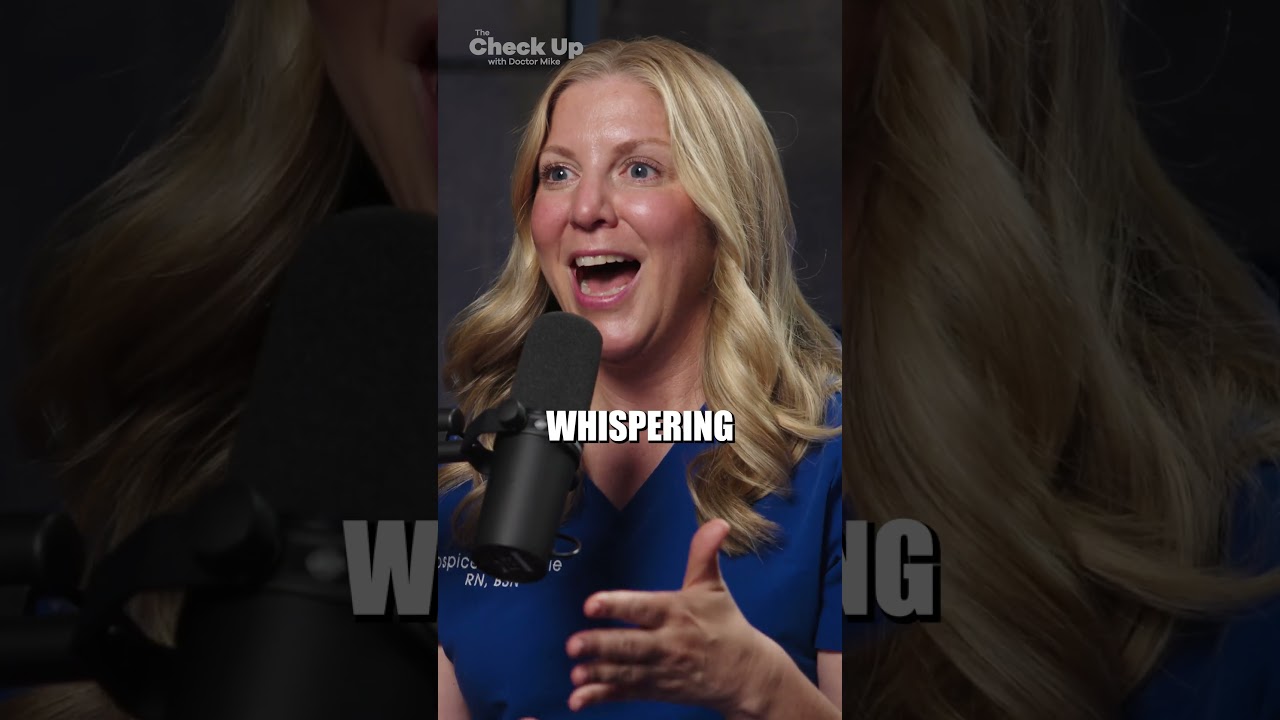
In the video titled 'Do You Believe In This?', the speaker shares a profound shared death experience with a patient diagnosed with pancreatic cancer. This experience brought about feelings of peace and joy, highlighting the deep emotional connection and existential reflections that can occur during end-of-life moments. This article delves into the speaker's narrative, exploring the psychological and emotional dimensions of shared death experiences, supported by existing research.
Understanding Shared Death Experiences
Shared death experiences are unique phenomena where an individual feels as though they are accompanying a dying person during their final moments. These experiences are deeply personal and often bring about a profound sense of connection and understanding of the dying process. In the video, the speaker describes a powerful shared death experience with a patient suffering from pancreatic cancer. This event left a lasting impression, highlighting the potential emotional and psychological impacts of such encounters.
The Speaker's Personal Encounter
The speaker recounts a touching narrative involving a younger patient diagnosed with pancreatic cancer. As the patient approached the end of life, the speaker formed a close bond, discussing existential topics and the patient's life before the illness. The day the patient passed away, the speaker sensed a significant change, marked by the patient's distinct breathing patterns. This moment was not merely a farewell but a shared journey into the unknown, as the speaker felt the patient's presence and heard his joyful voice in her mind. The experience was overwhelming, evoking tears and a profound sense of peace and freedom, contrasting sharply with the patient's lifelong struggles with mental health.
Emotional and Psychological Impact
The emotional intensity of shared death experiences can be immense, leading to a mix of peace, joy, and profound reflection. The speaker's account emphasizes the release of fear and the attainment of freedom at the moment of death, which can be deeply transformative for both the dying individual and those who share in the experience. This aligns with research suggesting that shared death experiences may offer insights into the psychological processes involved in dying, helping individuals reconcile with the concept of mortality.
Did You Know? Some studies suggest that shared death experiences can lead to positive psychological outcomes, such as reduced fear of death and improved coping mechanisms for grief.
Connecting Mental Health and Shared Experiences
The speaker's narrative highlights the connection between mental health struggles and the liberation felt during a shared death experience. Throughout his life, the patient battled with mental health issues, feeling trapped and unfulfilled. However, in his final moments, he experienced a sense of liberation and joy, underscoring the potential for shared death experiences to provide relief from psychological burdens. This perspective is supported by research indicating that shared death experiences can facilitate emotional healing and closure.
Research and Scientific Perspectives
Research into shared death experiences is limited but growing, with studies exploring their psychological and emotional aspects. According to a study published in the Journal of Near-Death Studies, these experiences may offer insights into the consciousness and emotional states of both the dying and those who accompany them. Furthermore, research from the University of California suggests that shared death experiences could challenge our understanding of consciousness and the afterlife, prompting further exploration into these profound events.
Existential Reflections and Lessons
Shared death experiences often prompt existential reflections, challenging our understanding of life and death. The speaker's encounter with the patient encouraged a deeper contemplation of existence, highlighting the potential for these experiences to foster personal growth and transformation. Many individuals report a sense of interconnectedness and a reevaluation of their life priorities following a shared death experience, suggesting that these events can serve as catalysts for meaningful change.
Critiques and Skepticism
While shared death experiences are compelling, they also face skepticism from some quarters. Critics argue that these experiences may be subjective and influenced by cultural and personal beliefs. Additionally, the lack of extensive scientific research makes it challenging to draw definitive conclusions about their nature and implications. Despite these critiques, the personal narratives and emotional depth of shared death experiences continue to inspire curiosity and further investigation.
Concluding Thoughts
The video
Frequently Asked Questions
- What is a shared death experience?
- A shared death experience occurs when an individual feels as though they are accompanying a dying person during their final moments, often experiencing their emotions and thoughts.
- How can shared death experiences impact mental health?
- Shared death experiences can provide emotional healing and closure, offering relief from psychological burdens and reducing the fear of death.
- What does research say about shared death experiences?
- Research suggests that shared death experiences offer insights into consciousness and emotional states, though more studies are needed to fully understand their implications.
- Why do some people remain skeptical about shared death experiences?
- Skepticism arises due to the subjective nature of these experiences and the limited scientific research available, making it difficult to draw definitive conclusions.
- Can shared death experiences lead to personal growth?
- Yes, many individuals report a reevaluation of life priorities and a sense of interconnectedness following a shared death experience, suggesting potential for personal growth.
Get Evidence-Based Health Tips
Join readers getting weekly insights on health, nutrition, and wellness. No spam, ever.
No spam. Unsubscribe anytime.