Why You Get Tired After Eating (and What Helps)

Summary
Fatigue after eating is often caused by normal digestion plus a meal that is large, high in refined carbs, or paired with alcohol. If it happens frequently, is new, or comes with symptoms like dizziness, heart palpitations, or unintended weight loss, it is worth discussing with a healthcare provider.
What is happening in your body after a meal
Digestion is work. After you eat, your body shifts blood flow toward the stomach and intestines and ramps up hormone signaling to break food down and move nutrients into cells.
That shift can make some people feel a noticeable dip in alertness, especially after a larger meal. It is not automatically a sign that something is wrong.
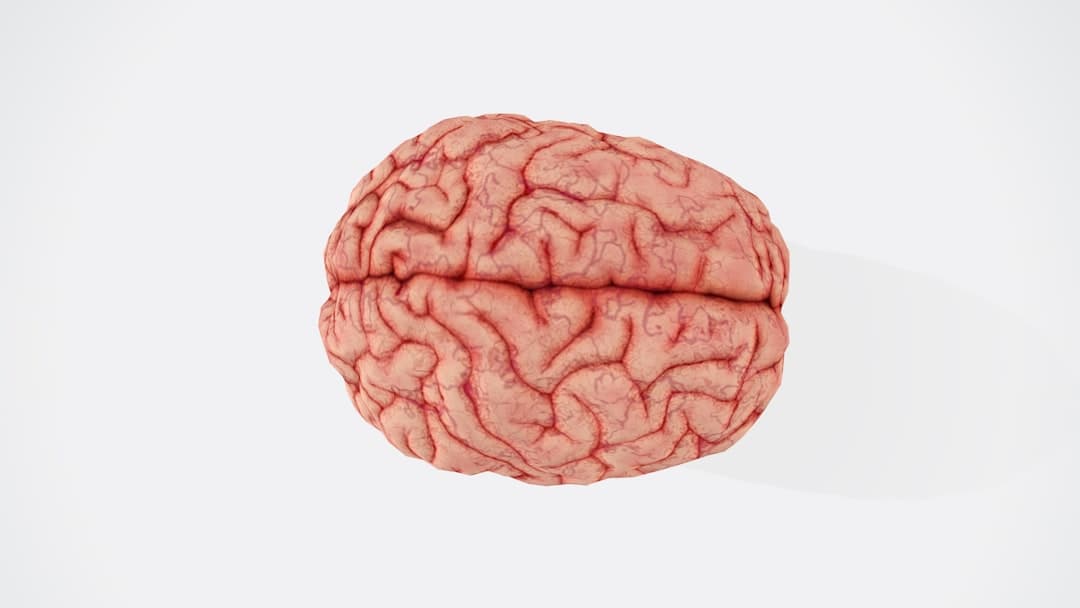
Your brain also responds to chemical messengers released during digestion. Signals traveling through the gut, including input carried by Sensory Neurons, can influence how awake or relaxed you feel.
On top of that, your energy level after eating is heavily shaped by what you ate, how fast you ate, how well you slept, your stress level, and whether you were already running low on fuel or hydration.
Common reasons you feel fatigued after eating
A large meal (especially fast)
Big portions stretch the stomach and increase digestive workload. When you eat quickly, you may overshoot fullness before your body has time to register it, which can leave you feeling heavy, foggy, and ready to lie down.
A high refined-carb meal and blood sugar swings
Meals heavy in sugary drinks, desserts, white bread, or large portions of pasta and rice can raise blood sugar quickly. Your body responds by releasing insulin, and in some people that response is strong enough that blood sugar then drops faster than feels good.
This can show up as sleepiness, shakiness, irritability, headache, or a “crash” feeling 1 to 3 hours after eating. People vary a lot here, and the same meal can feel fine one day and draining the next if you are sleep deprived or stressed.
Not enough protein, fiber, or fat to steady energy
If a meal is mostly starch or sugar, it tends to digest quickly. Adding protein, fiber, and healthy fats slows digestion and can smooth out energy.
Choosing Plant Based Fats such as nuts, seeds, avocado, and olive oil can help some people feel more stable after meals, especially when paired with fiber-rich carbs.
Alcohol with food
Even small to moderate amounts of alcohol can increase drowsiness. When it is combined with a heavy meal, the sedating effect can be more noticeable.
Dehydration, low iron, or low overall intake
If you are underhydrated, skipping meals, or eating too little overall, your body may respond to a meal with a short-lived lift followed by fatigue.
Low iron stores can also contribute to feeling wiped out, and meals do not cause that problem, but they can make you notice it. If fatigue is persistent across the day, not just after eating, it is reasonable to ask a clinician whether blood work is appropriate.
Food intolerances or heavy, high-fat meals
Some people feel tired after meals that trigger bloating, cramps, or diarrhea, for example with lactose intolerance or sensitivity to certain fermentable carbohydrates. High-fat meals can also sit longer in the stomach and feel draining for some.
Medication effects
Some medicines can cause drowsiness, or interact with meals in ways that change how you feel (for example, certain diabetes medications, antihistamines, some blood pressure medicines, and others). If the timing consistently matches meals, ask your pharmacist or prescriber to review your regimen.
When post-meal fatigue can signal something to check
Occasional sleepiness after a big lunch is common. A pattern that is frequent, intense, or worsening deserves a closer look.
Here are a few situations clinicians often think about:
Reactive hypoglycemia (post-meal low blood sugar): This describes low blood sugar that occurs after eating, often a few hours later. It can cause fatigue plus sweating, tremor, anxiety, hunger, or trouble concentrating. A clinician may suggest tracking symptoms with finger-stick glucose or a continuous glucose monitor in select cases.
Diabetes or prediabetes: Some people feel very tired after eating because blood sugar rises higher than it should, then fluctuates. Symptoms like increased thirst, frequent urination, blurry vision, or slow-healing wounds make it especially important to get checked.
Low blood pressure after meals (postprandial hypotension): This is more common in older adults and in people with certain neurologic conditions. It can cause sleepiness, dizziness, weakness, or even fainting after eating.
Thyroid disorders, sleep apnea, depression, and chronic stress: These do not specifically “come from meals,” but they can lower baseline energy so that any normal post-meal dip feels dramatic.
Important: Seek urgent care if post-meal fatigue comes with chest pain, shortness of breath, fainting, new confusion, severe weakness on one side, or a rapid, irregular heartbeat.
Things you can try to prevent the crash
If your symptoms are mild and you are otherwise well, small adjustments often make a noticeable difference within a week or two.
Build meals around a steadier plate. Aim for a balance of protein, high-fiber carbs (vegetables, beans, whole grains), and healthy fats. This combination generally digests more slowly and can reduce the “spike then slump” feeling.
Adjust portions without dieting aggressively. Many people do better with a slightly smaller lunch or splitting a large meal into two smaller eating times. If you are trying to change weight, a Sustainable Calorie Approach is more likely to help energy than extreme restriction.
Take a short walk after eating. Gentle movement can support digestion and may blunt blood sugar peaks for some people. Keep it easy, the goal is circulation, not a workout.
Limit ultra-sugary add-ons. Sweet drinks, large desserts, and “naked carbs” (like a bagel alone) are common triggers. Pair them with protein or fiber if you choose them.
Look at timing and sleep. If you are consistently short on sleep, the same meal will feel more sedating. Addressing sleep duration and sleep quality can change how you respond to food.
Pro Tip: If you suspect a specific meal pattern is to blame, keep a simple 1-week log of meal timing, what you ate, caffeine and alcohol, sleep, and symptoms. Bring it to a healthcare appointment, it can speed up finding the main trigger.
A quick note on supplements and “energy boosters”: if fatigue is driven by blood sugar swings, portion size, sleep debt, or alcohol, supplements rarely fix the root cause. It is safer to ask a clinician before starting iron, B12, or herbal stimulants, especially if you take other medications.
When to talk with a healthcare professional
Make an appointment if fatigue after eating is happening most days, is interfering with work or driving, or is new for you.
Also get checked if you notice any of the following:
Symptoms that suggest blood sugar issues, such as shakiness, sweating, intense hunger, or confusion a few hours after meals. A clinician can decide whether glucose testing is appropriate.
Ongoing digestive symptoms, such as chronic diarrhea, persistent bloating, blood in stool, or unintentional weight loss. These warrant medical evaluation rather than self-diagnosis.
Signs of anemia or another systemic issue, like shortness of breath with routine activity, pale skin, brittle nails, or fatigue that is not limited to after meals.
Dizziness or faintness after eating, especially if you are older, take blood pressure medications, or have a neurologic condition. Post-meal blood pressure changes can be treatable once identified.
If you are pregnant, have had bariatric surgery, or have a known endocrine condition, it is especially reasonable to bring post-meal fatigue up early, since the evaluation and advice may differ.
Key takeaways
Frequently Asked Questions
- Why do I get sleepy after eating carbs but not after protein?
- Carb-heavy meals can raise blood sugar quickly and trigger a stronger insulin response, which may lead to a noticeable energy dip later. Protein tends to slow digestion and usually causes a smaller blood sugar swing, so some people feel more stable after higher-protein meals.
- Is it normal to need a nap after lunch every day?
- A mild afternoon dip in alertness can be normal, especially if you are not sleeping enough at night. But if the sleepiness is sudden, intense, or new, or it affects safety (like driving), it is worth discussing with a healthcare professional to rule out issues such as sleep apnea, anemia, or blood sugar problems.
- Can caffeine or energy drinks prevent post-meal fatigue?
- Caffeine may temporarily mask sleepiness, but it does not address common drivers like large meals, refined carbs, or poor sleep. Energy drinks can also worsen anxiety, heart palpitations, or sleep quality in some people, so it is best to use them cautiously and ask a clinician if you have medical conditions or take medications.
- Could food allergies cause fatigue after eating without hives?
- Food reactions can sometimes cause tiredness along with digestive symptoms, but true food allergy more often includes hives, swelling, wheezing, or vomiting. If you suspect a reaction, avoid self-testing with risky exposures and ask a healthcare professional or allergist for guidance.
Get Evidence-Based Health Tips
Join readers getting weekly insights on health, nutrition, and wellness. No spam, ever.
No spam. Unsubscribe anytime.