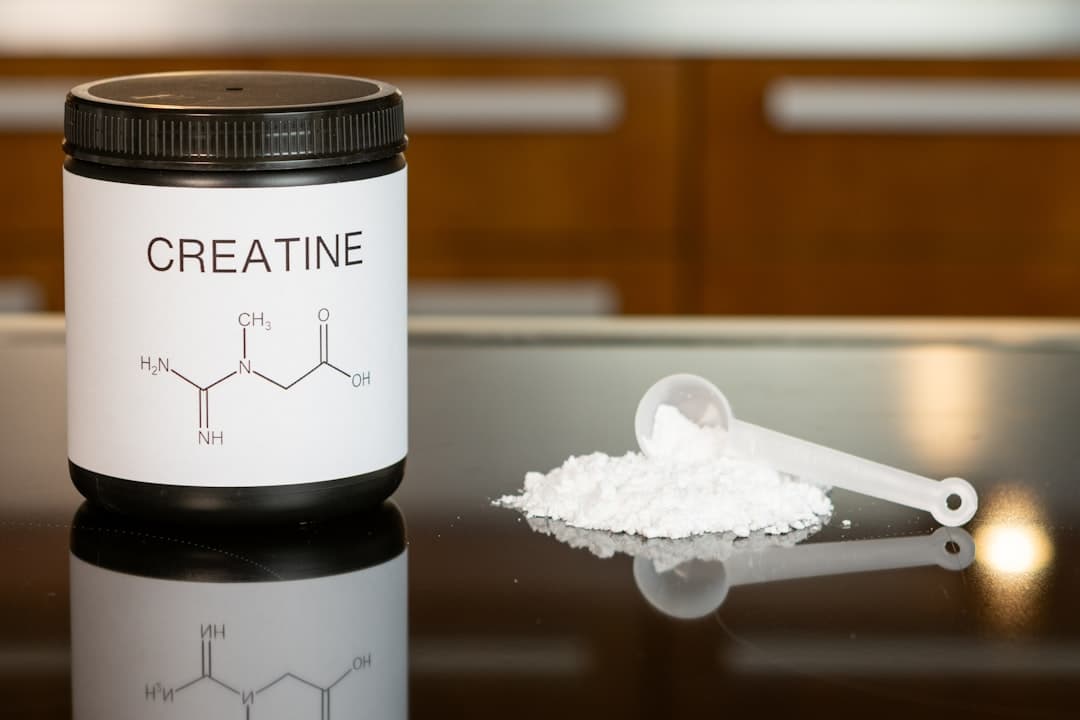
Creatine Quality Test: Micronized Powders Compared
Summary
This video takes a hands-on approach to a question many lifters have after seeing creatine trends on Instagram: are all “micronized” creatines the same? Two products labeled micronized are compared in real time using a kitchen scale, a 9 cc scoop to reach 5 grams, and a simple water-mixing test. The key insight is not that one dissolves instantly and the other does not, but that bulk density, particle fineness, and how much powder settles over time can look very different. Research still supports creatine monohydrate as effective, but quality and tolerability can vary.
🎯 Key Takeaways
- ✓Two “micronized” creatines can look and behave differently, even when both weigh 5 g, because bulk density and particle size distribution may not match.
- ✓In the test, one powder appeared lower density and finer, and showed less settling over time in water, a practical proxy for dispersion.
- ✓Micronization is framed as a strategy to reduce gritty texture and possibly lessen GI upset for some people, even if immediate stirring looks similar.
- ✓Quality claims (origin, manufacturing standards, labeling) matter, but simple at-home tests cannot confirm purity or detect contaminants.
- ✓Creatine monohydrate is widely supported for strength and lean mass gains, but people with kidney disease, pregnancy, or complex medical histories should check with a clinician first.
Why creatine quality matters when everyone is taking it
Creatine is one of the most talked-about muscle-building supplements for a reason: it supports high-intensity performance and can help people train harder.
But when a supplement becomes an Instagram staple, marketing terms start to blur. “Micronized” is one of those terms, it sounds scientific, and it is often used like a guarantee of superior quality.
This video’s unique angle is refreshingly practical: open two bags in real time, weigh the same 5 g dose, and see whether the powders actually behave like the labels imply.
Did you know? Creatine monohydrate is one of the most studied sports supplements, and position statements from groups like the International Society of Sports NutritionTrusted Source describe it as effective for performance and lean mass when paired with training.
The video’s real-time test: scoop size, 5 g weight, and bulk density
The comparison is between Myioscience micronized creatine and Lineage micronized creatine, with the Lineage bag ordered from Amazon and opened on camera.
Step 1: Match the dose, not the scoop
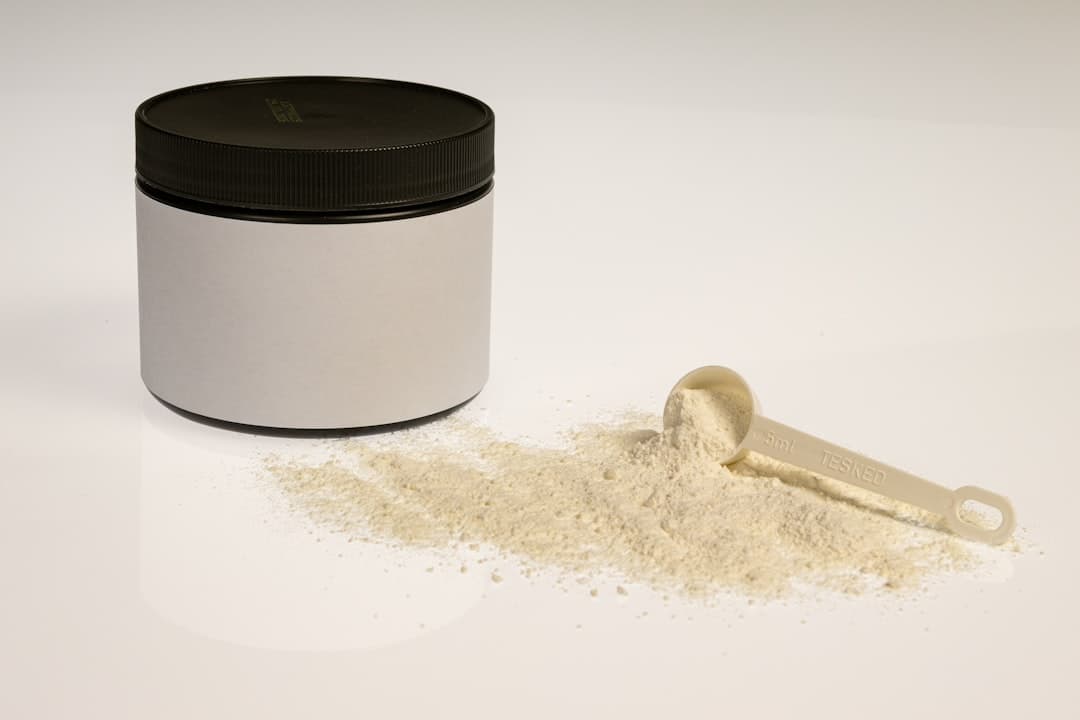
A key moment is the decision to standardize the test around 5 grams, not “one scoop.” A 9 cc scoop is used, the scale is tared, and the powder is leveled to reach the target weight.
That matters because scoop volume is not the same thing as grams. If two powders pack differently, a scoop can drift from the label dose.
The standout observation: bulk density looks “wildly different”
Even before water is involved, the visual difference is the point. The Myioscience powder is described as having a much lower bulk density, and looking “more micronized” compared with the other product.
In plain terms, bulk density is how much mass fits into a given volume. Two products can both be “micronized” and still have different particle size distributions, different flow properties, and different packing behavior.
Pro Tip: If you use a scoop, periodically weigh it. A “5 g scoop” can be 3 to 7 g depending on powder density, humidity, and how tightly you pack it.
Water mixing, settling, and the GI comfort argument
Next comes the kitchen-counter version of a dispersion test: mix each 5 g serving into water and watch what happens.
At first, both appear to stir in “pretty well.”
Then the more interesting part shows up over time. The Myioscience creatine remains more evenly suspended, while the Lineage product shows more settling at the bottom. The argument is straightforward: less settling suggests better ongoing dispersion, which in theory could mean a smoother drinking experience and possibly fewer stomach complaints for some users.
Why micronization is framed as a GI strategy
The discussion highlights a common downside: creatine can cause gastrointestinal distress in certain people. The proposed mechanism in the video is practical, not overly technical: if a powder disperses better, it may be easier to tolerate.
Research does show that creatine monohydrate is generally well tolerated for most healthy adults when used appropriately, and safety has been evaluated in many trials and reviews, including summaries from the International Society of Sports NutritionTrusted Source. Still, individual tolerance varies, and people who get cramping, bloating, or diarrhea often do better with smaller doses, better mixing, or taking it with food.
Important: If you have kidney disease, unexplained changes in kidney labs, are pregnant or breastfeeding, or take medications that affect kidney function, check with a clinician before using creatine. Self-testing powders in water cannot assess medical safety.
Common misconceptions: what “micronized” can and cannot tell you
“Micronized” is not a regulated seal of superiority.
This video’s perspective challenges the assumption that the word means the same manufacturing standard across brands. Two bags can both say micronized, yet differ in bulk density and how quickly they settle.
Here are the big misconceptions this test helps surface:
What the research shows: Reviews and position statements consistently conclude that creatine monohydrate improves high-intensity exercise capacity and training adaptations for many people when combined with resistance training, and is generally safe for healthy individuals at commonly used doses (ISSN position standTrusted Source).
»MORE: Want a simple label-check guide? Create a one-page “Creatine Buying Checklist” that you can screenshot, including dose, third-party testing, and how to verify lot numbers.
How to choose creatine more confidently (action checklist)
This video ends with a practical consumer message: if you get GI distress, consider a higher-quality micronized product, and pay attention to how it behaves in water.
Use this step-by-step approach to make your next purchase more evidence-informed.
Standardize your dose in grams, not scoops. Aim to measure 5 g if that is your chosen daily serving, using a scale at least occasionally. This reduces accidental underdosing or overdosing when powder density varies.
Check for transparency signals on the label. Look for clear ingredient naming (for example, “creatine monohydrate”), manufacturing standards like FDA current good manufacturing practices (cGMP)Trusted Source language, and any third-party testing statements.
Use a simple mixing test as a comfort check, not a purity test. Mixing 5 g into water and watching settling can help you predict texture and grit. It cannot confirm purity, heavy metals, or whether the product matches label claims.
If GI upset is your issue, adjust the way you take it. Some people tolerate creatine better when they split the dose (for example, smaller servings), mix thoroughly, or take it with a meal. If symptoms persist, pause and discuss with a clinician.
Q: If two products both say “micronized,” why would one look fluffier or settle more?
A: “Micronized” often means the powder has been processed to reduce particle size, but it does not guarantee the same particle size range or flow characteristics across brands. Differences in milling, sieving, humidity control, and packaging can change bulk density and how quickly particles sink in water.
Health Writer, MS (Evidence-Based Nutrition)
Q: Does better dispersion mean better absorption?
A: Better dispersion can improve the drinking experience and may reduce grit, which could matter for tolerance. Absorption depends on many factors, including dose, timing with food, and individual digestion, so a water test can suggest comfort, but it cannot prove superior absorption.
Health Writer, MS (Evidence-Based Nutrition)
Key Takeaways
Frequently Asked Questions
- Is micronized creatine better than regular creatine monohydrate?
- Micronized creatine is typically the same ingredient, creatine monohydrate, but processed to a smaller particle size. That may improve how it mixes and feels in a drink, and may help some people with tolerance, but it does not automatically prove higher purity.
- Why did one 5 g serving look bigger than the other in the video?
- Powders can have different bulk densities, meaning the same weight can take up more or less volume. Particle size, moisture, and how the powder packs can all change how “full” a scoop looks.
- Can a water-mixing test tell if creatine is contaminated?
- No. Watching how creatine disperses or settles can hint at texture and particle behavior, but it cannot detect contaminants or verify label accuracy. For that, look for third-party testing and transparent quality documentation.
- What should I do if creatine upsets my stomach?
- Some people do better with smaller split doses, thorough mixing, or taking creatine with food. If symptoms are persistent or severe, or if you have kidney-related conditions, it is wise to talk with a clinician before continuing.
Get Evidence-Based Health Tips
Join readers getting weekly insights on health, nutrition, and wellness. No spam, ever.
No spam. Unsubscribe anytime.