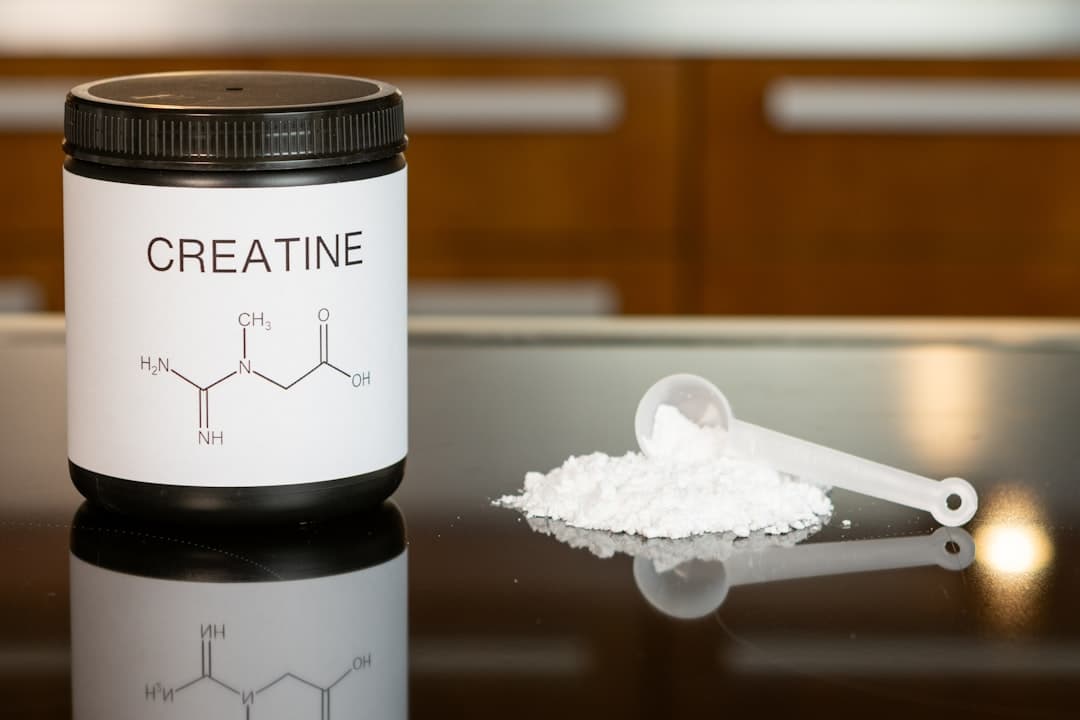
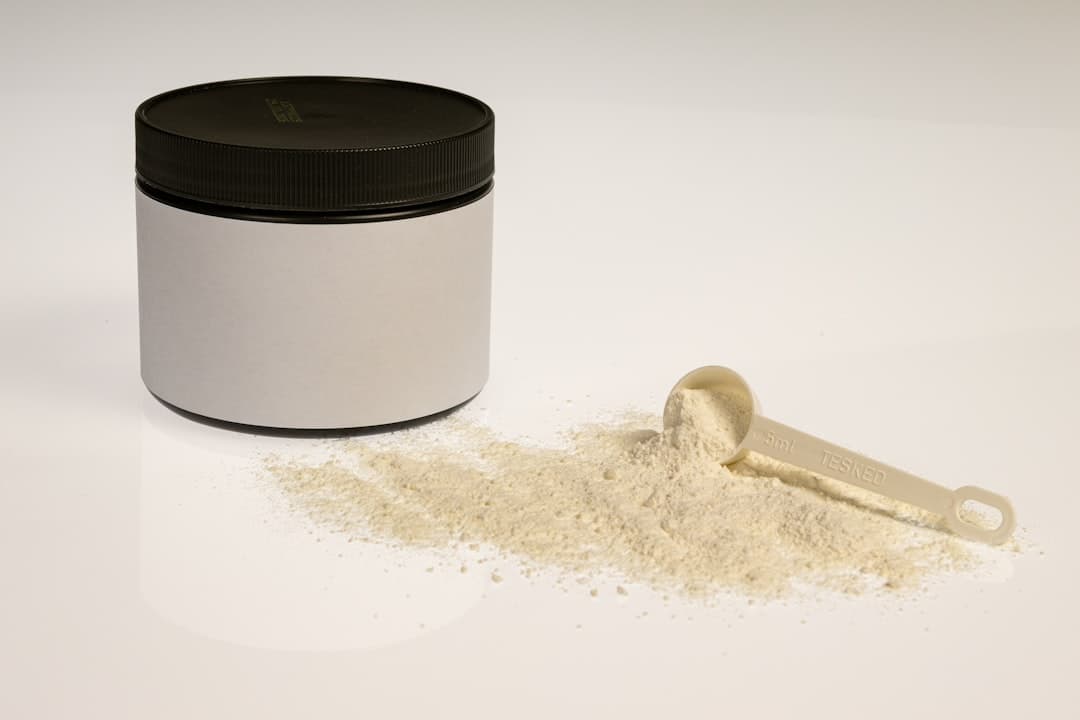
Creatine Source Matters, Purity, Solvents, and Dose
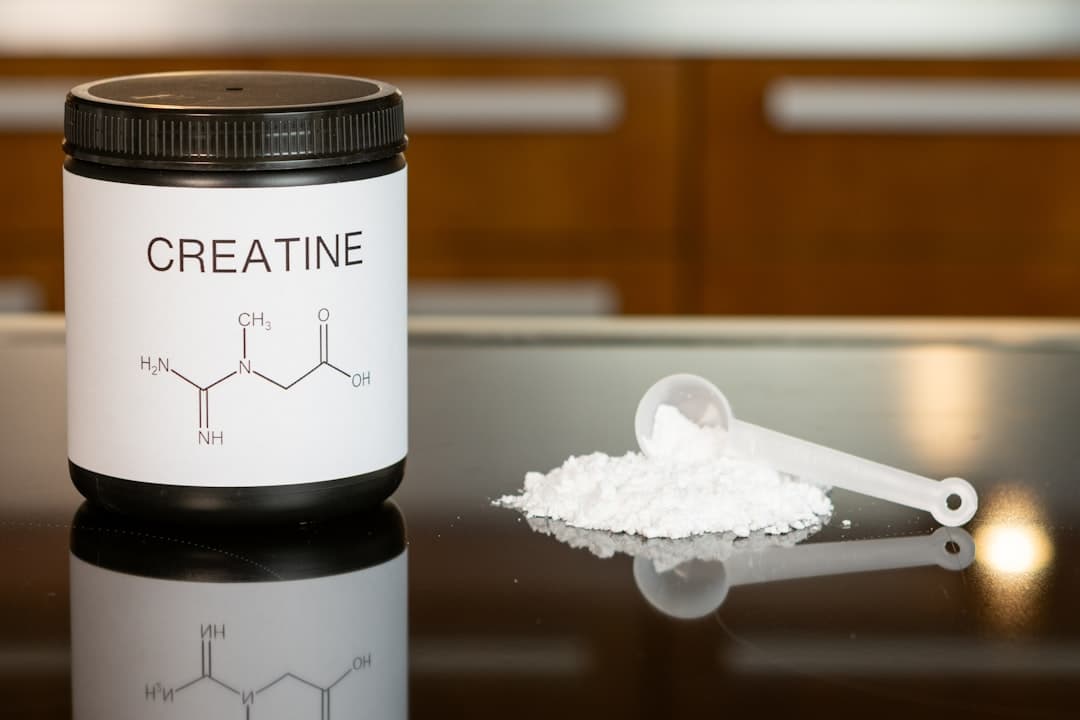
Summary
Creatine is one of the most used muscle building supplements, but this video argues the overlooked issue is not the label claim, it is the raw material source and how it is made. The key point is simple: people often take 5 to 20 grams a day, so even small impurities can matter more than they would in microgram dose supplements. The discussion contrasts end to end European, water-washed creatine (often sold as Creapure or similar European supply chains) with lower cost creatine commonly sourced from China, and explains creatine’s industrial synthesis from sarcosine and cyanamide derived from limestone.
🎯 Key Takeaways
- ✓This video’s core argument is dose based: creatine is typically taken at 5 to 20 grams per day, so sourcing and purity deserve extra attention.
- ✓Creatine is synthesized industrially, commonly from sarcosine plus cyanamide (derived from limestone), not extracted from meat.
- ✓The European end to end supply chain described emphasizes water washing and tighter control of inputs, with the goal of minimizing residual solvents and byproducts.
- ✓Lower cost creatine can be attractive, but the tradeoff raised here is potentially lower purity and more concern about residual processing chemicals.
- ✓Micronized creatine is framed as a practical option for people who get gastrointestinal discomfort with standard particle sizes.
- ✓Vegans and vegetarians may have more to gain from creatine because dietary intake from red meat and seafood is low or absent.
Creatine is not a “pinch” supplement.
When people use it for muscle and performance goals, they often take 5, 10, 15, even 20 grams per day. That single detail changes the whole risk and quality conversation.
This story starts in a manufacturing facility, with two bins of white powder behind the speaker. One is creatine made “end to end” in Germany and Europe, with European inputs, European processing, and a specific emphasis on water washing. The other is creatine made “end to end” in China, which the discussion frames as the most common source for inexpensive creatine sold online.
The unique perspective here is not that creatine works, that part is old news. The argument is that source and process matter more than people think because the daily dose is large and the product is industrially synthesized.
Why creatine sourcing suddenly matters when the dose is grams
If you take something in grams every day, tiny impurities stop being tiny.
Many supplements are taken in micrograms or milligrams. Think of vitamin B12 or folate, where a “big” dose might be 1,000 to 2,000 micrograms. Creatine is different. A common routine is 5 grams daily, and some people use 10 to 20 grams daily (for example during a loading phase or personal preference).
This framing emphasizes a practical point: a quality issue that might be negligible at microgram dosing can become more relevant when you are swallowing teaspoons of powder for weeks or months.
That does not mean most creatine is dangerous. It means the margin for “I have no idea where this came from” is smaller.
Important: If you are pregnant, breastfeeding, have kidney disease, or take medications that affect kidney function, talk with a clinician before using creatine. Large daily doses can be inappropriate for some people, and you deserve individualized guidance.
A behind the scenes look: Germany end to end vs China end to end
The video’s main contrast is simple and visual: two sources, two supply chains.
On one side is creatine made end to end in Germany and Europe, described as having European sourcing for key inputs such as the starting raw material, plus process steps like washing with water. The emphasis is control, repeatability, and cleanliness.
On the other side is creatine made end to end in China, described as what “most companies” sell online because it is dramatically cheaper. The speaker gives concrete numbers: around $8 per kilogram for the common China sourced material versus around $22 per kilogram for the European sourced material.
Cost is not just an accounting detail here. The argument is that pricing pressures shape decisions, especially when brands are owned by groups that prioritize margins. If a company can buy a raw material for one third the price, it can undercut competitors, spend more on marketing, or simply earn more.
But the tension in this story is not “cheap equals bad” in a blanket way. It is more nuanced: the cheaper option may be fine, yet the buyer should recognize that quality control and purification standards can differ.
The purity claim in the video
The discussion also introduces a purity distinction: the lower cost material is described as roughly 84% material, while the European material is described as about 99% purified.
In real world supplement buying, you rarely see “84%” on a front label. You see “creatine monohydrate, 5 g.” The video’s point is that the label does not tell you everything about how clean that 5 g is.
Did you know? In the United States, dietary supplements are regulated as a category of food, not as drugs, and manufacturers are responsible for ensuring quality and safety before sale. The FDA explains these rules and limitations in its supplement overview hereTrusted Source.
How creatine is actually made (and why that surprises people)
Creatine in a tub is usually synthesized, not “extracted from steak.”
A lot of people assume creatine is mined, pressed, or somehow pulled from animal foods. The video challenges that assumption by walking through a simplified manufacturing story.
Creatine is naturally found in red meat and seafood, and that is how many omnivores get some creatine in the diet. But the powdered creatine sold in supplements is typically made through industrial synthesis.
The speaker describes creatine as being synthesized from sarcosine (an amino acid derivative) mixed with cyanamide, with cyanamide described as derived from limestone. Limestone is discussed as being connected to industrial processes associated with coal manufacturing.
A key clarification is repeated because it sounds alarming at first: cyanamide is not cyanide. Similar sounding words, different chemicals.
This matters for two reasons.
First, it explains why creatine is often considered vegan from a manufacturing standpoint. It is not produced by grinding up animal tissue, and it does not require animal inputs.
Second, it explains why the conversation keeps returning to purification. If a compound is synthesized, the quality conversation naturally includes questions like: What were the inputs, what reagents were used, what byproducts can form, and how was the final material washed and tested?
What the research shows: The International Society of Sports Nutrition position stand concludes that creatine monohydrate is the most effective ergogenic supplement for increasing high intensity exercise capacity and lean mass, and it summarizes extensive safety data in healthy populations hereTrusted Source.
Purity, byproducts, and the solvent question
The video’s most pointed claim is not about creatine’s benefits. It is about what else might come along for the ride.
This perspective highlights a specific worry: if a creatine source uses certain solvents or has less stringent purification, there could be residual compounds that are “not health promoting.” The speaker mentions examples such as benzene and toluene as the kinds of solvents people worry about in manufacturing contexts.
To be clear, reputable manufacturers should have specifications and testing that limit contaminants. But the argument here is that not all supply chains are equal, and the consumer often cannot tell the difference from a product photo on an ecommerce listing.
A practical implication is that third party testing matters more when daily intake is large. If you are taking 5 to 20 grams daily, you may want a brand that can show identity, purity, and contaminant testing. In supplement quality language, you might look for:
Short version: the video’s quality lens is dose plus process. High dose plus unknown process is the combination it pushes back against.
Pro Tip: If a creatine brand cannot answer “Where is the raw material made?” and “Do you test for heavy metals and residual solvents?”, consider that a useful signal, even if the label looks polished.
Micronized vs unmicronized: the practical gut tolerance angle
Sometimes the issue is not the creatine, it is the particle size.
A surprisingly practical section of the video is about micronized versus unmicronized creatine.
Micronized creatine is described as having much smaller particles, which can make it mix more easily and feel more “water soluble” in a shaker. The speaker’s real world point is about tolerance: if you have tried creatine and noticed gastrointestinal distress, switching to micronized may help.
This is not framed as a superiority claim for muscle building results. It is framed as a user experience fix.
The discussion also includes a concrete packaging detail that illustrates how different micronized powder can be: the micronized material is described as “fluffy,” with 10 kilograms fitting in a box that could otherwise hold 25 kilograms of unmicronized material. That is an operational detail, but it reinforces that these are physically different powders.
When unmicronized may be fine
Unmicronized creatine is described as more affordable and perfectly workable for many people, especially those with what the speaker calls a “hearty gut.”
If you tolerate it well, you may not need to pay extra for micronized purely for comfort.
Who may benefit most: vegans, vegetarians, and low meat diets
The video makes a clear, specific point about diet patterns.
Creatine is naturally present in red meat and seafood. If you do not eat those foods, your dietary creatine intake is likely lower. That is why the discussion highlights vegans and vegetarians as groups that may stand to benefit the most from creatine supplementation.
This is a useful lens because it ties supplementation to a real dietary gap rather than hype. It also helps explain why some people feel more noticeable effects than others. If you start lower, you may notice more.
Research also supports that creatine supplementation can increase muscle creatine stores, and it can improve performance in repeated bouts of high intensity exercise. For a broad overview of creatine’s established uses and safety considerations, the NIH Office of Dietary Supplements creatine fact sheet is a helpful starting point hereTrusted Source.
Q: If creatine is “synthetic,” does that mean it is not vegan or not safe?
A: “Synthetic” in this context mainly means it is made through controlled chemical synthesis rather than extracted from animals. That is why many creatine products are considered compatible with vegan diets. Safety depends less on the word synthetic and more on dose, individual health factors, and quality control testing.
Mike Mutzel, health educator and supplement manufacturer (as presented in the video)
How to shop for creatine like a quality control person
Buying creatine is usually treated like buying a commodity. This video argues you should treat it more like buying a high dose ingredient.
Here is a practical, non dramatic way to apply the video’s approach.
Start with the dose you actually plan to take. If you are taking 5 grams daily, quality still matters. If you are taking 10 to 20 grams daily, quality matters more because exposure is higher. If you are unsure what dose is appropriate for you, it is reasonable to discuss it with a clinician, especially if you have medical conditions.
Ask “Where is the raw material made end to end?” The video’s main distinction is not where the brand is headquartered, it is where the raw material is manufactured and purified. Some brands package in one country but source raw material elsewhere.
Look for evidence of purification and testing, not just marketing. Useful signals include a lot specific COA and clear contaminant testing. If you are a tested athlete, consider a recognized third party certification.
Choose micronized if mixing or stomach comfort is a recurring problem. If you have had bloating, cramping, or loose stools with creatine, a different particle size may be worth trying before you give up entirely. Also consider splitting the dose and taking it with food, if your clinician agrees.
Be realistic about price. The video gives a blunt economic reality: raw material can be $8/kg versus $22/kg depending on source and purification. If a product is dramatically cheaper than competitors, it is fair to wonder where the savings came from.
A final nuance from the video is worth keeping: the speaker does not claim all China sourced creatine is inherently bad. The point is that you should not assume all creatine is equivalent.
»MORE: If you are comparing brands, make a simple checklist: raw material origin, lot specific COA availability, heavy metals testing, residual solvents testing (if provided), third party certification (if needed), and whether it is micronized.
A quick word on “Creapure” style labeling
The video references well known European sourced materials such as Creapure, and also mentions another European raw material used in the speaker’s products. In general, branded raw materials can be a clue about supply chain traceability, but they are not a guarantee by themselves.
If you see a branded source claim, it is still reasonable to ask for testing documentation.
Q: Is it worth paying more for European, water-washed creatine?
A: The value depends on your priorities. If you take higher doses (for example 10 to 20 grams per day), have a long time horizon, or simply want tighter control over potential impurities, paying more for a source with strong documentation may feel worth it. If cost is the main constraint, look for any reputable brand that can show identity and contaminant testing.
Mike Mutzel, health educator and supplement manufacturer (as presented in the video)
Key Takeaways
Frequently Asked Questions
- Is creatine naturally found in food?
- Yes. Creatine is naturally present in foods like red meat and seafood. People who eat little or none of these foods may have lower dietary creatine intake.
- Why does creatine source matter more than some other supplements?
- Creatine is commonly taken in large doses, often 5 grams daily and sometimes 10 to 20 grams. With higher daily intake, differences in purity, contaminants, and manufacturing controls may matter more.
- What is micronized creatine, and who might prefer it?
- Micronized creatine has smaller particles that may mix more easily in water. People who get stomach upset or gritty texture from regular creatine may find micronized versions more tolerable.
- Is synthesized creatine considered vegan?
- In many cases, yes. The video explains that supplemental creatine is typically synthesized from non animal inputs, even though creatine in the diet is found in animal foods.
- What quality documents should I look for when buying creatine?
- A lot specific certificate of analysis (COA) is a strong starting point, ideally including assay, microbiology, and heavy metals, and sometimes residual solvents. If you are a tested athlete, a recognized third party certification may also help.
Get Evidence-Based Health Tips
Join readers getting weekly insights on health, nutrition, and wellness. No spam, ever.
No spam. Unsubscribe anytime.