Muscle Building
Muscle Building focuses on the development and strengthening of muscle tissues through various techniques such as resistance training, nutrition, and recovery protocols. It encompasses topics like hypertrophy, weightlifting, anabolic processes, protein intake optimization, and the physiological adaptations to strength training. This niche also addresses muscle-related conditions, recovery strategies, and the impact of lifestyle choices on muscle growth and performance.
Explore Topics
In-depth topics to explore in Muscle Building.
Muscle: Complete Guide
Muscle is far more than “strength” or aesthetics. It is a metabolically active tissue that powers movement, protects joints, supports glucose control, and helps you stay capable as you age. This guide explains how muscle works, why it matters for health, how to build and maintain it safely, and what modern research suggests about training, nutrition, and recovery.
Amino Acids: Complete Guide
Amino acids are the raw materials your body uses to build and repair proteins, including muscle tissue, enzymes, hormones, and immune molecules. This guide explains how amino acids work, what “essential” really means, how to meet your needs with food or supplements, and how to use amino acids strategically for muscle, metabolic health, and healthy aging.
Creatine: Complete Guide
Creatine is one of the most studied supplements for improving high-intensity performance, strength, and lean mass, with growing evidence for benefits in brain energy and healthy aging. This guide covers how creatine works, who it helps most, how to dose it, what side effects to watch for, and what the research actually supports.
Anabolic: Complete Guide
Anabolic processes are the body’s “build mode”: they repair and build tissues like muscle, bone, and connective tissue using energy and nutrients. This guide explains how anabolism works, how to support it with training, protein, sleep, and smart supplementation, and where the biggest risks appear, especially when people chase results with hormones or black market performance drugs.
Natural: Complete Guide
Natural muscle growth means building muscle without performance-enhancing drugs, using training, nutrition, recovery, and smart progression. This guide explains the biology of hypertrophy, practical programming and diet targets, realistic expectations, common mistakes, and how to stay healthy while maximizing results.
All Articles

Ozempic vs Natural Weight Loss for Women Over 40
If you are a woman over 40 and weight loss feels harder than it used to, the real question is not “Ozempic or natural?” It is “How do I lose fat without losing muscle?” This video’s perspective is muscle-first: GLP-1 drugs can be helpful for satiety, “food noise,” inflammation, and insulin sensitivity, but only when paired with protein targets, daily movement, resistance training, sleep, and body composition tracking. The central caution is rapid weight loss, especially at high doses, because it often means too much lean mass loss and a slower metabolism later.
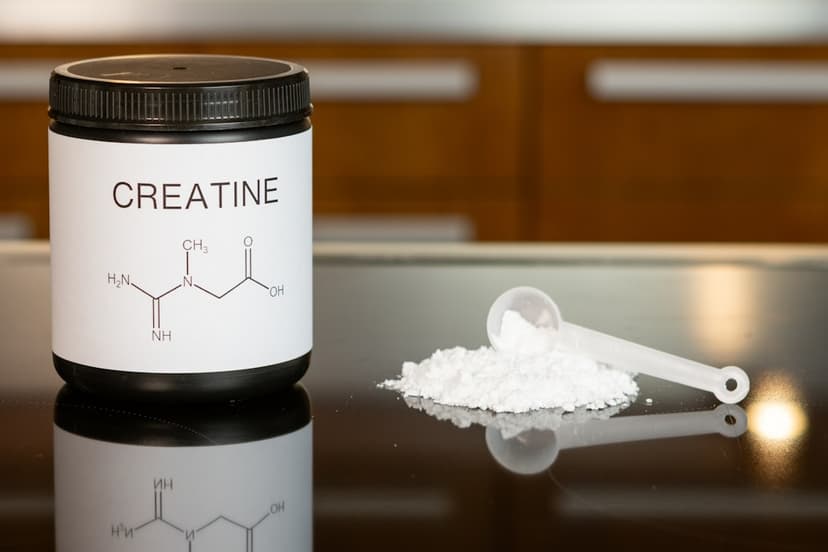
Creatine Best Practices, Attia Style, Simple and Safe
Creatine is framed here as a low-risk, modest-reward supplement with unusually strong safety data, but the details matter. The video’s unique angle is not a new “fancy” form of creatine, it is about doing the basics well: choose plain creatine monohydrate, keep the ingredient list clean, and consider pairing it with electrolytes (sodium, potassium, magnesium) to support uptake into working muscle. The discussion also flags a practical lab nuance: serum creatinine can be confusing, especially if you supplement, eat lots of meat, or have kidney concerns. If you have kidney disease or an unexplained high creatinine, involve your clinician before supplementing.

High-Dose Creatine and Brain Function in Dementia
If you have watched a loved one struggle to find words or follow a story, you know how badly we want simple tools that might help. This video spotlights a small but intriguing 8-week pilot study in clinically diagnosed dementia: 20 grams of creatine per day (10 g twice daily) was linked to better performance on standardized cognition tests compared with baseline. The discussion also tackles a common fear, kidney harm, and points to possible brain energy mechanisms. It is promising, but not proof, because the study did not include a placebo group.

The “Aging Powerfully” Muscle Blueprint After Menopause
Aging “gracefully” is not the goal in this approach, aging powerfully is. The video’s core argument is that muscle quality (strength plus power) is the best kept secret for protecting bones, brain, mood, and independence after menopause. The plan starts with mindset, then builds a daily movement floor (8,000 steps), hard resistance training with compound lifts, short HIIT intervals, and carefully scaled jumping for bone and fast-twitch power. Nutrition is framed as muscle “building blocks,” especially 100 grams of protein per day minimum and creatine HCl (about 750 mg to 1 g). Recovery, particularly sleep and heat, is treated as where you actually rebuild.
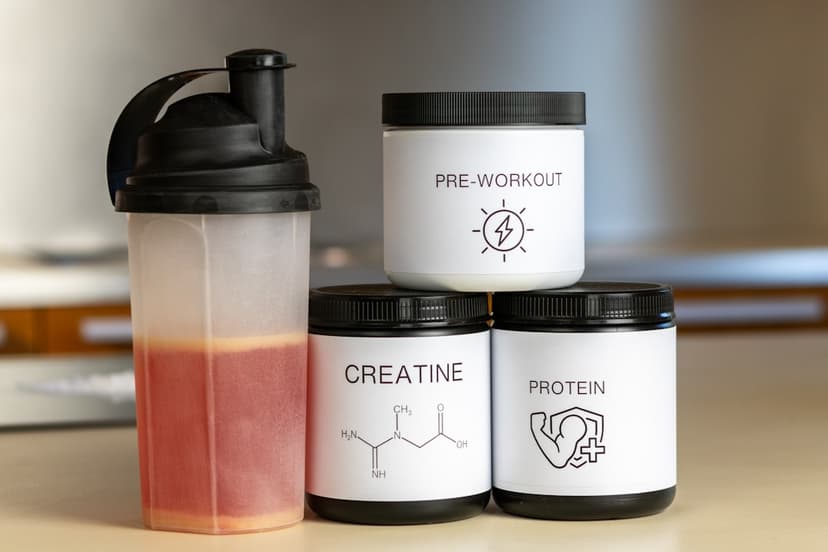
Collagen vs whey protein for muscle recovery
For muscle recovery, whey protein is usually the more direct choice because it provides all essential amino acids, including leucine, that help trigger muscle protein synthesis. Collagen can still be useful, especially for tendons, joints, and connective tissue support, but it is not a complete protein on its own. Some people use both, depending on training goals, digestion, and overall daily protein intake.
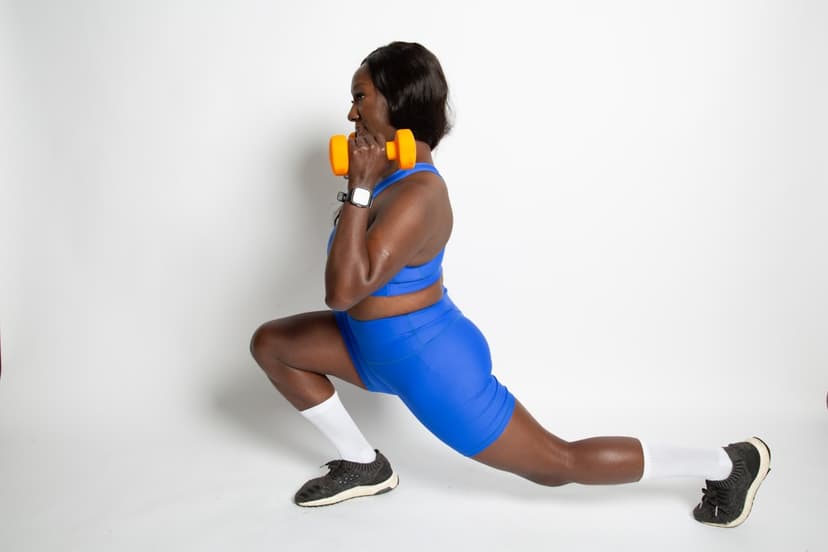
Creatine for Women: The 3 to 5 g Daily Dose
Many women avoid creatine because they expect “bulky” weight gain or think it is only for bodybuilders. In this video, Dr. Stacy Sims argues that women often benefit from a simpler approach: 3 to 5 grams once daily, without adding carbohydrate and without a loading phase. Her framing is that women tend to have lower creatine stores than men and may use creatine for more than gym performance, including brain metabolism and gut health. She also points to randomized trials where creatine alongside standard care was associated with improved mood outcomes in women.
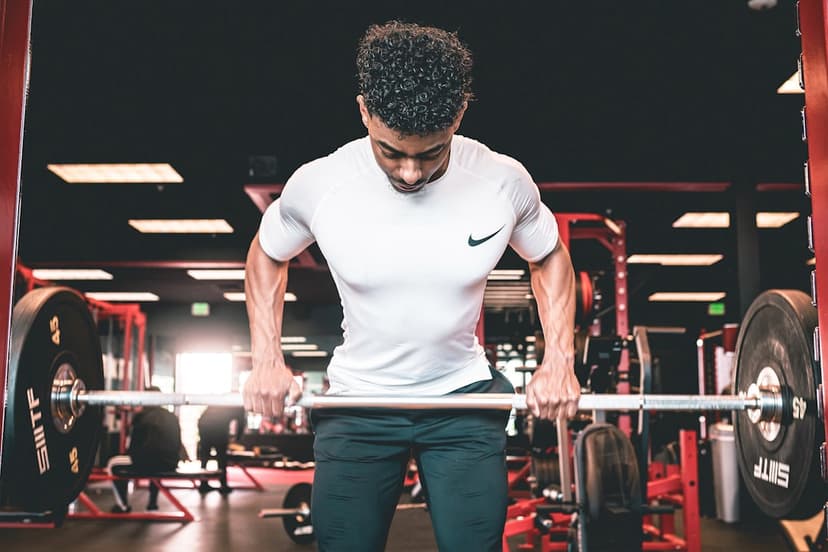
Low Muscle Mass and Early Death Risk, What to Do
Most people think “health” means doing more cardio and getting leaner. This video flips the focus, low muscle mass may be one of the strongest predictors of earlier death, including cardiovascular related mortality. Using large US (NHANES) and South Korean (K-NHANES) datasets, the discussed study links low muscle mass with higher major adverse cardiovascular event mortality, and even higher risk when paired with insulin resistance. The practical takeaway is action-oriented, train all major muscle groups with enough weekly sets, use mostly compound lifts, aim for challenging rep ranges, and support training with adequate protein and sensible supplementation.
Creatine Monohydrate vs HCl: What to Choose
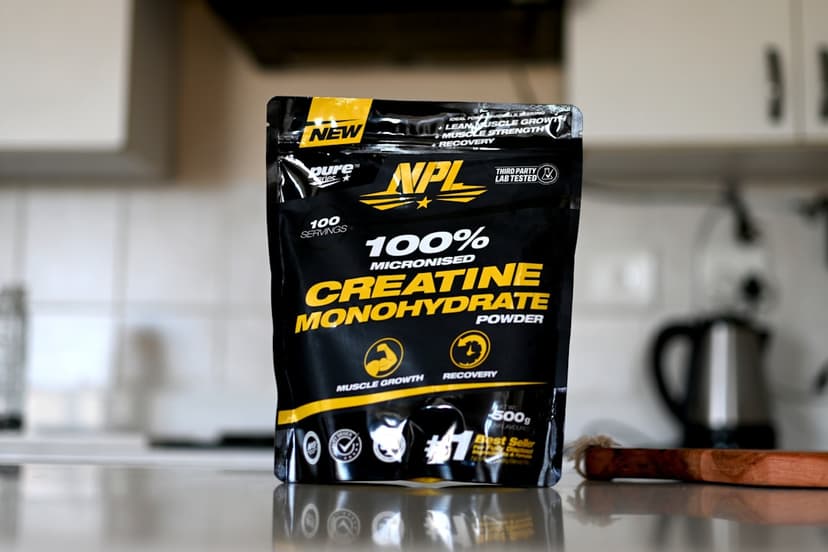
Creatine is often treated like a bodybuilding-only supplement, but this video frames it as a basic energy nutrient your body already stores, roughly 120 to 140 grams. The unique angle is the speaker’s shift from avoiding creatine to recommending it widely, then rethinking monohydrate after widespread complaints about bloating and stomach issues, especially among women. The discussion argues creatine HCl may absorb better, require smaller doses (around 750 mg), and feel easier on digestion. It also highlights an “amplification” idea: pairing creatine with magnesium and taurine may support harder training and better recovery.
Creatine Source Matters, Purity, Solvents, and Dose
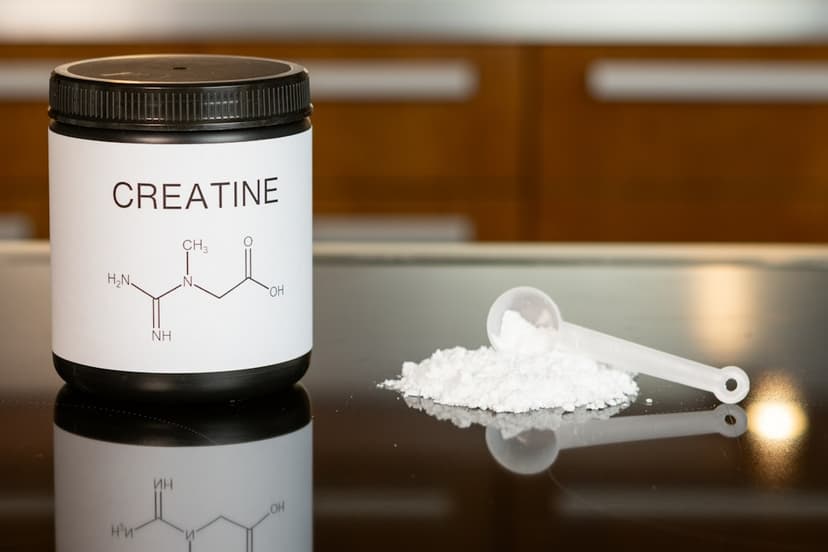
Creatine is one of the most used muscle building supplements, but this video argues the overlooked issue is not the label claim, it is the raw material source and how it is made. The key point is simple: people often take 5 to 20 grams a day, so even small impurities can matter more than they would in microgram dose supplements. The discussion contrasts end to end European, water-washed creatine (often sold as Creapure or similar European supply chains) with lower cost creatine commonly sourced from China, and explains creatine’s industrial synthesis from sarcosine and cyanamide derived from limestone.

How to Avoid Regaining Weight: Build Muscle First
If you have ever lost weight, then watched it creep back, this perspective argues it is not a willpower flaw, it is biology. The video highlights that most people regain a large portion of lost weight, often regaining fat faster than muscle, which can worsen body composition over time. The core strategy is to treat **muscle** as “metabolic gold” by prioritizing resistance training and adequate protein, especially for women 40+. The goal is not just a smaller scale number, it is a healthier metabolism, steadier blood sugar handling, and better long-term strength.
Pavel Tsatsouline’s Strength-First Fitness at Any Age
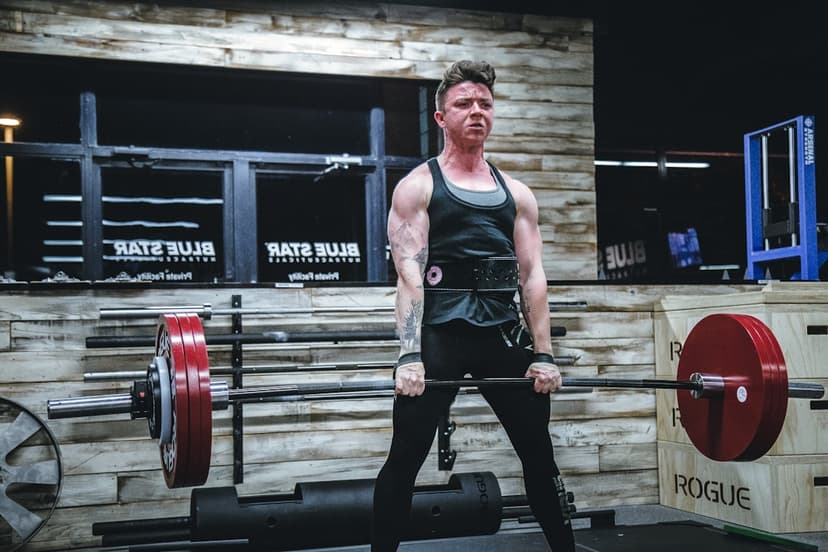
This article unpacks Pavel Tsatsouline’s core message that strength is the foundation for nearly every other fitness quality, including endurance, speed, and even flexibility. Instead of chasing exhaustion or constant variety, the approach prioritizes a small set of high-carryover lifts, practiced frequently with submaximal effort and excellent technique. You will learn the “grease the groove” method, why avoiding failure can protect skill and recovery, how grip and breathing can amplify full-body strength, and how older adults can build impressive capability with patient, structured practice.
How to Do Cardio Without Losing Muscle
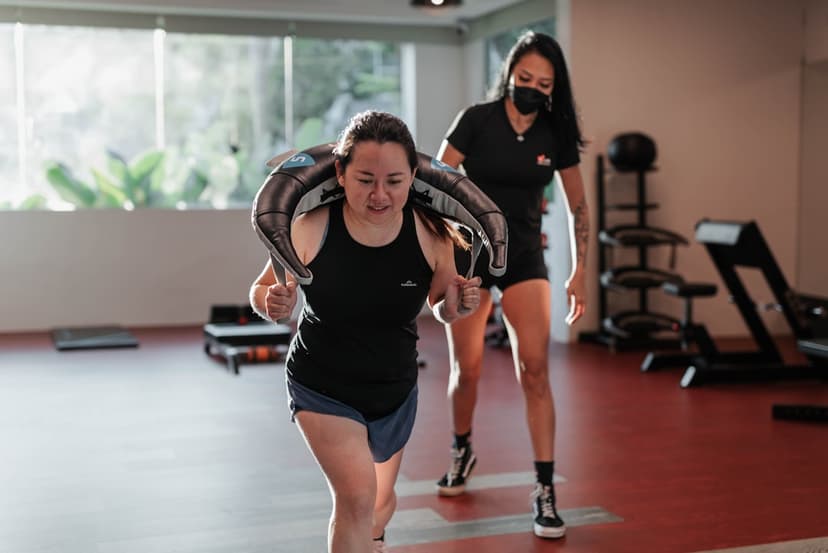
Worried cardio will “kill your gains”? This video’s core message is practical: you can build muscle and improve conditioning if you manage timing, impact, and recovery. Do most cardio after lifting or in a separate session, keep high-intensity work lower impact (like cycling or elliptical), and separate high-impact sports or running from leg days by 1 to 2 days. Then track your strength as a reality check. Even if there is a small interference effect, consistency with lifting, sleep, and eating enough often matters more for long-term progress.

Why Unhealthy Muscle May Drive Metabolic Syndrome
This video argues that metabolic syndrome is less a standalone diagnosis and more a visible sign of **unhealthy skeletal muscle**. The core idea is investigative: follow the clues, elevated fasting blood sugar, high triglycerides, larger waist circumference, inactivity, and higher body fat, and they keep pointing back to muscle as a major site for glucose disposal and metabolic “storage.” The practical takeaway is not a quick fix, it is a lifestyle pattern: stimulate muscle through **contraction**, especially resistance training, and avoid “overpacking the suitcase” with more energy intake than inactive muscle can handle.

Creatine for Brain, Muscle, and Energy, Practical Guide
Creatine is often framed as a muscle supplement, but this video’s core message is simpler and broader: creatine helps your body recycle ATP, the “currency” of cellular energy, in high-demand tissues like muscle, brain, and retina. Using a money analogy, the speaker explains how creatine expands your phosphocreatine “reserve,” which can matter during explosive exercise and cognitively demanding days. The video also argues some groups may have a functional creatine shortfall (for example, vegans, vegetarians, and some women who eat little red meat). Research generally supports creatine monohydrate for performance and suggests potential cognitive benefits in specific settings like sleep deprivation.
Make Your First Meal a Strength-Building Lever
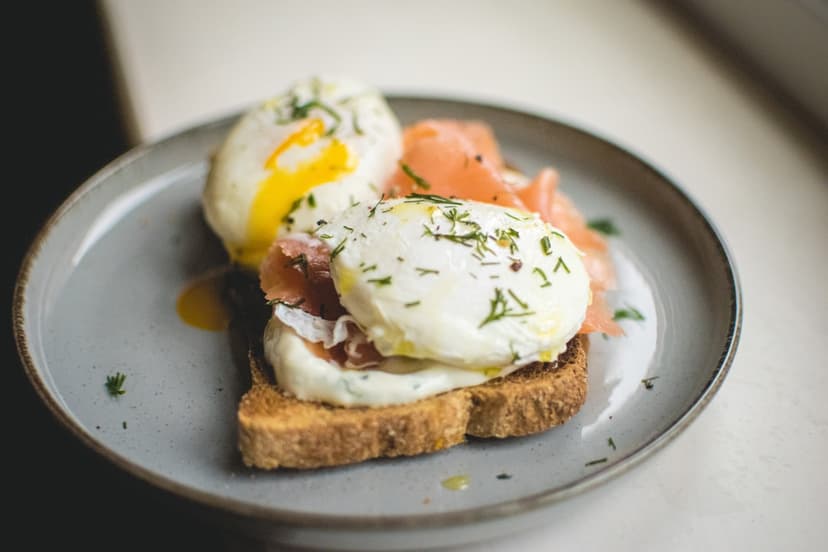
If you are trying to get stronger, the video’s core message is simple: stop treating breakfast like an afterthought. This perspective argues that the first meal after an overnight fast is the meal with the most meaningful research attention, and it should be prioritized, not replaced with coffee plus toast or a muffin. The bigger point goes beyond gym goals. Building muscle is framed as building physical infrastructure that may protect independence later in life, including after falls and during serious illness.

Build Strength and Endurance Without Fighting Yourself
Most people try to “do it all” every week, then wonder why progress stalls. The video’s core message is that strength and endurance training can interfere with each other, so your best tool is smart timing and smart priorities. Heavy, low-rep lifting needs you fresh, but it tolerates endurance later the same day. Hypertrophy-focused lifting can be done while a bit tired, but it benefits from limiting endurance for about 36 to 48 hours afterward. A third option, sets of five, sits in the middle and needs protection on both sides. Finally, the expert suggests rotating emphasis across months, push strength for a block, then shift outdoors in summer while maintaining lifting volume.

Creatine for Kids and Adults Over 65, A Practical Guide
Creatine is usually framed as a gym supplement, but this video argues it is closer to a “conditionally essential” nutrient that matters for brain and muscle energy, especially for kids and adults over 65. The discussion leans on narrative reviews suggesting creatine can support growth, body composition, cognition, and physical function, while also criticizing proposed restrictions for minors. You will also get the speaker’s practical playbook: creatine monohydrate as the preferred form, an optional short loading phase, daily maintenance dosing, and why taking it with food, electrolytes, or around exercise may improve uptake.

GLP-1 Weight Loss: The Muscle Loss Catch to Know
GLP-1 receptor agonists can be game-changing for weight loss because they reduce appetite at the brain level. The catch is that when appetite drops, people often eat less of everything, including protein. This perspective emphasizes that inadequate protein, especially without resistance training, can lead to meaningful muscle loss alongside fat loss, with trials suggesting a large share of weight lost may be lean mass. The practical fix is simple but not easy: prioritize protein (about 1.6 g per kg of target body weight) and lift weights 2 to 4 times per week, with your clinician’s guidance.
Why Muscle, Not Body Fat %, May Predict Health
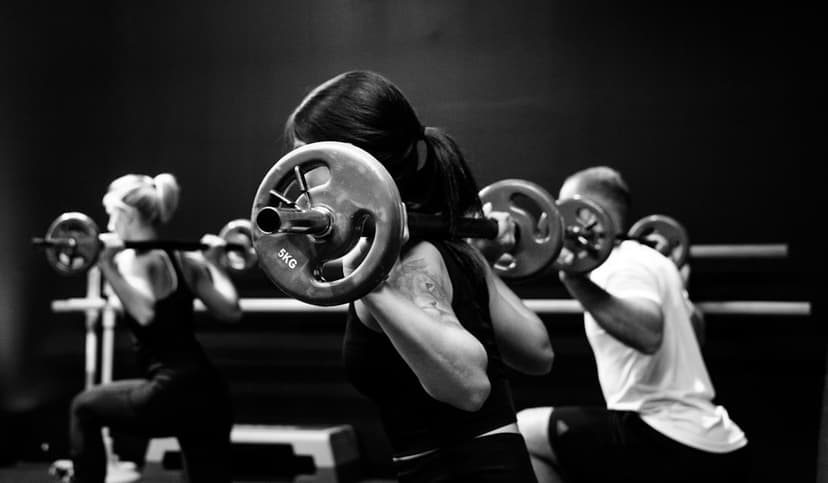
If you have ever seen someone with a higher body fat percentage but “perfect labs,” you have bumped into the puzzle this video tackles. The core idea is muscle-first health: skeletal muscle is framed as the key system you can voluntarily improve, and doing so may support metabolic, cardiovascular, cognitive, and sexual health. The twist is not “fat does not matter,” but that location may matter more, especially *intramuscular adipose tissue* (fat within muscle). Because it is hard to measure, it is often ignored, yet it may track metabolic dysfunction trajectories in conditions like PCOS.

The Creatine Mistake: Timing, Form, Electrolytes
The biggest creatine mistake in this video is treating it like a generic, one-size-fits-all powder, then dry scooping it after training and wondering why results or stomach comfort are inconsistent. The approach here is practical: stick with creatine monohydrate, use timing that matches your goal (often before or during training), and pair creatine with electrolytes to support absorption and cellular uptake. The video also highlights context-specific dosing, including higher short-term doses (around 20 g/day) when sleep deprived or dealing with jet lag, and potentially different needs for long-term vegans or vegetarians.

3g Glycine for Nocturia: Sleep 8 Hours Straight
If you fall asleep easily but keep waking at 1 or 2 a.m. to pee, the video frames this as a “false alarm” problem, not always a full-bladder problem. The core idea is simple: 3 g of glycine about 60 minutes before bed may quiet bladder-to-brain signaling so sleep stays intact. The routine also emphasizes fluid timing, alcohol and caffeine cutoffs, pelvic floor and glute strengthening, and optional add-ons like 1 g taurine, split-dose magnesium glycinate, morning creatine, and evening carb timing. Track your nights and check with a clinician if you use diuretics or have prostate, kidney, or pregnancy considerations.
Creatine: The Overlooked Energy Nutrient for Muscle
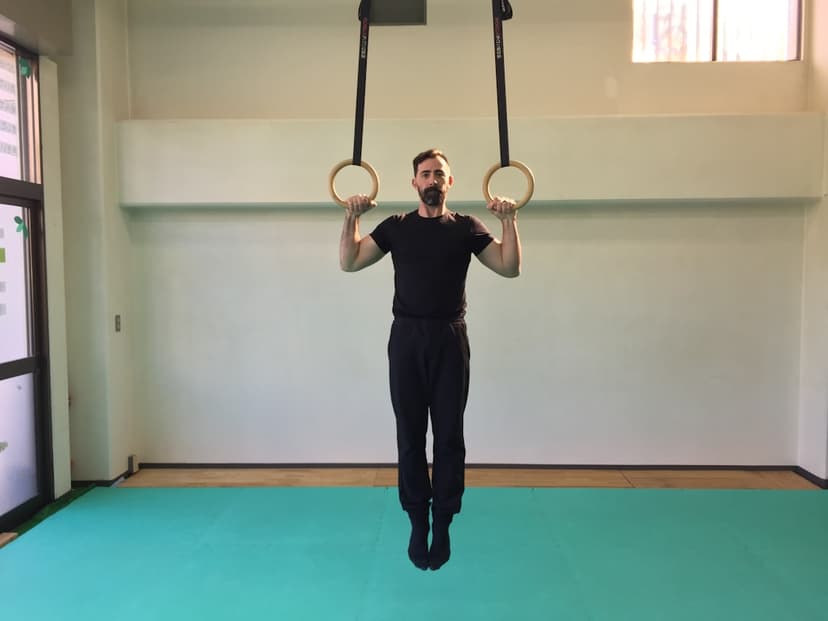
Creatine is often treated like a “gym supplement,” but the video’s core message is broader and more practical: creatine is an energy buffer that helps your body recycle ATP, especially in high-demand tissues like skeletal muscle and the brain. The discussion connects creatine to strength, training performance, sleep deprivation, jet lag, and even hearing stress from loud concerts. It also argues that many adults fall short on dietary creatine, especially if they eat little red meat or fish. You will learn dosing ranges (2.5 to 5 g daily, plus optional loading), timing (often pre-workout), absorption considerations (electrolytes and movement), and key safety caveats to review with a clinician.

Animal Protein, Cancer Risk, and What NHANES Found
Is a steak really a cancer risk, or is that story oversimplified? This article breaks down a video’s core claim, a 20-year NHANES analysis found no adverse association between animal or plant protein intake and all-cause, cardiovascular, or cancer mortality. Notably, higher animal protein intake showed a small inverse association with cancer mortality, while IGF-1 levels were not linked to mortality outcomes. You will also get practical, muscle-building oriented guidance on interpreting nutrition epidemiology, choosing protein sources, and understanding where creatine fits, without turning one study into a blanket rule.
Creatine Quality Test: Micronized Powders Compared
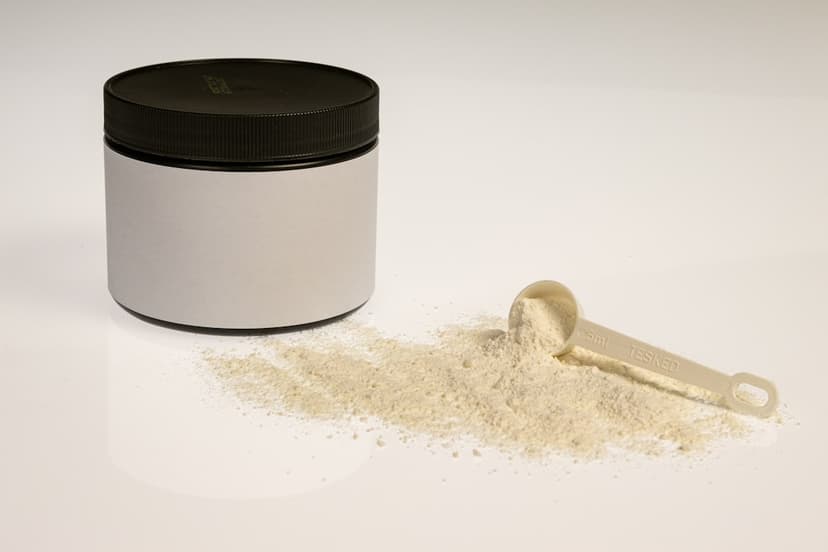
This video takes a hands-on approach to a question many lifters have after seeing creatine trends on Instagram: are all “micronized” creatines the same? Two products labeled micronized are compared in real time using a kitchen scale, a 9 cc scoop to reach 5 grams, and a simple water-mixing test. The key insight is not that one dissolves instantly and the other does not, but that bulk density, particle fineness, and how much powder settles over time can look very different. Research still supports creatine monohydrate as effective, but quality and tolerability can vary.
Can You Absorb 100g Protein in One Meal?
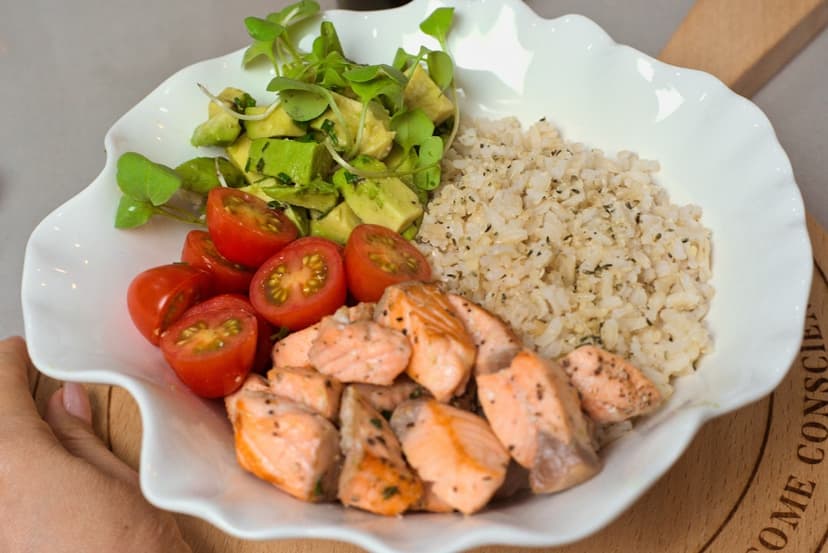
The video tackles a common gym myth, that your body can only absorb 30 to 40 grams of protein per meal. The expert calls this false and points to newer research suggesting that even a 100-gram protein meal can still increase muscle protein synthesis. The practical takeaway is reassuring, if you end the day short on protein, it can be better to eat a larger protein serving rather than skip it. This perspective emphasizes that your total daily protein intake matters most, while meal size and timing are secondary details.
Best Workout Split for Muscle, a Science-Based Take
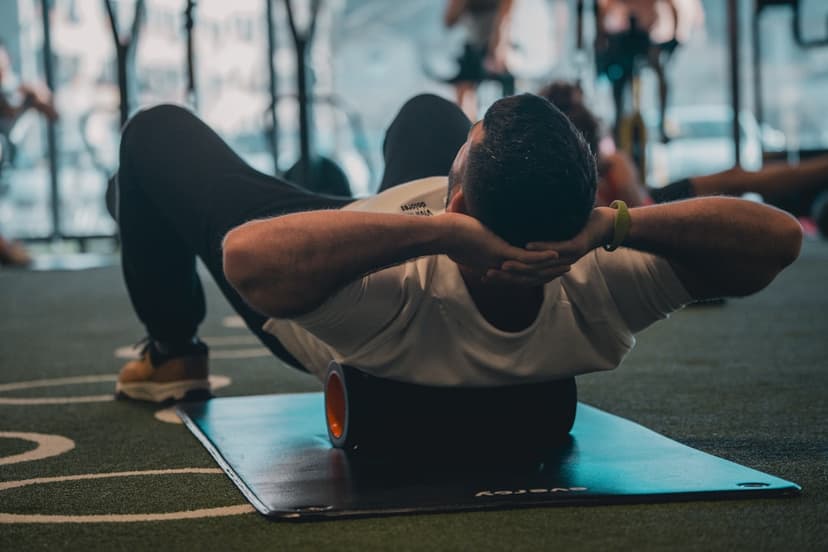
If you have ever bounced between push pull legs, a bro split, and full body training, the most useful question is not, “Which is perfect?” It is, “Which can I repeat consistently?” This video ranks common splits with a practical lens: full body and 4-day upper lower land in the top tier for most people, while push pull legs is strong but can be a lot for beginners. The most unique takeaway is the “S tier plus” hybrid the speaker used in a 365-day experiment, where they reported their best gains in years.

Creatine for Brain Energy, Muscle, and Healthy Aging
Creatine is usually marketed for muscle, but this video frames it as a foundational “energy buffer” for high-demand tissues, including skeletal muscle, brain, eyes, inner ear cells, and even the placenta. The key idea is simple: your body stores limited ATP, and creatine helps rapidly recycle ATP when energy demand spikes, during hard training, intense focus, sleep loss, or aging. The discussion also highlights creatine’s indirect antioxidant role through more efficient mitochondrial respiration. You will also learn practical dosing, why electrolytes may matter for uptake, and common misconceptions about hair and kidneys.

3 Lifting Lessons: Effort, Focus, Patience
Early lifting can feel confusing, slow, and noisy, especially online. This video’s core message is refreshingly simple: you do not need three sets of everything, you need one or two sets you actually push hard, especially through the last reps that burn and slow down. It also argues that social media “optimization” matters far less than showing up and doing basic lifts consistently. Finally, it reframes slow progress as normal, not failure, and encourages judging results over months, not days, because muscle growth takes time.

Get Jacked on $10 a Day vs $10,000: What Matters
Most people assume getting muscular requires expensive food, elite coaching, and fancy recovery tools. This video’s experiment challenges that idea by comparing a $10 day (four budget meals, cheap caffeine, low-cost gym) to a $10,000 day (float tank, Michelin-trained chef, top hypertrophy coach, spa recovery). The key theme is simple: muscle-building results mainly come from training hard, hitting calories and protein, and sleeping well. Money can help with taste, convenience, and coaching, but it is rarely required for progress if your basics are solid.
5 Women’s Supplements for Stress, Fog, and Training
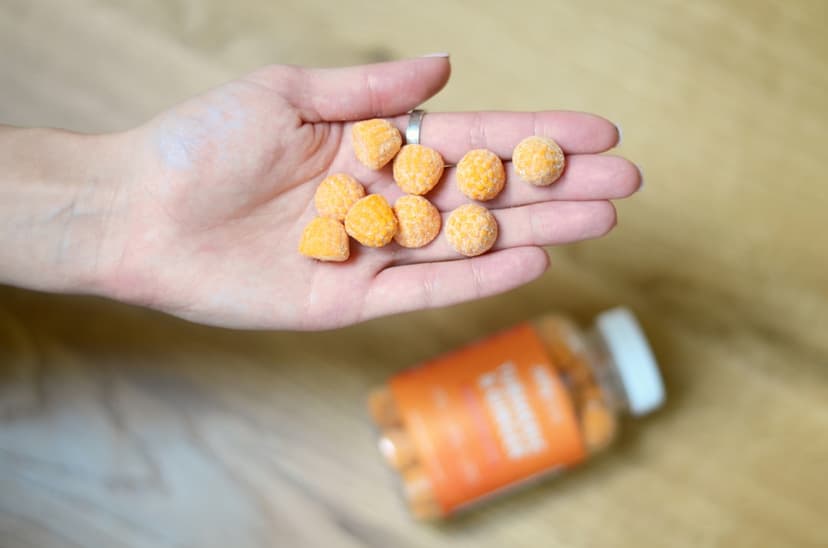
The video’s core message is practical: supplements should fill real gaps, not replace food, and the first filter is quality. The expert shares a short list she uses regularly, protein powder, creatine monohydrate (3 to 5 g daily), omega-3s, and two adaptogens (rhodiola and ashwagandha). She also clarifies a common misconception: collagen is for structure (joints, skin, hair), not for counting toward daily protein for muscle. This article translates that viewpoint into everyday steps, with safety notes for thyroid meds and tips for choosing clean, third-party tested products.
Science vs Bro Training: Who Builds More Muscle?
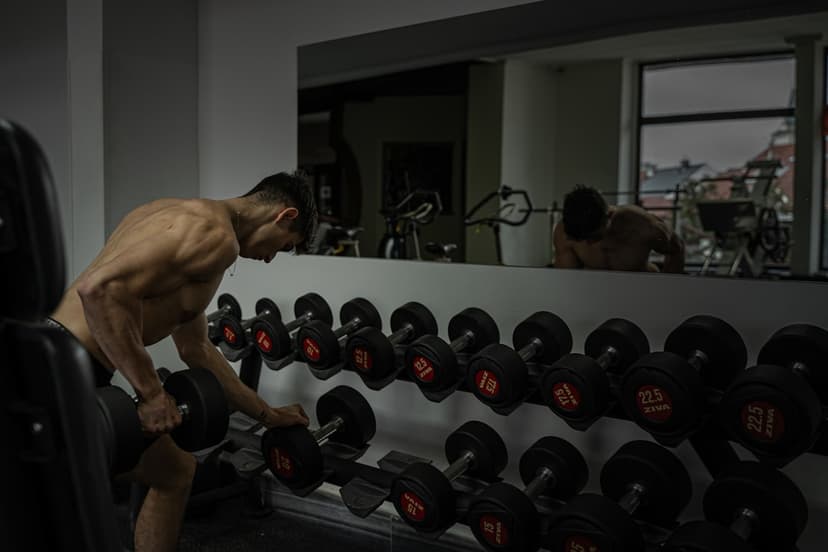
A common gym puzzle is whether the “science guy” (always following the latest research) or the “bro” (training hard by feel) gains more muscle. The video’s take is refreshingly balanced: both approaches contain key truths. Getting close to failure is a big driver of growth, and so is using a variety of exercises to hit a muscle from multiple angles. If both lifters stay natural and train consistently, the science-guided lifter may edge out more muscle and fewer injuries long term, but the real-world difference is often smaller than people expect.
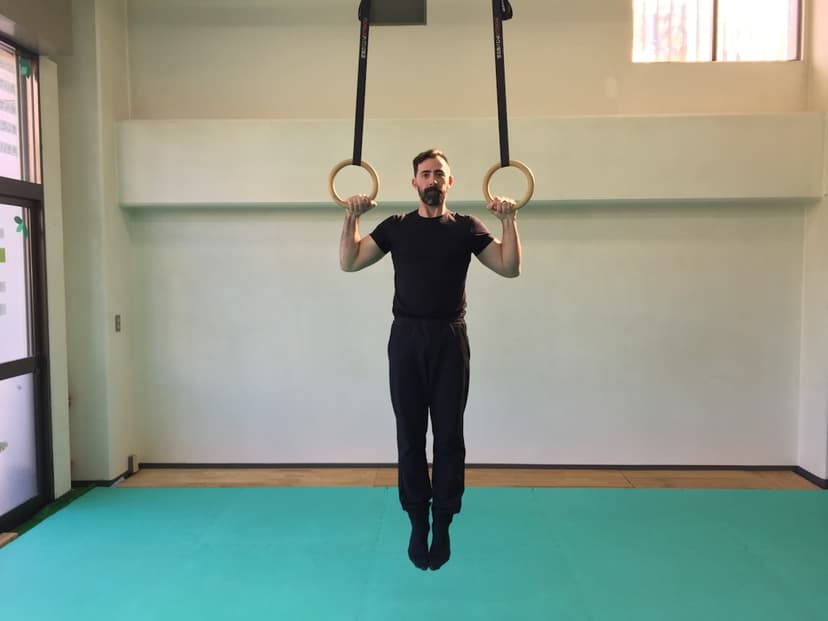
Cheat Reps vs Strict Form: What Builds Muscle Safely?
You are curling, the last reps feel impossible, and you instinctively swing a little to finish the set. This video explores that exact moment with a simple but surprising experiment: beginners trained one arm with strict reps and the other with cheat reps for 8 weeks. Both arms grew about the same. The catch is that strict form achieved similar growth with lighter weights, which may reduce joint and tendon stress over time. The practical takeaway is not that cheating is “bad”, but that load, control, and long-term safety should guide your choice.

Budget Muscle Building: Achieve Your Fitness Goals for $8 a Day
This video’s core takeaway is practical: muscle building does not have to be expensive if you anchor your day around a few high-protein staples and keep “extras” minimal. The $8-a-day framework stacks protein across five moments, a smoothie breakfast (48 g), a chicken wrap lunch (43 g), a turkey stir fry post-workout (46 g), and a Greek yogurt snack before bed (27 g). It also budgets for 5 g creatine, a multivitamin, low-cost caffeine, an inexpensive gym membership, and a macro-tracking app. The bigger point is consistency, not perfection.