The “Aging Powerfully” Muscle Blueprint After Menopause
Summary
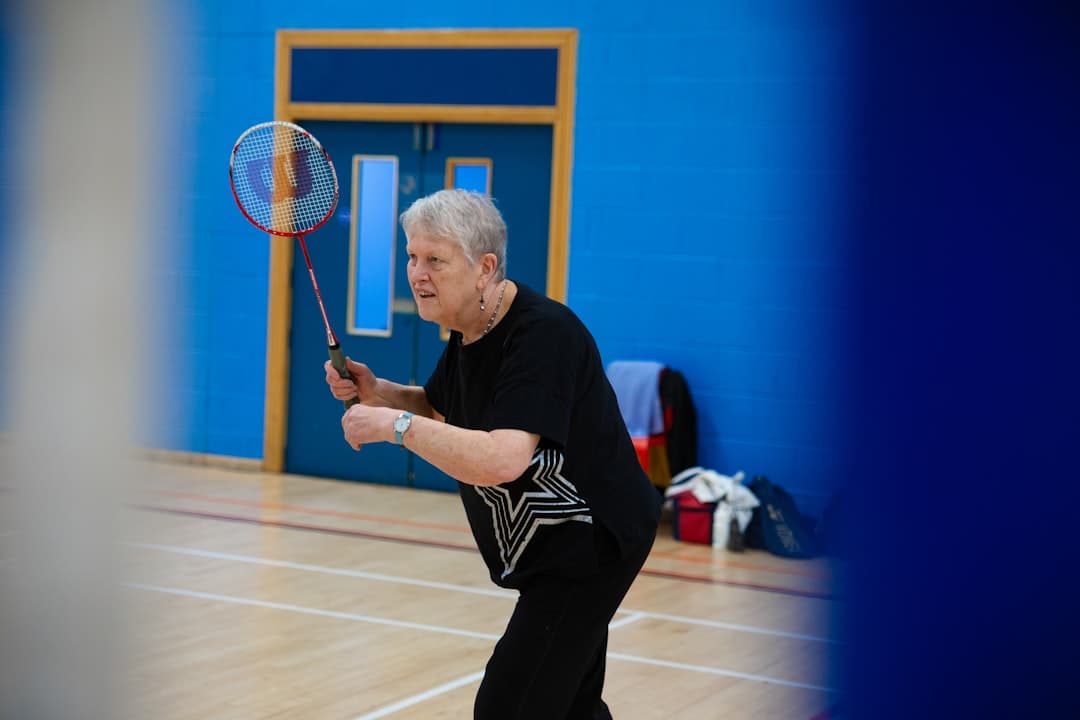
Aging “gracefully” is not the goal in this approach, aging powerfully is. The video’s core argument is that muscle quality (strength plus power) is the best kept secret for protecting bones, brain, mood, and independence after menopause. The plan starts with mindset, then builds a daily movement floor (8,000 steps), hard resistance training with compound lifts, short HIIT intervals, and carefully scaled jumping for bone and fast-twitch power. Nutrition is framed as muscle “building blocks,” especially 100 grams of protein per day minimum and creatine HCl (about 750 mg to 1 g). Recovery, particularly sleep and heat, is treated as where you actually rebuild.
Aging powerfully, the moment that changed the frame
The video opens with a blunt, unsettling picture: after menopause, bone mineral density can “fall off a cliff,” and osteoporotic fractures can be life-altering.
One example the speaker returns to is the hip fracture scenario, not as a scare tactic, but as a reframing. If a fracture leads to a steep loss of independence and a real risk of serious complications, then “fitness” is no longer about looking toned. It becomes about staying alive, staying mobile, and staying you.
That shift is the backbone of the whole message. The goal is not to “age gracefully,” a phrase the speaker treats as a cultural script that quietly lowers expectations. The goal is to age powerfully, meaning strong, capable, and increasingly confident about what your body can do.
Did you know? Hip fractures in older adults are linked with substantial disability and higher mortality risk in the year after the fracture, especially in frailer individuals. Public health summaries highlight hip fracture as a major threat to independence and survival in later life (CDC, Older Adult FallsTrusted Source).
The investigative question underneath the video is simple: if the stakes are this high, what is the highest leverage training and nutrition strategy for the decades after menopause?
Why this approach centers on muscle (not just “more cardio”)
A lot of healthy-aging advice defaults to walking and “staying active.” This viewpoint does not reject walking, it builds on it, but it argues that walking alone is an incomplete plan.
Here is the case: starting around age 30, people can lose muscle mass over time, and strength and power may decline even faster. The speaker emphasizes three distinct traits:
Power is the sleeper issue. You can be a consistent walker and still lose the fast, explosive capacity that helps you catch yourself when you trip, get up quickly, or move out of the way.
This is where the “best kept secret” claim comes from. The argument is that muscle quality is protective across multiple systems.
Not just bones.
The discussion links postmenopause to elevated risks that span bone, brain, mood, and cardiometabolic health. While the exact numbers can vary by study and population, the broader pattern is well established: menopause is a transition point where body composition, bone density, and cardiometabolic risk can change. Major medical organizations describe menopause as a time when bone loss accelerates and fracture risk increases (NIH Osteoporosis OverviewTrusted Source).
What’s interesting about this approach is that it treats muscle like an endocrine organ. When you contract muscle, it releases chemical messengers often called myokines (the video uses “myocin”), which are being studied for potential roles in inflammation, metabolism, and brain health. Research reviews describe muscle as a secretory organ and discuss how exercise-induced myokines may influence systemic health (Nature Reviews Endocrinology, skeletal muscle as an endocrine organTrusted Source).
So the “muscle first” strategy is not only about aesthetics or even mobility. It is framed as a whole-body intervention.
Mindset first, the 7.5-year idea and what it changes
This plan starts in a place many training programs ignore: mindset.
The speaker argues that deciding to make your next decades your best decades is not motivational fluff. It is part of the intervention. The video points to research suggesting that positive beliefs about aging are linked with longer life, and it uses a striking figure, about 7.5 years.
That number is consistent with widely cited findings that more positive self-perceptions of aging were associated with longer survival in older adults, even after adjusting for relevant factors (Levy et al., 2002Trusted Source).
This matters in a very practical way. If you believe decline is inevitable, you unconsciously choose maintenance behaviors. You do what feels “safe,” you avoid intensity, and you stop practicing skills that require effort.
If you believe you can build capacity, you train.
The trade-off: confidence versus caution
Aging powerfully is not a license to ignore joint pain, dizziness, pelvic floor symptoms, or prior injuries. But it is a pushback against the quiet, culturally approved form of undertraining.
The speaker’s line, “don’t wish this was easier, make yourself stronger,” is essentially an anti-fragility philosophy. The body adapts to what you repeatedly ask it to do.
Your new baseline, NEAT and the 8,000-step floor
Before “exercise,” the video sets a baseline: NEAT, short for non-exercise activity thermogenesis. It is the movement you do all day that is not a workout, like walking while you take calls, doing errands, cleaning, and taking stairs.
The speaker shares a revealing example from a client: she worked out frequently, yet on gym days she was only getting about 3,000 steps. That is the trap. Structured workouts can coexist with a low-movement lifestyle.
Then comes a concrete, investigable claim: the average person may get roughly 3,000 to 4,000 steps per day, and the video suggests 8,000 steps as the floor.
The “why” is cardiovascular risk. Large observational studies have found that higher step counts are associated with lower all-cause mortality and, in some analyses, lower cardiovascular mortality. Benefits tend to rise with more steps, with diminishing returns at higher levels (JAMA Internal Medicine step count studyTrusted Source).
This is not about chasing a perfect number. It is about creating a daily baseline that keeps your system from deconditioning.
Pro Tip: If 8,000 steps feels far away, add 10 minutes of walking after two meals. Many people are surprised how quickly that builds a reliable “movement floor,” without needing more willpower.
How to raise NEAT without “adding a workout”
The underlying trade-off is time and attention. Steps take time. But the video’s argument is that the alternative is worse: the less you do, the less you can do.
Lift heavy things, the “train for life” strength template
If there is one mantra in the video, it is this: lift heavy things.
Not tiny dumbbells.
The point is not to shame lighter weights. It is to highlight a common mismatch between goal and stimulus. If the goal is to preserve or rebuild muscle, bone loading, and functional strength, the training has to be challenging enough to force adaptation.
This approach emphasizes compound, functional movements that cross multiple joints, because life is not an isolation exercise. You do not “biceps curl” a suitcase. You hinge, brace, and carry.
A practical template from the video includes:
The key insight here is that strength training is not just “gym performance.” It is rehearsal for daily life, with better form and progressive challenge.
Important: If you have osteoporosis, significant joint disease, uncontrolled high blood pressure, recent surgery, or symptoms like chest pain or fainting with exertion, it is wise to talk with a clinician or a qualified physical therapist before starting heavy lifting. Safe programming often depends on your history and current capacity.
What “hard resistance training” can look like in real life
Hard does not have to mean reckless.
It can mean you choose a weight where the last few reps feel difficult while your form stays controlled. Many strength guidelines describe training at a moderate-to-high intensity as effective for building strength and muscle, with progression over time (American College of Sports Medicine resistance training position standTrusted Source).
A simple starting structure, consistent with the video’s spirit, could be 2 to 4 days per week of full-body training, focusing on those big patterns. You might do 2 to 4 sets per movement, and adjust reps and load based on experience.
The trade-off is recovery. Hard lifting is a stressor. You do not “win” by doing it every day if you cannot recover.
Add intensity, HIIT for stress tolerance, lactate, and visceral fat
The next lever is high-intensity interval training (HIIT).
The video contrasts HIIT with steady-state aerobic work. Both can support cardiovascular health, but HIIT is presented as uniquely useful for training the nervous system to handle stress and for building metabolic flexibility.
A simple example used is intervals during a walk:
If you cannot run, the video suggests alternatives like biking hard for a minute, climbing stairs, or doing a burst of bodyweight moves like air squats.
The mechanism discussed includes lactate. During intense work, lactate rises. Lactate is not just “waste,” it can be used as fuel, and it is being studied for roles in signaling and adaptation in muscle and brain. Research reviews describe lactate as an important metabolic intermediate and signaling molecule during exercise (Cell Metabolism review on lactateTrusted Source).
The video also highlights visceral adipose tissue, the fat stored around internal organs, which is associated with cardiometabolic risk. Exercise, including interval training, can help reduce visceral fat in many people, though results vary by intensity, consistency, and diet (Harvard Health, visceral fat and exerciseTrusted Source).
A key nuance: HIIT is effective, but it is also demanding. If sleep is poor, life stress is high, or you are already doing heavy lifting, HIIT can become “one stressor too many.” The video indirectly solves this by treating recovery as a core pillar.
What the research shows: Many studies find HIIT can improve cardiorespiratory fitness efficiently, sometimes with less total time than moderate-intensity continuous training, though individual tolerance and safety considerations matter (AHA scientific statement on HIITTrusted Source).
Jumping as a power and bone strategy (and who should be cautious)
Jumping is the most provocative recommendation in the video.
It sounds risky, and for some people it is.
But the logic is consistent: you lose power and fast-twitch capacity with age, and many women’s routines skew toward lower-intensity, endurance-style movement. If you only practice slow movement, you may become very good at slow movement.
Jumping is presented as a two-for-one:
The speaker suggests starting small, like adding a gentle hop to air squats, then progressing to sets like 10 squat jumps, and later jumping onto a box.
The trade-off: bone stimulus versus joint and fall risk
Impact training can be useful, but it is not universally appropriate. People with established osteoporosis, prior fractures, significant balance impairment, or pelvic floor symptoms may need modification and medical guidance.
Bone health organizations often recommend weight-bearing and muscle-strengthening exercise for bone, and they also emphasize safety and individualized plans for those at higher fracture risk (Bone Health and Osteoporosis Foundation exercise guidanceTrusted Source).
A practical “investigative” way to think about it is: can you land softly, control your knees and hips, and maintain balance? If not, you may build toward impact with step-downs, brisk incline walking, loaded carries, and strength work first.
Q: I have osteopenia or osteoporosis, does that mean I should never jump?
A: Not necessarily. Some people can tolerate carefully progressed impact training, while others need lower-impact options that still load bone, like heavy resistance training, step-ups, and brisk walking on inclines.
The safest plan depends on your fracture history, balance, spine health, and medications. A clinician who knows your bone density results can help you decide what level of impact is appropriate.
Jordan Ellis, MS, CSCS (strength and conditioning coach)
Fuel the rebuild, protein targets, leucine threshold, and creatine HCl
Training is the stimulus.
Food provides the building blocks.
This viewpoint is blunt about a common pattern: many women under-eat protein, and the need may increase with age due to anabolic resistance, meaning the body may require a stronger stimulus (protein plus resistance training) to build or maintain muscle.
Research reviews support higher protein targets for many older adults, often above the minimum RDA, particularly when the goal is preserving lean mass and function (PROT-AGE Study Group recommendationsTrusted Source).
Protein targets used in the video
The video gives specific numbers:
The video also highlights the role of essential amino acids, and especially leucine, as a trigger for muscle protein synthesis. Many researchers describe a “leucine threshold” concept, where enough leucine in a meal is needed to maximally stimulate muscle protein synthesis, particularly in older adults (Nutrients review on leucine and aging muscleTrusted Source).
If you eat mostly plant proteins, the video flags a nuance: some plant proteins are lower in certain essential amino acids. That does not mean plant-based diets cannot work, but it often means you need more total protein and more careful variety (for example, mixing legumes, soy, and higher-leucine options).
Creatine HCl, the video’s supplement “favorite”
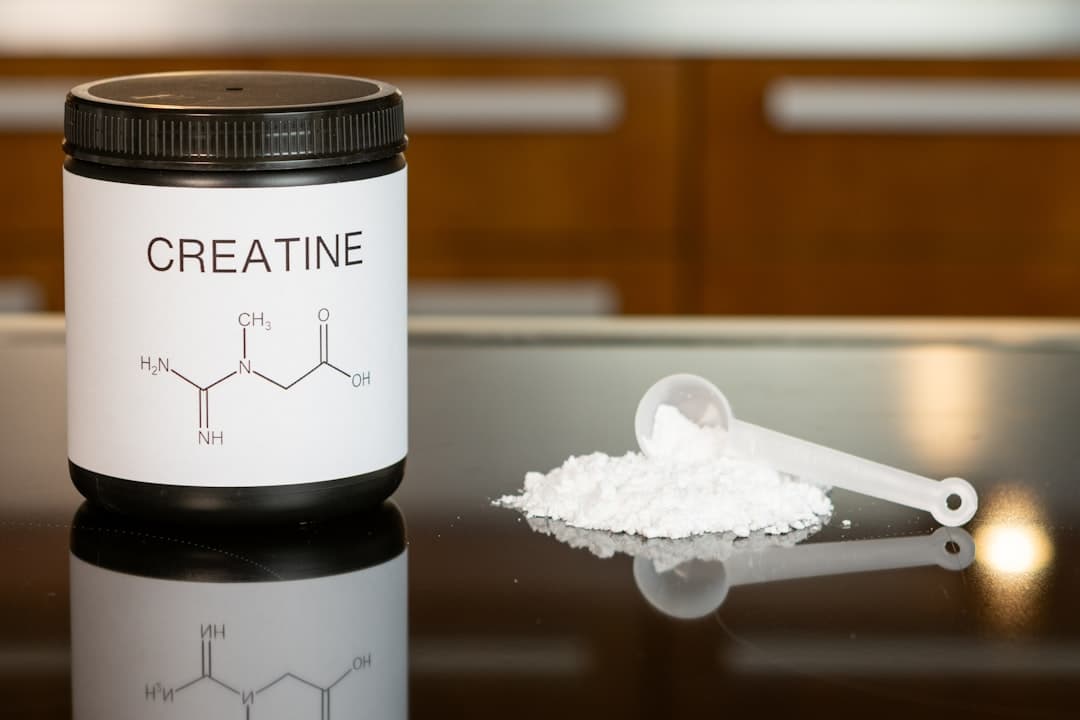
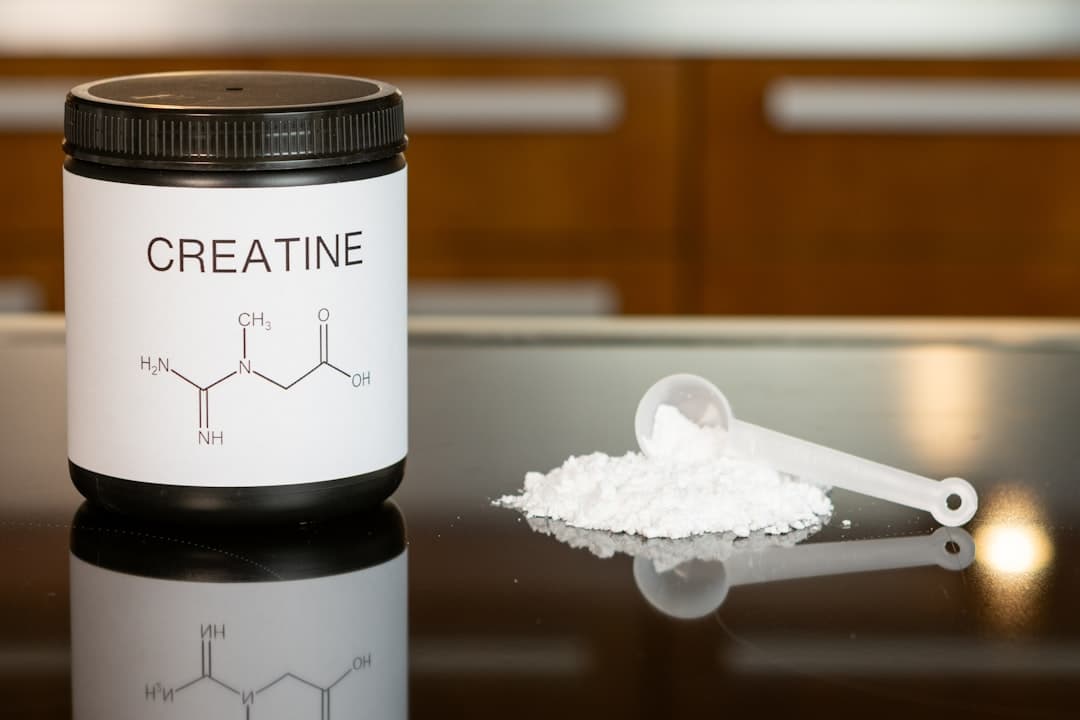
The speaker strongly favors creatine HCl over creatine monohydrate for women who experience bloating or GI distress.
Specific claims and dosing from the video:
Creatine, broadly, is one of the most studied sports supplements. Position statements and systematic reviews generally find creatine monohydrate can improve strength and lean mass gains when combined with resistance training, and it is considered safe for most healthy people at recommended doses (International Society of Sports Nutrition position standTrusted Source).
The video adds two nuanced claims: that creatine HCl may cross the blood-brain barrier more readily, and that creatine may support mood and cognition. Evidence is emerging that creatine may have neurocognitive and antidepressant adjunct potential in some contexts, but it is not definitive and should not replace mental health care (review on creatine and brain healthTrusted Source).
Important: If you have kidney disease, are pregnant, or take medications that affect kidney function, talk with a clinician before using creatine. Even supplements with good safety profiles are not one-size-fits-all.
Recovery is where you build, sleep, heat, and “do less so you can do more”
The video’s third pillar is recovery, and it is framed as non-negotiable.
You do not build muscle in the gym. You build it after.
This is where the investigative lens matters: many midlife women try to solve fatigue and body composition changes by adding more workouts, while sleep gets worse and stress rises. The result is often more soreness, more cravings, more frustration, and less progress.
Sleep is mission critical
The speaker emphasizes that you do not need less sleep as you age. Menopause can disrupt sleep, and the video suggests that this may be a moment to discuss options with a menopause-informed clinician, including whether hormone therapy is appropriate for your situation.
Sleep is linked with muscle recovery, mood regulation, appetite hormones, and training readiness. Major sleep organizations recommend most adults aim for at least 7 hours per night, and chronic short sleep is associated with multiple health risks (CDC sleep duration guidanceTrusted Source).
The video suggests tracking sleep with tools like an Oura ring or Apple Watch to identify patterns, for example alcohol before bed or working right up until bedtime.
Quick Tip: If you track sleep, look at trends, not single nights. One bad night happens. Three bad nights in a row changes how hard you should train.
Heat therapy over cold for recovery
Cold exposure is popular, but the video leans toward heat for recovery, especially for women. Options mentioned include:
Heat can feel subjectively restorative, and sauna bathing has been associated in observational research with certain cardiovascular benefits, though causality is not guaranteed (Mayo Clinic Proceedings review on saunaTrusted Source).
Other recovery tools mentioned
The video also mentions fish oil for inflammation support and potential anabolic support, plus a senolytics supplement taken two days per month to target “zombie cells” (senescent cells). Senescence is a real area of aging biology research, but over-the-counter senolytic products vary widely, and human evidence for specific commercial stacks is still developing.
A practical trade-off: supplements can be tempting because they feel easier than changing sleep and training load. This approach, at its best, uses supplements as add-ons, not replacements.
Q: How do I know if I should train hard today or recover instead?
A: A useful rule is to watch for stacked signals: poor sleep, unusually high resting heart rate, persistent soreness, irritability, or a big drop in motivation. One signal might be noise, several together often mean your body is asking for a lighter day.
If you choose recovery, you are not “skipping.” You are protecting the adaptation you trained for.
Jordan Ellis, MS, CSCS (strength and conditioning coach)
»MORE: If you want a simple self-check, create a 60-second “readiness log” with three numbers each morning: sleep quality (1 to 5), soreness (1 to 5), and stress (1 to 5). Use it to guide whether today is strength, HIIT, or restoration.
Key Takeaways
Frequently Asked Questions
- Is walking enough to age powerfully?
- Walking is a strong foundation for daily movement and cardiovascular health, but this approach argues it is not enough by itself for muscle, strength, and power. Adding progressive resistance training, and carefully dosed intervals or power work, may better protect function over time.
- What does “lift heavy” mean if I am a beginner?
- In this framing, “heavy” means challenging for you while your form stays controlled, not a specific number. Many people start with bodyweight or light weights, then gradually increase load as their technique and confidence improve.
- Do I really need 100 grams of protein per day?
- The video uses 100 grams as a practical minimum for many women aiming to build or preserve muscle, especially with age-related anabolic resistance. Your ideal target can vary based on body size, kidney health, activity level, and medical history, so it is reasonable to discuss personalized targets with a clinician or dietitian.
- Is creatine safe for women after menopause?
- Creatine monohydrate is widely studied and generally considered safe for healthy adults at recommended doses, and the video suggests creatine HCl may be better tolerated for some women. If you have kidney disease or take medications affecting kidney function, check with a clinician first.
- How often should I do HIIT if I am also lifting weights?
- The video suggests adding interval-style work as a complement, not as daily punishment. Many people do well with 1 to 2 short HIIT sessions per week, adjusted based on sleep, soreness, and overall stress.
Get Evidence-Based Health Tips
Join readers getting weekly insights on health, nutrition, and wellness. No spam, ever.
No spam. Unsubscribe anytime.