Dr. Seheult’s Immune System Playbook: NEWSTART + Light
Summary
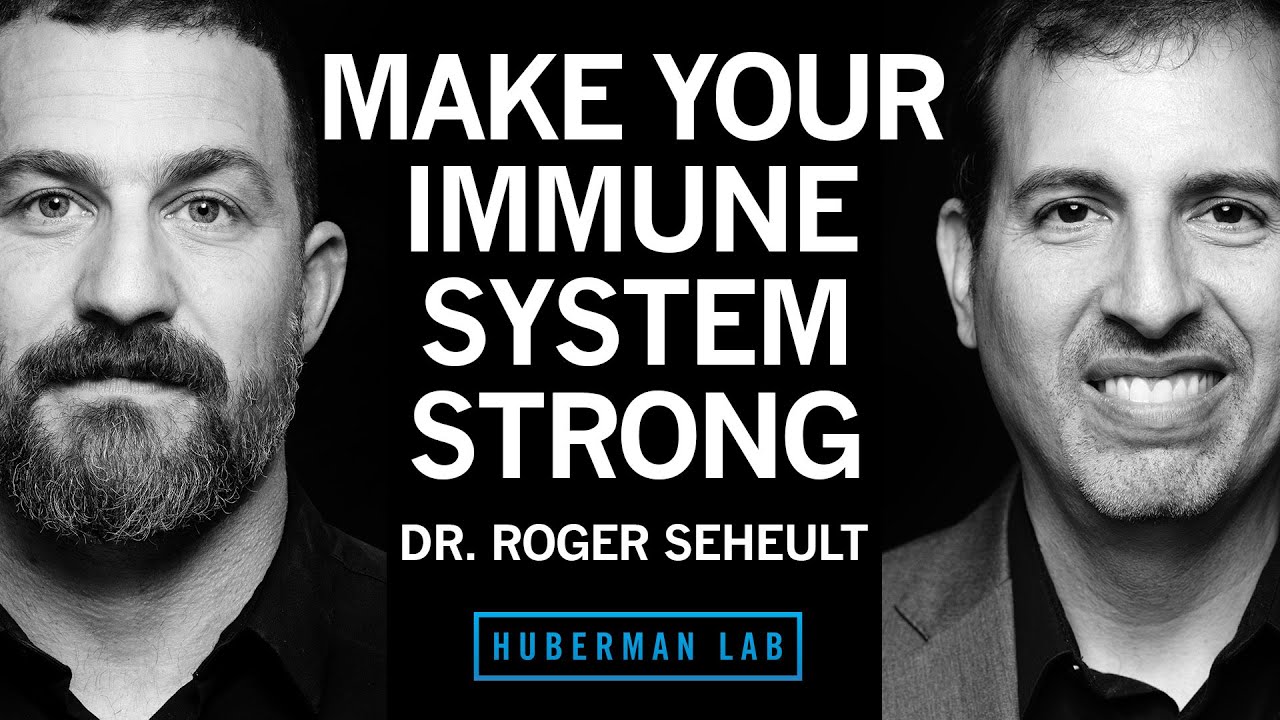
Getting sick less often is not only about avoiding germs, it is also about strengthening the body’s baseline resilience. In this Huberman Lab conversation, Dr. Roger Seheult frames immune support through the NEWSTART pillars (Nutrition, Exercise, Water, Sunlight, Temperance, Air, Rest, Trust) and adds a distinctive emphasis on sunlight and red or near-infrared light as tools that may support mitochondrial function and oxidative balance. The discussion also covers practical options for symptom relief and recovery, including heat exposure, steam, NAC (N-acetylcysteine) dosing used in studies, zinc considerations, and why nature and green spaces may matter more than we think.
Why immune resilience matters more than “not getting sick”
Most people think about immunity only when symptoms show up, the throat tickle, the runny nose, the fever, the cough.
The perspective in this episode is more structural. The goal is not just to dodge germs, it is to build a body that handles exposure better, recovers faster, and is less likely to spiral into prolonged inflammation.
That framing matters because respiratory viruses are not rare events. They are part of life, especially if you have kids, work in health care, travel, or spend time in crowded indoor spaces.
A key theme running through the conversation is that immune function is tightly linked to mitochondrial health, sleep, inflammation, and metabolic status. That is why the discussion keeps circling back to lifestyle basics and to a less common lever, sunlight and red or near-infrared light.
Did you know? The retina is one of the most mitochondria-dense tissues in the body, which is one reason researchers have explored red-light exposure for visual and metabolic effects.
NEWSTART, the framework Dr. Seheult returns to
This episode’s backbone is a mnemonic: NEWSTART. It is presented as a practical way to organize immune-support behaviors without getting lost in supplement trends.
It also has a useful implication. If you improve these pillars, you are not only “supporting immunity”, you are improving the terrain that influences many chronic conditions.
Here is how the framework is laid out.
The “J-shaped” exercise idea in plain language
If you do not move much, your immune system tends to operate in a more inflamed baseline state.
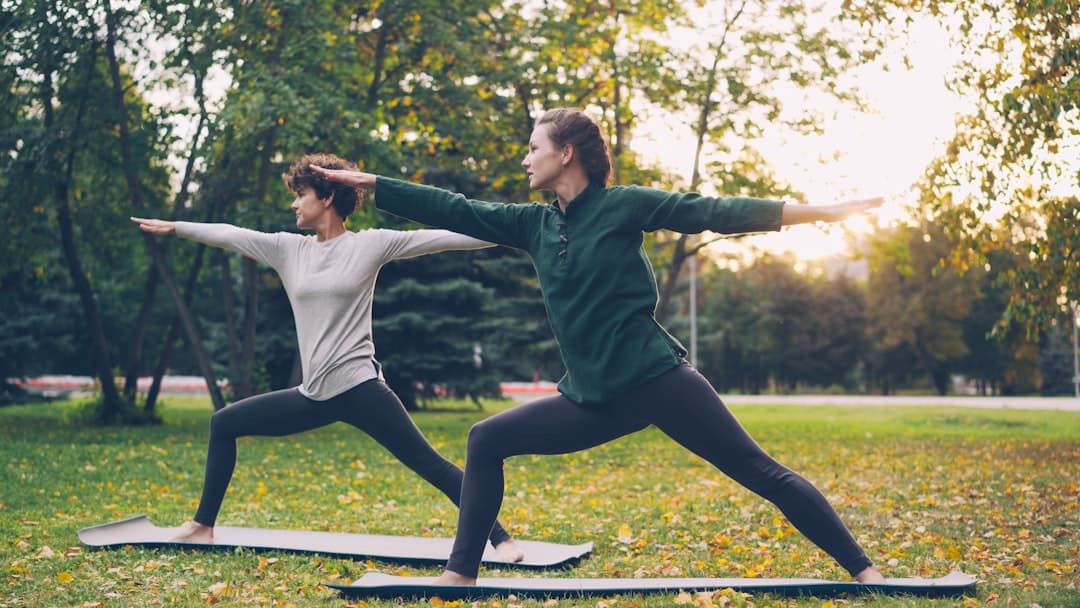
If you do some movement most days, even walking and moderate training, many inflammatory markers trend in a healthier direction.
If you train at very high volumes and intensities without enough sleep and recovery, you may temporarily become more vulnerable to infections.
This is consistent with broader exercise-immunity research showing that moderate physical activity is associated with lower risk of respiratory infections, while overreaching and sleep loss can increase susceptibility. A useful overview of how physical activity interacts with immune function is available from the CDC’s physical activity guidanceTrusted Source, which emphasizes sustainable, regular movement.
Pro Tip: If you are entering a high-exposure week (travel, conferences, kids returning to school), keep training consistent but avoid sudden spikes in volume or intensity. The goal is “supported” physiology, not heroic workouts.
Sunlight, not just for vitamin D or circadian rhythms
A major unique feature of this conversation is how it reframes sunlight.
Yes, light into the eyes helps set circadian rhythms and sleep timing. That is well established, and the NIH overview of circadian rhythmsTrusted Source explains how light synchronizes internal clocks.
But here the emphasis expands. The argument is that sunlight also acts through the skin and deeper tissues, largely because a significant portion of solar energy is infrared.
The discussion highlights a paper by Zimmerman and Reiter on the “optics of the human body,” arguing that longer wavelengths can penetrate more deeply and scatter through tissue. The paper is: Melatonin and the Optics of the Human BodyTrusted Source.
The core claim is not mystical. It is an attempt to connect physics to biology.
The mitochondria and “two melatonin stories”
Most people learn one melatonin story: light suppresses melatonin from the pineal gland, darkness allows it to rise, melatonin helps signal nighttime and supports sleep.
This episode adds a second story.
It argues that mitochondria can produce melatonin locally, inside cells, in much higher concentrations than what is measured in blood. In that framing, melatonin is not acting as a sleep hormone, it is acting as a local antioxidant.
Why does that matter for immune health?
Because infection and inflammation are often oxidative stress events. When mitochondria work hard, they generate reactive oxygen species. The body needs antioxidant systems to keep that oxidative stress from damaging cellular machinery.
This perspective suggests that sunlight and red or near-infrared light may support mitochondrial efficiency and antioxidant balance, potentially improving resilience.
It is important to keep the claim in bounds. This is not presented as a cure for infections. It is presented as a plausible upstream lever, especially in a world where many people spend most of their time indoors.
What the research shows: Photobiomodulation (red or near-infrared light therapy) has been studied for effects on cellular energy pathways, including interactions with cytochrome c oxidase. A detailed scientific overview is available from NIH’s PubMedTrusted Source searches on “photobiomodulation cytochrome c oxidase.”
Green spaces, infrared reflection, and why nature feels “medicinal”
Another distinctive idea in the conversation is that green environments may amplify infrared exposure.
The claim is that chlorophyll-rich leaves reflect infrared strongly. In infrared photography, trees and grass can appear bright, almost snow-like, because they reflect near-infrared.
This is used to support a broader point: getting outdoors in green spaces might deliver a different “light environment” than being outdoors in concrete-heavy areas.
Then the discussion goes one step further. It points to a Louisville, Kentucky intervention where adding trees in a defined area was associated with a reduction in high-sensitivity CRP (hs-CRP), a marker linked with systemic inflammation.
Even if you interpret this cautiously, the direction aligns with broader evidence that access to green space is associated with better health outcomes.
A large, widely cited review on green space and health is available here: Nature and health, evidence reviewTrusted Source.
The practical implication is simple.
Spend time outside, and when possible, choose places with trees and vegetation.
»MORE: If you want a simple weekly plan, try a “green minutes” tracker: aim for 120 minutes per week in parks or tree-lined streets, then notice whether sleep quality, mood, and respiratory symptoms change.
Heat, cold, and “water”, hydrotherapy through an immune lens
The “W” in NEWSTART is water, but it is not only about drinking water.
It also includes external water and temperature practices, for example sauna, hot baths, steam, and cold exposure.
One of the most practical points in the episode is that temperature is a biological signal. Fever is not just a symptom, it is part of the immune response.
That does not mean you should try to force fever or ignore medical red flags. It means that the body’s temperature responses are often purposeful.
The discussion highlights how heat can influence innate immune pathways, including interferon signaling, which is part of the early antiviral response.
A practical heat strategy, without turning it into a “protocol contest”
If you are healthy enough for heat exposure and your clinician has not advised against it, the episode’s spirit suggests using heat as a supportive tool rather than a performance challenge.
Here is a practical, conservative approach many people can adapt:
Important: Heat exposure is not appropriate for everyone. People who are pregnant, have certain cardiovascular conditions, or have a history of heat illness should discuss sauna or hot exposure with a clinician first.
Steam inhalation gets a special mention.
A very practical suggestion is to inhale warm steam from a bowl or pot of hot water (carefully, to avoid burns) to ease congestion. This is not framed as “killing viruses” but as improving comfort and airway clearance.
NAC (N-acetylcysteine), glutathione, and mucus management
Among supplements discussed, N-acetylcysteine (NAC) gets the most detailed, clinically grounded treatment.
NAC is used in hospitals as an antidote for acetaminophen (Tylenol) overdose, because it helps restore glutathione and supports liver detox pathways.
This episode emphasizes two other features that matter for respiratory illness.
First, NAC is a glutathione precursor, meaning it can support antioxidant capacity.
Second, NAC is a mucolytic, meaning it can thin mucus by disrupting disulfide bonds, which is why it has been used in conditions with thick secretions.
The influenza trial dose discussed
A specific study is highlighted: people taking 600 mg NAC twice daily over a winter season.
The key takeaway is nuanced. It did not necessarily prevent influenza infection, but it significantly reduced symptom severity, especially symptoms like runny nose and sore throat.
That is a meaningful distinction.
Reducing symptom severity may lower suffering and could potentially reduce downstream complications for some people, but it is not the same as preventing infection.
A published clinical trial on NAC and influenza-like illness is available here: N-acetylcysteine and influenza symptoms studyTrusted Source.
The practical approach described by Dr. Seheult is seasonal and time-limited. He mentions using 600 mg twice daily during high-risk winter months for about 3 months, rather than continuously year-round.
If you are considering NAC, it is reasonable to discuss it with a clinician, especially if you have asthma, take anticoagulants, have chronic medical conditions, or are pregnant.
Q: Should I take NAC every day all year to “boost immunity”?
A: This episode’s framing leans toward targeted use, for example during a winter season or high-exposure periods, rather than indefinite daily dosing. If you want to try NAC, talk with a clinician about timing, dose, and whether it fits your medical history.
Roger Seheult, MD, Pulmonary and Critical Care, Sleep Medicine
Zinc, immune enzymes, and the copper tradeoff
Zinc comes up as another tool people often reach for during cold and flu season.
The discussion highlights a practical dosing detail that many labels obscure: aim for 40 mg of elemental zinc, not necessarily “40 mg zinc compound.” Different forms list different amounts of elemental zinc.
Zinc is involved as a cofactor in immune-related enzymes and signaling pathways.
But the conversation also flags a real concern: higher-dose zinc over time can contribute to copper deficiency in some people.
A good, conservative move is to avoid long-term high-dose zinc unless you are doing it with medical guidance and monitoring.
For readers who want background on zinc’s role and safety, the NIH Office of Dietary Supplements provides a clear overview, including upper limits: Zinc fact sheetTrusted Source.
Air, what to avoid and what to seek out
Air is framed in two directions.
First, avoid harmful inhalants.
Smoking and vaping are discussed as lung stressors that can increase vulnerability to respiratory illness. The episode notes ICU admissions related to vaping-associated lung injury, especially in periods when people used adulterated products.
Second, seek “good air,” meaning outdoor air, ventilation, and possibly forest environments.
Forest bathing and phytoncides
The discussion references Japanese research on “forest bathing,” where time in forests was associated with changes in immune markers.
A proposed mechanism involves phytoncides, airborne compounds released by trees, which may influence innate immune activity.
This is not presented as magic. It is presented as a reminder that outdoor environments contain more than oxygen and nitrogen.
A review discussing forest bathing and physiological effects is available here: Forest bathing reviewTrusted Source.
Indoor light as an “air-adjacent” issue
The conversation makes an unusual but important bridge: indoor environments differ from outdoors not only in air quality but also in light spectrum.
Modern LED lighting is energy efficient partly because it emits a narrower band of wavelengths, often heavy in blue and green, with less red and near-infrared than sunlight.
The episode also raises a practical detail many people miss: some modern windows (low-E glass) reduce infrared transmission.
Taken together, the argument is that indoor life can unintentionally reduce exposure to the wavelengths that might support mitochondrial function, while also increasing exposure to bright light at night that can disrupt circadian biology.
If you want to explore the established circadian side of this, the Harvard Division of Sleep Medicine overview of light and circadian rhythmsTrusted Source explains why bright light at night can impair sleep timing and quality.
Pro Tip: If you cannot get outside much, try “stacking exposures” by taking phone calls while walking outdoors in daylight, ideally near trees. It is a low-cost way to combine movement, light, and air.
Long COVID, a real syndrome with multiple pathways
Long COVID is treated as real and clinically significant.
The episode defines it in a practical way: symptoms persisting beyond about 12 weeks, often including fatigue, headaches, shortness of breath, and persistent loss or alteration of smell and taste.
A key point is heterogeneity. Long COVID is not one single mechanism in every person.
From a pulmonary perspective, shortness of breath can come from multiple causes, including lung scarring, blood clots, cardiac dysfunction, deconditioning, dysfunctional breathing patterns, or metabolic changes.
This is why the discussion emphasizes ruling out serious conditions with appropriate testing.
The mitochondrial angle
A distinctive thread here is the idea that, in some individuals, long COVID may involve mitochondrial dysfunction, including impaired fat oxidation.
That is used to justify interventions that may support mitochondrial renewal or efficiency, such as:
One patient story is shared where symptoms improved substantially after adopting earlier eating cutoffs and increasing sunlight exposure, after other evaluations were unremarkable.
This is presented as anecdote, not proof.
For readers who want a mainstream clinical overview of long COVID, the CDC provides updated guidance and definitions here: CDC Long COVID informationTrusted Source.
Smell training after COVID
The discussion briefly notes smell training tools, such as structured exposure to different odors.
Smell training has clinical precedent in ENT practice and may help some people regain function.
A clinical overview is available here: Smell training and olfactory lossTrusted Source.
Important: If you have persistent shortness of breath, chest pain, fainting, new confusion, or worsening exercise tolerance after COVID, it is worth seeking medical evaluation. Those symptoms can sometimes signal treatable complications like clots or cardiac issues.
Trust, community, and why stress biology affects immunity
The final pillar, Trust, is treated with unusual seriousness for a science-forward conversation.
The claim is not that belief replaces medical care. It is that stress, fear, isolation, and unresolved interpersonal burdens can shape physiology.
In ICU settings, anxiety and existential distress can be intense. The discussion highlights how community support, faith practices for those who have them, gratitude, and forgiveness can correlate with better well-being and fewer somatic complaints.
This fits with broader psychoneuroimmunology research showing that chronic stress can alter immune function, including inflammatory signaling.
A readable overview of stress effects on the body is provided by the APA: Stress effects on the bodyTrusted Source.
Q: Is “stress” really an immune issue, or just a mental health issue?
A: Stress is both. Chronic stress can affect sleep, appetite, hormones like cortisol, and health behaviors, all of which influence immune readiness. Building social support and reliable routines can be a practical immune strategy, not only a mood strategy.
Roger Seheult, MD, Pulmonary and Critical Care, Sleep Medicine
Key Takeaways
Frequently Asked Questions
- How much NAC was discussed for flu season support?
- The episode highlighted a study dose of 600 mg of NAC twice daily over a winter season. It did not necessarily prevent infection but was associated with reduced symptom severity in those who became ill.
- Is sunlight only about vitamin D and circadian rhythm?
- No, this conversation emphasizes that sunlight also contains red and near-infrared wavelengths that may penetrate tissue and influence mitochondrial function and local antioxidant systems. It is presented as a supportive lever, not a cure.
- Can I just use an indoor red light instead of going outside?
- Red light devices may be helpful for some goals, but the discussion stresses that sunlight provides a broader spectrum and higher intensity that devices cannot fully replicate. When feasible, outdoor daylight exposure is treated as the primary option.
- Does zinc help immunity, and what dose was mentioned?
- Zinc was discussed as potentially beneficial because it supports immune-related enzymes. The practical detail mentioned was 40 mg of elemental zinc, while also noting that long-term high dosing can contribute to copper deficiency in some people.
- What is long COVID, in simple terms?
- Long COVID generally refers to symptoms that persist for more than 12 weeks after infection, such as fatigue, headaches, shortness of breath, or smell changes. The episode emphasizes that it is heterogeneous and should be evaluated to rule out treatable causes.
Get Evidence-Based Health Tips
Join readers getting weekly insights on health, nutrition, and wellness. No spam, ever.
No spam. Unsubscribe anytime.