Total Plasma Exchange for Longevity: What to Know
Summary
In the video, My Body documents a total plasma exchange, a two-hour procedure that removes plasma, replaces it with albumin, and aims to reduce “bad stuff” the body may struggle to clear. The speaker frames it as a future-normal longevity tool, but also stresses basics like sleep, diet, exercise, and toxin avoidance as the reason their plasma looked unusually “clean.” This article unpacks what the procedure is, what the video claims, common misconceptions, what research and medical practice actually use it for, and practical questions to ask a clinician before considering it.
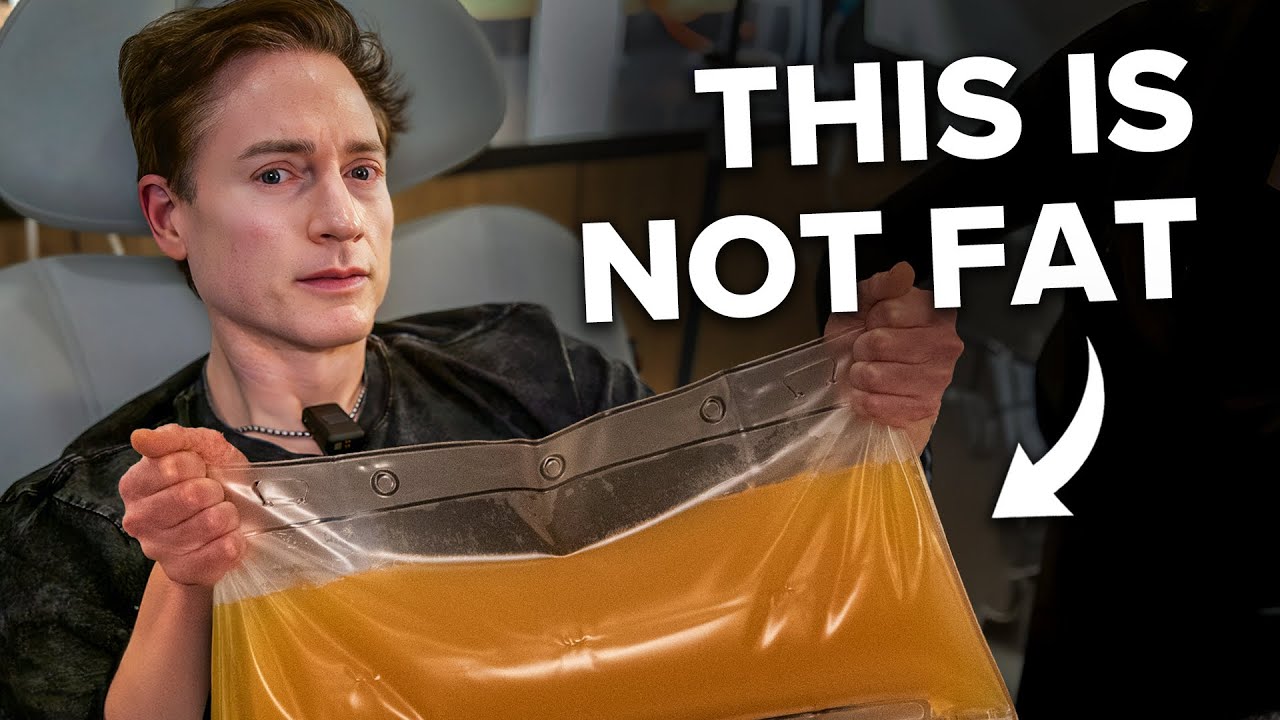
A vial-by-vial moment: “the cleanest plasma we’ve ever seen”
“This was just pulled out of my body,” My Body says, holding up a heavy container of plasma after a two-hour procedure.
The clinician’s comment is the hook: it is “the cleanest she’s ever seen.” In the video, that becomes a kind of proof-of-process, not just that the exchange happened, but that the speaker’s day-to-day habits show up in the blood.
Then the story rewinds to the why.
The framing is unapologetically action-oriented: everything is an experiment to slow the “speed of aging,” and even therapies that “seem really weird” are fair game if they can be measured.
What is unique here is not just the procedure, it is the worldview. The speaker positions plasma exchange as something that will look normal in the near future, alongside going to bed on time, eating well, and avoiding toxins. The argument is that today’s “outlandish” becomes tomorrow’s baseline.
Pro Tip: If a therapy sounds futuristic, start by writing down what you would measure before and after. The video emphasizes biomarkers, not vibes.
What total plasma exchange is, and what it replaces
In the video, the “V2” procedure is a total plasma exchange, described as removing all plasma and replacing it with “new stuff.” Specifically, the replacement fluid mentioned is albumin.
Plasma is the liquid part of blood that carries proteins, hormones, and clotting factors. During therapeutic plasma exchange (sometimes called plasmapheresis), blood is removed, separated, and the plasma portion is discarded, then the remaining blood components are returned with a replacement fluid.
You can hear the machine spin up in the clip. The speaker points out the centrifuge step, where blood and plasma separate.
What “albumin replacement” means
Albumin is a major blood protein that helps maintain fluid balance in the bloodstream. Clinically, albumin is used as a replacement fluid in many plasma exchange protocols, depending on the condition being treated and the clinician’s judgment. Medical references describe therapeutic plasma exchange as a procedure used to remove certain disease-associated substances from plasma, then replace volume with albumin and or plasma, as appropriate, in a monitored setting, such as a hospital or specialized clinic (American Society for ApheresisTrusted Source).
In the video’s simplified theory: take out plasma that may contain “bad stuff,” put in “very clean stuff,” and let the body rebuild.
That idea is intuitive.
It is also easy to overinterpret.
Did you know? Plasma exchange is a long-standing medical tool in neurology and hematology, not a new biohacking invention. Its best-supported uses are for specific diagnoses, not general anti-aging (National Library of Medicine, StatPearlsTrusted Source).
The longevity theory in the video, and the misconceptions to watch for
The video’s central claim is not “this cures disease.” It is narrower and more personal: this is an experiment designed to see whether swapping plasma changes measurable aging biomarkers.
The theory presented has three parts.
A big misconception is that “clean plasma” automatically equals “younger body.” Plasma appearance can be influenced by hydration, lipids, and other factors, and visual clarity is not the same as a validated longevity endpoint.
Another misconception is that removing plasma is like “detoxing.” The liver and kidneys do the heavy lifting for most metabolic waste. Plasma exchange can remove certain circulating proteins and antibodies, but it is not a general-purpose cleanse, and it can also remove beneficial components.
The “blood boy” narrative, revisited
Early in the transcript, the speaker references a prior experiment that drew attention: their son gave them plasma. The video frames today’s procedure as a “V2” that does not rely on a family donor, but instead uses albumin replacement.
This matters because it shifts the story from “young donor plasma” to “remove and replace.” It is a different hypothesis.
The video also includes a dramatic personal claim about the speaker’s father: after a liter of plasma removed and a liter infused, the father’s “speed of aging” dropped by the equivalent of 25 years. That is presented as an observed biomarker change plus a real-world perception shift at work.
Here is the careful way to hold that claim: individual biomarker panels can change for many reasons, and translating them into “years” is not the same as proving a person became biologically 25 years younger. If you are considering a procedure based on a dramatic anecdote, it is reasonable to ask what was measured, how it was calculated, and whether results were sustained.
What the research shows: Therapeutic plasma exchange is an evidence-based treatment for select autoimmune and neurologic conditions, because it can remove harmful antibodies and immune complexes. That clinical evidence does not automatically translate to proven anti-aging benefits in healthy people (StatPearls: PlasmapheresisTrusted Source).
What you might feel during and after, based on the video and clinical reality
The speaker’s report is surprisingly plain: “nothing really.”
After removing all plasma, they felt about the same, slept the same, and described the experience as “inconsequential.”
That is an important counterweight to hype.
At the same time, the video notes that people with health challenges may feel a “significant boost of energy and alertness.” In clinical settings, some patients do report symptom improvement when plasma exchange is used for the right indication, but that is usually because it is treating a specific disease mechanism, not because it is a general vitality upgrade.
The procedure details in the video are concrete and useful for expectations:
The “vein choice” segment is also telling. The clinician looks at both arms, evaluates vein size and whether the vein rolls, then chooses the best option. That is a reminder that logistics matter, and not everyone has easy access.
Important: Any procedure that repeatedly accesses veins and circulates blood through a machine carries real risks, including bleeding, infection, and blood pressure changes. Ask the clinic what monitoring and emergency protocols they use.
Risks, tradeoffs, and who should be extra cautious
The video focuses on mission and measurement, not on complications.
So it is worth filling in the safety context from established medical references.
Therapeutic plasma exchange can cause side effects such as low blood pressure, allergic reactions, bleeding issues (because clotting factors may be affected), and electrolyte shifts like low calcium, particularly when citrate is used as an anticoagulant in the circuit. Vascular access can also cause bruising, infection, or clotting. These risks are described in medical overviews of plasmapheresis and apheresis procedures (StatPearlsTrusted Source, Cleveland ClinicTrusted Source).
A tradeoff that rarely gets discussed in longevity circles is that plasma contains helpful components too. Removing plasma does not only remove “bad stuff.” It can also remove protective antibodies and proteins, which is one reason clinical protocols are condition-specific and medically supervised.
People who may need extra caution and individualized medical advice include:
If you are considering this outside of a clear medical indication, it is especially important to talk with a licensed clinician who can review your history and help you weigh risks versus uncertain benefits.
How to evaluate a longevity procedure like this (step-by-step)
The video’s strongest practical message is not “copy me.” It is “measure everything.”
Here is a simple way to apply that mindset without assuming the outcome.
Define the exact goal, not the vibe. Decide whether you are trying to change a symptom (fatigue, brain fog), a lab value (LDL, CRP), or a composite aging score. Then ask if that goal is validated and meaningful.
Ask what is being removed and what is being replaced. In the video, plasma is removed and replaced with albumin. Ask whether any plasma is used, what concentration of albumin, and how volume is calculated for your body size.
Clarify what you will feel, and what would be a red flag. The speaker felt mostly the same and described it as “a little tiring” and “a little uncomfortable.” Ask the clinic what symptoms require urgent evaluation, such as chest pain, fainting, severe hives, shortness of breath, or uncontrolled bleeding.
Choose biomarkers before the procedure, not after. The video emphasizes before-and-after testing. Consider basics like CBC, electrolytes, fibrinogen, and inflammatory markers, and only add advanced panels if you understand what they mean.
Do not skip the basics that made the plasma “clean.” The speaker attributes unusually clean plasma to sleep, diet, exercise, and avoiding toxins, plus not smoking, vaping, drinking, or gambling. Even if you never do plasma exchange, those basics are likely to move your health trajectory more reliably than a single procedure.
»MORE: If you want a practical starting point, create a one-page “baseline dashboard” with sleep schedule, exercise minutes, alcohol and nicotine use, and your last 5 key labs. Bring it to your next checkup.
Key Takeaways
Frequently Asked Questions
- Is total plasma exchange the same as donating plasma?
- No. Donating plasma is typically done to collect plasma for transfusion products, while therapeutic plasma exchange is a medical procedure intended to remove specific substances from a patient’s plasma and replace volume with fluids like albumin.
- Will a plasma exchange make you feel energized right away?
- Some people report feeling little to no change, similar to the video’s experience, while others with certain medical conditions may feel symptom improvement. Your response depends on why the procedure is being done, your health status, and the protocol used.
- Is plasma exchange proven to slow aging in healthy people?
- Research supports plasma exchange for specific medical indications, but it is not established as a longevity therapy for otherwise healthy people. If you are considering it for anti-aging, discuss uncertainties, risks, and measurable goals with a clinician.
- What should I ask a clinic before considering plasma exchange?
- Ask what fluid will replace your plasma (albumin vs plasma), how they monitor blood pressure and calcium, what complications they see most often, and what emergency protocols are in place. Also ask which labs they recommend before and after, and why.
Get Evidence-Based Health Tips
Join readers getting weekly insights on health, nutrition, and wellness. No spam, ever.
No spam. Unsubscribe anytime.