Women's Health

Herbal supplements in pregnancy: safety and risks
Herbal supplements in pregnancy: safety and risks
ByHealthy Flux Editorial Team
Reviewed under our editorial standards
Published 2/13/2026

Summary

Herbal supplements are not automatically safe during pregnancy, and many have limited testing for fetal safety or can interact with medications. Most guidelines suggest avoiding nonessential herbal products unless your obstetric clinician specifically recommends them for your situation.

What “herbal supplement” really means in pregnancy

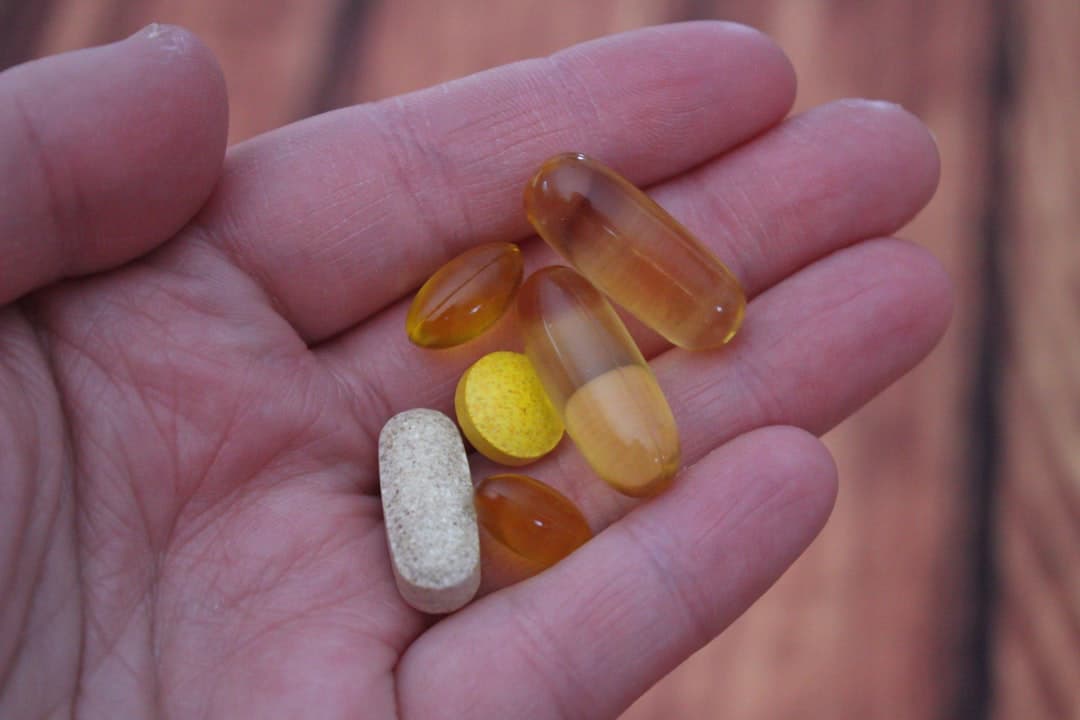
Herbal supplements include pills, teas, tinctures, powders, gummies, and oils made from plants. They are often marketed for Therapeutic Benefits like nausea relief, sleep, immune support, or “hormone balance.”

Here is the catch, “natural” does not equal “pregnancy-safe.” Many products have not been studied in pregnant people, and safety data in early pregnancy (when organs are forming) is especially limited.

Another issue is consistency. The amount of active ingredient can vary from brand to brand, and sometimes from batch to batch. Some products also contain multiple herbs, concentrated extracts, or added ingredients that are not obvious from the front label.

Who should be especially cautious (or avoid them)

If you are pregnant and otherwise healthy, you can still run into problems with certain herbs. But some situations raise the stakes.

Be extra cautious, and talk with your OB-GYN, midwife, or pharmacist before using any herbal supplement if any of the following apply:

You are in the first trimester or have had prior pregnancy complications. Early pregnancy is a high sensitivity period, and clinicians are typically more conservative when evidence is limited.
You take prescription or over-the-counter medications. Herbs can change how drugs are absorbed or broken down, which can make a medication less effective or increase side effects. This matters for thyroid medicines, antidepressants, blood pressure medicines, and many others.
You have a bleeding or clotting condition, or you are on blood thinners. Some herbs may affect platelet function or clotting, which can increase bleeding risk around procedures or delivery.
You have high blood pressure, preeclampsia risk, or heart rhythm issues. Stimulant-like herbs and some “energy” blends may raise heart rate or blood pressure, which can worsen symptoms like palpitations or Breathlessness.
You have diabetes or gestational diabetes risk. Some products marketed for “blood sugar support” can alter glucose and complicate monitoring. If you track glucose or follow targets based on Insulin Metrics, adding an herb without guidance can muddy the picture.

Important: If you are scheduled for a procedure (including a planned C-section) or you have any vaginal bleeding, stop non-prescribed herbal products and contact your pregnancy care team promptly. They can tell you what is safe to continue and what to avoid.

Why pregnancy changes the risk profile

Pregnancy changes how your body handles substances. Blood volume increases, the kidneys clear some compounds faster, and the liver may process others differently. That means a dose that felt “mild” before pregnancy can hit differently now.

Some herbs can also have effects that are specifically relevant in pregnancy, including:

Uterine effects. Certain botanicals may stimulate uterine contractions or affect the cervix, which is why clinicians often advise avoiding herbs traditionally used to “bring on a period” or “start labor.”
Blood pressure and circulation changes. Pregnancy already shifts circulation and can make you more prone to dizziness. Herbs that relax blood vessels may contribute to lightheadedness, and in some cases may worsen swelling by encouraging Blood Vessels to Dilate and Leak.
Hormone-like activity. Some botanicals have estrogenic or progesterone-like effects in lab studies. Even if the real-world impact is unclear, most prenatal care teams prefer not to add hormone-active supplements without a clear medical reason.

A final practical issue is quality control. Contaminants (like heavy metals), adulterants (undeclared pharmaceuticals), and misidentified plants are well-described risks in the supplement world. Pregnancy is the time to minimize avoidable exposures.

A safer way to decide: a quick checklist

You do not need to memorize lists of “good” and “bad” herbs to make a safer decision. Use a process instead.

Ask yourself these questions before taking any herbal supplement:

Is it essential, or is it “nice to have”? In pregnancy, most clinicians recommend avoiding nonessential supplements when the benefit is uncertain.
Is there a pregnancy-safe alternative with better evidence? For example, lifestyle strategies, diet changes, or clinician-recommended options may work as well with less uncertainty.
Is it a single-ingredient product with clear dosing? Multi-ingredient blends make it harder to predict effects and interactions.
Can you show the exact product to your clinician? Bring the bottle or a photo of the Supplement Facts panel so they can check ingredients and dose.

Pro Tip: Keep a running list in your phone of everything you take, including teas, “immune” powders, and topical essential oils. Bring it to prenatal visits, supplements are easy to forget, and your clinician can spot duplicates or risky combinations.

When to stop and contact a clinician

Stop the herbal supplement and get medical advice if you develop new symptoms soon after starting it, even if the label calls it “gentle.”

Contact your pregnancy care team urgently (or seek emergency care) if you have:

Vaginal bleeding, persistent abdominal pain, cramping, or fluid leakage. These symptoms need prompt evaluation regardless of the suspected cause.
Hives, facial swelling, wheezing, or trouble breathing. This could be a serious allergic reaction.
Severe dizziness, fainting, chest pain, or a racing or irregular heartbeat. Some products can have stimulant effects or interact with other medicines.
Severe headache, vision changes, sudden swelling, or right upper abdominal pain. These can be warning signs of pregnancy complications and should not be attributed to a supplement.

Milder issues still matter. If you notice nausea, diarrhea, constipation, heartburn, headache, jitteriness, or worsening sleep after starting an herb, pause it and ask for guidance.

Key takeaways for safer choices

The safest default in pregnancy is to avoid nonessential herbal supplements, because many are not well-studied for fetal safety and can interact with medications.
Risk is higher in the first trimester, with high-risk pregnancies, and when you have conditions like hypertension, diabetes, thyroid disease, or bleeding disorders.
Choose a process, not a trend: single-ingredient products, clear dosing, and clinician review are safer than multi-herb blends.
New bleeding, contractions, allergic symptoms, or heart-related symptoms after starting a supplement should be treated as a reason to stop and get medical advice.

Frequently Asked Questions

Are herbal teas safer than herbal capsules during pregnancy?
Not always. Some teas contain the same active compounds as capsules, and “tea” blends can include multiple herbs with unclear amounts. It is still best to check the exact ingredients with your OB-GYN or midwife, especially if you drink them daily.
What about essential oils or herbal products used on the skin?
Topical products can still be absorbed, and they can also trigger irritation or [Contact Dermatitis](/glossary/contact-dermatitis). If you use essential oils, avoid ingesting them and ask your clinician about safe dilution and specific oils to avoid during pregnancy.
Can I take herbal supplements while breastfeeding after delivery?
Some herbs may pass into breast milk, and safety depends on the specific ingredient and dose. If you plan to breastfeed, review any herbal products with your pediatrician or your postpartum clinician before restarting them.
If a prenatal vitamin includes an “herbal blend,” is that automatically safe?
Not automatically. Prenatal vitamins are generally designed for pregnancy, but small “proprietary blends” can still vary and may not be necessary. Ask your clinician whether that ingredient is needed for you and consider switching to a prenatal without added herbs if there is any uncertainty.

Get Evidence-Based Health Tips

Join readers getting weekly insights on health, nutrition, and wellness. No spam, ever.

No spam. Unsubscribe anytime.
More in Women's Health

View all
You Are Not Broken: Hormones, Sex, and Midlife

You Are Not Broken: Hormones, Sex, and Midlife

Many women hit their 40s and 50s and quietly conclude, “Something is wrong with me.” This video’s core message is the opposite: you are not broken, you are undereducated. Dr. Kelly Casperson, a urologist focused on menopause and sexual medicine, connects libido, pleasure, sleep, relationship strain, and hormone shifts, then challenges common myths about “spontaneous desire,” painful sex, and testosterone. The practical throughline is empowering: understand responsive desire, prioritize sex like other health habits, make sex worth desiring, and ask better questions in medical visits so you can get real help instead of shame.

When Women Lose Desire: It’s Not “In Your Head”

When Women Lose Desire: It’s Not “In Your Head”

When men lose sexual interest, it is often treated like a medical problem. When women do, it is too often dismissed as aging, stress, or “all in her head.” This perspective reframes low arousal as a real, common health issue that can affect young women, people on birth control, and those in menopause. It also emphasizes something empowering: you are not broken. When hormones, the nervous system, and mental well-being line up, sensation and connection can return. Practical options may include therapy (including CBT), couples work, stress reduction, hormonal approaches (like vaginal estrogen), and selected medications with clinician guidance.

Creatine HCl for Women 40 Plus: Mark Faulkner’s Guide

Creatine HCl for Women 40 Plus: Mark Faulkner’s Guide

Creatine is not a hormone or a “bro supplement” in this video’s framing. It is a natural energy molecule your body makes, but often not enough, especially if you eat little red meat or eat mostly cooked proteins. Mark Faulkner argues creatine supports whole-body cellular energy, including brain, immune T-cells, and heart, not just muscle. He also challenges the common claim that creatine monohydrate is “100% absorbed,” describing low absorption and a high rate of bloating and GI complaints in women. His solution is creatine hydrochloride (HCl), positioned as more bioavailable at much smaller doses, with less puffiness and no need for loading.

Menopause Hormone Therapy: Fear, Data, and Nuance

Menopause Hormone Therapy: Fear, Data, and Nuance

If you have ever asked about hormone therapy for menopause and felt the conversation shut down fast, this perspective helps explain why. In this video, Rachel Rubin, M.D., argues that a widely publicized study and press conference amplified fear about breast cancer, blood clots, and heart disease, while underplaying benefits and key nuances. She describes how the backlash reshaped practice, leaving many clinicians less comfortable prescribing menopause hormone therapy. The takeaway is not that hormones are for everyone, but that risk should be discussed with context, numbers, and individualized decision-making.

We use cookies to provide the best experience and analyze site usage. By continuing, you agree to our Privacy Policy.