Is Vitamin E Safe to Take During Pregnancy?
Summary
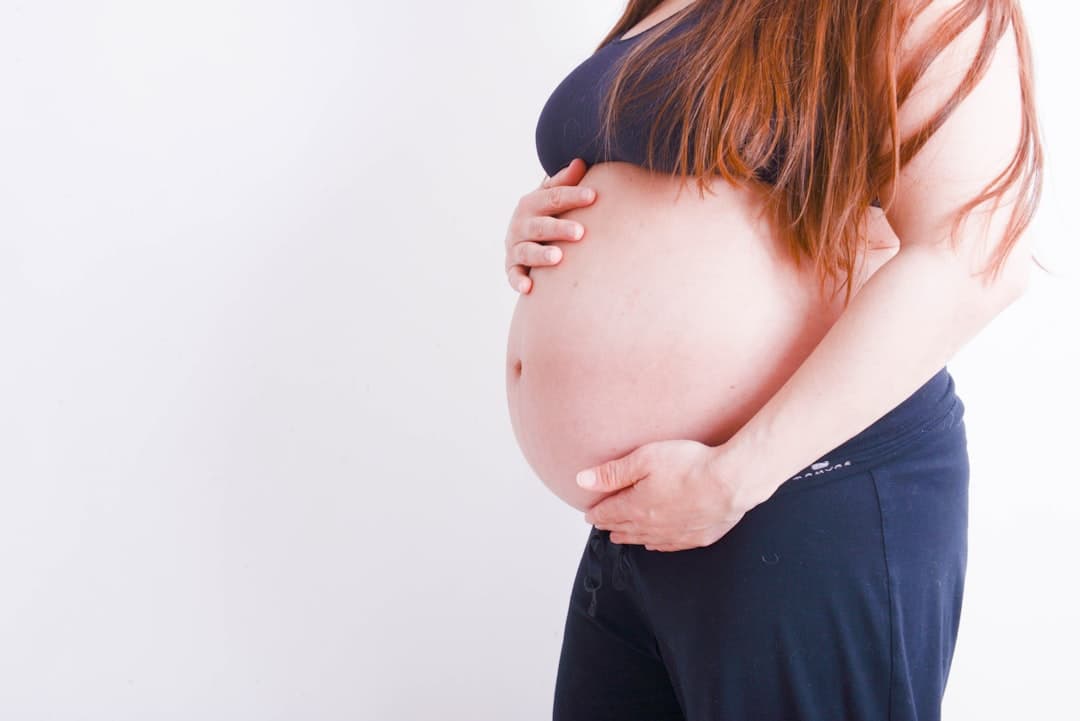
Vitamin E is generally considered safe during pregnancy when you get it from food and the amount included in a standard prenatal vitamin. Extra, high-dose vitamin E supplements are usually not recommended unless your obstetric clinician advises them, because higher intakes may increase bleeding risk or interact with medications.
The Bottom Line
For most pregnant people, vitamin E from a balanced diet and a typical prenatal vitamin is not a safety concern. Problems are more likely when vitamin E is taken as a separate, high-dose supplement.
Most guidelines suggest avoiding “megadoses” of fat-soluble vitamins in pregnancy unless there is a clear medical reason and clinician supervision. Vitamin E is fat-soluble, so it can build up in the body over time.
Important: If you already take a prenatal vitamin, check the label before adding anything else. Many prenatal products already include vitamin E, and doubling up is an easy way to drift into higher-than-needed amounts.
When Vitamin E Can Become Risky
Vitamin E is best known for its antioxidant role, but at higher supplemental doses it can also affect blood clotting. That is the main reason clinicians get cautious about extra vitamin E during pregnancy.
Potential concerns with high-dose vitamin E supplements include:
If you feel lightheaded after starting a new supplement, treat it as a real symptom, not a normal pregnancy “quirk.” Severe symptoms like Severe Dizziness, fainting, or new weakness deserve prompt medical advice.
Who Should Be Extra Cautious
Some people can take standard prenatal amounts without issue, but should avoid adding extra vitamin E unless their clinician specifically recommends it.
If you have kidney disease and you are under the care of a specialist such as a Nephrologist, it is especially important to coordinate supplements. Pregnancy already changes fluid balance and medication handling, and your team may want tighter control of anything that could affect bleeding or labs.
How to Use Vitamin E Safely (Practical Guidance)
Food first is usually the simplest and safest approach. Vitamin E is found in nuts, seeds, vegetable oils, and leafy greens, and dietary intake is unlikely to reach risky levels for most people.
If you are considering a supplement, start with a label check.
Pro Tip: Bring your actual bottles (or clear photos of the labels) to prenatal visits. It is faster and more accurate than trying to remember brand names and doses.
When to Stop and Call Your Clinician
Stop the new supplement and contact your obstetric clinician if you notice signs that could suggest a bleeding or clotting issue.
Seek medical advice promptly if you develop:
If you feel persistently unwell after starting any supplement, mention it even if it seems vague, such as new fatigue or worsening nausea. Pregnancy fatigue is common, but a sudden change is still worth discussing, especially if you also live with conditions like Chronic Fatigue.
Key Takeaways for Most Pregnancies
Frequently Asked Questions
- Does vitamin E help prevent miscarriage or preeclampsia?
- Vitamin E has been studied for various pregnancy outcomes, but it is not routinely recommended as a preventive supplement for miscarriage or preeclampsia. If you are at higher risk for complications, your obstetric clinician can recommend strategies with clearer benefits and safety profiles.
- Is vitamin E oil safe to use on the skin during pregnancy?
- Topical vitamin E is generally considered low risk because much less is absorbed into the bloodstream compared with swallowing a supplement. Still, it can irritate sensitive skin or trigger a rash, so patch testing and avoiding broken skin is sensible, and discuss persistent irritation with your clinician.
- Can I take vitamin E if I am also taking iron and omega-3s?
- Iron does not usually interact with vitamin E in a major way, but omega-3 supplements can have mild blood-thinning effects in some people. If you are combining omega-3s with extra vitamin E (beyond your prenatal), it is worth checking with your obstetric clinician or pharmacist to avoid unnecessary bleeding risk.
- What if my prenatal vitamin already contains vitamin E and I eat a lot of nuts and seeds?
- Dietary vitamin E plus a prenatal amount is typically not a problem for most people. The main situation to avoid is adding a separate high-dose vitamin E capsule on top of your prenatal and diet without medical guidance.
Get Evidence-Based Health Tips
Join readers getting weekly insights on health, nutrition, and wellness. No spam, ever.
No spam. Unsubscribe anytime.