Why you feel so tired during your period

Summary
Feeling unusually tired during your period is common and is often linked to hormone shifts, poor sleep from cramps, and the body’s inflammatory response. Heavier bleeding, low iron, and conditions like PMS or PMDD can make fatigue more intense. If fatigue is severe, new, or paired with heavy bleeding or dizziness, it’s worth checking in with a healthcare professional.
What’s going on in your body during your period
Period fatigue is often real, physical tiredness, not “just being run down.”
In the days leading up to bleeding, estrogen and progesterone drop. For many people, that shift affects sleep quality, mood, appetite, and how energized they feel during the day.
Your uterus also releases prostaglandins to help it contract and shed its lining. Prostaglandins can contribute to cramping, nausea, and GI issues. Pain and stomach upset can make it harder to eat well and sleep well, which sets you up to feel wiped out.
Some people also notice mild lightheadedness, especially with heavier bleeding or if they are not eating and hydrating enough. Even if your blood pressure is normal, feeling “floaty” can register as fatigue.
The most common reasons period fatigue feels worse
Sleep disruption from cramps and temperature changes
Cramps can wake you up, even if you do not fully remember it. Fragmented sleep adds up quickly.
Hormone changes can also affect body temperature regulation. If you run warmer at night or sweat more, you may sleep more lightly and feel less restored.
Heavier bleeding and low iron stores
If you lose more blood than usual, your body has to work harder to replenish it. Over time, heavy periods can lower iron stores, which can contribute to fatigue, shortness of breath with exertion, headaches, and feeling unusually cold.
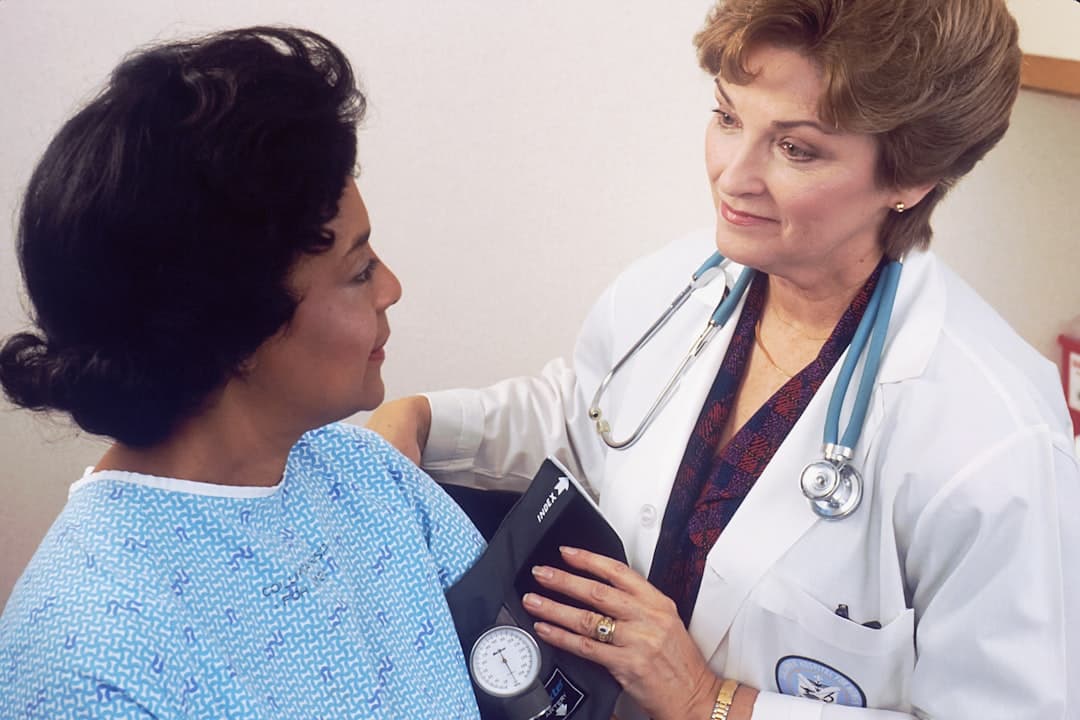
This does not mean you should start iron supplements on your own, because too much iron can be harmful. A clinician can check a complete blood count and often ferritin (an iron storage marker) to see whether iron deficiency is part of the picture.
Not eating enough (or eating in a way that spikes and crashes energy)
It is common to have less appetite, more cravings, or more nausea around your period. Skipping meals or relying on quick sugar can cause energy swings that feel like fatigue.
If you are dealing with GI issues, you may also absorb nutrients less reliably or avoid foods that usually keep you steady.
PMS or PMDD-related fatigue
For some people, fatigue is part of premenstrual syndrome (PMS). When symptoms are severe and include significant mood changes that disrupt daily life, clinicians may consider premenstrual dysphoric disorder (PMDD).
The fatigue here is often a mix of sleep disruption, appetite changes, stress hormones, and emotional load. It is common to feel “wired but exhausted.”
Normal tiredness vs. a sign something needs checking
A little extra tiredness for a day or two can be normal.
Fatigue is more worth evaluating when it is intense, lasts most of the cycle, or is a clear change from your baseline.
Important: Seek urgent care if you have very heavy bleeding (soaking through pads or tampons quickly), fainting, chest pain, severe shortness of breath, or you might be pregnant and are bleeding.
Consider making an appointment if any of these apply:
What often helps (practical steps)
Small changes can make a noticeable difference, especially if you start them 1 to 3 days before bleeding begins.
Support sleep first
If cramps are waking you up, treating the pain can indirectly improve energy the next day.
Most guidelines suggest using a heating pad or warm bath for cramps, and considering an over-the-counter anti-inflammatory medication if you can take it safely. If you have ulcers, kidney disease, are on blood thinners, or have been told to avoid NSAIDs, ask a clinician what is safest for you.
Pro Tip: If you track your cycle, plan for earlier bedtime and lighter commitments on the day your fatigue typically peaks. Treat it like recovery time, not a personal failure.
Eat for steadier energy
You do not need a perfect diet, you need consistency.
Aim for regular meals that include protein (eggs, yogurt, tofu, beans), slow-digesting carbs (oats, brown rice, potatoes), and iron-containing foods (lentils, beef, spinach, fortified cereals). Pairing plant-based iron with vitamin C foods (citrus, bell peppers, strawberries) can help your body absorb it.
Hydrate, especially if you have diarrhea or nausea
Dehydration can feel like fatigue and can worsen lightheadedness.
Water is fine, and oral rehydration solutions can be helpful if you are losing fluids through vomiting or diarrhea. If you are limiting fluids because you are bloated, try smaller sips more often.
Move, but downshift intensity
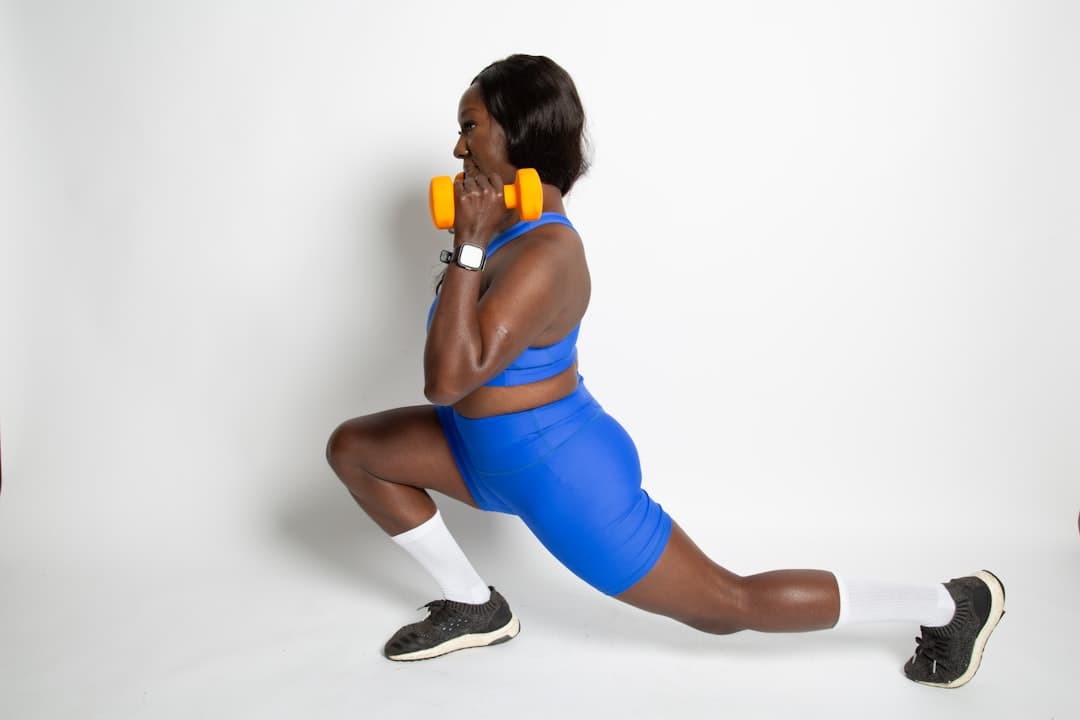
Gentle movement can reduce cramps and improve mood, which can indirectly improve energy. A short walk, easy cycling, yoga, or stretching counts.
If you train regularly, consider using RPE (rate of perceived exertion) to guide you. Many people do better with lower RPE sessions during their heaviest or most symptomatic days, then return to usual intensity when energy rebounds.
Treatments your clinician may discuss
If period fatigue is tied to heavy bleeding, severe cramps, or significant PMS symptoms, medical treatment can be very effective.
Options may include anti-inflammatory medicines, hormonal contraception to reduce bleeding and cramping, or treatment targeted to an underlying condition (like fibroids or endometriosis). If iron deficiency is confirmed, your clinician can recommend the right dose and form of iron, and recheck levels to make sure they are improving.
If you are in midlife and noticing cycle changes plus new fatigue, ask whether perimenopause could be contributing. For some people, Menopause Hormone Therapy is an option later on, but it requires individualized risk-benefit discussion.
If you are using any supplements marketed as “energy boosters” or Performance-Enhancing products, bring the labels to your appointment. Some can worsen anxiety, disrupt sleep, or interact with medications.
Key takeaways for next cycle
You do not have to “push through” every month.
Track timing (when fatigue starts, peaks, and lifts), bleeding heaviness, sleep, and cramps for two or three cycles. Patterns help clinicians pinpoint likely causes and help you plan your schedule and workouts more realistically.
Frequently Asked Questions
- Can period fatigue happen even if my cramps are mild?
- Yes. Hormone shifts, changes in sleep quality, and appetite changes can cause fatigue even without significant pain. If it is new, severe, or lasting most of the month, a healthcare professional can help check for issues like low iron or thyroid problems.
- Is it normal to feel dizzy or weak on the first day of my period?
- Mild dizziness can happen, especially if you are dehydrated, not eating much, or bleeding more heavily than usual. If you have significant [lightheadedness](/glossary/lightheadedness), fainting, or very heavy bleeding, seek medical care promptly.
- Do vitamins or iron supplements help with period fatigue?
- They can help if a deficiency is present, but supplementing without testing is not always safe or useful. A clinician can check bloodwork and recommend the right supplement and dose if needed.
- Could my birth control be making me more tired during my period?
- It is possible. Some people feel more fatigued with certain hormonal methods, while others have less fatigue because bleeding and cramps improve. If you suspect a link, discuss it with your prescriber, because switching formulations or methods may help.
Get Evidence-Based Health Tips
Join readers getting weekly insights on health, nutrition, and wellness. No spam, ever.
No spam. Unsubscribe anytime.