Why Do I Get Hot Flashes at Night?
Summary
Nighttime hot flashes happen when your body’s temperature control system becomes more reactive, often due to hormonal changes, medications, or common sleep triggers. Most are manageable, but persistent or new night sweats deserve a check-in with a healthcare professional to rule out underlying issues.
What’s happening in your body at night
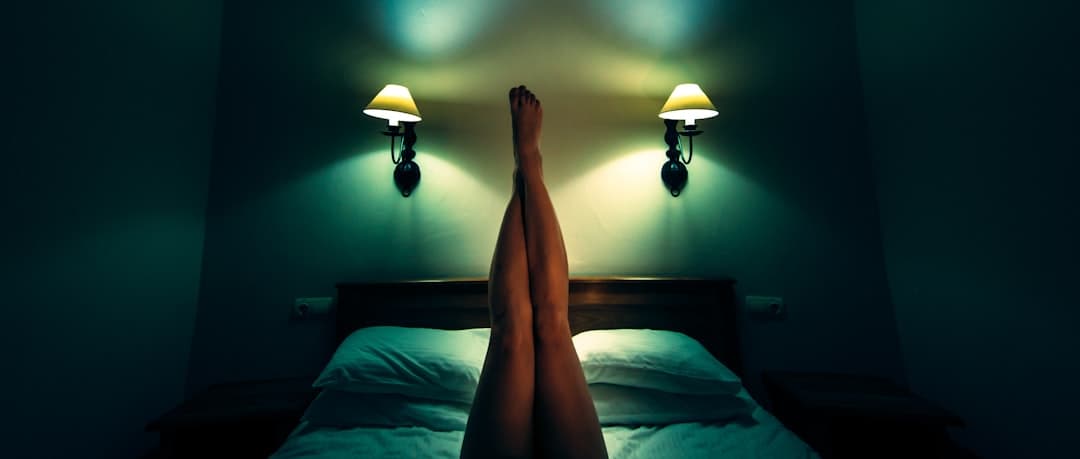
A hot flash is a sudden wave of heat, usually with sweating and flushing, that can wake you up or make it hard to fall back asleep.
At the center of it is your brain’s temperature “thermostat” (in the hypothalamus). When that system becomes more sensitive, small changes in core temperature can trigger a big cooling response, blood vessels widen, your heart may race, and sweating kicks in.
Nighttime can make this easier to set off.
Your core body temperature naturally shifts over 24 hours, and sleep changes how your nervous system regulates heat. Add a warm room, heavy bedding, alcohol, or stress, and the same body that felt fine at 6 pm may suddenly feel overheated at 2 am.
It is also easy to confuse hot flashes with other causes of night sweating. Hot flashes tend to come in episodes (a surge of heat, sweating, then cooling), while other causes may create more continuous drenching sweat or come with fever, cough, or feeling unwell.
Common reasons for nighttime hot flashes
Perimenopause and menopause
This is the most common reason in midlife.
As estrogen levels fluctuate (and later decline), the hypothalamus can become more “twitchy” about temperature. Many people notice hot flashes are worse at night because sleep disruption, a warmer sleep environment, and stress hormones can amplify the response.
If you are having irregular periods, new sleep problems, mood changes, or vaginal dryness along with hot flashes, the pattern often fits perimenopause.
Surgical or treatment-related hormone changes
Hot flashes can start abruptly after removal of the ovaries, certain cancer treatments, or other therapies that affect estrogen signaling.
If your symptoms began soon after a procedure or medication change, that timing is useful to tell your clinician.
Medications and substances
Several common medications can trigger flushing or sweating, especially at night.
Examples include some antidepressants, opioids, medications that affect blood sugar, and treatments that alter hormones. Alcohol can also be a strong trigger for some people, and nicotine can worsen vasomotor symptoms.
If you suspect a medication, do not stop it on your own. Ask whether a different dose, timing, or Formulation could reduce symptoms.
Stress, anxiety, and sleep disruption
A stressed nervous system runs “hotter.” Even when you are exhausted, your body can release adrenaline and cortisol during the night, which can trigger sweating and a racing heart that feels like a hot flash.
This can overlap with insomnia and panic symptoms. The experience is real, and it is common, but it is also treatable.
Blood sugar swings (including early insulin resistance)
Some people wake sweaty, shaky, or hungry, especially if they had alcohol, a late high-sugar meal, or they skipped dinner.
Nighttime low blood sugar can cause sweating and a pounding heart, and early insulin resistance can make glucose regulation less stable overnight. If you have risk factors for Pre-diabetes (such as a history of gestational diabetes, PCOS, or a strong family history), it is reasonable to ask a healthcare professional whether screening makes sense.
Thyroid and other medical causes
An overactive thyroid can cause heat intolerance, sweating, anxiety, and palpitations that may feel like hot flashes.
Less commonly, infections, inflammatory conditions, and some cancers can cause night sweats. Those night sweats are often more persistent and come with other symptoms (fever, weight loss, or feeling generally ill), which is one reason patterns matter.
Triggers that often make night hot flashes worse
Sometimes the “why” is a combination of a sensitive thermostat plus predictable triggers.
Common ones include a warm bedroom, thick comforters, late-night alcohol, spicy foods, and hot drinks. Intense evening workouts can also temporarily raise core temperature, and some people notice worse symptoms when they are training hard or not recovering well.
If you are pushing your workouts and sleeping poorly, consider whether Overreaching could be part of the picture. That does not mean exercise is bad, it just means timing, intensity, and recovery may need adjusting.
Pro Tip: If you want to test triggers, change one variable for 1 to 2 weeks (for example, alcohol timing or bedroom temperature) and track nights with symptoms. Treat it like a structured Self-Experiment, not a daily guessing game.
A quick note on interpreting patterns: noticing that hot flashes happen after wine or during stressful weeks is useful, but it does not prove the trigger is the cause every time. This is a classic place where Correlation is Not Causation applies.
What often helps (and what to ask about)
Start with changes that reduce overheating and calm the nervous system. These can make a noticeable difference even when hormones are the main driver.
Some people explore supplements, cooling pillows, or wearable trackers. Those can be reasonable, but results vary, and “natural” does not always mean safe with your medical history or other medications.
Hot flashes are linked to brain signaling chemicals that influence temperature regulation. Researchers have also studied the role of neuropeptides such as Substance P and processes involved in Neurotransmitter Production. This does not mean you can or should try to “hack” these pathways yourself, but it helps explain why both hormonal and nonhormonal treatments can work.
When to see a healthcare professional
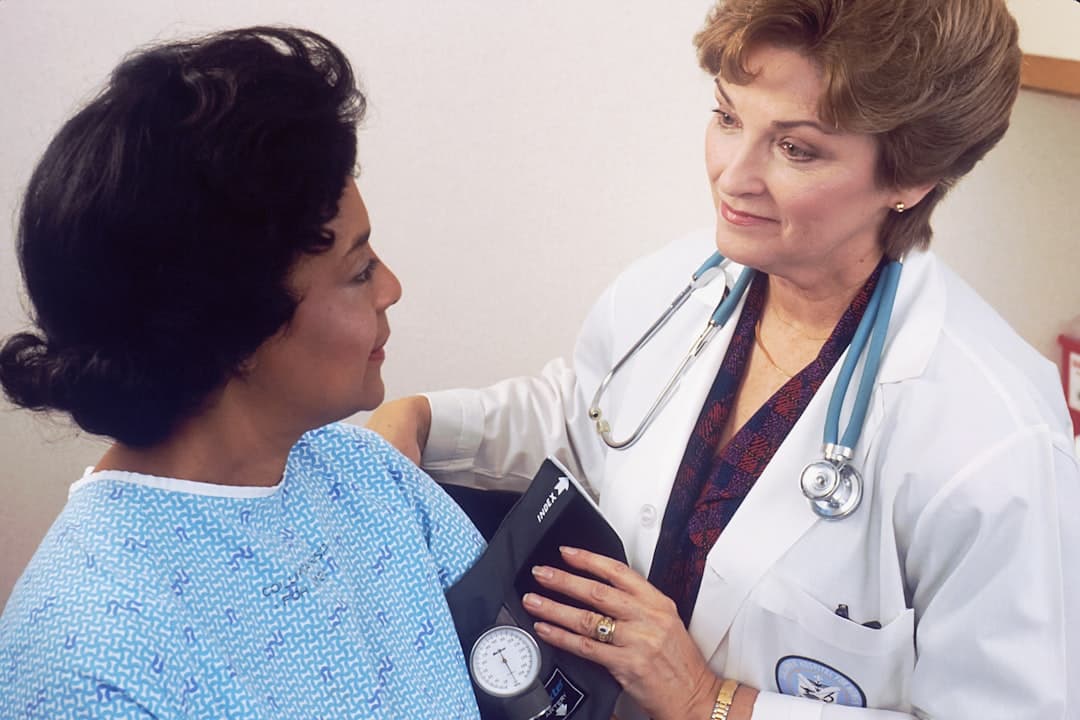
Most nighttime hot flashes are not dangerous, but you should get evaluated if they are new, severe, or changing quickly.
Important: Seek urgent care if sweating comes with chest pain, fainting, severe shortness of breath, or a new irregular heartbeat.
Consider making an appointment if any of these apply:
If you can, bring a short log: when symptoms occur, how long they last, whether you had alcohol or spicy food, bedroom temperature, menstrual changes, and any medications or supplements.
One more myth check: people sometimes worry that a hot flash means something like a vaccine reaction months later. There is no good evidence that routine vaccines cause chronic hot flashes, and broad claims like Vaccines Cause Autism are an example of misinformation that can distract from getting the right evaluation.
Key takeaways
Frequently Asked Questions
- Can you have night hot flashes while still having periods?
- Yes. Perimenopause can cause hot flashes years before periods stop, and symptoms can come and go as hormones fluctuate. If you are unsure whether symptoms fit perimenopause, a clinician can review your history and rule out other causes.
- Are night hot flashes the same as night sweats?
- Not always. Hot flashes are usually brief episodes of heat, flushing, and sweating that peak and then fade, while night sweats can be more continuous and may be linked to infection, medications, or other medical issues. If you are soaking the bed or have fever or weight loss, it is worth getting evaluated.
- Do hot flashes at night mean my hormones are “low”?
- They can be related to hormonal changes, but symptoms do not map perfectly to a single hormone level. In perimenopause, levels can fluctuate widely, and the brain’s temperature regulation can become more sensitive. A healthcare professional can help decide whether testing is useful based on your age and symptoms.
- Could sleep apnea cause night sweating that feels like hot flashes?
- It can. Some people with obstructive sleep apnea wake sweaty and overheated after breathing pauses and adrenaline surges, sometimes without realizing they snore or stop breathing. If you have loud snoring, choking or gasping at night, or marked daytime sleepiness, ask about screening.
Get Evidence-Based Health Tips
Join readers getting weekly insights on health, nutrition, and wellness. No spam, ever.
No spam. Unsubscribe anytime.