Heart Racing After Eating: What It Can Mean
Summary
A racing heart after eating is often a normal response to digestion, a large or high-carb meal, caffeine, alcohol, or stress. Sometimes it can be linked to blood sugar swings, low blood pressure after meals, food reactions, or an irregular heart rhythm. If it’s new, frequent, or comes with chest pain, fainting, or shortness of breath, it’s worth getting checked by a healthcare professional.
What’s happening in your body after a meal
Eating shifts your circulation.
As your stomach and intestines get to work, more blood is directed to the digestive tract. To keep blood pressure and overall blood flow steady, your nervous system may slightly increase heart rate and the force of contraction. Many people never notice this, but if you are sensitive to body sensations, dehydrated, anxious, or you ate a very large meal, it can feel like your heart is “pounding.”
Hormones also change after you eat. Insulin and gut hormones rise, and your autonomic nervous system adjusts accordingly. These normal signals can sometimes trigger palpitations, especially in people who already have a tendency toward fast heart rate, reflux, or panic symptoms.
If you track your pulse with a smartwatch, remember that consumer wearables can misread beats during movement or when your hands are warm after eating. They can be useful for patterns, but they are not the same as a medical-grade rhythm test.
Common, usually benign reasons your heart races after eating
For most people, the cause is a combination of meal size, meal composition, and stimulants.
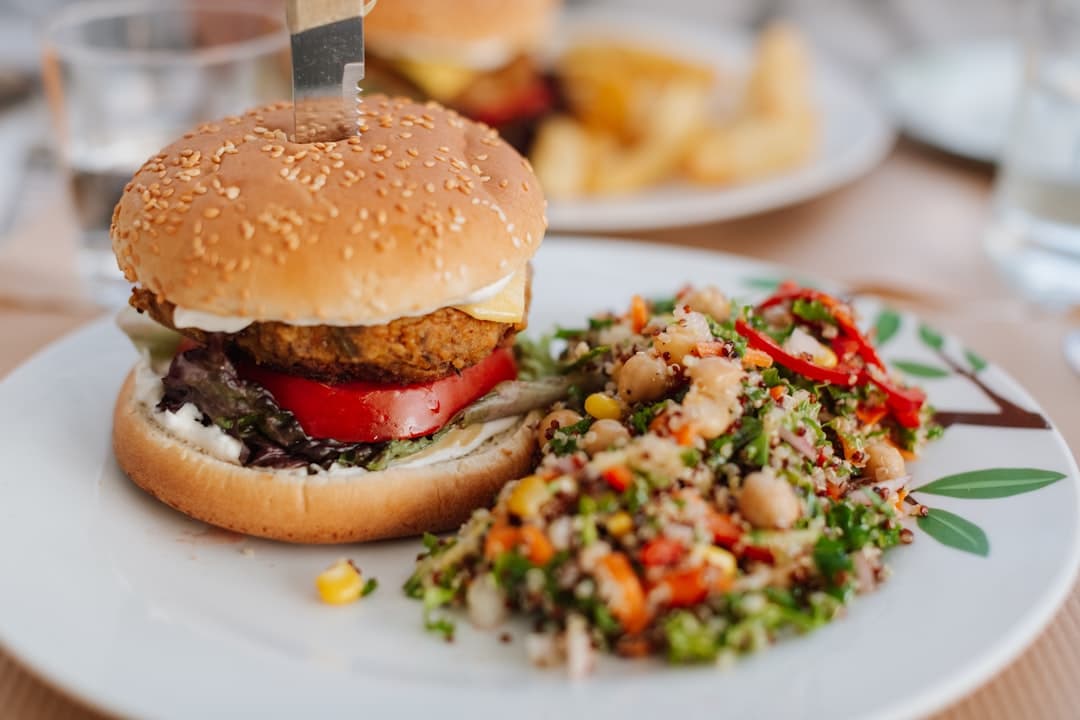
A big meal can physically distend the stomach and increase pressure under the diaphragm. That can make your heartbeat feel louder or more forceful, and it can also worsen reflux. Reflux symptoms can mimic heart symptoms and can trigger a surge of adrenaline that speeds the pulse.
High-sugar or high-refined-carb meals can cause a rapid rise in blood glucose, followed by a stronger insulin response. In some people, that sequence is followed by shakiness, sweating, and a fast heartbeat, even if they do not have diabetes. If you notice symptoms most often after sweets, sweet drinks, or very starchy meals, this pattern is worth discussing with a clinician.
Stimulants are frequent culprits.
Stress matters too. When you eat in a rush, argue at the table, or eat while working, your body may stay in a “fight-or-flight” mode. The Prefrontal Cortex, the part of the brain involved in attention and threat appraisal, can amplify how intense palpitations feel, even when the rhythm itself is not dangerous.
When it might point to something worth checking
Sometimes a post-meal racing heart is a clue, not just a nuisance.
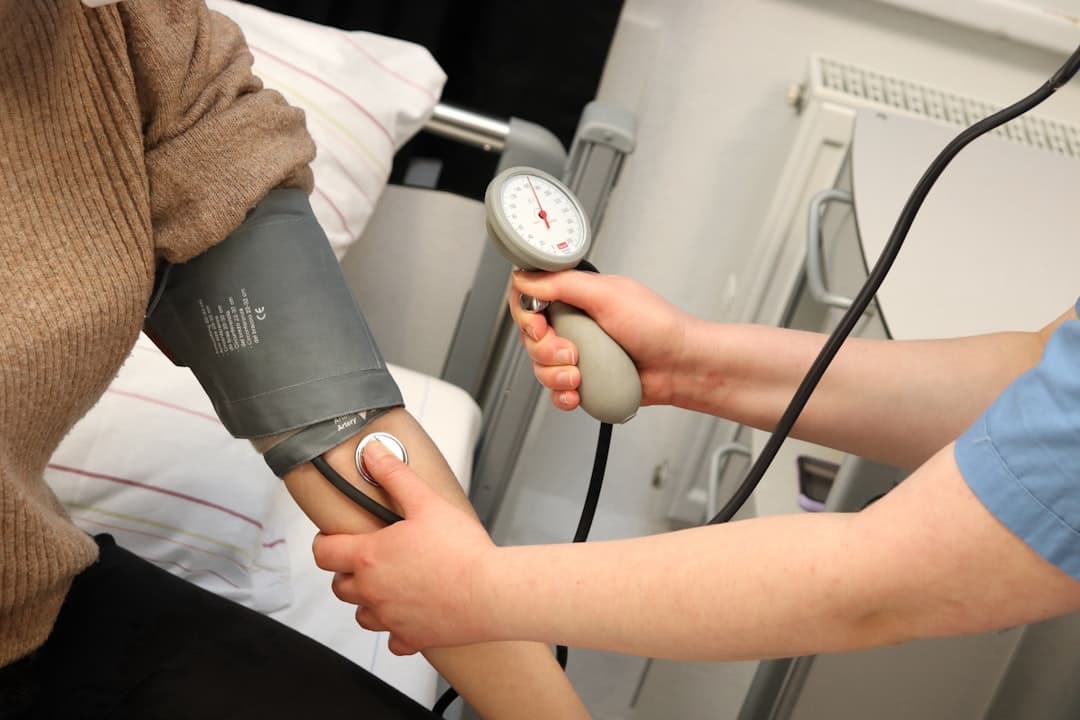
One possibility is low blood pressure after meals (often called postprandial hypotension). After eating, blood vessels in the gut widen to support digestion. If your body does not compensate well, blood pressure can drop and your heart rate may rise to make up for it. This is more common in older adults and in people with autonomic nervous system conditions, diabetes, or dehydration.
Another possibility is a true arrhythmia that is being triggered by eating. Some people notice episodes of supraventricular tachycardia (SVT) or atrial fibrillation around meals, alcohol, or reflux. These rhythms can start suddenly, feel very fast or irregular, and may come with lightheadedness.
Food reactions can also play a role. A true food allergy can cause flushing, hives, swelling, wheeze, stomach symptoms, and a fast heartbeat. A milder food sensitivity can still cause uncomfortable symptoms, but it should not cause throat swelling or trouble breathing. Skin rashes from things like Allergic Contact Dermatitis are different from food allergy, but if you are unsure what type of reaction you are having, it is safest to ask a clinician.
Finally, underlying medical issues can lower your “threshold” for palpitations, including anemia, thyroid disease, fever, poorly controlled blood sugar, sleep deprivation, and dehydration. This is where individualized assessment and Clinical Decisions matter, because the same symptom can be benign in one person and important in another.
Important: Seek urgent care now if a racing heart after eating comes with chest pain or pressure, fainting or near-fainting, severe shortness of breath, new confusion, or signs of a severe allergic reaction (throat tightness, swelling of lips or tongue, wheezing). If you have known heart disease, do not “wait it out.”
Things you can try (and what to track)
If your symptoms are mild and you are otherwise well, simple adjustments often help.
Start with the meal itself. Smaller, more frequent meals can reduce the digestive blood-flow shift and stomach distention that can provoke palpitations. Many people also do better when meals include protein, fiber, and healthy fats, which slow down glucose absorption compared with a mostly sugary or refined-carb meal.
Hydration can be a quiet fix. If you are even mildly dehydrated, your heart rate may climb more easily after meals. Water with meals is fine for most people, but if you have heart failure or kidney disease, ask your clinician what fluid intake is appropriate.
Gentle movement after eating can help some people, but intensity can backfire.
Track patterns for one to two weeks. You do not need a complicated log.
Pro Tip: If you have a smartwatch that can capture a single-lead rhythm strip, save recordings from symptomatic moments to show your clinician. Do not rely on the device to rule out a problem, but the timing and pattern can be helpful.
When to see a healthcare professional (and what tests may come up)
Make an appointment if episodes are new, happening more often, lasting longer, or interfering with daily life.
It is also worth being assessed if you have risk factors like high blood pressure, diabetes, sleep apnea, thyroid disease, anemia, pregnancy, or a family history of arrhythmias or sudden cardiac death.
A clinician will usually start with a history, vital signs, and an exam, then decide what fits your situation. They may recommend an ECG, blood tests (such as thyroid or anemia screening), and sometimes ambulatory monitoring (a Holter or event monitor) to capture the rhythm during real life. If symptoms suggest a structural issue or complications, additional testing may be considered, and in some cases that can include Imaging.
Bring a list of medications and supplements. Decongestants, thyroid medication dosing, some inhalers, stimulant ADHD medications, and certain weight-loss or “energy” products can contribute.
If you suspect a specific food trigger, do not start a highly restrictive diet without guidance. A clinician or dietitian can help you avoid unnecessary restriction while still addressing possible intolerances, reflux patterns, or blood sugar swings. Some people also ask about gut health concepts like Intestinal Permeability, but symptoms like palpitations still deserve a standard medical evaluation first.
(Separate note: nutrients like vitamin D are important for overall health, but palpitations after meals are not typically explained by vitamin D status alone. If you are addressing deficiency, your clinician may discuss vitamin D metabolism, including Previtamin D, in a broader plan.)
Key takeaways
Frequently Asked Questions
- Can heart racing after eating be related to GERD or bloating?
- Yes. Reflux, gas, and stomach distention can make your heartbeat feel stronger and can trigger adrenaline-like symptoms that include a fast pulse. If it happens with burning, sour taste, belching, or symptoms that worsen when lying down, ask a clinician about reflux-focused strategies.
- Is it normal for my heart to race after spicy food?
- Spicy foods can cause flushing, sweating, and a sensation of a pounding heart in some people, especially if they trigger reflux. If symptoms are intense, frequent, or accompanied by hives or swelling, it is safer to discuss it with a healthcare professional to rule out intolerance versus allergy.
- Could this be reactive hypoglycemia even if I don’t have diabetes?
- It can be. Some people experience shakiness, sweating, anxiety, and palpitations a few hours after a high-sugar or high-refined-carb meal, which can be related to a blood sugar dip. A clinician can help decide whether monitoring or testing is appropriate and whether meal composition changes are likely to help.
- Does lying down after eating make palpitations worse?
- For some people, yes, particularly if reflux is part of the picture. Lying down can increase reflux and chest discomfort that feels like palpitations. If you notice a strong pattern, try staying upright for a while after meals and discuss persistent symptoms with a clinician.
Get Evidence-Based Health Tips
Join readers getting weekly insights on health, nutrition, and wellness. No spam, ever.
No spam. Unsubscribe anytime.