Best and Worst Rice for Blood Sugar, Ranked
Summary
If rice keeps spiking your blood sugar, this ranking offers a practical shortcut. After testing 20 rice types over 20 days, Dr. Ahmed Erin sorts options into a red danger zone, a yellow proceed-with-caution group, and green winners. Long-grain white rice lands in red due to a large carb load per bowl. Brown and wild rice are treated as “okay, but be careful.” Black rice performs better in this framing. The standout swaps are cauliflower rice and konjac-based “shiitake” style rice, which may have minimal impact because most carbs are fiber.

Rice is not “off limits” for everyone, but the type and portion can change your blood sugar response fast.
This practical ranking sorts rice into three bowls: red (danger zone), yellow (okay, but be careful), and green (best choices), based on real-world clinic testing over 20 days with 20 rice types.
The ranking idea: red, yellow, and green bowls
The discussion centers on a simple idea: stop arguing about whether rice is “good” or “bad,” and start comparing what it does to your glucose.
Instead of focusing on labels, this approach focuses on carb load per bowl and how quickly blood sugar rises. That matters because carbohydrates are the main nutrient that raises post-meal glucose, and portion size can turn a “normal” food into a big spike.
Did you know? A typical 1 cup serving of cooked white rice contains about 45 grams of carbohydrateTrusted Source, which is close to what the video describes as “46 g of naked carbs per bowl.”
Red bowl: long-grain white rice (the spike risk)
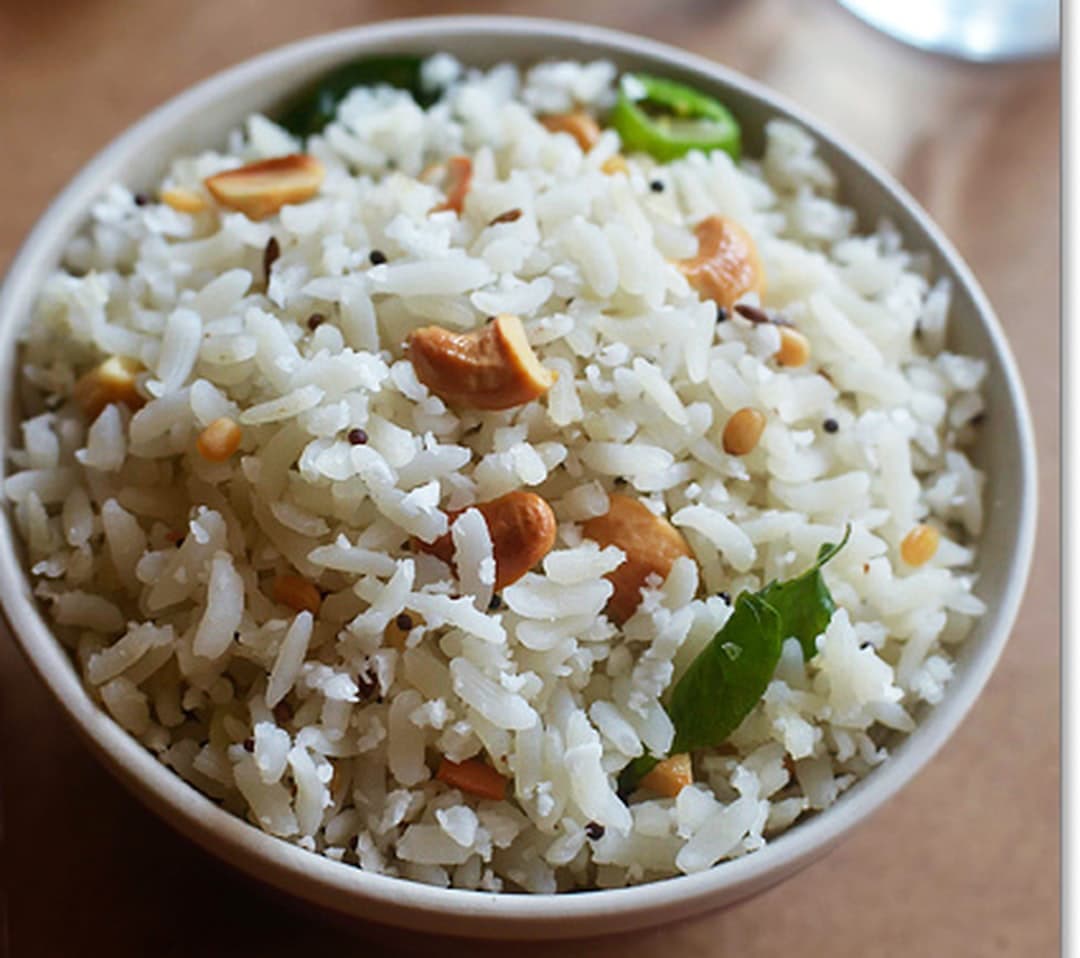
Long-grain white rice is framed as the everyday staple, fluffy, mild, and common.
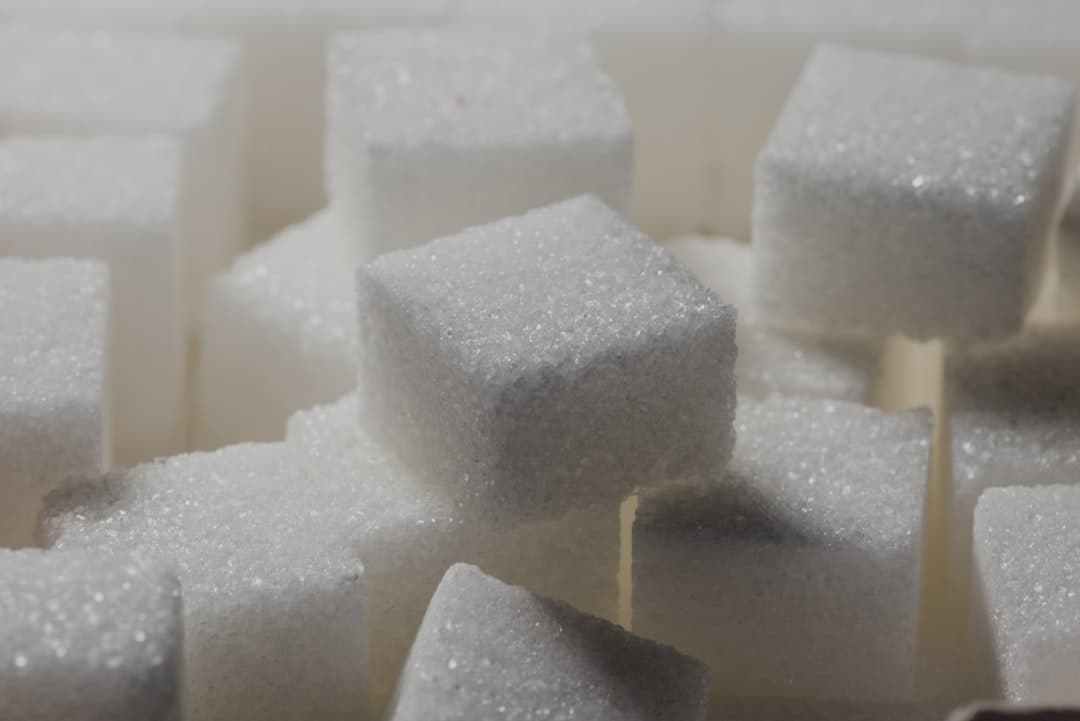
The key insight here is the 46 g of carbs per bowl, described as “like eating 12 teaspoons of sugar.” In the clinic’s testing, patients’ blood sugar “shot up” quickly, so it lands in the red bowl.
Why it can hit fast
White rice is refined, meaning much of the fiber and bran are removed. With less fiber slowing digestion, glucose can enter the bloodstream more quickly for many people. Research also shows white rice tends to have a higher glycemic index than many whole grains, though responses vary person to person (Harvard T.H. Chan Nutrition SourceTrusted Source).
Important: If you use insulin or medications that can cause hypoglycemia, changing your usual rice portion can change your medication needs. Check with your diabetes clinician before making major carb cuts.
Yellow bowl: “healthy” rice that still needs caution
This framing challenges a common assumption: “brown rice is automatically safe.”
Brown rice and wild rice are placed in the yellow bowl, meaning proceed carefully. The video calls out numbers for wild rice: 42 g carbs, 6 g protein, 4 g fiber per bowl. Even with fiber, the total carbohydrate can still be substantial.
Green bowl winners: cauliflower rice and konjac rice
These “winners” are not traditional rice, and that is the point.
Cauliflower rice (simple, repeatable)
Cauliflower rice is presented as the first green-bowl win because it can replace rice volume with far fewer digestible carbs.
How to make it (video method):
Pro Tip: If you miss the “rice” feel, mix half cauliflower rice with a smaller portion of your usual rice, then check your 1 to 2 hour post-meal glucose to see your personal response.
Konjac-based “shiitake” style rice (ultimate winner)
The clinician highlights a jelly-like rice made from the konjac plant, often sold as konjac rice or shirataki-style rice. The standout claim is only 5 g of carbs per bowl, and “almost all of that is fiber,” with one patient’s blood sugar not moving.
What the research shows: Glucomannan, a soluble fiber from konjac, can support modest improvements in glycemic control. A meta-analysis found glucomannan supplementation reduced fasting blood glucose by about 0.60 mmol/LTrusted Source in people with metabolic conditions, although food products and doses vary.
How to use this ranking in real meals
This perspective is action-focused: choose your bowl, then build a meal that fits your goals.
Q: Is black rice really “better,” or is it just hype?
A: In this ranking, black rice performed better because blood sugar rose “slowly and gently.” Black rice also contains anthocyanins, plant compounds linked with antioxidant effects (Cleveland ClinicTrusted Source). Even so, it is still a carbohydrate food, so portion size and your personal glucose readings matter.
Dr. Ahmed Erin, Endocrinologist
Key Takeaways
Frequently Asked Questions
- How can I tell if a rice choice spikes my blood sugar?
- A practical method is to check your glucose before the meal and again about 1 to 2 hours after, using the plan your clinician recommends. Track the rice type, portion, and what you ate with it, since protein, fiber, and fats can change the rise.
- Is brown rice always better than white rice for diabetes?
- Not always. Brown rice usually has more fiber, but it can still contain a similar amount of total carbohydrate per serving, so it may still raise blood sugar, just sometimes more slowly.
- Is konjac (shirataki-style) rice safe for everyone?
- Many people tolerate it well, but high-fiber products can cause gas or bloating, especially if you increase fiber quickly. If you have swallowing problems or significant digestive disease, ask your clinician for personalized guidance.
Get Evidence-Based Health Tips
Join readers getting weekly insights on health, nutrition, and wellness. No spam, ever.
No spam. Unsubscribe anytime.