Could This High-Fiber Pasta Flatten Sugar Spikes?

Summary
A striking takeaway from the video is that pasta is not automatically “the enemy” for diabetes, the type of pasta can matter a lot. The clinician describes a patient who ate a large bowl of pasta without a glucose spike after switching from traditional spaghetti to an edamame-based pasta that is much higher in fiber and protein. The video’s framing is simple: fewer digestible carbs plus more fiber and protein can flatten the post-meal curve, possibly through slower digestion and satiety hormones like GLP-1. The nuance is that responses vary, and portions and toppings still count.
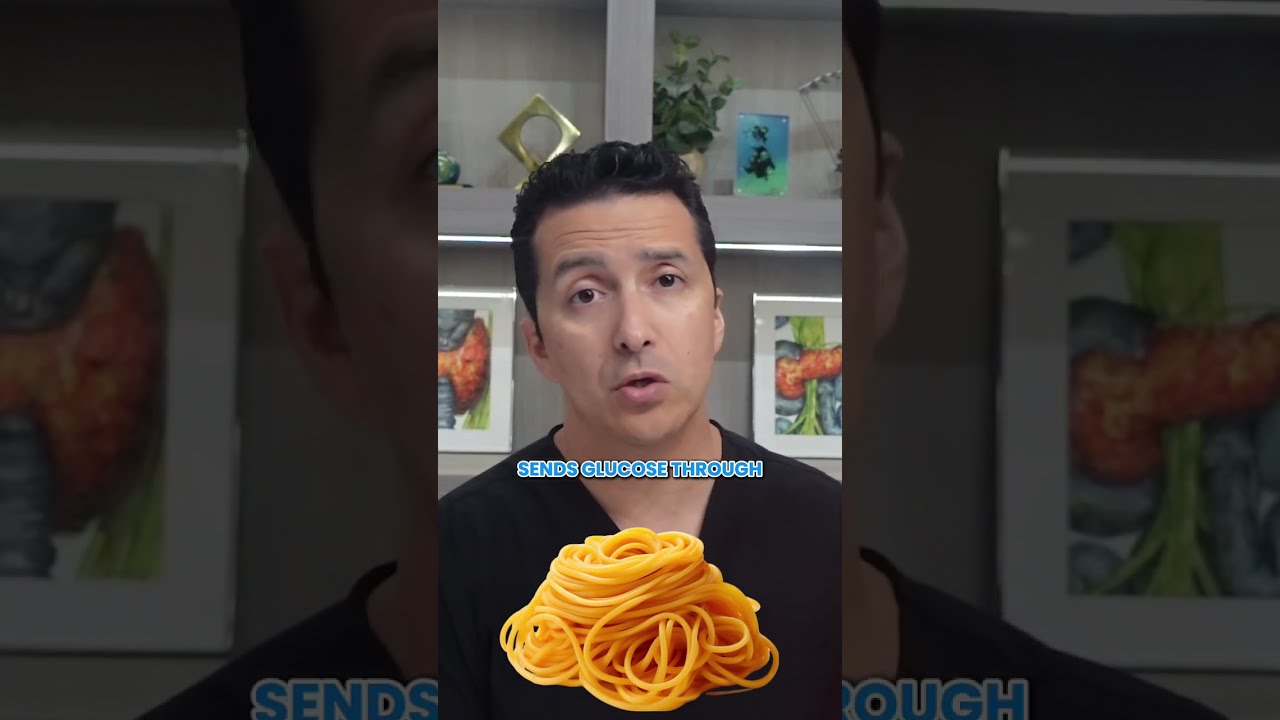
The most useful takeaway from this video is not “eat pasta freely.” It is this: the type of pasta can change the blood sugar story.
The surprising pasta swap that changed the curve
A clinician describes a patient with diabetes who ate a huge bowl of pasta and did not spike.
The argument is that decades of blanket advice, “pasta is the enemy,” misses a key trade-off: some pastas are built more like a protein and fiber food than a refined starch.
In the video, a patient named Maria had avoided pasta for three years. After switching pasta types twice a week, her reported post-meal glucose dropped from 250 to 140 mg/dL, and her A1C reportedly moved from 9.2 to 7.1 in 3 months, with no medication changes.
Option A vs Option B: why the numbers matter
This perspective compares two very different products.
Before vs After (as framed in the video)
A practical nuance: “per serving” sizes vary, and sauces and sides can easily add carbs and saturated fat. Checking the Nutrition Facts label and measuring your portion is part of the trade-off.
Pro Tip: If you use a CGM or fingerstick meter, test your personal response by checking around 1 to 2 hours after eating, then compare the same meal with different pasta types.
What could be happening in your body (GLP-1, fiber, gut)
The video’s mechanism hinges on slower digestion.
Higher protein and fiber can reduce the speed at which glucose enters the bloodstream. The clinician links the protein content to GLP-1, an incretin hormone that helps regulate appetite and insulin response, and is also the pathway targeted by GLP-1 medications such as semaglutide. GLP-1 is known to slow gastric emptying and improve post-meal glucose for many people, although medication effects are stronger and longer-lasting than food effects. For background, see an overview of GLP-1 biology from the National Library of MedicineTrusted Source.
Fiber adds another layer. The video notes that fiber feeds beneficial gut bacteria, which can produce short-chain fatty acids that are associated with metabolic health. Research reviews discuss how SCFAs and the gut microbiome may influence insulin sensitivity and inflammation over time, although individual results vary, see a microbiome and diabetes overview in Nature Reviews EndocrinologyTrusted Source.
Did you know? Many guidelines encourage higher fiber intake for cardiometabolic health, and fiber-rich eating patterns are consistently linked with better glycemic outcomes in population studies, see the American Diabetes Association nutrition guidanceTrusted Source.
How to try this idea safely in real life
If you want to test the video’s approach, focus on structure, not perfection.
Q: Can I treat edamame pasta like “unlimited pasta” if my CGM looks flat?
A: A flatter curve is encouraging, but “unlimited” can still backfire because calories add up, and some people still see delayed rises. It is safer to start with a measured portion, then adjust based on your readings and your care team’s guidance.
Video clinician, MD (as presented)
Key Takeaways
Frequently Asked Questions
- Is edamame pasta always better for blood sugar than regular pasta?
- Not always. Many people may see a smaller rise because it is higher in fiber and protein, but responses vary by portion size, sauce, activity, and medications, especially insulin.
- Will higher-protein pasta replace GLP-1 medications like Ozempic?
- Food choices can support steadier glucose, but they do not replicate medication strength or dosing. If you use or are considering GLP-1 therapy, discuss risks and benefits with your prescribing clinician.
- What is a practical way to test whether a pasta works for me?
- Keep the meal consistent and compare glucose at about 1 to 2 hours after eating on two different days, one with regular pasta and one with a higher-fiber alternative. Share the results with your diabetes care team if you see unexpected highs or lows.
Get Evidence-Based Health Tips
Join readers getting weekly insights on health, nutrition, and wellness. No spam, ever.
No spam. Unsubscribe anytime.