11 Daily Health Essentials for Cleaner Air and Calm
Summary
Most people chase longevity with one big supplement or one perfect workout. This video’s perspective is different: build a repeatable daily system, reduce exposures (especially air), and measure what changes your body. The essentials highlighted include certified air quality monitoring, extra virgin olive oil with every meal (15 ml), vagus nerve calming tools, wearables for sleep and recovery, daily temperature tracking, body composition trends, compact strength training, and sleep cooling. The through line is practical: pick tools you will actually use, then track your response over time.
🎯 Key Takeaways
- ✓Respiratory health starts at home, certified indoor air monitoring and filtration can help you spot when indoor air matches outdoor pollution.
- ✓Consistency beats novelty, the “essentials” are the items that survived weeks of experimentation and became daily habits.
- ✓Measurement is the core skill, wearables, temperature checks, and body composition trends help connect behaviors to outcomes like sleep quality.
- ✓Nervous system downshifting matters, vagus nerve stimulation and vibration tools are used to move from fight or flight toward a calmer state.
- ✓Sleep environment is treated like a performance tool, a temperature controlled bed is framed as a meaningful lever for sleep quality.
What most people get wrong about “health essentials”
Most people build a health routine like a shopping cart. They add more and more, then wonder why nothing sticks.
This approach flips that. The “essentials” are not the newest trends, they are the products that survived real life testing, used daily, while other experiments disappeared “within a matter of weeks.” The unique emphasis is not just what to buy, but how to build a personal system that is repeatable.
The key insight here is simple: habits plus measurement beat motivation. Instead of assuming something works because it sounds scientific, the routine is built around tracking, then keeping only what moves the needle.
Pro Tip: If you want a routine you will actually keep, reduce the number of decisions you make each day. Pre plan meals, pre set sleep conditions, and standardize your tracking.
There is also a respiratory health thread running through this list. Air quality is treated as foundational, not optional, because what you breathe all day quietly shapes sleep, recovery, and how “amped up” your body feels.
Start with the lungs: make indoor air measurable
Air is the most constant “input” you have. You can skip a workout, but you cannot skip breathing.
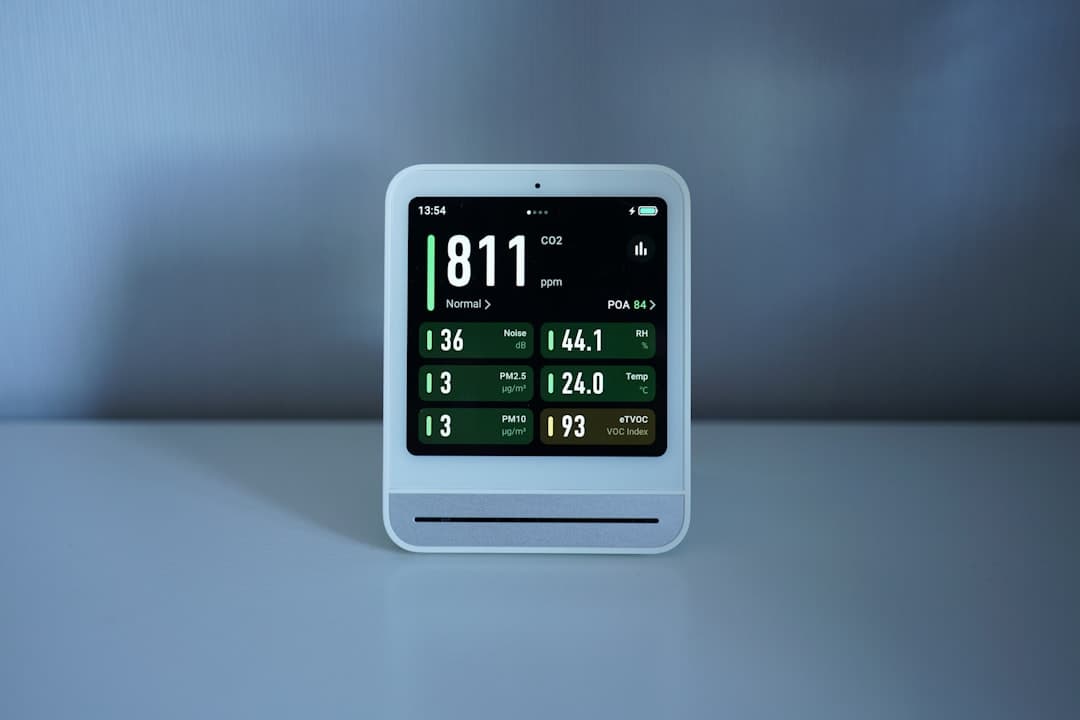
This perspective highlights that many people underestimate indoor air. Cooking, outdoor pollution, wildfire smoke, cleaning products, and even open windows can change what you inhale, especially in high traffic cities. The routine described uses an IQAir device that is quantified and certified, cycles through screens, and reports indoor and outdoor air quality trends monthly.
The practical takeaway is not “buy this exact brand.” It is: choose an air monitor or purifier that is certified, and use it to learn when your indoor air becomes the same as outdoors. That detail matters because it is easy to assume your home is a safe bubble, until the data shows otherwise.
What to do with an air quality reading
Numbers are only useful if they change behavior. Here is an action oriented way to use the same logic.
Did you know? Fine particle pollution (often called PM2.5) is linked with respiratory and cardiovascular risks, and even short term increases can matter for sensitive groups. The EPA overview of particle pollutionTrusted Source explains common sources and health concerns.
Important: If you have asthma, COPD, or another lung condition, talk with your clinician before making major changes to ventilation or using ozone generating “air cleaners.” Some devices marketed for air cleaning can irritate airways. The EPA guidance on air cleanersTrusted Source is a good starting point.
Food and exposure control: stainless steel and olive oil
The “health essentials” here are not only supplements and gadgets. They are also containers and ingredients that make good decisions easier.
Stainless steel as a planning tool
Using food grade stainless steel containers is framed as both an exposure reduction strategy (less plastic contact) and a logistics strategy. The system described is straightforward: a chef prepares three to four days of food, portions it into canisters, then the meals are stored in the fridge for weekly planning.
That matters because respiratory health is not only about lungs. It is also about reducing the background stressors that make routines fragile. Meal planning reduces last minute takeout, late night eating, and decision fatigue, all of which can indirectly affect sleep and recovery.
Extra virgin olive oil with every meal (15 ml)
A standout detail in this video is the dosage and timing: one tablespoon (15 ml) of extra virgin olive oil with every meal, paired with food. It is described as a “superfood among superfoods,” and it is the most consumed single food in the routine.
The nuance is quality control. The approach emphasizes choosing an olive oil that is characterized and lab tested, rather than assuming every bottle on a shelf is equivalent.
What the research shows: A Mediterranean style eating pattern that includes olive oil is associated with cardiovascular benefits in large studies. For example, the PREDIMED trial found cardiovascular risk reduction with a Mediterranean diet supplemented with extra virgin olive oil in a high risk population, as summarized by the New England Journal of MedicineTrusted Source.
If you want to copy the strategy without overcomplicating it, focus on two questions: Can you tolerate it well with meals, and can you keep the habit daily?
Downshift the nervous system: vagus nerve tools and HRV
Respiratory health is tightly linked to the nervous system. When your body is in “fight or flight,” breathing often becomes faster and shallower. When you are calm, breathing tends to slow and deepen.
This framing emphasizes two modes: amped up versus chill, with the goal of spending more time in the chill state.
Two tools used for vagus nerve stimulation
Neurosym (left ear, 60 minutes). The device clips to the tragus (the small flap at the front of the ear) and delivers a light electrical pulse. The intent is to stimulate the vagus nerve on the left side, which travels from head and neck into the chest and abdomen.
Sensate (on the chest, often during nighttime wake ups). The teardrop device sits on the center of the chest and runs a vibration sequence synced to music. The routine described includes hugging a pillow to keep it close, using it specifically when waking up and struggling to fall back asleep.
These tools are presented as experiments. The bigger message is to “play with HRV” and see what changes your physiology.
Q: Is vagus nerve stimulation safe to try at home?
A: Some consumer devices use gentle electrical or vibration patterns and are generally marketed for relaxation, but “safe for you” depends on your health history. If you have a heart rhythm condition, an implanted device (like a pacemaker), seizures, or you are pregnant, it is smart to ask a clinician before using electrical stimulation products.
Jordan Lee, MPH (Health Education)
Important: If a device causes dizziness, palpitations, chest discomfort, worsening anxiety, or pain, stop using it and seek medical advice.
Measure, then adjust: wearables, temperature, and body comp
The most distinctive philosophy in the video is measurement as a lifestyle. The repeated theme is: measure, measure, measure.
Tracking is not framed as perfectionism. It is framed as building intuition about cause and effect, what happens when you change sleep timing, exercise, or meals.
Wearables are “good enough,” choose one you like
Three examples are shown: Whoop, Oura, and Apple Watch. The point is not that one is magical. The point is that a wearable can help you connect habits to outcomes, especially sleep.
One striking claim is achieving “eight months of perfect sleep,” using wearable data to refine behaviors. Whether or not your device labels sleep as perfect, the strategy is transferable: pick a metric, then run small experiments.
Daily temperature tracking as a “status signal”
Temperature is measured every day with an ear thermometer. Over time, the speaker reports a drop from 98.7 to 93.9 degrees (as stated in the video), interpreting it as improved metabolic efficiency.
Body temperature can vary for many reasons, including measurement technique, time of day, illness, and hormonal cycles. If you choose to track temperature, the action step is consistency: same device, same time, same placement, and note confounders like poor sleep or infection.
The Cleveland Clinic overview of basal body temperatureTrusted Source explains how temperature tracking is often used and why consistency matters.
Body composition over time
A smart scale (Wings) is used several times per week to track weight plus estimates of muscle, body fat, and bone density. The exact brand is not the point. The point is having a long term record so you can connect dietary changes and exercise protocols to body changes.
A helpful mindset is to treat these numbers as “directional,” especially for bioimpedance based body fat estimates. The trend over months is usually more useful than any single reading.
Sleep and strength: a cooler bed and compact training
Sleep is framed as the number one performance enhancing “drug” in your life.
Temperature controlled sleep
A smart bed system (Eight Sleep) is described as meaningfully improving sleep, largely because it can change mattress temperature. The proof in this routine is experiential and data driven: sleep worsens in hotels without temperature control.
Thermoregulation is a real sleep lever. Core body temperature naturally drops at night, and a cooler sleep environment can support that process. The National Sleep FoundationTrusted Source discusses how temperature affects sleep and practical ways to keep your bedroom comfortable.
Q: What if I cannot afford a temperature controlled mattress?
A: You can still experiment with temperature using lower cost steps like breathable bedding, a fan, or adjusting room thermostat settings. The goal is to reduce overheating, since waking up hot can fragment sleep even if you fall asleep easily.
Jordan Lee, MPH (Health Education)
Adjustable dumbbells for “no excuses” strength work
Strength training shows up here as a practicality tool. Adjustable dumbbells are framed as a compact solution for people without easy gym access or with limited space.
The action oriented point is that strength work should be frictionless. If your environment makes exercise hard, you will default to the easiest option, often just walking. Dumbbells create a wider menu of movement without requiring a full gym.
A note on “extras” that are still part of the daily system
The video also includes hair focused tools (a red light cap for 6 minutes daily, serum application, and a scalp scrubber used multiple times per day). Even if hair health is not your goal, the meta lesson matters: stack small actions into a morning sequence so they do not feel like separate “therapies.”
Organization tools, like stainless steel travel pill tins, are included for the same reason. When routines are organized, adherence goes up.
»MORE: If you want to copy the “system” idea, create a one page weekly checklist with three columns: environment (air, sleep temp), inputs (meals, movement), and outputs (sleep score, HRV, weight trend).
Key Takeaways
Frequently Asked Questions
- Do I need an IQAir device to improve indoor air quality?
- No. The key idea is to use a certified monitor or purifier so you can trust the readings and learn your home’s patterns. The EPA’s guidance on home air filters can help you compare options.
- Why take extra virgin olive oil with meals instead of on an empty stomach?
- In the video, it is paired with food as a consistent habit at each meal, one tablespoon (15 ml). If you have reflux, gallbladder issues, or digestive symptoms, ask a clinician what amount and timing is appropriate for you.
- Which wearable is best for tracking sleep and recovery?
- The approach here is that the best wearable is the one you will actually wear consistently. Whoop, Oura, and Apple Watch can all provide useful trends, especially when you focus on week to week patterns rather than single nights.
- Is it normal for my body temperature to vary day to day?
- Yes. Temperature can change with time of day, illness, sleep, stress, menstrual cycles, and measurement technique. If you track it, use the same device and timing to make the trend more meaningful.
- Can changing bed temperature really affect sleep quality?
- It can for many people, especially those who wake up hot or sweat at night. Sleep resources note that overheating can fragment sleep, so cooling strategies may help support more continuous rest.
Get Evidence-Based Health Tips
Join readers getting weekly insights on health, nutrition, and wellness. No spam, ever.
No spam. Unsubscribe anytime.