Don’t Die, AI, and Metabolic Health: A Practical Plan

Summary
If you feel like health advice is endless, conflicting, and easy to ignore, this video offers a blunt reframe: treat modern life as a constant experiment, then run a better one. The “Don’t Die” perspective argues that sleep comes first, food and exercise follow, and data should drive decisions, possibly with AI support when complexity exceeds human bandwidth. The goal is not perfection or a miracle cure, it is systematically removing what increases risk. This article translates the video’s most practical ideas into steps you can try, plus safety notes and research context.
🎯 Key Takeaways
- ✓The video’s core reframe is that everyone is already “experimenting”, the question is whether your experiment is fast food and poor sleep or deliberate habits.
- ✓Sleep is treated as the top daily priority, especially when traveling or changing time zones, because it anchors everything else.
- ✓The “Don’t Die” approach focuses on removing risk drivers (poor sleep, inactivity, toxins, alcohol excess) rather than chasing a single supplement or hack.
- ✓A unique claim here is that personal health data can exceed a clinician’s ability to process, making algorithmic support appealing, but it still needs oversight.
- ✓Momentum matters, the speaker emphasizes spreading an ideology fast, yet your personal version should stay safe, realistic, and medically supervised when needed.
When health advice feels like noise, try this reframe
Most people are not struggling because they lack health information. They are struggling because the information does not feel urgent enough to compete with work, travel, stress, social life, and convenience.
This video’s unique angle is not a new diet rule or a single metabolic trick. It is a hard-edged mission statement: in an era of rapidly advancing AI, the only thing that makes sense is “don’t die”, meaning reduce the drivers of early disease and decline as aggressively as you can sustain.
It is also emotional and messy. The speaker describes feeling like he is “fumbling” and “missing the moment”, while juggling backlash, skepticism, and operational problems that keep him from doing the core work. That context matters because it frames health as something you do under pressure, not in a perfectly optimized life.
A practical takeaway: you do not need a perfect plan to start.
Pro Tip: If you are overwhelmed, pick one measurable behavior for 14 days, for example a consistent sleep and wake time. Track it like a project, then decide what to add next.
The video’s “no script” lesson for your health
On the Sweden trip, he chooses not to script, not to plan, and to “say yes to everything” to get the message out. You do not need to copy that approach socially, but there is a useful translation for metabolic health: stop waiting for the ideal protocol.
Instead, make a short list of the biggest risk drivers you can actually change this week, then act.
The “everyone is a guinea pig” argument (and why it matters metabolically)
A key insight in the conversation is the pushback against the idea that radical longevity efforts make someone a “guinea pig.” The counterpoint is sharp: people who routinely eat fast food, drink heavily, smoke, or sleep poorly are also experimenting, they are just running an unplanned experiment.
This perspective highlights something many metabolic health plans miss: your body is always responding to inputs. Sleep debt, alcohol, ultra-processed foods, and inactivity are not neutral. They are signals.
In plain language, metabolic health is about how well your body manages energy. That includes blood glucose regulation, insulin sensitivity, lipid levels, blood pressure, inflammation, and body composition. You do not have to obsess over all of these at once to benefit. But you do need to accept the premise that your daily defaults shape them.
The video also reframes pleasure. Instead of selling “debauchery” as living life, it argues that health is the greatest joy. That is not moralizing, it is tactical. When you feel good, you are more likely to keep doing the behaviors that made you feel good.
Did you know? Clinical guidance for obesity emphasizes that sustainable lifestyle changes and ongoing support are central, rather than quick fixes or one-size-fits-all rules, see the clinical practice guideline overviewTrusted Source.
Expert Q&A: Is it safe to treat your body like an “experiment”?
Q: I like the idea of testing what works, but how do I do that safely?
A: Self-tracking can be helpful if you start with low-risk behaviors like sleep regularity, daily walking, and balanced meals, and you change one variable at a time. It becomes risky when people stack multiple supplements, extreme fasting, or intense exercise while ignoring medical conditions or medications.
If you have diabetes, heart disease, an eating disorder history, or you are pregnant, talk with your clinician before you make major changes. In those situations, experimentation should happen within a care plan.
Leila Hassan, MD, Internal Medicine
Start with the basics he actually practices: sleep, food, movement
The most actionable part of the video is how he describes his day before a public appearance. It is not a supplement stack. It is a sequence.
Sleep first.
He calls sleep his number one priority, especially when adapting to a new area. That travel detail is important because circadian disruption can push people into late meals, more caffeine, less movement, and worse food choices, a perfect storm for metabolic stress.
Then he wakes up, eats as the first thing he does, then exercises, then begins the day. You do not need to mirror the exact order, but the structure is useful: protect sleep, plan food, schedule movement.
A simple “Don’t Die morning” you can try
This is not a prescription. It is a practical template you can personalize.
Protect a sleep window first. Pick a bedtime and wake time you can repeat most days, including weekends. If you travel, prioritize the sleep window even if other routines slip.
Choose your first meal on purpose. The video mentions a meal that includes hummus, sauerkraut, carrot, avocado, described as a “breakfast” style plate. Whether you eat early or later, the key is intentionality and fiber-rich foods that can support fullness.
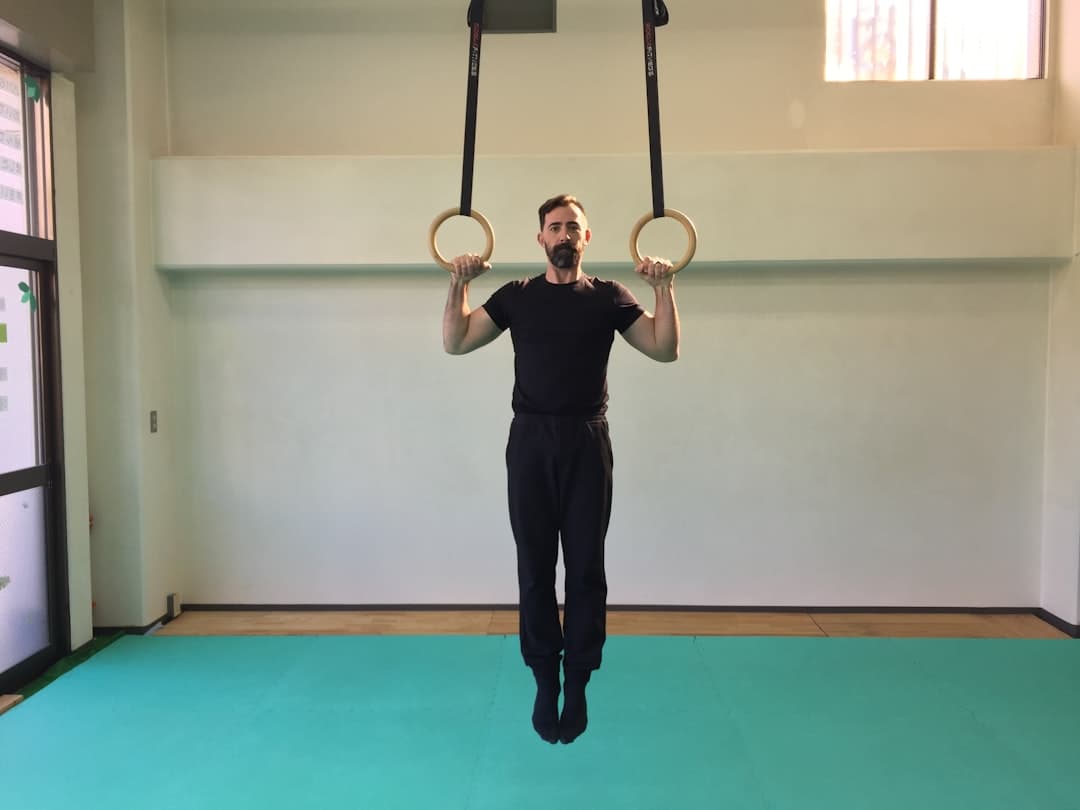
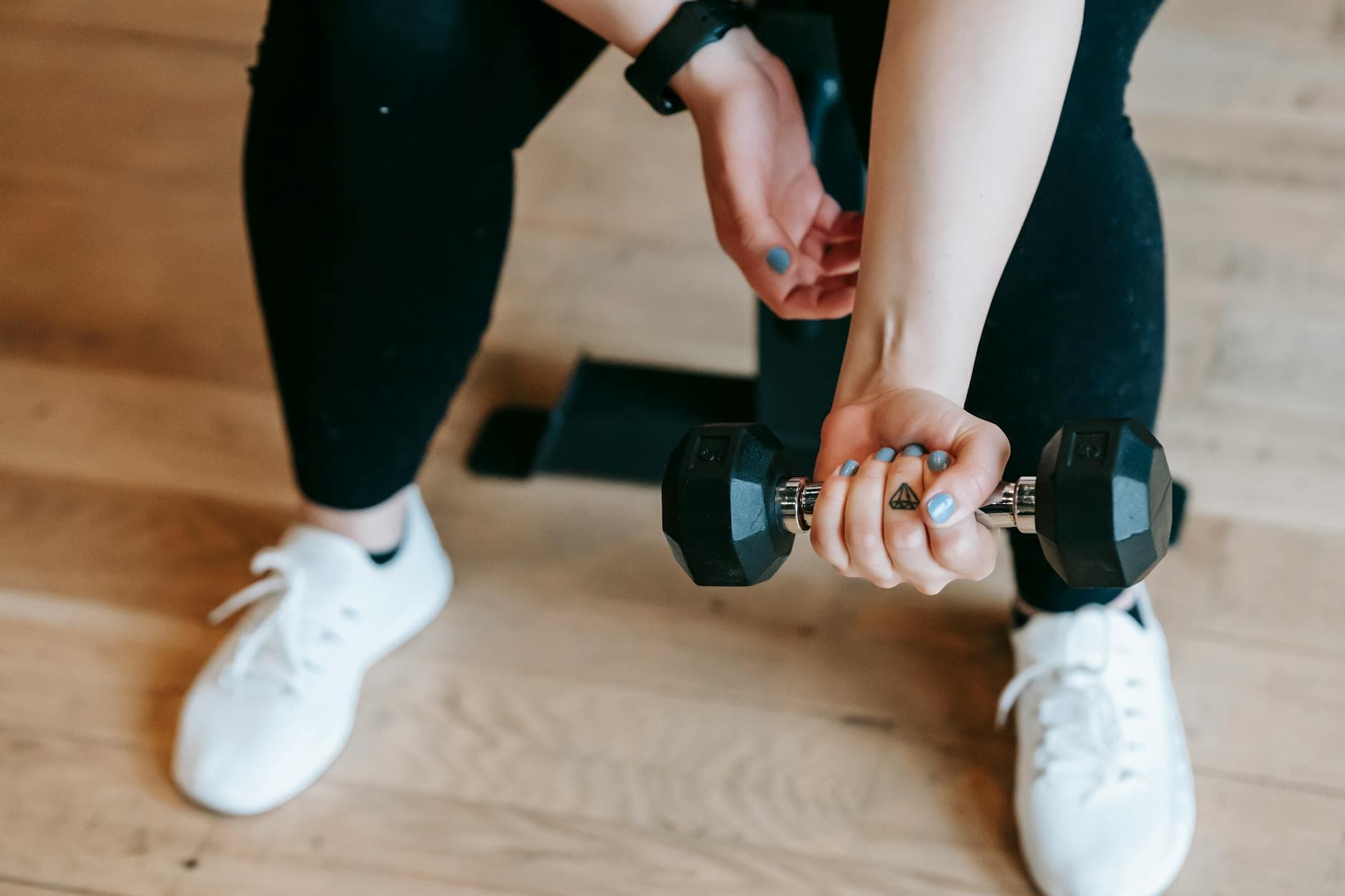
Move before the day steals the chance. Exercise is placed early, before meetings and logistics. If you cannot do a workout, do a brisk walk, stair climb, or short bodyweight circuit.
Start work after the essentials. This is the real point. The day is less likely to derail if the essentials are already done.
Important: If you are changing exercise intensity, adjusting meal timing, or losing weight rapidly, check in with a clinician, especially if you take blood pressure meds, diabetes meds, or have a history of disordered eating.
What to learn from the “erections” joke
The speaker opens his talk with a risky joke about morning erections. It is crass, but it points to a real health theme: sexual function, morning erections, and energy can reflect sleep quality, stress, vascular health, and metabolic status.
You do not need to track sexual performance to improve metabolic health. But you can treat changes in energy, libido, and sleep as feedback that something in the system is off.
A “war with death and its causes”: turning ideology into a checklist
The video repeatedly returns to the idea that we are at war with death and its causes, and “the clock is ticking.” That urgency can be motivating, but it can also push people into extreme behaviors.
The more useful translation is this: identify what increases your risk, then remove it systematically.
He gives examples that range from the obvious to the environmental, including contaminated water, toxins in the air, poor sleep, and other exposures. You can build a personal checklist without becoming paranoid.
A practical risk-removal checklist (metabolic edition)
Start with the highest-impact items that are most controllable.
What the research shows: Obesity and metabolic risk are typically managed with a combination of nutrition, physical activity, behavioral strategies, and when appropriate, medical therapies, as outlined in a clinical practice guidelineTrusted Source.
Expert Q&A: If health is the “default,” why do so many people struggle?
Q: The video says health should be the default, not a luxury. Is that realistic?
A: It is an inspiring goal, but real life includes time constraints, food environments, stress, and medical conditions that make healthy choices harder. Many people need structured support, like coaching, community programs, or medical treatment, to make changes stick.
The helpful part of this framing is that it shifts the blame away from personal weakness and toward systems and routines. You can still make meaningful progress by changing a few defaults, like sleep timing and daily walking.
Daniel Wu, MD, Family Medicine
AI as caretaker: what’s compelling, what’s risky, what to do now
The most distinctive claim in the video is that personal health data can exceed a doctor’s ability to process it, and that his care “transitioned to an AI model.” In other words, he describes following an algorithm because there are too many variables for traditional care to integrate quickly.
This view holds that AI could “inform us and give us a positive nudge” to avoid what increases death risk, and that the algorithm could become better than any human at taking care of you.
That is a bold bet. It is also not the same as saying doctors are obsolete.
AI can be useful for pattern recognition, reminders, and synthesizing large datasets. But there are real risks: data quality, biased outputs, overconfidence in recommendations, privacy, and the temptation to optimize numbers while ignoring how you feel.
A grounded approach is to use AI like a planning assistant, not a medical authority.
»MORE: Build your own “Don’t Die Defaults” checklist. Include sleep window, meal plan, movement minimums, and your top two health appointments to schedule this year.
How to use AI in a medically cautious way
Here is a practical way to apply the video’s idea without outsourcing your health.
A final theme from the video is adoption speed: it is “only a question whether you’re an early or late adopter.” For health, being early should not mean being reckless. It can mean being early to the basics, early to preventive care, and early to building routines that lower risk over decades.
Key Takeaways
Sources & References
Frequently Asked Questions
- What does “Don’t Die” mean in practical health terms?
- In this video, it means systematically reducing the everyday drivers of disease and early decline, starting with sleep, food choices, movement, and risk exposures. It is a mindset shift toward consistency and prevention rather than occasional “health kicks.”
- Is prioritizing sleep really that important for metabolic health?
- Sleep affects appetite, energy, and the ability to stick with exercise and meal plans. If you suspect a sleep disorder like sleep apnea, it is worth discussing screening with a clinician.
- Can AI actually help manage health decisions?
- AI can help with planning, reminders, and summarizing trends in your own data. For diagnosis, medication changes, or complex symptoms, it should not replace a licensed clinician.
- What is one change to start with if I feel overwhelmed?
- Pick a consistent sleep and wake time for two weeks and track it. Once that is stable, add a simple movement minimum like a daily walk.
Get Evidence-Based Health Tips
Join readers getting weekly insights on health, nutrition, and wellness. No spam, ever.
No spam. Unsubscribe anytime.