3 Meals That Support Cleaner Arteries, Ryan’s Way

Summary
A UK nutritionist, Ryan, frames artery plaque as a slow repair process that can go off track, triggered by small injuries to artery lining from diet, high blood sugar, stress, smoking, and more. His practical solution is a rotating set of three meals built around specific nutrients: omega-3s and nitrates (salmon and arugula), vitamin K2 and fermented foods (beef, sauerkraut, brie), and nitric-oxide-supporting compounds plus minerals (garlic chicken with mushrooms and pumpkin seeds). He also emphasizes sunlight-driven vitamin D, stress control, and keeping blood “smooth” through hydration and omega-3 rich foods.
🎯 Key Takeaways
- ✓This video frames plaque as a long-term response to tiny artery-wall injuries, not a random event, so daily habits like blood sugar control and stress matter.
- ✓Meal 1 centers on omega-3s (EPA) plus arugula nitrates to support blood flow and lower inflammatory stress on arteries.
- ✓Meal 2 leans into vitamin K2 and fermented foods, with the trade-off that it includes saturated fat and sodium, which some people must monitor.
- ✓Meal 3 combines garlic, mushrooms, pumpkin seeds, and cruciferous vegetables to support nitric oxide, mineral status, and the body’s detox enzyme systems.
- ✓Beyond meals, the approach highlights vitamin D from sunlight, managing cortisol, and avoiding overly “sticky” blood through hydration and omega-3 intake.
A simple story about “patching” artery damage
Ryan, a UK nutritionist, opens with a relatable picture: arteries start out smooth and elastic, then life happens.
In this framing, atherosclerosis (plaque buildup) is not a bolt from the blue. It often begins with tiny injuries and rough spots on the inner artery lining. The discussion highlights common drivers for those micro-injuries, including a poor diet, high blood sugar, stress, smoking, and other lifestyle factors.
Then the “patch job” starts. Your body sends cholesterol and proteins to cover the damaged area, almost like a bandage. Over time, those materials can harden and calcify, narrowing the vessel and restricting blood flow. This is the central logic behind the video’s meal strategy: if you support the artery lining, inflammation, and circulation, you may support the body’s ability to slow plaque progression.
One interesting detail is the mention that harmful oral bacteria may be found inside plaque, potentially fueling inflammation. This aligns with broader interest in the mouth-heart connection, where gum disease has been associated with cardiovascular risk, although association does not prove cause. The American Heart Association notes links between periodontal disease and heart disease risk, while also emphasizing that more research is needed to clarify mechanisms and causality (American Heart AssociationTrusted Source).
What’s unique about this approach is how practical it is. Instead of listing dozens of supplements, it proposes three repeatable meals with specific nutrients, then adds a few “non-food levers” that influence arteries, including vitamin D, stress, and blood thickness.
Did you know? Plaque is often described as a mix of cholesterol, calcium, and other substances that can harden inside artery walls. Over time, this can reduce blood flow and raise heart risk (NHLBITrusted Source).
Meal 1: Salmon and arugula salad (flow and flexibility)
This first meal is built around a clear trade-off: prioritize fats that may calm inflammation, while also supporting vessel relaxation.
Ryan’s recipe is straightforward. Pan-sear a fillet of wild salmon in a little extra virgin olive oil, then place it over a bed of fresh arugula. Add avocado, then finish with a dressing of lemon juice, apple cider vinegar, and extra virgin olive oil, plus chopped parsley.
Why this combo is the “circulation first” option
Salmon is positioned as the heavy hitter because it is rich in EPA, an omega-3 fatty acid. The claim here is functional: omega-3s may reduce inflammatory signaling in blood vessels and make blood less “sticky,” supporting smoother circulation. Research suggests omega-3 fatty acids can lower triglycerides and may modestly reduce cardiovascular risk in certain contexts, with results depending on dose, population, and the specific omega-3 formulation (NIH Office of Dietary SupplementsTrusted Source).
Arugula is chosen for its natural nitrates, which your body can convert into nitric oxide, a molecule that helps blood vessels relax and widen. This nitrate to nitric oxide pathway is also why leafy greens and beets are commonly discussed for blood pressure support. Dietary nitrate has been studied for potential blood pressure lowering effects, especially in people with elevated blood pressure, although responses vary (NIH ODS, Nitrate and NitriteTrusted Source).
Avocado adds monounsaturated fats plus potassium, which the video frames as helpful for keeping arteries “soft and flexible” and supporting normal blood pressure. Potassium intake is widely associated with healthier blood pressure patterns, particularly when it replaces high sodium intake and is part of an overall healthy diet (American Heart AssociationTrusted Source).
The dressing is not just for taste in this perspective. Lemon juice contributes vitamin C, which supports collagen and connective tissue. Apple cider vinegar is included for acetic acid, framed as supporting blood sugar balance, which in turn may give the liver more time to clear excess LDL before it reaches arteries. Evidence for vinegar and glucose control is mixed but suggests small improvements in post-meal glucose in some people, especially when paired with carbohydrate-containing meals (Harvard HealthTrusted Source).
Ryan suggests eating this meal for dinner three times per week, then rotating other meals to avoid boredom.
Pro Tip: If you are using arugula for nitrates, keep it fresh and avoid overcooking. Nitrates are naturally present in raw leafy greens, and salads make it easy to keep the meal simple and consistent.
Meal 2: Beef and sauerkraut bowl (K2, gut support, and trade-offs)
This is the most controversial meal in the lineup, and that is exactly why it is interesting.
The bowl starts with thinly sliced grass-fed beef gently seared in extra virgin olive oil or tallow. Then add a few tablespoons of unpasteurized sauerkraut, slices of brie cheese, and a drizzle of Dijon mustard.
The “calcification” angle: vitamin K2
The key nutrient argument here is vitamin K2, framed as helping move calcium away from arteries and into bones and teeth. Vitamin K is involved in activating proteins that regulate calcium in the body. Some observational research links higher vitamin K intake with better cardiovascular outcomes, but supplementation evidence is still developing, and individual needs vary, especially for people on anticoagulant medications (NIH Office of Dietary Supplements, Vitamin KTrusted Source).
The video highlights two K2 sources: a small amount from beef, and a richer amount from brie. It also claims brie may raise HDL, described as the “shuttle” that carries cholesterol out of arteries. HDL is associated with lower cardiovascular risk in observational studies, but simply raising HDL numbers does not always translate into lower risk, because HDL function matters and overall risk is multifactorial. This is a good example of a trade-off: the meal may deliver K2 and protein, but it can also deliver saturated fat and sodium depending on portions.
Sauerkraut brings a different mechanism. Fermented cabbage provides vitamin C and probiotics, including Lactobacillus plantarum in some preparations. The video’s claim is that this supports the “root cause” by reducing damage inside arteries. While probiotics may support gut health and may influence cardiometabolic markers in some people, effects are strain-specific and not guaranteed. Still, fermented foods are a practical way to diversify the diet and may support metabolic health as part of an overall pattern (Harvard T.H. Chan School of Public Health, ProbioticsTrusted Source).
Mustard is included for polyphenols, plus flavor. The practical takeaway is that “protective compounds” are not only in exotic supplements, they can show up in condiments that make whole foods easier to stick with.
Important: This bowl is not a universal “heart diet.” If you have kidney disease, uncontrolled blood pressure, or you are on anticoagulants, check with your clinician before significantly increasing fermented foods, sodium, or vitamin K rich foods.
Q: Is cheese actually compatible with artery health?
A: In this video’s perspective, certain cheeses (like brie) are used strategically for vitamin K2, which may be relevant to calcification pathways. The trade-off is that cheese can also add saturated fat, sodium, and calories, which may not fit everyone’s risk profile.
If you want to test this approach, consider portion size and your overall pattern. Pair cheese with fiber-rich plants and lean proteins, and review your cholesterol and blood pressure trends with a clinician.
Ryan, Nutritionist (UK)
Meal 3: Garlic-crusted chicken (nitric oxide, minerals, and detox support)
This meal is designed as the “mineral and nitric oxide” option, with a supporting cast that is easy to find at most grocery stores.
The base is chicken thighs pan-seared or roasted in extra virgin olive oil and sea salt until golden. In the same pan, sauté cremini or shiitake mushrooms with 2 to 3 cloves of freshly chopped garlic, then spread the garlicky mushrooms over the chicken. Finish with crushed pumpkin seeds for crunch. On the side, serve lightly steamed broccoli, cauliflower, and carrots.
Chicken thighs are highlighted for selenium and vitamin B12, framed as supporting energy production in heart cells and the inner artery lining. Mushrooms bring beta-glucans, potassium, and small amounts of vitamin D. Garlic contributes allicin related compounds, framed here as supporting nitric oxide and reducing platelet stickiness.
Garlic has been studied for possible modest blood pressure and cholesterol effects in some populations, though results vary by preparation and dose, and it can interact with some medications, including anticoagulants in certain cases (NCCIH, GarlicTrusted Source).
Pumpkin seeds are positioned as a dense source of magnesium and zinc. Magnesium is framed as helping reduce cortisol and keep arteries relaxed, and zinc as supporting inflammation control. Many people do not meet magnesium needs, and magnesium is involved in vascular tone and blood pressure regulation, although supplement decisions should be individualized (NIH ODS, MagnesiumTrusted Source).
The vegetable side is there for sulforaphane, described as activating the body’s detox enzymes. Cruciferous vegetables contain glucosinolates that can form isothiocyanates like sulforaphane, and they are consistently linked with cardiometabolic benefits as part of a plant-forward diet pattern (Linus Pauling Institute, Cruciferous VegetablesTrusted Source).
What the research shows: Diet patterns rich in vegetables, fiber, and unsaturated fats are consistently associated with better heart outcomes, even when individual “superfoods” vary (American Heart Association dietary guidanceTrusted Source).
The “missing pieces”: vitamin D, stress, and blood viscosity
The meals are the core, but the video argues they work best when three overlooked levers are addressed.
Vitamin D: sunlight as the default
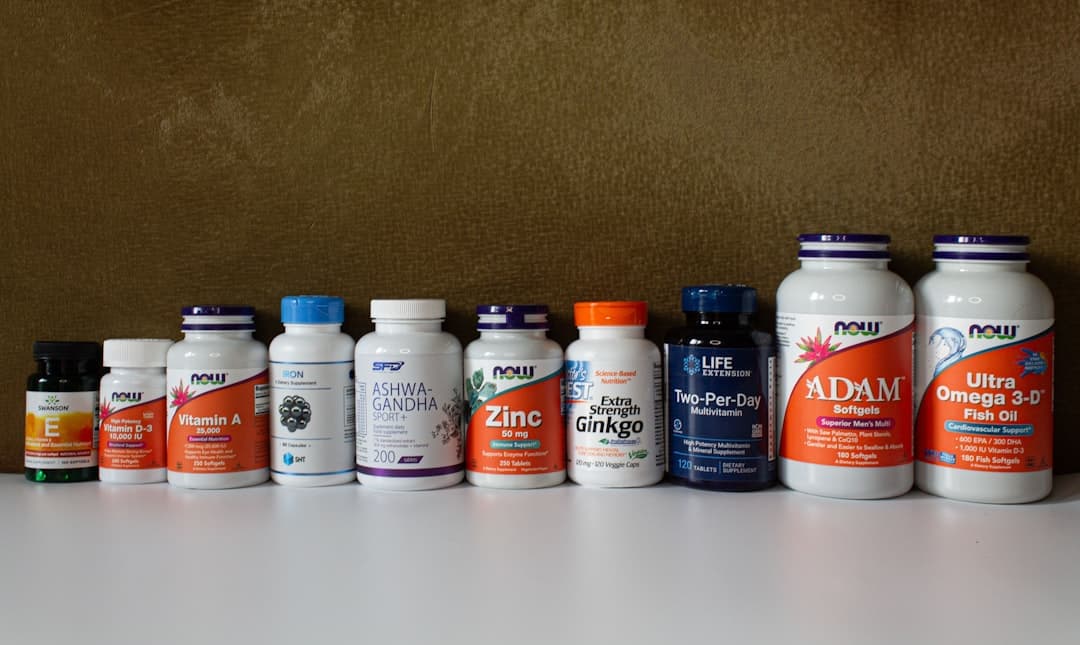
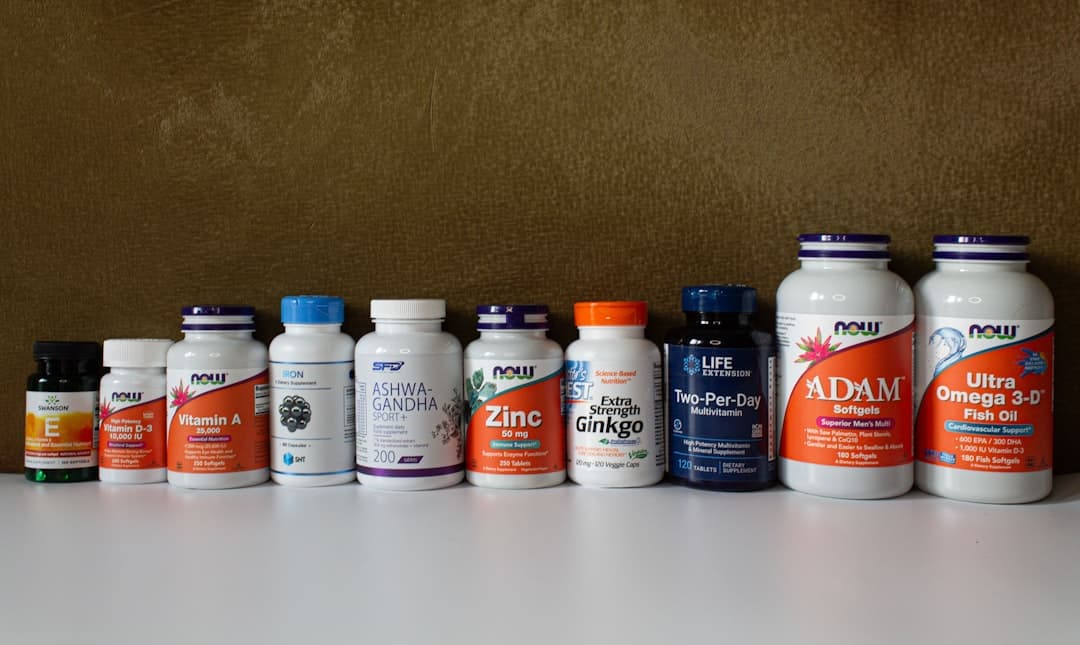
Vitamin D is presented as essential for regulating heart and circulation, supporting enzymes involved in blood pressure and inflammation. The key practical claim is that you cannot reliably get enough from food alone, and that sunlight is the best natural source.
The speaker gives a specific example: 20 minutes a day of sun exposure may allow the body to produce up to 10,000 IU of vitamin D3 (250 micrograms). Real-world vitamin D production varies widely based on latitude, season, skin pigmentation, age, clothing, sunscreen use, and time of day. If you are considering supplements, it is reasonable to ask a clinician about testing and dosing, because excessive vitamin D can be harmful over time (NIH ODS, Vitamin DTrusted Source).
Stress and cortisol: the hidden blood pressure amplifier
This perspective emphasizes cortisol as a major, unnoticed trigger for high blood pressure and inflammation. The examples are practical, being overworked, not sleeping enough, and chronic worrying or overthinking. The suggested tools include sleeping enough, breathing exercises, and magnesium.
This is an important trade-off conversation. You can build a perfect plate, but if stress is chronically high, blood pressure, glucose, and health behaviors often drift in the wrong direction. If stress feels unmanageable, support from a clinician or mental health professional can be as “cardiovascular” as any nutrient.
Blood viscosity: “not too thin, just smooth”
A standout phrase is the goal: not to make blood too thin, but to keep it smooth and fluid so the heart can pump more easily.
Thicker, stickier blood is linked in the video to poor hydration, processed foods, refined sugars, and high triglycerides. The suggested supports are practical and food-based: omega-3s from salmon, sardines, and cod liver oil, garlic in meals, and simply drinking more water. Hibiscus and green tea are suggested as hydrating options that may also support healthy blood pressure. Hibiscus tea has been studied for modest blood pressure lowering effects in some adults, though it can interact with certain medications and is not a replacement for prescribed care (NCCIH, HibiscusTrusted Source).
»MORE: If you want to make this approach easier, create a one-page “artery-support grocery list” with salmon or sardines, arugula, avocados, lemons, sauerkraut, brie, garlic, mushrooms, pumpkin seeds, and cruciferous vegetables, then shop once for 3 to 4 days at a time.
Key Takeaways
Frequently Asked Questions
- Can these meals reverse plaque that is already there?
- These meals are presented as a way to support artery health and reduce factors that contribute to plaque progression, like inflammation and high blood sugar. If you have known atherosclerosis or symptoms, it is important to work with a clinician on a full plan, including medications when appropriate.
- How often should I rotate these meals?
- The video suggests the salmon and arugula salad about three times per week, then rotating the other two meals for variety. Many people find a simple weekly schedule helps with consistency and shopping.
- Is unpasteurized sauerkraut necessary?
- The reasoning is that unpasteurized sauerkraut may contain more live probiotics, which is part of the gut support angle. If you are immunocompromised or pregnant, ask your clinician about safety with unpasteurized fermented foods.
- What if I do not eat beef or dairy?
- You can keep the structure of the bowl by using a protein you tolerate (like poultry or legumes) and adding fermented vegetables plus a vitamin K source that fits your diet. If you are changing vitamin K intake significantly and take blood thinners, consult your clinician.
- Should I take a vitamin D supplement if I do not get sun?
- The video suggests considering a vitamin D3 supplement with a meal when sunlight is limited, especially in winter. Because needs vary and excess vitamin D can be harmful, it is best to discuss testing and dosing with a clinician.
Get Evidence-Based Health Tips
Join readers getting weekly insights on health, nutrition, and wellness. No spam, ever.
No spam. Unsubscribe anytime.