Fish Oil and Blood Thinners: Is It Safe Together?
Summary
Sometimes, fish oil can be taken with blood thinners, but it is not automatically “safe” for everyone. The main concern is added bleeding risk, and people on warfarin may also see INR changes, especially after dose increases. Check with your anticoagulation clinic or prescriber before starting, stopping, or changing your fish oil dose.
The Short Answer
Fish oil (omega-3 supplements) has mild blood-thinning effects, so combining it with anticoagulants or antiplatelet drugs can raise bleeding risk.
The evidence is mixed for warfarin specifically. A case report published in SAGE Journals described a significant rise in INR after a patient doubled their fish oil dose while taking warfarin, highlighting that dose changes can matter for some people (Mitchell S. Buckley et al., “Fish Oil Interaction with Warfarin,” journals.sagepub.com).
At the same time, an NIH-hosted study in PMC found that fish and krill oils did not significantly change warfarin time in therapeutic range (TTR) or bleeding incidence overall, suggesting many patients may not experience major problems when doses are stable ("The Use of Fish Oil with Warfarin Does Not Significantly Affect...", pmc.ncbi.nlm.nih.gov).
The practical takeaway is not “never,” it is “do not self-manage this.” If you are on a blood thinner, any new supplement is worth a quick check-in, and any fish oil dose increase deserves extra caution.
Important: Do not start, stop, or double fish oil while taking warfarin without a plan for INR follow-up. The case report showing INR rise occurred after a dose increase, not simply from long-term, unchanged use (Buckley et al., journals.sagepub.com).
Why the Combination Can Be Risky
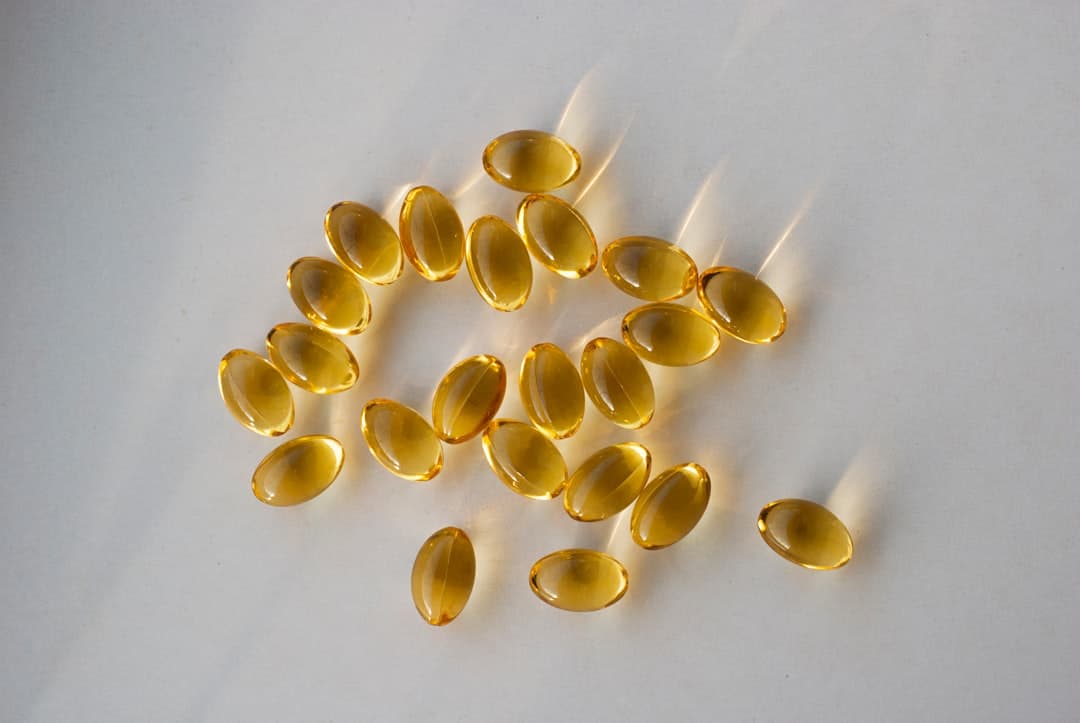
Omega-3 fatty acids (EPA and DHA) can reduce platelet aggregation and may slightly prolong bleeding time. In everyday terms, that can mean bruising more easily or bleeding longer from a cut.
Blood thinners work through different pathways depending on the medication. Warfarin changes vitamin K-dependent clotting factors, while direct oral anticoagulants (DOACs) like apixaban or rivaroxaban target specific clotting proteins, and antiplatelet drugs like aspirin or clopidogrel affect platelet function. Fish oil’s effect is usually modest, but it can add to the overall “anticoagulant load,” especially if you already take more than one agent.
Risk is not only about the supplement, it is also about the person. Age, kidney or liver disease, a history of gastrointestinal bleeding, and other medications can shift the balance.
Who Should Be Extra Cautious (or Avoid It Until Cleared)
Some people can take fish oil with a blood thinner under clinician guidance, but the margin for error is smaller in the groups below.
People taking warfarin whose INR is not stable. If your INR has been swinging, adding or changing fish oil can complicate dose adjustments. The SAGE case report showing INR rise after doubling fish oil is a reminder that “small changes” can matter in real life (Buckley et al., journals.sagepub.com).
Anyone with a recent or past serious bleed. If you have had a gastrointestinal bleed, brain bleed, or needed a transfusion, your clinician may prefer you avoid non-essential agents that can increase bleeding tendency.
People taking multiple agents that affect bleeding. Combining an anticoagulant plus aspirin, clopidogrel, NSAIDs (like ibuprofen), steroids, or certain antidepressants can increase bleeding risk. Fish oil may be one more contributor.
Those preparing for procedures or dental work. Surgeons and dentists often want a complete list of supplements, because peri-procedure bleeding risk is managed by adjusting medications and timing. Do not assume supplements “do not count.”
If Your Clinician Says It Is OK: How to Reduce Risk
If fish oil is being considered for triglycerides or another reason, safety often comes down to consistency and monitoring.
Start by clarifying the goal. Many people take fish oil “just in case,” but if there is no clear reason, it may not be worth the added complexity of bleeding risk management.
Keep the dose stable once you start. The case report in SAGE Journals involved an INR increase after the fish oil dose was doubled, which is exactly the kind of change that can catch people off guard (Buckley et al., journals.sagepub.com).
Work out a monitoring plan if you take warfarin. Even though NIH-hosted research found no significant overall change in TTR or bleeding incidence with fish or krill oil, that does not guarantee your INR will not shift (pmc.ncbi.nlm.nih.gov). Your anticoagulation clinic may want an extra INR check after starting fish oil or after any dose change.
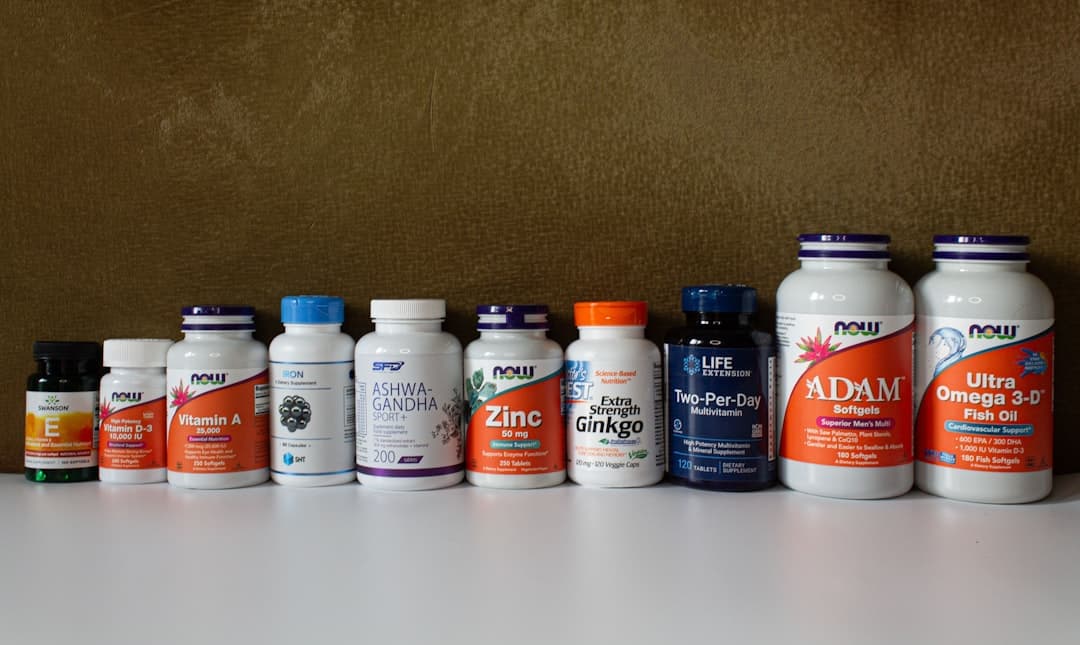
Pro Tip: Take a photo of the supplement facts label (front and back) and send it to your clinician or anticoagulation clinic. Fish oil products vary widely in EPA/DHA content, and “1,000 mg fish oil” does not always mean “1,000 mg omega-3s.”
Warning Signs: When to Stop and Get Medical Advice
Minor bruising can happen for many reasons, but certain symptoms should be treated as urgent when you are on a blood thinner.
Contact your clinician promptly (or seek urgent care) if you notice:
Bleeding that is hard to stop or keeps coming back. This includes frequent nosebleeds, gum bleeding that is new for you, or cuts that keep oozing longer than expected.
Black, tarry stools or red blood in stool. This can signal gastrointestinal bleeding and needs same-day medical assessment.
Pink, red, or brown urine. Blood in urine is not something to watch and wait on when you take anticoagulants.
Severe headache, weakness, confusion, or vision changes. These can be signs of bleeding in or around the brain, and require emergency evaluation.
If you take warfarin, also call if you get an unexpectedly high INR result after starting or changing fish oil. The case report showing INR rise after a dose increase is a useful reminder to treat INR changes seriously (Buckley et al., journals.sagepub.com).
Key Takeaways for Safer Decisions
If you are on warfarin, fish oil may be tolerated for many people, but dose increases can be a problem for some, including significant INR rises reported in a case report (Buckley et al., journals.sagepub.com).
NIH-hosted research suggests fish and krill oils did not significantly alter warfarin TTR or bleeding incidence overall, but individual responses vary and monitoring still matters (pmc.ncbi.nlm.nih.gov).
Consistency is a safety strategy. The biggest avoidable risk is starting, stopping, or changing fish oil doses without telling the clinician managing your blood thinner.
If you develop signs of serious bleeding (black stools, blood in urine, severe headache, neurologic symptoms), seek urgent medical care.
If you are also building a heart-healthy routine, focus on changes that do not complicate anticoagulation management, such as regular Exercise and diet adjustments discussed with your care team.
Sources & References
- Fish Oil Interaction with Warfarin - Mitchell S Buckley, Angela D Goff ... - Journals
- The Use of Fish Oil with Warfarin Does Not Significantly Affect ... - NIH - National Institutes of Health
Frequently Asked Questions
- Does fish oil interact differently with warfarin vs DOACs like apixaban?
- Warfarin safety is often assessed using INR monitoring, and there are reports of INR rising after fish oil dose increases (Buckley et al., journals.sagepub.com). With DOACs, there is no routine INR-style test, so clinicians rely more on bleeding symptoms, kidney function, and overall medication review when deciding if fish oil is appropriate.
- Is krill oil safer than fish oil if I take warfarin?
- Not necessarily. An NIH-hosted study found fish and krill oils did not significantly affect warfarin time in therapeutic range or bleeding incidence overall (pmc.ncbi.nlm.nih.gov), but that does not prove one is universally safer. Product strength and dose consistency are often more important than the source.
- Can I just eat fatty fish instead of taking a supplement while on blood thinners?
- Many people can include fatty fish in their diet, and food-based intake tends to be more consistent and less concentrated than supplements. Still, if you take warfarin or have a history of bleeding, it is smart to confirm dietary plans with your clinician, especially if you plan to make a major change.
- What should I tell my anticoagulation clinic before starting fish oil?
- Share the exact product name, the EPA/DHA amount per serving, and the dose you plan to take, plus any other supplements or over-the-counter pain medicines you use. Ask whether they want an extra INR check after starting or after any future dose change, since individual responses can vary even when studies show no average effect (pmc.ncbi.nlm.nih.gov).
Get Evidence-Based Health Tips
Join readers getting weekly insights on health, nutrition, and wellness. No spam, ever.
No spam. Unsubscribe anytime.