Vitamin C During Chemotherapy: Is It Safe?
Summary
Vitamin C from foods is usually considered safe during chemotherapy, but high-dose vitamin C supplements may not be appropriate with certain chemo drugs or radiation. Because interactions depend on your exact regimen, it is best to check with your oncologist or oncology pharmacist before taking any vitamin C supplement.
The Short Answer
For many people on chemotherapy, vitamin C from a normal diet is unlikely to be a problem.
Supplement pills are different. Some chemotherapy drugs and radiation therapy rely partly on oxidative damage to kill cancer cells, and antioxidants like vitamin C could theoretically blunt that effect in certain situations. Evidence is mixed and depends on the drug, dose, timing, and the type of cancer, so most oncology teams prefer to individualize the decision rather than give a universal green light.
Important: Do not start, stop, or “megadose” vitamin C during chemotherapy without your oncology team’s approval. This includes IV vitamin C, which can reach much higher levels than oral supplements.
Why the Answer Depends on Your Treatment Plan
Chemotherapy is not one medication. It is a wide range of drugs with different mechanisms, side effects, and interaction risks.
Vitamin C is best known as an antioxidant, but in very high concentrations (especially IV), it can also act in pro-oxidant ways in the body. That is one reason people sometimes assume it will either “protect healthy cells” or “help fight cancer,” but the reality is more complicated.
A key concern is whether supplemental antioxidants could reduce the intended stress that some treatments place on cancer cells. Another concern is safety, because high supplemental doses can worsen certain side effects (like diarrhea) or create risks for people with specific medical conditions.
If you have other health issues, those can matter too. For example, if you have kidney disease, a history of kidney stones, or Coronary Artery Disease, your clinician may weigh risks differently, even if vitamin C seems “simple” or “natural.”
Who Should Be Especially Cautious
Some situations call for extra caution, or for avoiding vitamin C supplements unless your oncology team specifically recommends them.
What “Safe” Usually Looks Like in Practice
Most guidelines and oncology teams are most comfortable with vitamin C in food amounts during chemotherapy.
That typically means getting it from fruits and vegetables, or from a standard multivitamin that stays close to the recommended daily intake range. The risk tends to rise as the dose rises, particularly with high-dose single-ingredient vitamin C products.
If you are dealing with appetite loss, mouth sores, nausea, or taste changes, food sources may be hard to manage. In that case, your team may still prefer a modest supplement over a large dose, but the decision should be made with them.
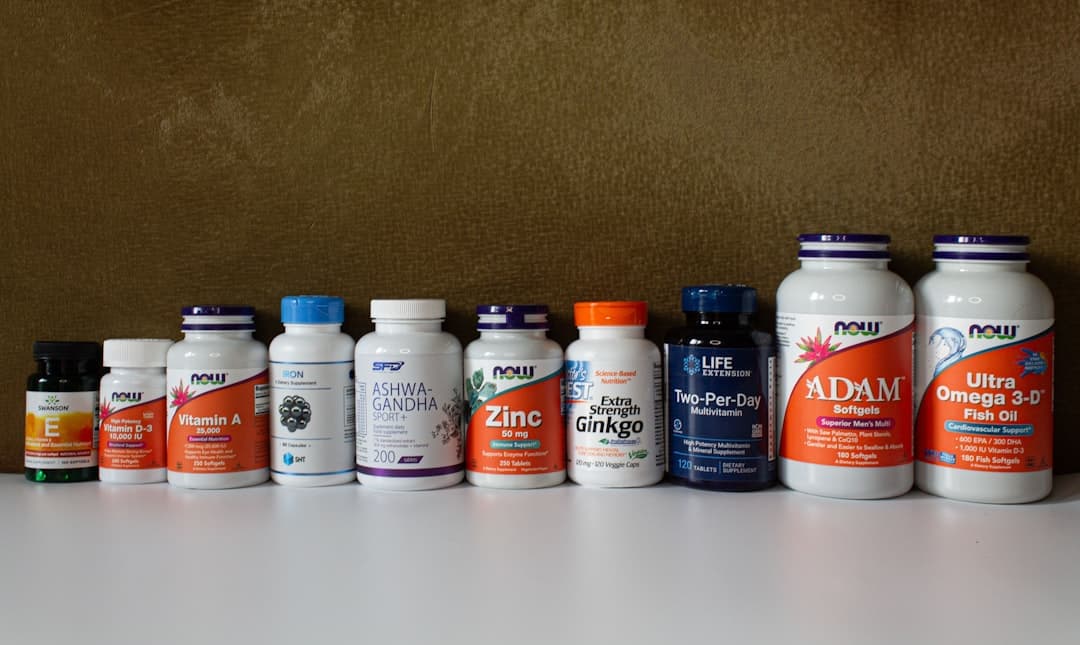
Pro Tip: Bring every supplement bottle (including powders, gummies, and “immune” drinks) to an appointment or infusion visit. Oncology pharmacists are especially good at spotting duplicate ingredients and high total doses.
When to Stop and Contact Your Oncology Team
Stop the supplement and contact your oncology team promptly if you develop new or worsening symptoms after starting vitamin C, especially if they are severe or persistent.
If you are unsure whether a symptom is urgent, call your oncology clinic for guidance. It is better to ask early than to wait.
Key Takeaways for Decision-Making
A practical way to think about vitamin C during chemotherapy is “food first, supplements only if your team agrees, and avoid megadoses.”
If you want to support recovery and overall Healthspan, focus on basics that your oncology dietitian is likely to prioritize, including hydration and tolerable calories, plus adequate Protein and Fiber when you can manage them. These tend to have clearer benefits during treatment than adding high-dose antioxidants.
Also keep in mind that supplement advice can change over the course of treatment. What is reasonable between cycles may not be recommended on infusion days, and what is fine during chemotherapy may be different during radiation or before surgery.
Frequently Asked Questions
- Is vitamin C from oranges or juice different from a supplement during chemo?
- Yes. Food sources usually provide lower, steadier amounts along with other nutrients, while supplements can deliver much higher doses quickly. If juice worsens diarrhea, reflux, or mouth sores, ask your care team about gentler options.
- Can I take vitamin C on the same day as my infusion?
- Some oncology teams prefer avoiding antioxidant supplements close to infusion or radiation sessions, depending on the drugs used. Your oncologist or oncology pharmacist can tell you whether timing matters for your specific regimen.
- Does vitamin C help prevent infections during chemotherapy?
- Vitamin C supports normal immune function, but it is not a substitute for infection precautions or medical care during chemotherapy. If your white blood cell counts are low, follow your oncology team’s guidance on fever thresholds and when to seek urgent help.
- What about vitamin C for chemo-related fatigue or wound healing?
- If you are deficient or not eating well, correcting low intake may help overall recovery, but high-dose vitamin C has not been proven to reliably treat chemo fatigue. Discuss fatigue and nutrition with your oncology team, since causes can include anemia, sleep disruption, pain, and medications.
Get Evidence-Based Health Tips
Join readers getting weekly insights on health, nutrition, and wellness. No spam, ever.
No spam. Unsubscribe anytime.