Supplements & Vitamins

Vitamin D and Antidepressants: Is It Safe Together?
Vitamin D and Antidepressants: Is It Safe Together?
ByHealthy Flux Editorial Team
Reviewed under our editorial standards
Published 1/8/2026 • Updated 1/8/2026

Summary

For most people, taking vitamin D while on antidepressants is generally considered safe at typical supplement doses. The main concern is not a direct interaction, but taking too much vitamin D or having health conditions or medications that raise calcium levels. Check in with your prescriber or pharmacist if you take multiple medicines, have kidney issues, or plan higher-dose vitamin D.

What clinicians usually mean by “safe” here

In everyday practice, vitamin D is commonly used alongside antidepressants, and serious problems are uncommon when doses stay within generally recommended ranges.

The bigger safety issue is vitamin D excess. Too much vitamin D can raise calcium levels in your blood, which can cause symptoms and, in severe cases, harm the kidneys.

Depression and low vitamin D can also overlap, but that does not automatically mean vitamin D will treat depression. Your antidepressant plan should not change without your prescriber.

Possible interactions, what to watch for

Most antidepressants (including SSRIs and SNRIs) are not known for a direct, dangerous interaction with vitamin D in typical amounts. Still, “no classic interaction” is not the same as “no risk.” Your overall medication list and health history matter.

Here are the situations where clinicians are more cautious:

If you take medicines that affect calcium or kidneys. Some diuretics (water pills) and certain other medications can increase calcium or change how your kidneys handle minerals. Adding higher-dose vitamin D on top can increase the chance of high calcium, so it is worth a quick medication review with a pharmacist.
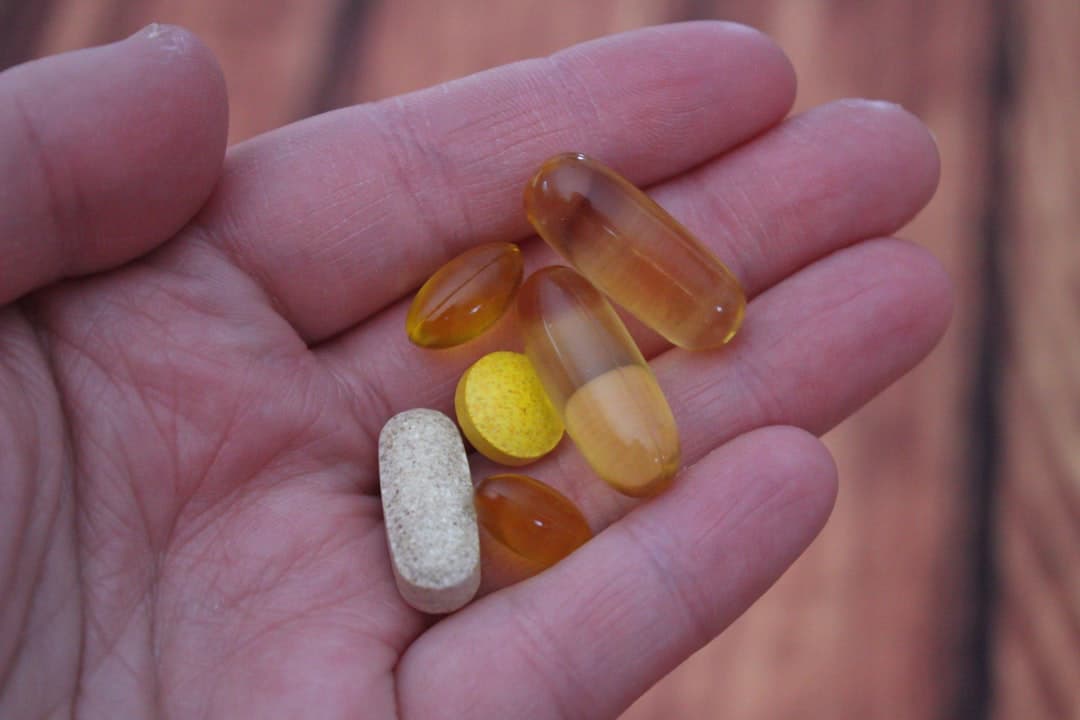
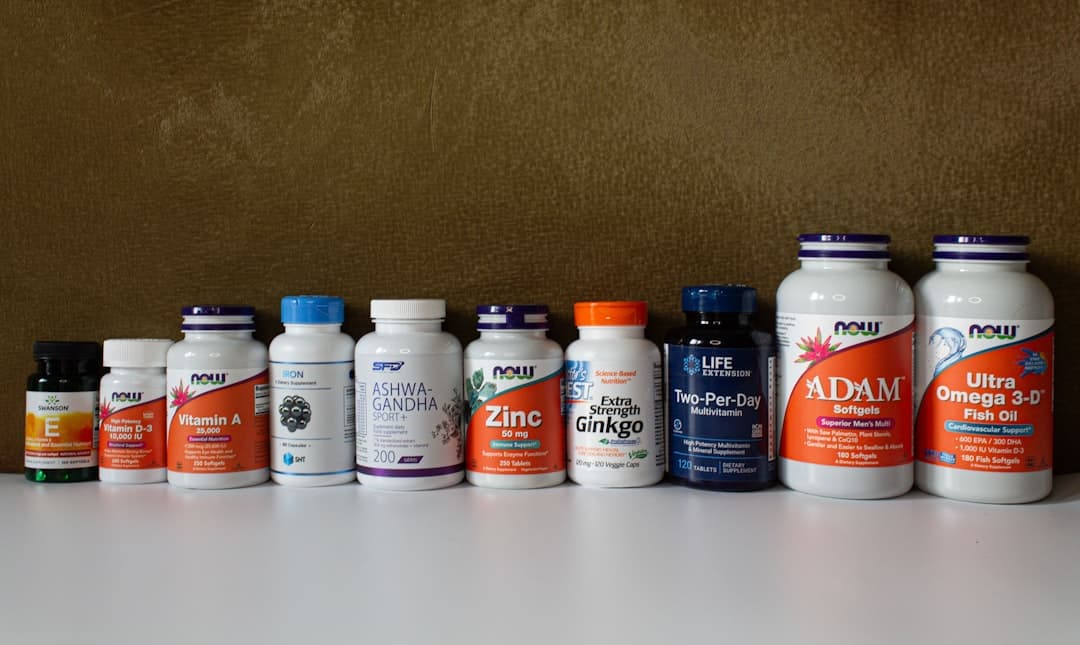
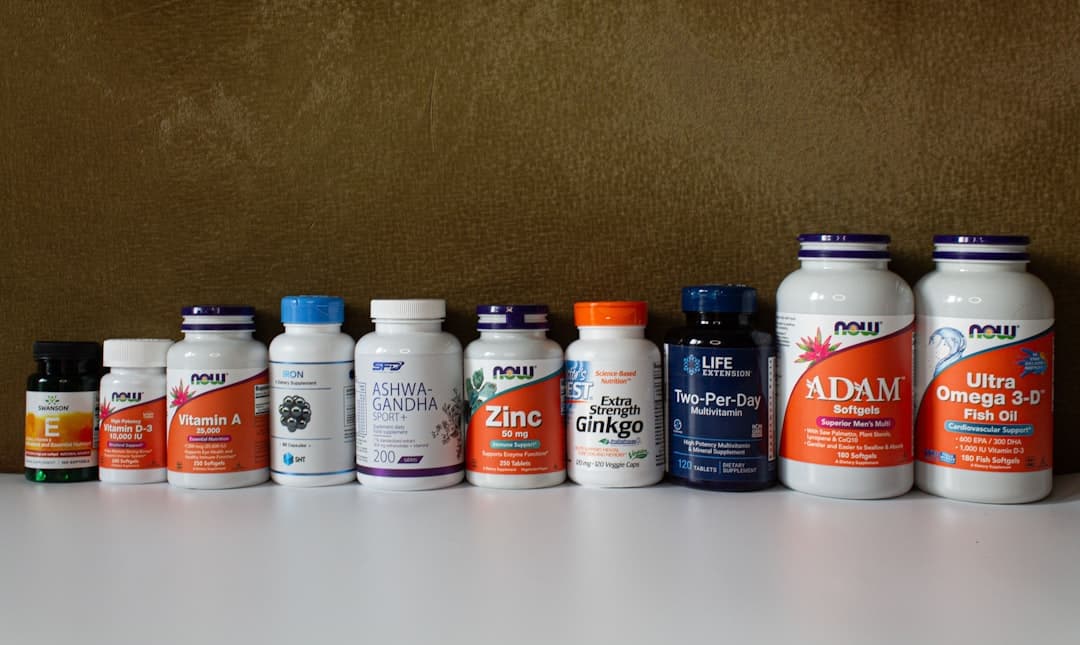
If you take multiple supplements. Vitamin D is often included in multivitamins, calcium chews, and “bone health” blends. Stacking products is a common way people accidentally take more than they intended.
If you are on lithium or have thyroid or parathyroid conditions. These can be associated with calcium changes in some people. Vitamin D may still be appropriate, but clinicians often prefer checking labs first.

Important: Seek urgent care if you develop symptoms that could suggest high calcium, such as persistent vomiting, severe constipation, confusion, marked weakness, or signs of dehydration. Do not assume it is “just a side effect” of an antidepressant.

How much vitamin D is typically reasonable

Most guidelines suggest adults need a modest daily intake of vitamin D, and many over-the-counter supplements fall into that general range. Clinicians often recommend staying near the label dose unless you have a documented deficiency or a clear reason for higher dosing.

High-dose vitamin D regimens are sometimes used short-term for deficiency, but they should be individualized and monitored. This is especially true if you are also taking calcium supplements, have a history of kidney stones, or have kidney disease.

A practical way to think about it is “small daily doses are usually low-risk, large doses deserve a plan.” If you are considering higher-dose vitamin D, ask your clinician whether you should have a blood level checked and whether calcium and kidney function should be monitored.

Pro Tip: Before buying a separate vitamin D pill, total up what you already get from a multivitamin, fortified foods, and any “bone” supplements. Many people find they are already supplementing without realizing it.

Who should be extra cautious

Some people can still take vitamin D while on antidepressants, but the margin of safety is narrower.

People with kidney disease or a history of kidney stones. Vitamin D can increase calcium absorption, which can be relevant for stone risk or reduced kidney function. Your clinician may suggest a lower dose, a different schedule, or lab monitoring.
People with conditions that raise calcium levels. Hyperparathyroidism and certain inflammatory or granulomatous conditions can increase the risk of high calcium when vitamin D is added. This is a “check first” situation.
People taking several medications or who have complex health histories. If you have a significant Family History of kidney stones, endocrine disorders, or heart rhythm problems, it is reasonable to ask for personalized guidance.
People with higher body weight. Vitamin D dosing can be more complicated in severe obesity (including Obesity Class 3), and some clinicians use lab-guided approaches rather than guessing. This is not a reason to avoid vitamin D, it is a reason to individualize.

When to pause and contact your prescriber

Call your prescriber or pharmacist if you start vitamin D and notice new symptoms that are unusual for you, especially if they persist.

Pay special attention to:

New or worsening nausea, constipation, excessive thirst, or frequent urination. These can have many causes, but they are also common early clues of high calcium.
New confusion, unusual fatigue, or muscle weakness. These can overlap with depression, medication effects, and sleep disruption, so it helps to mention any supplement changes.
A noticeable change in mood or sleep after starting supplements. Vitamin D is not a stimulant, but changes in routine, expectations, and other supplement ingredients sometimes affect sleep and daily functioning. If you have symptoms like Sleep Paralysis or a sudden shift in energy, it is worth discussing rather than self-adjusting multiple products.

If you are worried about how depression treatment is going, focus on the core plan first. Vitamin D may support overall health, but it should not become a substitute or a Comfort Drug approach to managing mood symptoms.

Key takeaways for safer use

If you are stable on an antidepressant, vitamin D at typical over-the-counter doses is generally considered low-risk for many adults, but it is still smart to run it by your pharmacist.
Avoid “stacking” vitamin D from multiple products unless a clinician has advised it, because excess intake is a common and preventable problem.
Extra caution is warranted if you have kidney disease, kidney stones, calcium-related conditions, or take medications that affect calcium or kidney handling.
If you plan higher-dose vitamin D for deficiency, ask whether you should check vitamin D and calcium levels and whether follow-up labs are needed.

Frequently Asked Questions

Should I take vitamin D in the morning or at night with my antidepressant?
Many people can take vitamin D at any time of day, and it is often taken with a meal to improve absorption. If your antidepressant affects sleep or nausea, your clinician or pharmacist can help you choose a timing that fits your side effect pattern.
Can vitamin D improve depression symptoms?
Low vitamin D is sometimes seen alongside depression, but supplementation does not reliably improve mood for everyone. If you are considering vitamin D for mood, it is best used as a health support strategy, not as a replacement for evidence-based depression care.
Is it safe to take vitamin D with antidepressants during pregnancy or breastfeeding?
Vitamin D is commonly used in pregnancy and breastfeeding, but the right dose depends on your prenatal vitamin, diet, and lab results. Because both deficiency and excess can matter, discuss dosing with your obstetric clinician or midwife.
What if I miss a dose of vitamin D while taking antidepressants?
Missing an occasional vitamin D dose is usually not dangerous, since vitamin D levels change gradually over time. Do not double up without advice, just return to your usual schedule and ask your clinician if you are on a specific repletion plan.

Get Evidence-Based Health Tips

Join readers getting weekly insights on health, nutrition, and wellness. No spam, ever.

No spam. Unsubscribe anytime.
More in Supplements & Vitamins

View all
High-Dose Vitamin D: Muscle Gain vs Fat Storage

High-Dose Vitamin D: Muscle Gain vs Fat Storage

Most people think vitamin D is only about bones, or that “more is always better.” The video’s unique angle is different: a 2024 narrative review (with animal and mechanistic data) proposes that higher vitamin D status may change how the body allocates surplus calories, nudging energy toward muscle growth instead of fat storage by lowering myostatin signaling and improving leptin production or sensitivity. The discussion also ties leptin to appetite and inflammation, and explains why the speaker often pairs vitamin D with vitamins K2 and A, while monitoring calcium when aiming for higher blood levels.

Oxalates: Hidden Triggers in “Healthy” Foods

Oxalates: Hidden Triggers in “Healthy” Foods

Oxalates are natural compounds in many plant foods, especially spinach, Swiss chard, nuts, tea, rhubarb, and sweet potatoes. The video’s core message is practical: if you are susceptible, high oxalate meals, especially raw spinach salads and smoothies, can be a hidden trigger. The discussion highlights calcium binding, kidney stone risk, and possible links to vague symptoms like fatigue or joint aches in some people. The good news is that food prep matters. Strategies like boiling, soaking, sprouting, and fermentation can lower oxalates, while pairing high oxalate foods with calcium-rich foods may reduce absorption.

High-Dose Vitamin D for Muscle, Leptin, and Fat

High-Dose Vitamin D for Muscle, Leptin, and Fat

This video’s big idea is simple but provocative: higher, even “supraphysiologic,” vitamin D status might help the body send extra calories toward muscle growth rather than fat storage. The discussion centers on a 2024 narrative review that connects vitamin D to two key signals, **myostatin** (a brake on muscle growth) and **leptin** (a hormone tied to satiety, inflammation, and energy sensing). The evidence highlighted is largely animal and mechanistic, not a human randomized trial, but it raises practical questions about vitamin D testing, seasonal deficiency, and how to supplement safely, especially when aiming for higher blood levels.

Are Daily Multivitamins Helpful? A Doctor-Led Look

Are Daily Multivitamins Helpful? A Doctor-Led Look

Multivitamins feel like an easy win, one pill to cover every nutritional base. But the video’s core message is blunt: for most generally healthy adults eating a reasonably balanced diet, daily multivitamins have not been shown to reduce heart disease, cancer, or overall risk of death. A big reason people keep taking them is that many feel healthier, a pattern consistent with placebo effects. Still, the discussion highlights five groups where a multivitamin can make practical sense, especially pregnancy (folic acid) and situations where diet or absorption is limited.

We use cookies to provide the best experience and analyze site usage. By continuing, you agree to our Privacy Policy.