Is It Safe to Take Vitamin B12 With Blood Thinners?
Summary
Vitamin B12 is generally considered safe to take with most blood thinners, and it does not usually increase bleeding risk. Extra caution is still important if you take warfarin or if you start high-dose supplements, since changes in diet and supplements can affect monitoring and dosing. Check with your prescriber or pharmacist before adding B12, especially if your blood thinner requires regular lab tests.
The Short Answer
For most people, vitamin B12 (cobalamin) does not directly “thin the blood,” and it is not known to meaningfully raise bleeding risk on its own. That is why clinicians commonly recommend B12 when deficiency is likely, even in people who take anticoagulants.
The practical concern is not usually a direct B12 drug interaction. It is that some blood thinners, especially warfarin, are sensitive to overall health changes, diet patterns, and new supplements, which can shift lab results and dosing needs. Most guidelines suggest you should not start new supplements as a form of Self-Treatment when you are on a medication that requires monitoring.
Important: If you take warfarin, do not add or stop supplements without telling the clinician who manages your INR. A “safe” supplement can still change your INR indirectly by changing appetite, diet consistency, or other medications.
Why the Type of Blood Thinner Matters
Blood thinners are not all managed the same way.
Warfarin typically requires periodic INR blood tests, and dosing is adjusted based on those results. Direct oral anticoagulants (often called DOACs, such as apixaban, rivaroxaban, dabigatran, and edoxaban) usually do not require routine INR monitoring, but they can still interact with other drugs and supplements through absorption and metabolism.
Vitamin B12 is a water-soluble vitamin involved in nerve function and blood cell production. It supports many Enzymatic Reactions in the body, but it is not a vitamin that acts like vitamin K, which is the nutrient most closely linked with warfarin sensitivity.
Even so, if you are on a blood thinner, your goal is stability. Sudden changes, even well-intended ones, can complicate management.
When to Be Cautious (Even If B12 Is Usually OK)
Most people can take B12 safely. The “caution” group is mainly about your overall bleeding risk, your monitoring needs, and why you are taking B12 in the first place.
Be especially careful, and get individualized guidance, if any of the following apply:
A quick reality check: if the reason you want B12 is fatigue, it is worth discussing other causes too. Low iron, thyroid disease, sleep problems, depression, and medication side effects can all mimic “low B12,” and adding supplements can delay the right diagnosis.
Dosing and Form: What’s “Reasonable” vs “High Dose”
Most guidelines suggest adults generally need only small daily amounts of B12, and many people meet needs through food or a standard multivitamin. Higher doses are sometimes used for deficiency, and because B12 is water-soluble, excess is often excreted, but “more” is not always “better.”
A standard multivitamin dose is typically a conservative place to start if your clinician agrees supplementation is appropriate. In contrast, very high-dose B12 tablets, frequent energy shots, or injectable regimens should be treated like a medication change, especially if you are anticoagulated.
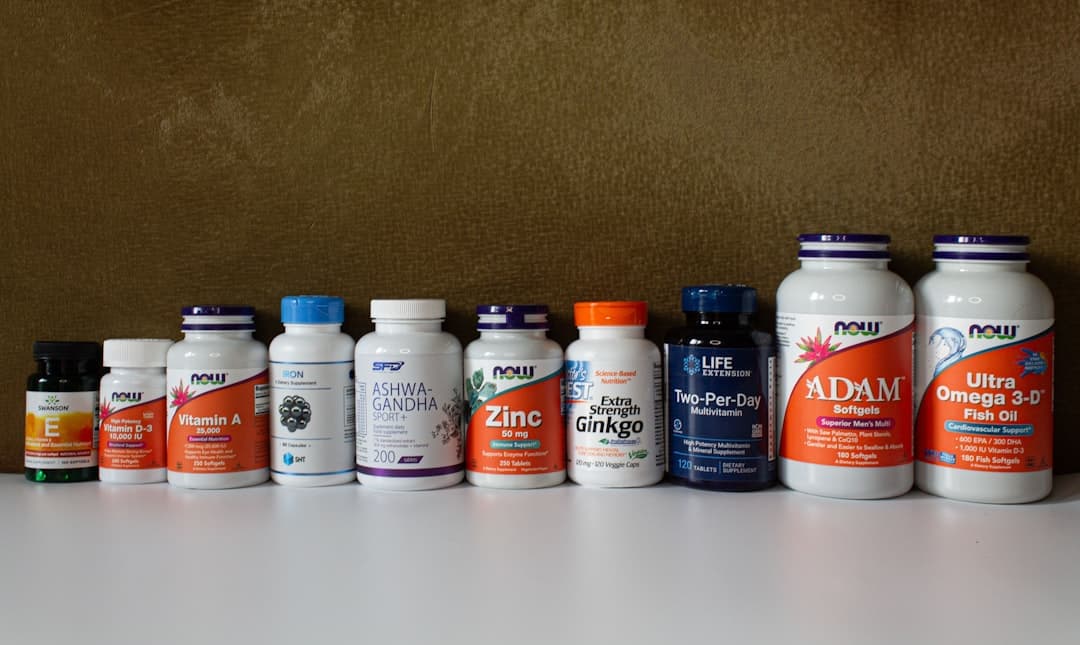
Be cautious with combination products marketed for “energy,” including some Energy Drinks or “pre-workout” blends. They may contain other ingredients (like high-dose niacin, caffeine, herbal extracts, or unfamiliar stimulants) that can raise blood pressure, irritate the stomach, or interact with other medications. Those effects can matter more for safety than the B12 itself.
Pro Tip: If you want B12, choose a single-ingredient product or a plain multivitamin, and avoid proprietary blends. Bring the label (or a photo) to your pharmacist so they can screen the full ingredient list.
When to Call Your Clinician Urgently
If you take a blood thinner, treat signs of bleeding as urgent, even if you think they are “just” from a vitamin.
Contact your prescriber promptly, or seek urgent care, if you notice:
Also call if you develop significant Gastrointestinal Symptoms after starting a new supplement, such as repeated vomiting, severe diarrhea, or inability to keep fluids down. Dehydration and reduced food intake can destabilize anticoagulant control, particularly with warfarin.
Key Takeaways for Safer Use
Frequently Asked Questions
- Does vitamin B12 change INR results on warfarin?
- Vitamin B12 is not typically known to directly change INR the way vitamin K intake can. However, any new supplement can coincide with changes in diet, appetite, or other medications, so your clinician may recommend an extra INR check after you start it.
- Is a B12 injection safer than a B12 pill if I take a blood thinner?
- Neither form is automatically “safer” with blood thinners, but injections can cause local bruising or bleeding at the injection site. If you need injections, ask the clinician giving them about technique and whether timing relative to your anticoagulant dose matters.
- Can I take a B-complex vitamin instead of plain B12 while on anticoagulants?
- You can sometimes use a B-complex, but combination products add more variables and may include high doses of other B vitamins or extra ingredients. It is usually easier for your care team to review a single-ingredient B12 or a basic multivitamin, so check first.
- What if I’m taking an antiplatelet like aspirin or clopidogrel rather than an anticoagulant?
- Vitamin B12 is generally compatible with antiplatelet medicines, but your overall bleeding risk can still be higher when these drugs are combined with other medications or alcohol. If you bruise easily or have any bleeding symptoms, discuss supplement use with your clinician.
Get Evidence-Based Health Tips
Join readers getting weekly insights on health, nutrition, and wellness. No spam, ever.
No spam. Unsubscribe anytime.