Vitamin E and anticoagulants: is it safe together?
Summary
Vitamin E is not always safe to combine with anticoagulants because it may increase bleeding risk, especially at higher supplement doses. If you take a blood thinner, check with your prescribing clinician or pharmacist before starting vitamin E, even if it is “just a vitamin.”
The Short Answer
Vitamin E can interfere with normal blood clotting processes and may raise bleeding risk when combined with anticoagulant medicines.
That concern is not theoretical. A report in JAMA noted that vitamin E ingestion was associated with coagulopathy and suggested that people with vitamin K deficiency may be at risk of hemorrhage when taking vitamin E (JAMA Network, “Coagulopathy Associated With Vitamin E Ingestion,” 1974).
This matters because anticoagulants intentionally reduce your blood’s ability to form clots. Adding another factor that may impair Coagulation can shift the balance toward easy bruising or clinically significant bleeding.
Important: Do not start, stop, or “double up” vitamin E supplements while on an anticoagulant unless your clinician confirms it is appropriate for you. Seek urgent care for heavy or uncontrolled bleeding, or any signs of internal bleeding.
Why vitamin E can be risky with blood thinners
Vitamin E is a fat-soluble vitamin, and in supplement form it can be taken in doses far above what you would typically get from food.
At higher intakes, vitamin E has been linked to impaired clotting. The JAMA report describing “coagulopathy associated with vitamin E ingestion” concluded that patients with vitamin K deficiency may risk hemorrhage if they take vitamin E (JAMA Network, 1974).
Vitamin K is essential for producing several clotting factors. If vitamin E contributes to a functional vitamin K problem, or worsens an existing deficiency, the combination with an anticoagulant can be particularly concerning.
The practical takeaway is simple. When your medication is designed to reduce clot formation, adding a supplement that may further reduce clotting resilience can increase the likelihood of bleeding complications.
Who should be especially cautious (or avoid it unless cleared)
Some people have less margin for error than others.
Consider extra caution and discuss vitamin E with your clinician first if any of the following apply:
Dose and form matter more than most people realize
Food sources of vitamin E (like nuts, seeds, and vegetable oils) generally provide modest amounts and are less likely to create abrupt changes in clotting.
Supplements are different. Many capsules contain high-dose alpha-tocopherol, sometimes hundreds of IU per pill, and people may take them daily for long periods.
The JAMA report linking vitamin E ingestion to coagulopathy is a reminder that “natural” does not equal “risk-free,” particularly when doses exceed typical dietary exposure (JAMA Network, 1974).
If you are taking an anticoagulant, the safest approach is to treat vitamin E like a medication: check the dose, check the label for the exact form, and confirm with a clinician whether it fits your risk profile.
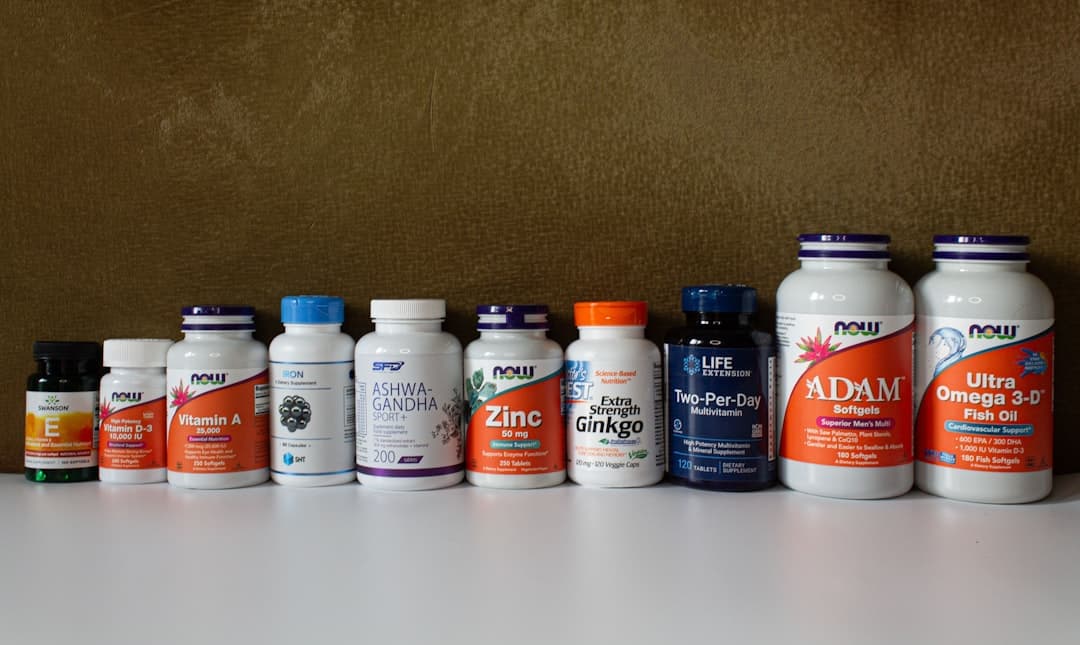
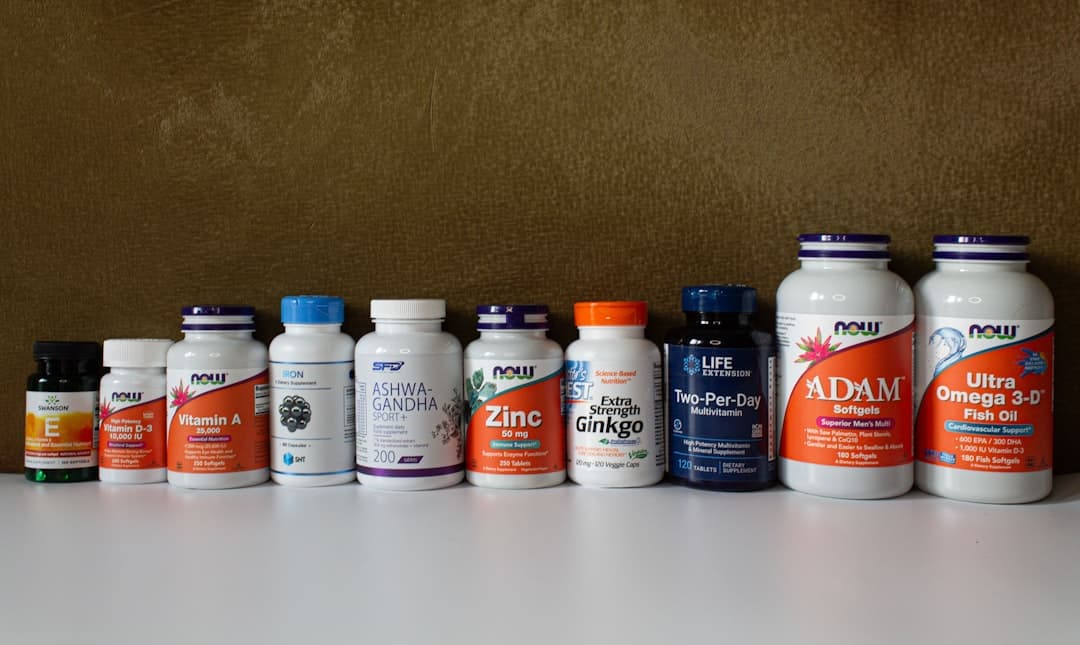
Pro Tip: Bring every supplement bottle (or clear photos of the front and “Supplement Facts” panel) to your anticoagulant follow-up visits. It is much easier for your clinician or pharmacist to assess risk when they can see the exact product and dose.
Warning signs: when to stop and get medical advice
Minor bruising can happen on anticoagulants, but certain symptoms should not be brushed off.
Contact your clinician promptly if you notice new or worsening bleeding symptoms after starting vitamin E, or if bleeding seems harder to stop than usual.
Seek urgent care immediately for symptoms that could signal serious bleeding:
If you are on warfarin, ask whether you should get an INR check sooner. If you are on a DOAC, ask what monitoring or next steps are appropriate, since routine INR testing does not apply.
Key takeaways for safer use
Sources & References
Frequently Asked Questions
- Does vitamin E affect INR if I take warfarin?
- It can. Because vitamin E ingestion has been associated with coagulopathy and hemorrhage risk in people with vitamin K deficiency, your clinician may recommend closer INR monitoring if you start or change a vitamin E supplement (JAMA Network, 1974).
- Is vitamin E safer with DOACs than with warfarin?
- Not necessarily. DOACs still increase bleeding risk, and they are not typically tracked with INR, so supplement-related changes may be harder to detect early. A clinician or pharmacist can help you weigh your personal bleeding risk and whether vitamin E is appropriate.
- Can I keep taking a multivitamin that contains vitamin E?
- Many multivitamins contain lower doses than standalone vitamin E capsules, but you should still disclose the exact product to your prescriber. If you have risk factors like possible vitamin K deficiency, the *JAMA* report suggests extra caution with vitamin E ingestion (JAMA Network, 1974).
- What should I ask my pharmacist or clinician before taking vitamin E?
- Ask whether vitamin E is necessary for you, what dose is considered acceptable with your specific anticoagulant, and whether any lab monitoring or follow-up is advised. Also ask about other supplements that may increase bleeding risk, so you can avoid stacking multiple risks.
Get Evidence-Based Health Tips
Join readers getting weekly insights on health, nutrition, and wellness. No spam, ever.
No spam. Unsubscribe anytime.