Is Vitamin E Safe to Take During Chemotherapy?

Summary
Vitamin E is not automatically safe to take with chemotherapy, especially in higher-dose “antioxidant” supplements. Because vitamin E can affect bleeding risk and may reduce the intended effects of certain cancer treatments, most people should only use it during chemo if their oncology team approves it.
The short answer
For many people on chemotherapy, vitamin E is a “check first” supplement, not a routine add-on. The main concern is not vitamin E from food, it is concentrated supplements that can deliver much higher amounts than a typical diet.
Oncologists often advise avoiding high-dose antioxidant supplements during active treatment. The reason is practical: some chemotherapy drugs and radiation rely partly on oxidative stress to damage cancer cells, and large doses of antioxidants could, in theory, blunt that effect.
According to the NIH Office of Dietary Supplements, vitamin E can also increase bleeding risk, particularly at higher intakes and in people taking blood thinners. That matters during chemotherapy, when platelet counts can drop and bruising or bleeding can become more likely.
Important: Do not start, stop, or “hold” vitamin E on your own during chemotherapy. Your oncology team can review your exact regimen, lab results, and bleeding risk and tell you what is appropriate.
Why vitamin E is different during cancer treatment
Vitamin E is a fat-soluble vitamin, which means it can build up in the body more than water-soluble vitamins. It is also commonly marketed in doses far above what most people get from food.
There are two separate questions that often get mixed together.
First: do you need vitamin E to prevent deficiency? True vitamin E deficiency is uncommon in the general population and is more likely in specific malabsorption conditions. If your team suspects a deficiency, they may recommend a targeted dose and a plan to monitor it.
Second: will extra vitamin E help you tolerate chemotherapy or “support immunity”? The evidence is mixed, and results can vary by cancer type, treatment plan, and dose. In cancer care, “more” is not automatically better.
Who should be especially cautious
Some people have a higher downside risk from vitamin E supplements during chemotherapy.
If any of these apply, bring your full supplement list to your next visit, including gummies, powders, and drinks.
What most guidelines suggest (without getting lost in numbers)
Most guidelines in oncology nutrition take a conservative stance: meet vitamin needs with food when possible, and avoid high-dose supplements unless there is a clear reason.
Many chemotherapy teams are comfortable with the amount of vitamin E found in a standard multivitamin, but may discourage standalone high-dose vitamin E capsules. The “safe” choice depends on your treatment protocol and your bloodwork, particularly platelet count and clotting status.
If you are considering vitamin E because of a specific symptom (for example, neuropathy, skin changes, or fatigue), ask your clinician whether there are options with better evidence and less interaction risk. Sometimes the best next step is not a supplement at all, it is a lab check, a medication adjustment, or supportive care.
Pro Tip: At appointments, say: “Can you review my supplements for interactions with my chemo and bleeding risk?” This is faster and more actionable than asking whether a supplement is “good” or “bad.”
When to stop and call your oncology team
Stop the supplement and contact your cancer care team promptly if you notice possible bleeding or clotting problems, or if you feel suddenly unwell.
Also call if you start any new over-the-counter product that contains vitamin E. It can show up in unexpected places, including “hair, skin, nails” formulas and high-dose antioxidant blends.
Key takeaways for safer decision-making
Frequently Asked Questions
- Is vitamin E from skincare products a concern during chemotherapy?
- Vitamin E in moisturizers or cosmetics is less likely to cause the same interaction concerns as high-dose oral supplements because much less typically reaches the bloodstream. Still, if you have radiation-treated skin, open sores, or severe irritation, ask your oncology team what topical ingredients are appropriate.
- Can I take vitamin E if I am on targeted therapy or immunotherapy instead of traditional chemo?
- Possibly, but it still needs an oncology check because interaction risks depend on the specific drug and your lab results. Some clinicians remain cautious with high-dose antioxidants during active cancer treatment broadly, not only with classic chemotherapy.
- What should I bring to my appointment to get a clear answer about supplements?
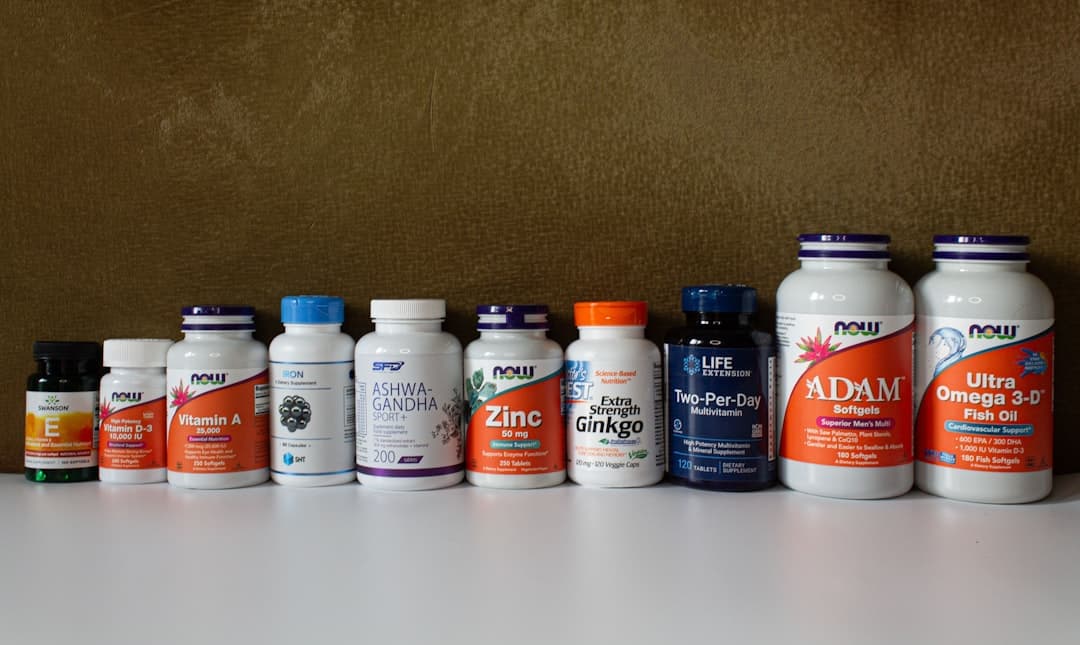
- Bring the bottles or a photo of each label, including the dose per pill and how often you take it. Include multivitamins, herbal products, protein powders, and energy drinks, since they can contain vitamin E or other antioxidants.
- If I am deficient, how is vitamin E usually handled during chemotherapy?
- Your clinician may confirm deficiency with history and testing, then recommend a specific dose and duration rather than an open-ended supplement. They may also look for the underlying cause, such as malabsorption, and monitor for bleeding risk or other side effects during treatment.
Get Evidence-Based Health Tips
Join readers getting weekly insights on health, nutrition, and wellness. No spam, ever.
No spam. Unsubscribe anytime.