Vitamin C vs Vitamin E for Immune Support
Summary
Vitamin C and vitamin E support immune function in different ways, mainly through antioxidant protection and support of immune cell activity. Vitamin C is more commonly used for short-term immune support, while vitamin E may matter more when dietary fat intake is low or deficiency risk is higher. The best choice depends on your diet, health conditions, and medications, so check with a healthcare professional for personalized guidance.
The quick take: same goal, different jobs
Both vitamins are part of the immune system’s “maintenance crew.” They do not act like an Analgesic for a headache, you usually will not feel an immediate effect.
Vitamin C works in watery parts of the body (like blood and the fluid around cells). Vitamin E works mainly in fatty areas (especially cell membranes). That difference matters because immune cells are constantly exposed to oxidative stress in both environments.
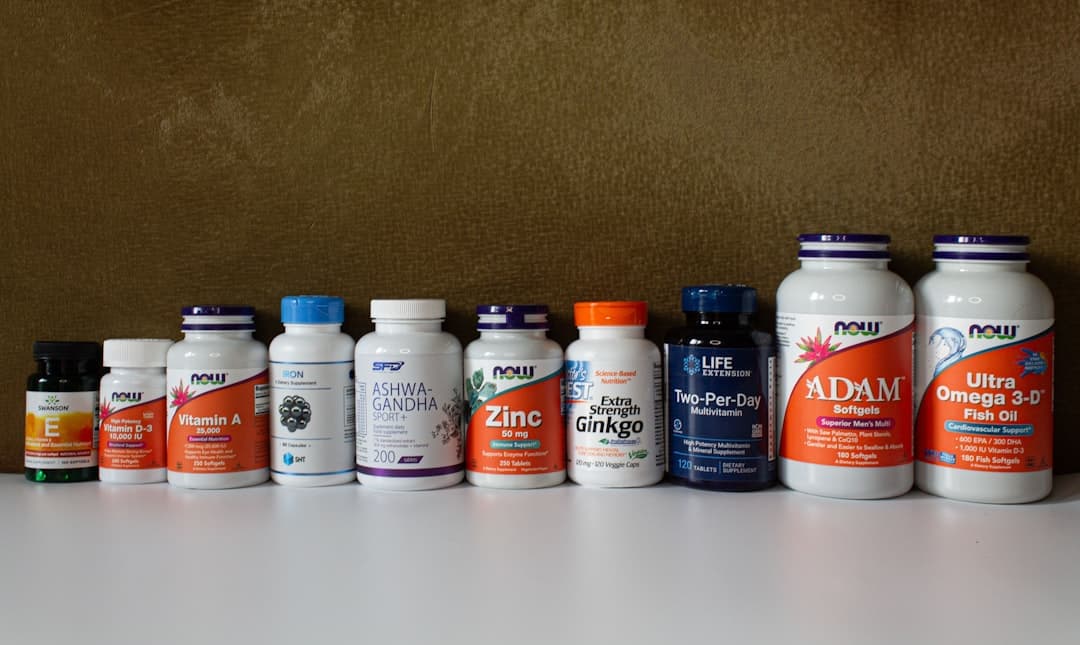
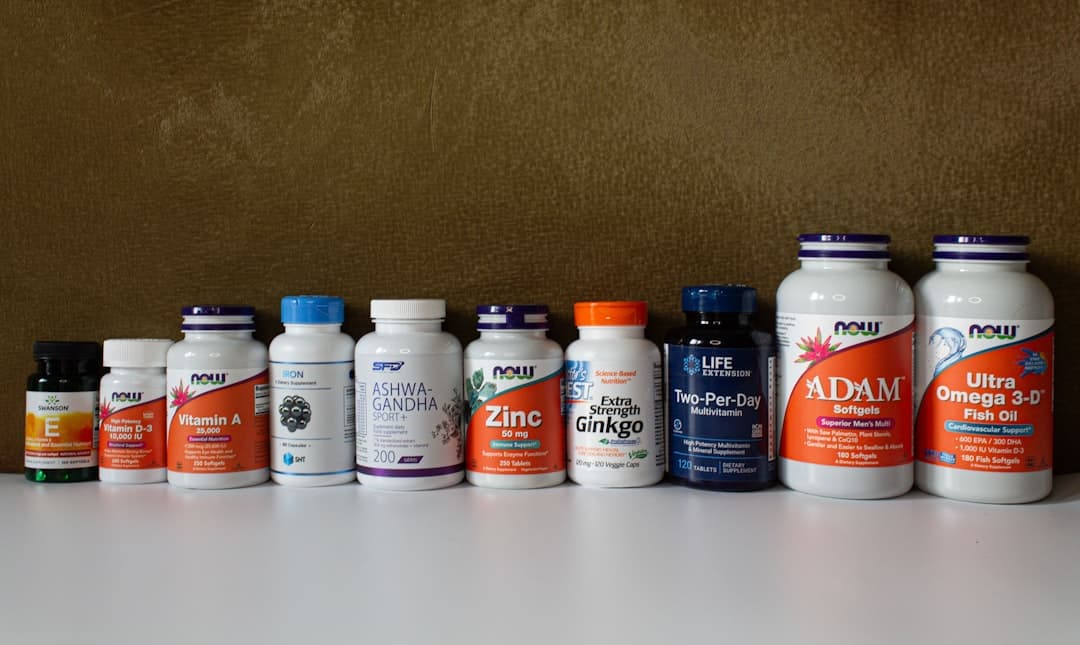
If your diet is already rich in fruits, vegetables, nuts, and seeds, extra supplementation often adds less than people expect. If your intake is limited, or you have a condition that affects absorption, the right supplement can be a helpful backstop.
How vitamin C supports immunity
Vitamin C (ascorbic acid) is involved in several steps of immune defense. It helps certain white blood cells move toward infection sites and supports their ability to function once they arrive.
It also helps regenerate other antioxidants after they have been “used up,” which is one reason it is frequently discussed during colds.
Many people take vitamin C for short-term immune support during a Critical Window, for example, when sleep is poor, stress is high, or they are traveling. The evidence people hear about most often relates to symptom duration and severity rather than preventing every infection outright, and results can vary by person.
Because vitamin C is water-soluble, the body excretes some excess. That does not mean “more is always better,” it mainly means very high doses are more likely to cause side effects than to provide extra benefit.
How vitamin E supports immunity
Vitamin E refers to a family of compounds (including alpha-tocopherol) that protect fats from oxidation. Immune cell membranes are rich in fats, so maintaining membrane integrity can support normal immune signaling.
Vitamin E also influences immune communication and inflammation balance, partly through effects on cell signaling and Gene Expression. This is one reason researchers have been interested in vitamin E in older adults, where immune responses can become less robust.
Unlike vitamin C, vitamin E is fat-soluble. It is stored in the body, so long-term high intake can accumulate.
Dietary vitamin E can be harder to get in large amounts if someone avoids fats, follows a very low-fat pattern, or has fat-malabsorption issues. In those cases, food-first strategies or clinician-guided supplementation may be more meaningful.
Key differences that matter in real life
The “better” choice depends less on marketing and more on context.
Where they work in the body differs. Vitamin C acts mainly in aqueous environments, while vitamin E is concentrated in lipid membranes. If you are trying to support overall antioxidant coverage, they can be complementary rather than interchangeable.
Deficiency patterns are not the same. Low vitamin C intake can happen with limited fruit and vegetable consumption. Vitamin E deficiency is uncommon in healthy adults but can occur with conditions that impair fat absorption, so the decision may hinge on medical history.
Supplement timing and expectations differ. People often use vitamin C more “as needed,” even though it is not a quick fix like Pain Relief. Vitamin E tends to be a longer-term nutrition support choice, and it is less commonly used as a short-term cold strategy.
Safety considerations diverge. Vitamin C excess is typically limited by gastrointestinal tolerance. Vitamin E, because it is fat-soluble, raises more concern about chronic high dosing and medication interactions.
Did you know? Antioxidants do not simply “boost” immunity. Immune cells also use controlled oxidative bursts to fight pathogens, so the goal is balance, not maximal antioxidant intake.
How to choose: what fits your situation
Start with food, then decide if a supplement fills a real gap.
If you are choosing between the two for immune support, these decision points can help:
If you rarely eat fruits and vegetables, vitamin C may be the more practical first step. Generally recommended approaches prioritize improving dietary intake first, then considering a modest supplement if needed.
If you limit fats, have digestive disorders, or take medications that affect fat absorption, ask about vitamin E. A clinician can help determine whether you are at risk for low vitamin E status and whether supplementation is appropriate.
If you take blood thinners or have bleeding risk, be cautious with vitamin E supplements. Discuss it with your pharmacist or clinician before starting, since vitamin E can interact with anticoagulant or antiplatelet therapy.
If you are trying to support training recovery, do not assume higher doses help. Some athletes use antioxidants aggressively, but very high intakes may interfere with training adaptations in some contexts. A Sports Dietitian can help you match supplements to your goals without overdoing it.
Pro Tip: Check your multivitamin label before adding anything else. Many products already contain vitamin C and vitamin E, and doubling up is an easy way to drift into unnecessarily high intake.
Safety, side effects, and when to get medical advice
Most guidelines suggest getting vitamins from food first and using supplements to correct gaps. That is especially true for immune support, where sleep, vaccination status, stress, and chronic conditions often matter more than any single nutrient.
Vitamin C supplements can cause stomach upset or diarrhea in some people, particularly at higher doses. People with a history of kidney stones or certain iron-related conditions should ask a clinician before taking high-dose vitamin C.
Vitamin E supplements can increase bleeding tendency in susceptible people, especially when combined with anticoagulants, antiplatelet medications, or certain supplements. Because vitamin E is stored, long-term high dosing is the bigger concern than a single day’s intake.
Important: If you are pregnant, trying to conceive, undergoing chemotherapy, have kidney disease, have a bleeding disorder, or take prescription blood thinners, get individualized advice before starting vitamin C or vitamin E supplements.
If you feel unwell often, have frequent infections, or are considering supplements due to fatigue or slow healing, it is worth discussing a broader evaluation. Sometimes low intake is part of the picture, but sometimes there is another explanation that needs attention.
Frequently Asked Questions
- Can I take vitamin C and vitamin E together for immune support?
- Many people can take them together at generally recommended amounts, and they can be complementary because they work in different parts of the body. If you take blood thinners, have kidney issues, or use high-dose supplements, it is best to confirm safety with a clinician or pharmacist.
- Is it better to get vitamin C and E from food than supplements?
- For most people, yes. Foods provide a mix of vitamins, minerals, and plant compounds that work together, and they reduce the risk of excessive dosing that can happen with supplements.
- Do vitamin C or vitamin E prevent colds?
- They are not reliable “cold preventers” for everyone. Vitamin C is more often associated with modest effects on how a cold feels or how long it lasts in some people, while vitamin E is generally discussed more in the context of overall immune function and adequacy rather than short-term cold prevention.
- What should I look for on a supplement label?
- Look for the form and amount per serving, and check whether you are already getting the same vitamin from a multivitamin or fortified foods. If you are unsure what is appropriate for you, bring the bottle to a pharmacist or clinician for guidance.
Get Evidence-Based Health Tips
Join readers getting weekly insights on health, nutrition, and wellness. No spam, ever.
No spam. Unsubscribe anytime.