Vitamin C vs Zinc for Immune Support: What to Choose
Summary
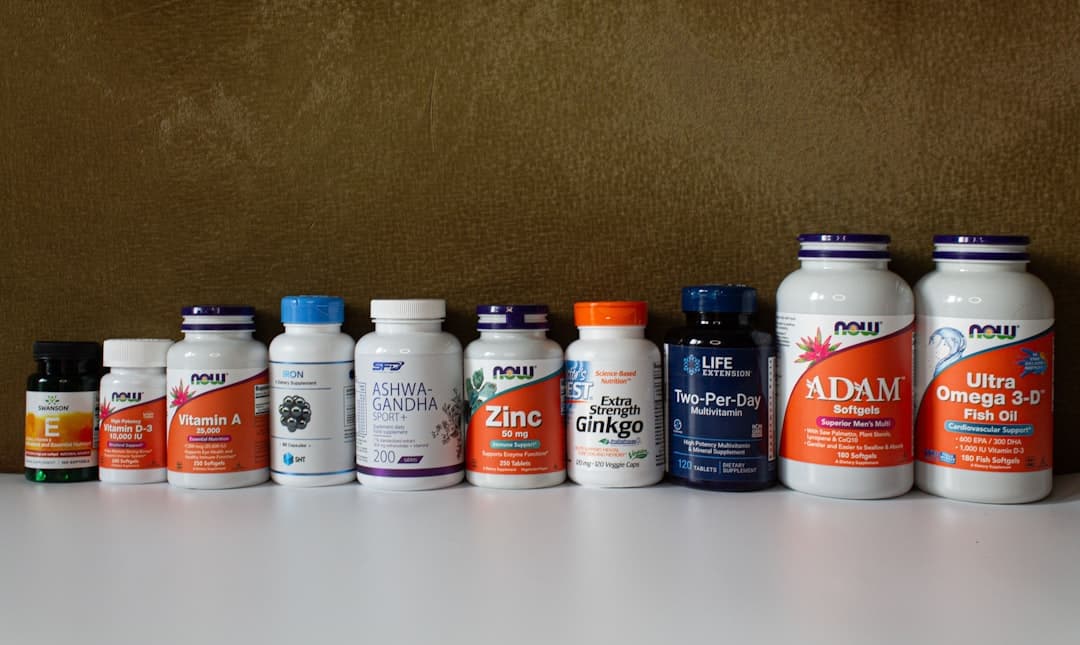
Vitamin C and zinc can both support normal immune function, but they work differently and fit different needs. Vitamin C is often used to help cover dietary gaps and support antioxidant defenses, while zinc is more directly tied to immune cell function and may be most useful when intake is low. For personalized dosing and to avoid side effects or interactions, check with a healthcare professional.
The quick take: similar goal, different roles
Vitamin C and zinc both support immune health, but they are not interchangeable.
Vitamin C is best thought of as a water-soluble nutrient that helps protect cells from oxidative stress and supports normal barrier function (like skin and mucous membranes). Zinc is a trace mineral that immune cells rely on to develop, signal, and respond appropriately.
If you are choosing just one, the most practical question is not “which is stronger,” but “which am I more likely to be low in, and what problem am I trying to solve?”
How vitamin C supports immunity
Vitamin C is involved in multiple immune processes, including supporting certain white blood cell functions and helping maintain tissues that act as first-line defenses.
It also acts as an antioxidant, helping limit damage from reactive molecules produced during normal metabolism and inflammation. Think of it like support staff that helps keep the environment stable so your immune system can do its job.
Most people can meet vitamin C needs through food, especially fruits and vegetables. When diets are limited, appetite is low, or fresh produce is hard to come by, a supplement may help fill gaps.
Vitamin C is also commonly taken during colds. Research overall suggests it is not a magic shield against getting sick for most people, but it may be modestly helpful for some individuals depending on baseline intake and circumstances.
How zinc supports immunity
Zinc is tightly linked to immune cell development and communication. When zinc is low, immune responses can become less coordinated, and wound healing can slow.
Because zinc is a mineral, the body does not store large “extra” amounts in a simple, readily available way. That is why ongoing low intake, absorption issues, or higher needs can matter.
Zinc is also popular for short-term use when you feel a cold coming on. Some studies suggest that, when started early, zinc may shorten how long symptoms last for some people. Results vary widely, and the form of zinc and how it is taken can influence tolerability.
Important: More zinc is not better. Too much zinc can cause nausea and other problems, and long-term high intake can contribute to copper deficiency and related complications. If you use zinc regularly, it is worth discussing with a clinician, especially if you also take multivitamins or immune blends.
Key differences that matter in real life
Both nutrients can be reasonable choices, but the trade-offs are different.
Dietary gap vs targeted mineral support: Vitamin C gaps often relate to low fruit and vegetable intake. Zinc gaps may be more likely in people who eat little animal protein, have restrictive diets, or have absorption issues. A healthcare professional can help you think through which pattern fits you.
Side effect profile: Vitamin C is generally well tolerated, but higher supplemental amounts may cause stomach upset or diarrhea in some people. Zinc is more likely to cause nausea, a metallic taste, or stomach irritation, especially on an empty stomach.
“During a cold” use: People often reach for vitamin C as a general support. Zinc is more often used as a short-term option when symptoms begin. Neither replaces rest, hydration, and appropriate medical care.
Medication and condition considerations: Zinc can interfere with absorption of certain antibiotics and other medications if taken at the same time. Vitamin C can affect iron absorption and may be relevant for people with certain iron-related conditions. If you have kidney disease, a history of kidney stones, gastrointestinal disease, or are pregnant, it is smart to get individualized advice.
How to choose based on your situation
If your goal is day-to-day nutritional coverage, vitamin C often makes sense when your diet is inconsistent or low in produce. It is also a reasonable pick if you want a generally gentle supplement and you already get enough zinc from food or a multivitamin.
If your goal is supporting immune function when zinc intake may be low, zinc may fit better. This can be relevant for some older adults, people with limited diets, and those with certain digestive or absorption challenges.
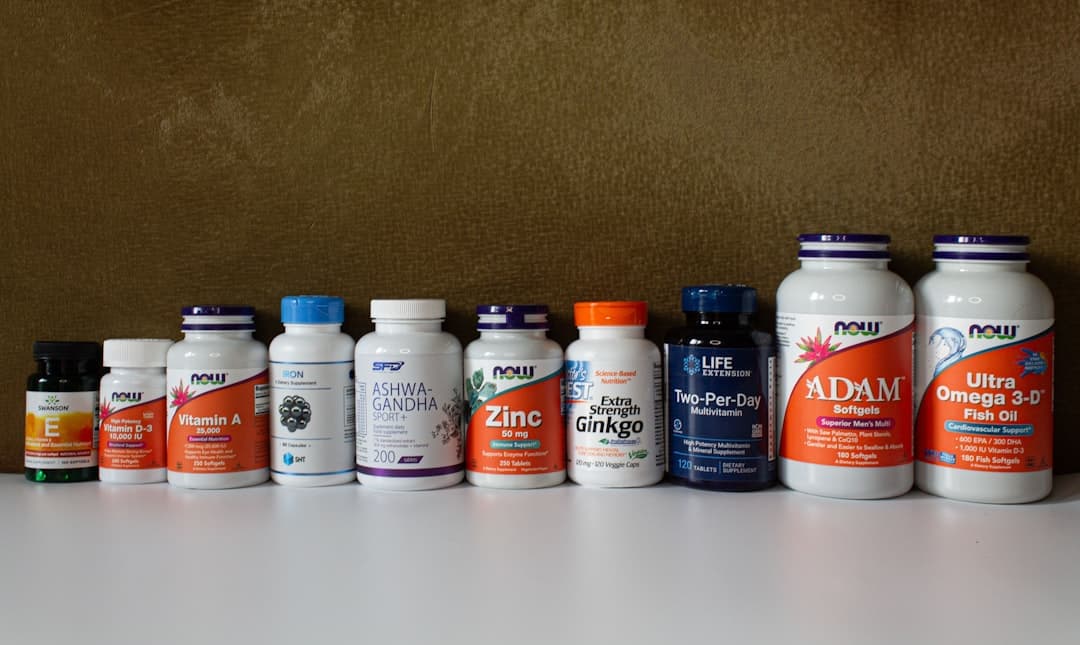
Some people take both. That can be appropriate, but it increases the chance of doubling up across products. Immune formulas frequently contain zinc and vitamin C together, and adding separate pills on top can push totals higher than intended.
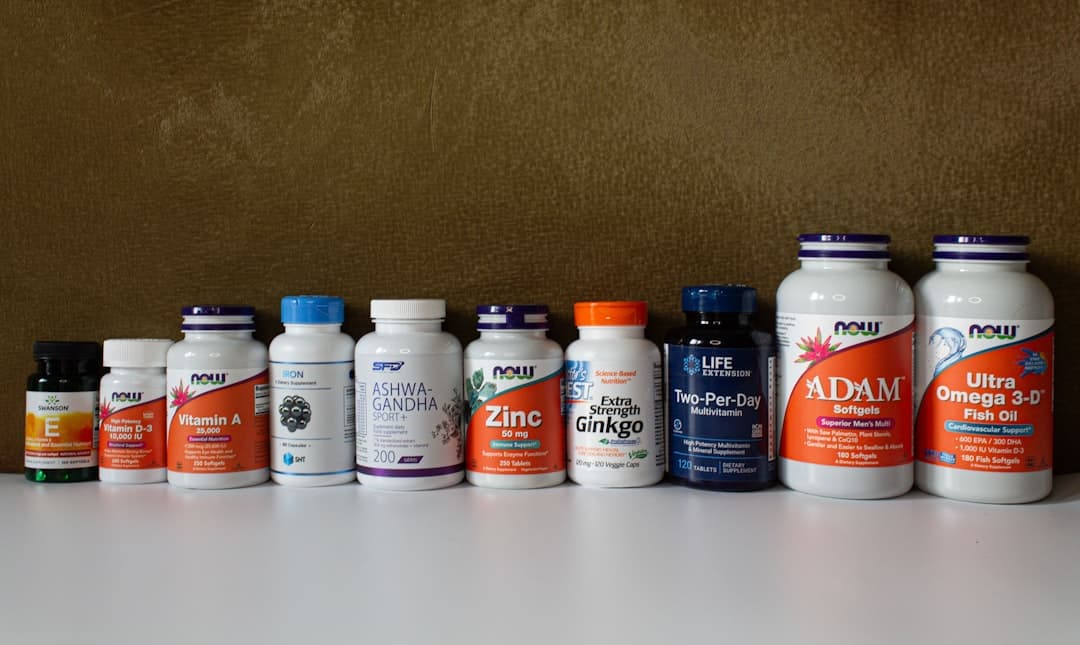
Pro Tip: Before adding anything new, check your current multivitamin, “immune support” gummies, and drink mixes for overlapping ingredients. If zinc is already included, you may not need an additional zinc product.
Safety notes and smart supplement habits
Start with food first when possible. Citrus, berries, kiwi, peppers, and broccoli are common vitamin C sources. Meat, seafood, dairy, beans, nuts, and whole grains can contribute zinc, though absorption varies across foods.
If you do supplement, most guidelines suggest staying within labeled directions unless a clinician recommends otherwise. Avoid stacking multiple products with the same ingredient, and be cautious with long-term daily zinc unless you have a clear reason and follow-up.
Consider the bigger picture, too. Sleep, stress management, vaccines when appropriate, and managing chronic conditions often move the needle more than any single supplement. If you are aiming for Optimal Health, supplements are usually the supporting cast, not the main strategy.
If you get frequent or severe infections, have unexplained fatigue, or have dietary restrictions, it is worth discussing with a healthcare professional. They may suggest evaluating overall nutrition, relevant labs, or underlying conditions rather than simply adding more supplements.
Did you know? Some immune symptoms people attribute to “low immunity” can actually relate to factors like poor sleep, high stress, or inadequate energy intake during a Calorie Deficit, which can affect how resilient you feel day to day.
Frequently Asked Questions
- Can I take vitamin C and zinc at the same time?
- Many people can take them together, and some products combine both. The bigger issue is total intake across all supplements, since doubling up can increase side effects. If you take medications or have a chronic condition, ask a clinician or pharmacist about timing and interactions.
- Is vitamin C or zinc better for preventing colds?
- Neither guarantees prevention for most people. Vitamin C may be modestly helpful for some individuals, particularly if baseline intake is low, while zinc is often used at the start of symptoms and may shorten duration for some people. Effects vary, and tolerability can be a limiting factor.
- What are signs I might not be getting enough zinc or vitamin C?
- Possible signs can overlap with many other issues and are not specific, such as frequent infections, slow wound healing, or dietary limitations. Vitamin C inadequacy may be more likely with very low fruit and vegetable intake, while zinc inadequacy may be more likely with limited protein variety or absorption problems. A healthcare professional can help assess diet and decide if testing or supplementation makes sense.
- Should kids take vitamin C or zinc for immune support?
- Children often meet needs through a balanced diet, and supplement needs depend on age, diet, and health history. Because dosing and safety differ for kids, it is best to consult a pediatrician before using vitamin C or zinc supplements, especially for cold treatment.
Get Evidence-Based Health Tips
Join readers getting weekly insights on health, nutrition, and wellness. No spam, ever.
No spam. Unsubscribe anytime.