Pandemics & Diseases
The 'Pandemics & Diseases' niche covers the study, prevention, and management of widespread infectious diseases that impact public health globally. It includes topics such as viral and bacterial outbreaks, epidemiology, disease surveillance, and public health responses. This niche also explores conditions like COVID-19, influenza, and SARS, along with the development and distribution of vaccines, antiviral treatments, and public health policies aimed at controlling disease spread.
Explore Topics
In-depth topics to explore in Pandemics & Diseases.
Cure: Complete Guide
A “cure” is one of the most powerful and most misunderstood words in health. This guide explains what a cure actually means in medicine, the biological pathways that make cures possible, where cures are realistic today, and where “management” or “remission” is the more accurate goal.
CDC: Complete Guide
The Centers for Disease Control and Prevention (CDC) is the United States’ national public health agency, best known for disease surveillance, outbreak response, and evidence-based guidance. This guide explains how the CDC works, what it can and cannot do, how to use CDC recommendations in real life, and where debates and uncertainties commonly arise.
All Articles
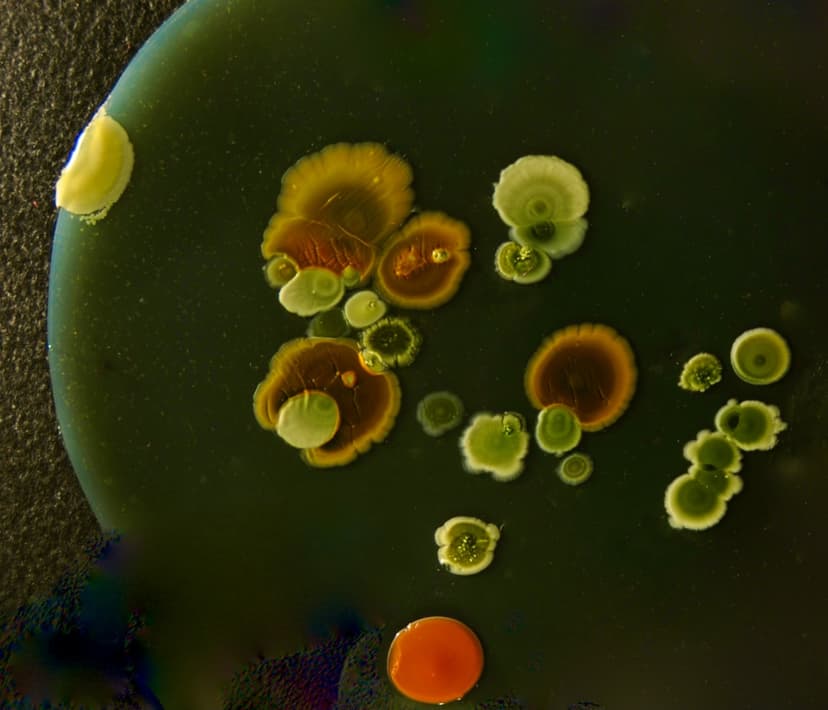
Antibiotic Resistance: A Real Threat, Not Doom
Antibiotic resistance can make everyday infections harder to treat, but this discussion emphasizes it is a serious, manageable threat rather than an imminent end-of-humanity scenario. Resistance happens when bacteria mutate or acquire genes that let them inactivate antibiotics or pump drugs out. A key theme is antibiotic stewardship: avoid antibiotics for viral illness, use the shortest effective course, and do not pressure clinicians for prescriptions. The conversation also highlights real-world examples like MRSA and drug-resistant gram-negative bacteria (including E. coli), plus environmental and agricultural contributors. Practical steps can reduce risk while preserving these life-saving medicines.

Dr. Jay Bhattacharya’s Plan to Restore Public Health Trust
Public health only works when the public believes it is honest, competent, and accountable. In this Huberman Lab conversation, Dr. Jay Bhattacharya argues that US health outcomes, including flat life expectancy since 2012 and a sharp pandemic-era drop, show a disconnect between massive research investment and real-world benefit. He emphasizes protecting basic science, fixing incentives that concentrate funding at elite universities, and directly addressing pandemic-era controversies. A central proposal is to elevate replication and meta-research with dedicated funding, so science becomes more reliable and trust can be rebuilt through transparency.
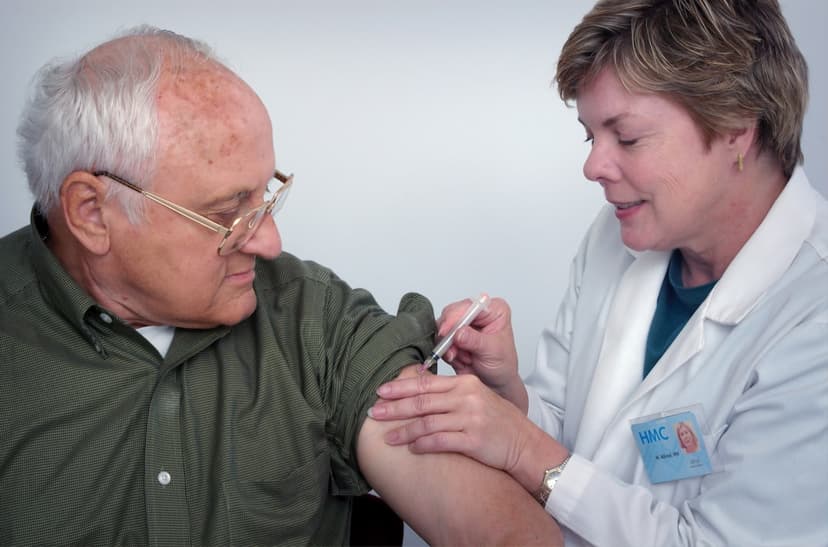
Flu Shot Study: When Protection May Fade Over Time
It is frustrating to do the “responsible” thing, get a flu shot early, and still end up sick in January. A Cleveland Clinic workforce study discussed in this video reports that during the 2024 to 2025 season, employees who received the flu vaccine had a higher cumulative incidence of influenza over time, with an estimated 27% increased risk in the analysis. The video’s unique focus is not just the headline result, but the timing, early-season similarity, later-season “bifurcation,” and the idea that waning immunity, host factors, and lifestyle may influence real-world effectiveness. Here is how to interpret that claim carefully and what you can do now.

Trade Wars and Health: 5 Hidden Ways Tariffs Hit
A trade war can feel abstract until it shows up at the pharmacy, the clinic, or your grocery bill. In this video, two Canadian physicians frame tariffs as a kind of warfare with real health “casualties”, not from bullets, but from higher prices, shortages, and delayed care. Their top five pathways are practical and specific: medication costs, medical supply costs, equipment costs, supply chain disruption, and reduced access to healthy food. This article explains the “why” behind each pathway and gives realistic steps you can take to protect your health and household resilience.

What “I Did My Own Research” Misses on Vaccines
Many people say “I did my own research” about vaccines, but often mean they read online opinions. The key point in this video is that real research is hard, time-consuming, and technical, often requiring immunology, virology, statistics, and epidemiology to interpret hundreds of papers. Instead of pretending we can replicate expert review overnight, a more practical approach is to understand how evidence is evaluated and why advisory committees exist. This article turns that perspective into everyday steps you can use to check claims, compare sources, and ask better questions at your next appointment.

Understanding the Unique Challenges of the 2024/2025 Flu Season
Most people treat a bad flu season as a simple story: a nasty virus is going around, so get through it and move on. The perspective in this video is more investigative. The presenter points to unusually high influenza-like illness hospitalizations and argues we should ask harder questions about why so many people seem not just sick, but very sick. He lays out five scenarios, ranging from better testing and a more virulent strain, to population health changes after lockdowns, to low flu vaccine uptake, to a more controversial possibility: immune “burnout” after repeated spike-protein-based immunizations. He connects that last scenario to a Yale preprint describing post-vaccination syndrome in a subset of participants, including fatigue, brain fog, exercise intolerance, and evidence of immune exhaustion and Epstein-Barr virus reactivation. The article below keeps that investigative framing, while adding practical, non-prescriptive steps to support recovery and reduce risk.