Daily Protein for Women: Simple Habits That Stick
Summary
Hitting a higher protein target can feel like one more impossible task, especially if you are busy, not very hungry in the morning, or training. The video’s core message is flexible consistency: do what you can (even 100 grams instead of 120) and build from there. It offers practical “hacks” like protein coffee made cold to avoid clumping, and splitting a higher protein breakfast around workouts to prevent that overly full feeling. The bigger goal is not a short training block, it is daily habits that support strength, power, and independence as women age.

When protein targets feel overwhelming
Trying to hit a big daily protein number can feel like you are failing before you even start.
This perspective makes room for real life: if 120 grams sounds like too much, stepping up to 100 grams first can still be a win, especially if it is already more than you were eating. The key idea is step loading, do what fits your quality of life now, then build.
It also quietly reframes the goal. Protein is not just a “diet thing”, it is part of a long game that supports muscle, recovery, and the ability to stay active as the years stack up.
Important: If you are pregnant, postpartum, managing kidney disease, or have a history of eating disorders, it is worth checking in with a clinician or registered dietitian before making big changes to protein targets.
The “protein coffee” hack (and why hot fails)
Most women start the day with a hot drink, usually coffee. So the hack starts there.
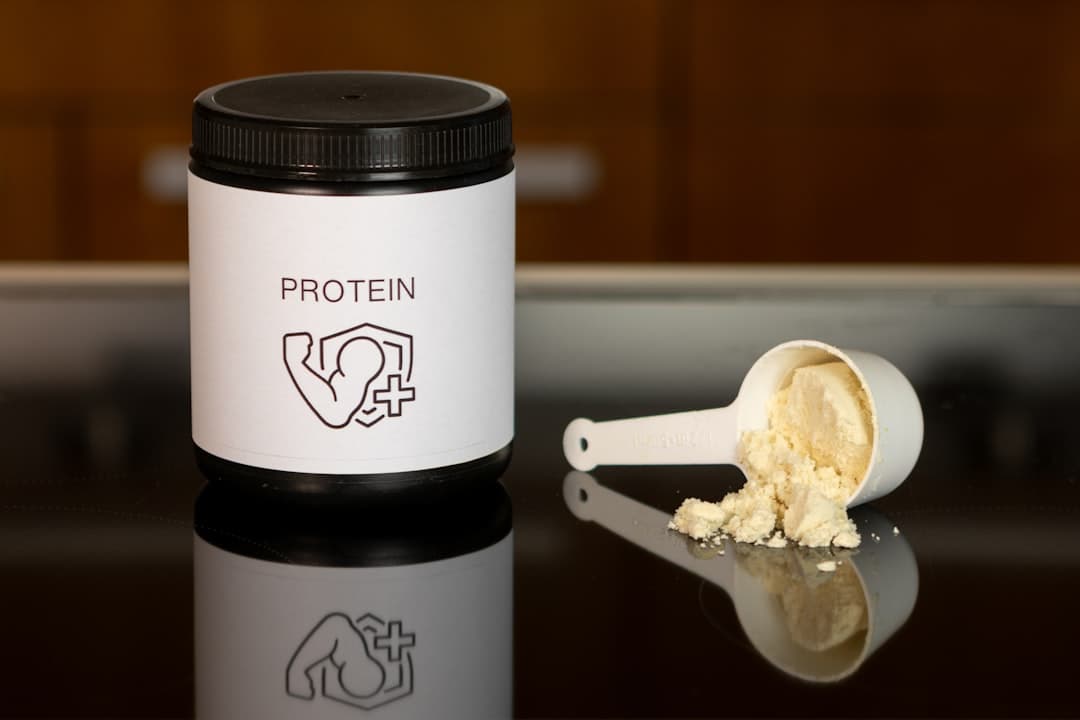
The trick is mechanical: stirring protein powder into a hot beverage tends to clump and turn “gluggy.” Instead, mix your protein powder into cold milk of choice, then add coffee, then put it in the fridge overnight. In the morning you get a cold latte plus about 30 grams of protein.
Pro Tip: If texture is an issue, use a shaker bottle for the cold milk and powder first, then add coffee after it is smooth.
What the research shows (and what it does not)
What the research shows: Higher protein intakes, combined with resistance training, can support muscle protein synthesis and help preserve lean mass with aging, especially when protein is spread across the day (International Society of Sports Nutrition position standTrusted Source).
That does not mean you need perfection. The video’s point is adherence: a protein habit you actually keep beats an “optimal” plan you abandon.
Too full at breakfast? Split it around training
A common barrier is simple: “I am too full.”
This approach suggests splitting breakfast so you still reach a higher protein meal without feeling stuffed. Example given: scrambled eggs on sprouted grain toast, maybe with nuts, aiming for about 40 grams of protein total. Instead of forcing it all at once, eat part before training and the rest after.
This can work because training increases the body’s demand for amino acids, the building blocks of protein. Resistance exercise sensitizes muscle tissue to protein intake for hours afterward, which is one reason many sports nutrition guidelines emphasize pairing protein with training and distributing it across meals (ISSNTrusted Source).
How to step load your protein without misery
Pick a realistic “next step,” not the final number. If you are far below your target, aim for a smaller bump first, for example moving from 70 grams to 90 to 100. This keeps the change doable, which is the whole quality of life argument.
Attach protein to an existing habit. Coffee is the anchor here. When protein rides on a routine you already do daily, consistency tends to improve.
Use meal timing to reduce fullness. Splitting that 40 gram breakfast around training is a practical way to get the total while keeping portions comfortable.
Did you know? Many adults fall short of the recommended dietary allowance for protein at certain meals, especially breakfast, which can make daily targets feel harder than they need to be (USDA Dietary GuidelinesTrusted Source).
Why this is bigger than macros: strength for decades
The closing message is blunt: this is not a short term training block for an event six months away.
The emphasis is daily changes that make you more powerful, strong, and independent as you age. Protein intake is paired with movement you enjoy, plus high intensity interval training and heavy strength training, adjusted to what is appropriate for different women. The through line is function: getting up, carrying, climbing, recovering, and staying self sufficient.
Q: What if I cannot hit my protein number every day?
A: This framework is flexible. If you can only reach 100 grams instead of 120, that can still be progress if it is higher than your baseline and you can sustain it.
The goal is to build capacity over time, not to “pass or fail” daily.
Podcast nutrition and training educator (as presented in the video)
Key Takeaways
Frequently Asked Questions
- Can I add protein powder to hot coffee?
- Many people find that protein powder clumps in hot liquids and becomes unpleasant. The video’s workaround is to mix protein into cold milk first, add coffee, then chill it overnight for a smoother texture.
- What if a high protein breakfast makes me feel too full?
- Splitting breakfast into two smaller portions can help, especially around training. You still get the total protein, but with less stomach discomfort.
- Is it okay to aim for 100 grams of protein instead of 120?
- The video’s point is flexibility and sustainability. If 100 grams improves your intake and fits your life, it can be a practical stepping stone you build on over time.
Get Evidence-Based Health Tips
Join readers getting weekly insights on health, nutrition, and wellness. No spam, ever.
No spam. Unsubscribe anytime.