Efficient Training for Women 40+: Sims’ 3 Pillars
Summary
In this Huberman Podcast segment, Dr. Stacy Sims frames training after 40 (especially 50+) as a “turn the brain away” moment, stop chasing what used to work and train for the life you want at 80 or 90. Her efficiency formula centers on three stressors: short, regular jump training for bone loading, heavy resistance training for strength and muscle, and sprint interval training for high return conditioning. Nutrition is the companion lever: higher daily protein, roughly 1 gram per pound of body weight (about 2 to 2.3 g per kg), using animal or plant sources.
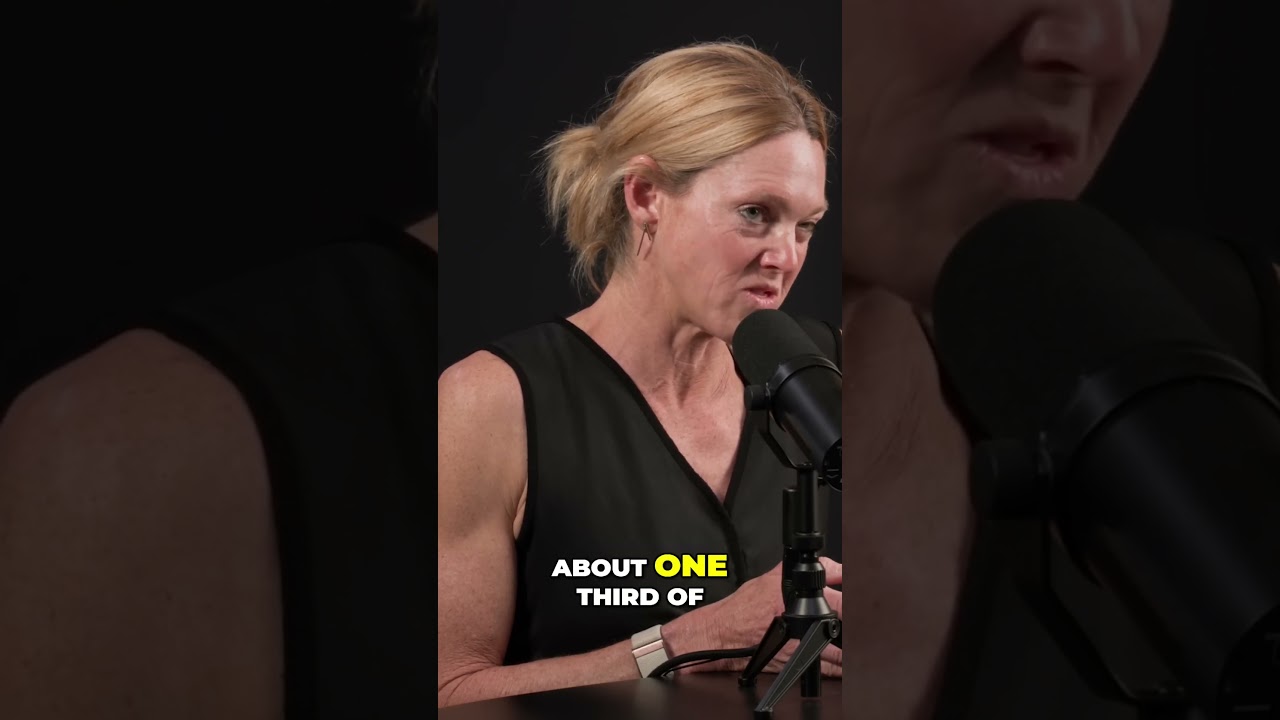
Dr. Stacy Sims describes a question she hears constantly from women in the “50 and up” category: what is the most efficient way to train for maximum healthspan and lifespan benefits.
Her answer is refreshingly no-nonsense. Stop training for the body you had at 25, and start training for the life you want at 80 or 90.
A different goal after 40: train for 80 and 90
This framing emphasizes outcomes that matter for independent living: good proprioception (your body’s sense of position), balance, strong bones, and the ability to produce strength on demand. Not just “being fit,” but being capable.
A key insight here is that efficiency comes from choosing stressors that push the body to adapt where women commonly lose ground during and after menopause.
Did you know? Bone density loss accelerates around menopause, and major medical organizations highlight fracture prevention as a core midlife health priority, including through resistance and impact exercise when appropriate (NIH Osteoporosis overviewTrusted Source).
The 10-minute jump training idea (and why impact matters)
The discussion highlights a surprisingly small dose: 10 minutes, three times per week of jump training.
This is not “land softly and quietly.” The point is impact loading through the skeletal system, a different kind of stress than steady cardio.
What “jump training” is aiming to do
The unique perspective here is that bone responds to targeted impact, and that women can practice jumping as a skill. Sims references work by a colleague (Tracy Klee) developing guidance to teach women how to jump, with reports of improved bone mineral density over about four months in some participants.
Important: If you have osteoporosis, stress fractures, pelvic floor symptoms, significant joint pain, or you are unsure about impact safety, talk with a licensed clinician or physical therapist before starting jumping.
Practical ways to start safely (ask for individualized clearance if needed):
The other two “big rocks”: heavy lifting and sprint intervals
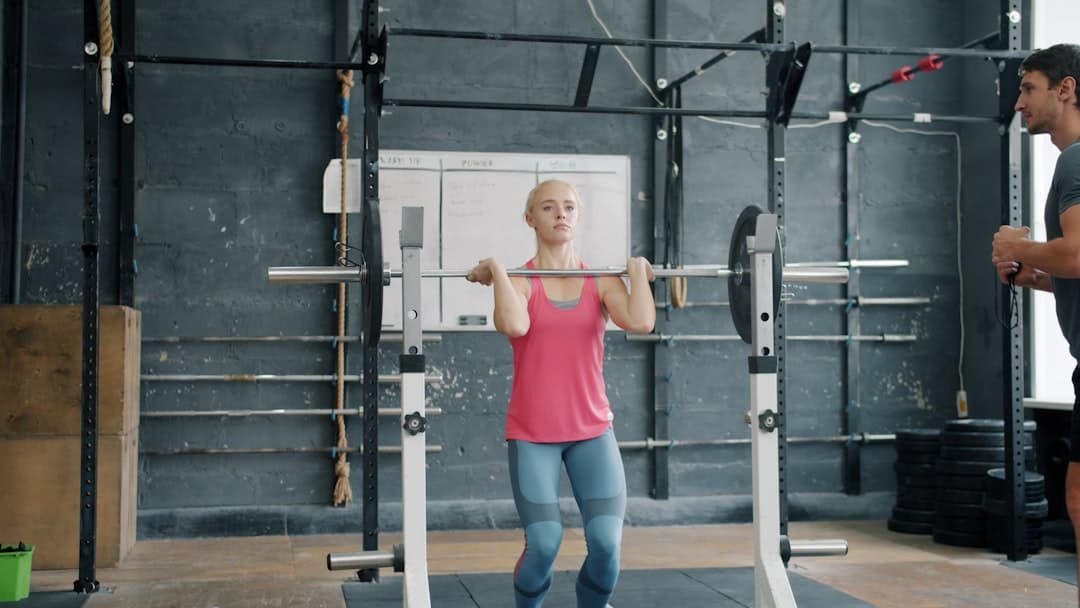
Sims groups jump training with two other pillars: heavy resistance training and sprint interval training.
This combination targets strength, muscle, and high-return conditioning in less time than long, moderate workouts.
Pro Tip: If you can only add one thing this month, choose the one that addresses your biggest gap, strength, impact tolerance, or intensity, then build from there.
A simple weekly structure (example)
What the research shows: Clinical guidance commonly supports resistance training and weight-bearing impact activity (when appropriate) as part of osteoporosis prevention and management (ACOG patient guidanceTrusted Source).
Protein as the multiplier for muscle and body composition
Then comes the nutrition lever: protein.
Sims notes that many women are surprised by her target: around 1 gram per pound of body weight, roughly 2 to 2.3 g per kg per day. That is higher than many general recommendations, so it is worth personalizing with a clinician, especially if you have kidney disease or other medical conditions.
Her practical point is simple: muscle is harder to build and keep through the menopause transition, and training adaptations need building blocks.
Ways to make higher protein more doable:
Key Takeaways
Frequently Asked Questions
- Is jump training safe if I am worried about osteoporosis?
- It depends on your bone density, fracture history, symptoms, and movement capacity. Because jump training is impact-based, it is smart to discuss it with your clinician or a physical therapist first, and start with lower-impact progressions if cleared.
- Do I have to do all three: jumping, heavy lifting, and sprint intervals?
- Not necessarily. The video’s efficiency message is to focus on the highest-return “big rocks,” but you can scale based on your health history, preferences, and access to equipment, and build up gradually.
- Is 1 gram of protein per pound safe for everyone?
- Higher protein can be appropriate for some active adults, but it is not one-size-fits-all. If you have kidney disease, are pregnant, or have other medical concerns, it is best to review protein targets with a qualified clinician or dietitian.
Get Evidence-Based Health Tips
Join readers getting weekly insights on health, nutrition, and wellness. No spam, ever.
No spam. Unsubscribe anytime.