Exercise Advice for Women, Menopause, and Fat Loss
Summary
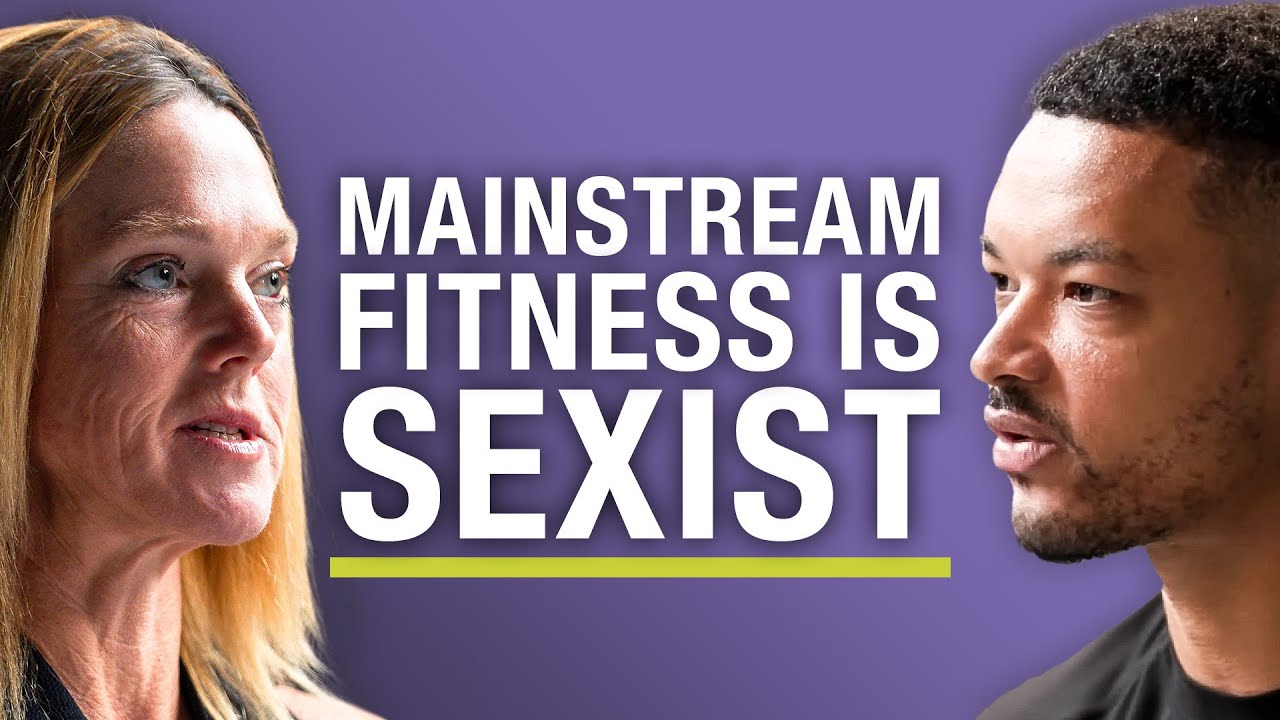
A core message from Dr. Stacy Sims is that much “mainstream” training and fat loss advice was built around male physiology, then handed to women as if hormones do not change the rules. This video’s perspective emphasizes resistance training across life stages, plus strategically timed intensity that matches menstrual cycle shifts and menopause-related hormone changes. It also highlights a modern problem, daily life has become so convenient that many people struggle with basic movement, which quietly undermines health. The goal is not perfection, it is using your physiology as a guide so training builds strength, improves blood sugar control, and supports long-term metabolic health.
A Wall-E Moment, and Why It Matters for Women’s Training
The conversation opens with a scene that is almost funny until it feels uncomfortably familiar: the Wall-E image of people floating through life, barely moving, then struggling to get up when they finally hit the ground.
That is the point. Modern convenience quietly trains your body to do less.
This perspective links that “low movement” environment to why exercise can feel so punishing, especially for women who are also navigating monthly hormonal shifts, pregnancy and postpartum changes, or the transition into perimenopause and menopause. When daily life is sedentary, workouts feel harder, recovery feels slower, and it becomes easy to turn it inward as self-criticism.
The motivating twist in this video is that the solution is not “try harder.” It is “train smarter,” and for women, that starts with respecting physiology instead of ignoring it.
Why “One-Size-Fits-All” Exercise Can Miss Women
A central argument here is that much of exercise science has historically treated women like smaller men. The result is advice that can sound neutral, but lands differently in a female body.
What is unique in this framing is how it organizes women’s health into distinct hormonal chapters, not a straight line. Instead of “you age, you decline,” the discussion highlights turning points: reproductive years, pregnancy, perimenopause, and postmenopause. Each phase has a different hormone profile, which can change how training feels, how you adapt, and what you may need most.
By contrast, the video describes male aging as more gradual, with a more linear decline in testosterone often becoming more noticeable later in life.
The “sexist advice” claim, in plain language
The point is not that every study is wrong. It is that if the default model is male, women are often left to troubleshoot on their own.
This matters for fat loss goals, too. The video explicitly challenges the idea that you would recommend fasting or training the same way for a man and a woman who show up with the same goal.
What the research shows: Women have been historically underrepresented in clinical research, which can limit how confidently we generalize findings. The NIH has emphasized the importance of considering sex as a biological variable in research design and reporting, see NIH policy overviewTrusted Source.
The Non-Negotiable Base: Resistance Training for Fat Loss and Health
If you take one practical message from this video, it is this: resistance training is key, and not just for athletes.
It is presented as the foundation in multiple scenarios, a woman in her mid-30s who wants to lose weight, a woman in her mid-40s in perimenopause, and women who are moving into postmenopause. The reasoning is not “lift because it is trendy.” It is “lift because it changes your body’s metabolism.”
Here is the mechanism the video highlights, translated into everyday language:
Pro Tip: If you feel overwhelmed, start with two full-body resistance sessions per week. Consistency beats intensity when you are rebuilding the habit of moving your own body.
From a broader health standpoint, resistance training is also strongly supported by major guidelines. The WHO physical activity recommendationsTrusted Source include muscle-strengthening activities on two or more days per week for adults.
Cycle-Smart Training: When to Push, When to Deload
One of the most practical, and empowering, parts of the video is the idea that women can use cycle awareness as a training tool.
It is also a mental health message. The video calls out a common pattern: women feel a “bad workout day,” then spiral into “I suck,” instead of recognizing normal physiological variability.
A simple way the video maps training to the cycle
This is not presented as a rigid rulebook. It is more like a set of guardrails.
This mirrors a familiar strength and conditioning concept: build training in macro and micro cycles, then deload. The unique twist is syncing that deload concept to menstrual physiology.
Important: If your cycle is irregular, you are postpartum, you use hormonal contraception, or you are in perimenopause, cycle cues may be harder to interpret. Consider discussing major training changes with a clinician, especially if you have heavy bleeding, dizziness, or symptoms that interfere with daily life.
For readers who want a mainstream reference point, the American College of Obstetricians and Gynecologists (ACOG)Trusted Source supports exercise for most people, including during pregnancy, with individualized guidance.
Menopause: Using Exercise as the “External Stress” Your Hormones Used to Provide
The menopause segment is where this video becomes especially direct: when estrogen and progesterone shift, you cannot rely on the same internal hormonal environment to drive training adaptations.
Exercise is framed as a good stress, a stimulus that tells your body to adapt.
The discussion highlights several roles that hormones played earlier in life, including estrogen’s link to muscle protein synthesis and strength and the role of estrogen and progesterone in bone-related processes. The key point is not to debate every molecular detail in a podcast clip, it is to understand the practical consequence: in menopause, you may need a clearer training signal to get the adaptation you want.
Why “true high intensity” is emphasized
The video draws a straight line from menopause physiology to metabolic outcomes:
In other words, this is not “go hard because pain is progress.” It is “use intensity deliberately so your body gets the message.”
Trusted guidance broadly supports exercise for cardiometabolic health during midlife. For example, the American Heart AssociationTrusted Source recommends both aerobic activity and strength training for heart and metabolic health.
Q: If I am in perimenopause or menopause, should I only do high-intensity workouts?
A: Not necessarily. This video’s emphasis is that true intensity can be useful for glucose control and adaptation when hormone support changes, but it also repeatedly places resistance training as the foundation and acknowledges days when you should dial it down.
A balanced plan often includes strength work, some higher-intensity sessions if appropriate for your health status, and lower-intensity movement that supports recovery. If you have cardiovascular disease risk factors, pelvic floor symptoms, or you are new to exercise, it is wise to review plans with a clinician or qualified coach.
Dr. Stacy Sims, PhD (as featured in the video)
A Practical Weekly Framework (Without Perfectionism)
The video keeps coming back to a real-world barrier: people skip hard workouts because they already feel depleted, and then they judge themselves for it.
So here is a flexible framework that matches the video’s trade-off mindset, push when it makes sense, back off before you crash.
»MORE: If you want a simple printable tracker, create a one-page log with three lines per day: sleep, stress, training, plus a note on cycle day or menopause symptoms.
How to build your week around the video’s ideas
Start with resistance training as your anchor. Aim for 2 to 3 sessions weekly that cover major movement patterns (squat, hinge, push, pull, carry). Keep the first month intentionally moderate so you build confidence and tolerance.
Add 1 to 2 “true intensity” sessions if appropriate. This could be sprint intervals or very hard efforts with full recovery, adjusted to your fitness level. The key idea is that it should be hard enough to create a meaningful stimulus, not just a workout that feels busy.
Use lower-intensity days to protect consistency. Mobility, easy endurance, and recovery sessions are not “cop-outs” in this framing, they are what keep you training week after week.
Deload strategically, especially when your body is signaling it. If you notice that the few days before your period reliably feel worse, plan lighter sessions there. If you are in perimenopause and symptoms fluctuate, you can deload based on sleep, mood, and recovery instead of calendar dates.
Small daily movement, the missing piece
The Wall-E warning is really about baseline activity. If you only move during workouts, everything feels harder.
Key Takeaways
Frequently Asked Questions
- Do women need different exercise advice than men for fat loss?
- This video argues that women often do, mainly because female hormones shift across the menstrual cycle and across life stages like perimenopause and menopause. A practical takeaway is to prioritize resistance training and adjust intensity based on recovery and cycle-related patterns.
- How do I know when to deload around my period?
- The approach discussed is to notice patterns, especially the 4 to 5 days before bleeding when you may feel more run down, then plan lighter training, mobility, or recovery work. If symptoms are severe or cycles are very irregular, consider discussing it with a clinician.
- Is high-intensity training safe during menopause?
- High-intensity work can be appropriate for many people, but it should be individualized based on your fitness level, medical history, and symptoms. If you have heart risk factors, pelvic floor concerns, or are new to exercise, it is wise to check in with a healthcare professional before ramping up intensity.
- What is the simplest starting plan if I feel deconditioned?
- Start with two full-body resistance sessions per week plus easy walking on most days, then build gradually. This matches the video’s emphasis on rebuilding the ability to move your own body consistently, instead of jumping into punishing workouts.
Get Evidence-Based Health Tips
Join readers getting weekly insights on health, nutrition, and wellness. No spam, ever.
No spam. Unsubscribe anytime.