Menopause: The Hidden Whole Body Hormone Shift
Summary
Many women hit their 40s, cannot sleep, feel exhausted, and notice body changes, then get told it is “just stress.” The video’s core insight reframes this common puzzle: changing sex hormones can downregulate multiple body systems at once, so symptoms can show up everywhere, not just in periods. That shift in framing can be a relief, because it validates what women feel and helps guide a better conversation with a clinician. This article breaks down that whole body perspective and offers practical ways to track symptoms, prepare for appointments, and seek support.

The midlife health puzzle many women recognize
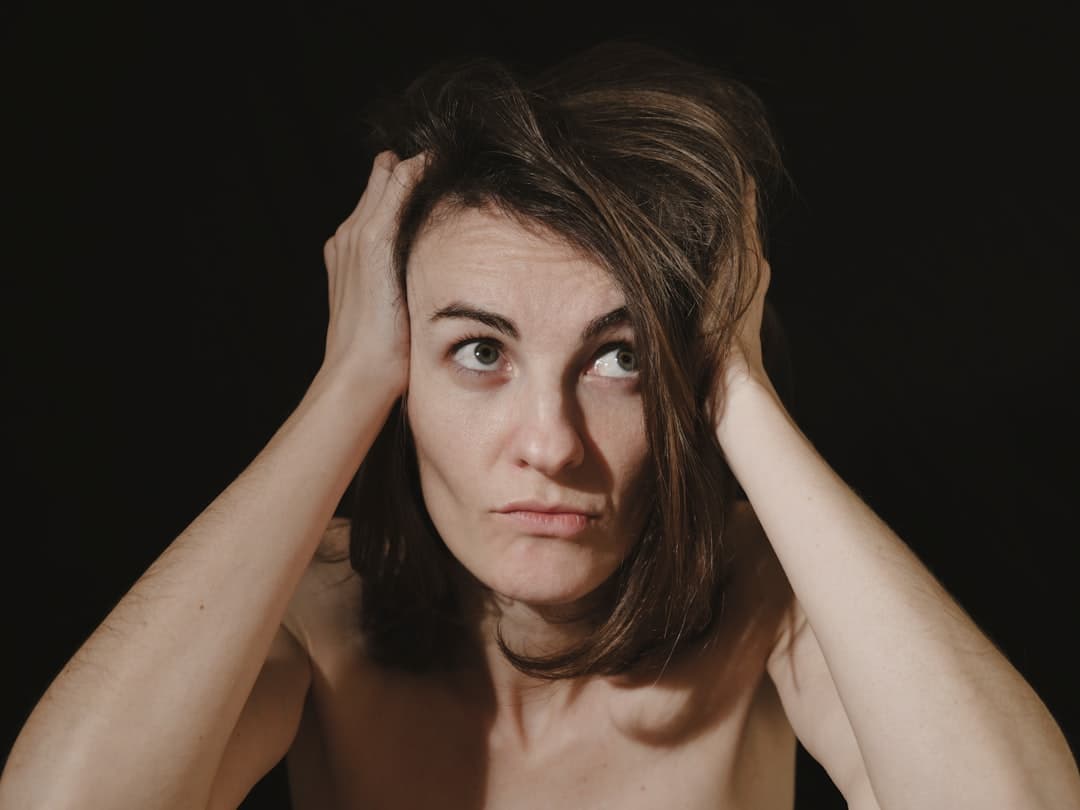
A woman in her 40s cannot sleep, feels too tired to exercise, and notices her body changing.
For years, a typical explanation sounded like this: you are highly stressed, juggling kids, aging parents, and a demanding career, so here is an SSRI for anxiety or depression to help you sleep. The key insight in this discussion is that this storyline can miss something big.
This framing emphasizes a different starting point: perimenopause may be driving the change, and it can feel extreme precisely because it is not just one symptom.
Did you know? The menopause transition is officially recognized as a life stage where fluctuating estrogen levels can contribute to symptoms such as hot flashes and sleep disturbance, according to the North American Menopause SocietyTrusted Source.
A whole body lens: why “every system” can feel off
The discussion highlights a whole body effect: when sex hormones change, other hormones and body systems can downregulate too.
That matters because hormones interact with the brain, muscles, metabolism, and sleep regulation. So the experience may not look like a single “women’s health” issue, it can look like a cascade: poor sleep, low energy, reduced training tolerance, and body composition shifts that feel unfamiliar. The expert’s unique contribution here is the insistence that this is not imagined, it is systemic.
What symptoms might cluster together?
Important: New or severe symptoms, like chest pain, fainting, heavy bleeding, or sudden depression, deserve timely medical evaluation, even if you suspect perimenopause.
From being dismissed to being heard in the clinic
A major theme is relief.
Not because symptoms are easy, but because women are increasingly told, “It might be perimenopause,” instead of being told it is all stress. That shift reduces the “gaslit” feeling many report, where their reality is minimized.
This view holds that naming the transition can be therapeutic in itself, it gives you a coherent explanation and a next step: a better clinical conversation about what is happening across systems.
Q: If I am in my 40s and cannot sleep, is it automatically perimenopause?
A: Not automatically. Sleep issues can come from stress, thyroid problems, sleep apnea, depression, medications, and more, but the video’s point is that perimenopause deserves to be on the shortlist, not dismissed.
Bringing a symptom timeline to your GP can help sort out what fits and what needs separate evaluation.
Dr. Stacy Sims, PhD (as featured in the video)
How to prepare for a better perimenopause conversation
Clarity beats guesswork.
Here is a step-by-step way to turn “something is wrong” into actionable information for your clinician.
How to map your symptoms (and advocate for yourself)
Track sleep for 2 weeks. Note bedtime, wake time, awakenings, and how rested you feel. Add alcohol, caffeine timing, and nighttime overheating, since these can interact with menopausal symptoms recognized by groups like the NHSTrusted Source.
Log energy and exercise tolerance. Write down what workouts you attempted and what felt unusually hard. Include recovery notes, like soreness lasting longer than expected.
Document body changes without judgment. Record weight trends if you choose, but also track waist/hip measurements, appetite shifts, and how clothes fit. This helps describe change even when the scale is noisy.
List life stressors, but do not let them erase biology. Caregiving and career pressure matter, and the point is to consider both stress and hormonal transition, not one or the other.
Bring specific questions to your GP. For example: “Could this be perimenopause?” “What else should we rule out?” “What options exist for symptom relief, and what are the risks and benefits for me?” The North American Menopause SocietyTrusted Source has patient resources that can help you prepare.
Pro Tip: Use one sentence to summarize your pattern, for example, “For 3 months, I have had broken sleep most nights plus fatigue that makes exercise feel impossible.” Then hand over your notes.
»MORE: Consider creating a one page “symptom snapshot” you can print for appointments, including your top 3 symptoms, timeline, and what you have already tried.
Key Takeaways
Frequently Asked Questions
- What is perimenopause, and when can it start?
- Perimenopause is the transition leading up to menopause, when hormone levels fluctuate and symptoms can begin. Many people notice changes in their 40s, but timing varies, so discussing your specific pattern with a clinician is useful.
- Why do doctors sometimes attribute symptoms to stress instead of hormones?
- Midlife often includes heavy responsibilities, and stress can genuinely affect sleep, mood, and energy. The video’s perspective is that perimenopause should also be considered because hormone shifts can affect many systems and mimic or amplify stress effects.
- What should I track before I talk to my GP about possible perimenopause?
- Track sleep quality, energy, exercise tolerance, cycle changes if applicable, and any body changes for at least two weeks. A short timeline plus your top concerns can help your GP evaluate perimenopause and rule out other causes.
Get Evidence-Based Health Tips
Join readers getting weekly insights on health, nutrition, and wellness. No spam, ever.
No spam. Unsubscribe anytime.