Why Strength Beats the Pressure to Be Skinny
Summary
Why does “skinny” get treated like the ultimate compliment, especially for girls entering puberty? In this video, Dr. Stacy Sims pushes back on that social-media-driven ideal using a simple test: can the body do things, like lift, run fast, and play well? Her point is not that weight never matters, but that chasing thinness can hide a bigger problem, weakness and reduced capability. This strength-first mindset aims to protect confidence, support independence, and give girls and women a more functional way to judge health and progress.

Why do we praise “skinny” so loudly?
If someone loses weight, why do we assume they are automatically healthier?
The video opens with a real-life pressure point: a 12-year-old girl absorbing social media and peer commentary. Friends are praising thinness, “so skinny” and “looks so great,” as if that is the whole story. This perspective treats that moment as more than teen drama. It is a health messaging problem, because the compliment is about appearance, not function.
And appearance compliments can be loud.
Did you know? The American Academy of Pediatrics warns that social media can shape body image and contribute to disordered eating risk in some youth, especially when appearance becomes a main measure of worth (AAP guidance on social media).
The investigative question underneath the clip is: what gets missed when “skinny” becomes the goal? One answer is hiding in plain sight, capability.
The video’s litmus test: can you lift, run, and play?
Thin does not automatically mean strong.
The key insight here is blunt: “They are weak. They can’t lift anything.” That is not said to insult anyone’s body, it is used as a reality check. If weight loss results in less strength, less speed, and less ability to do daily tasks, then the outcome is not automatically a win.
A different scoreboard
Instead of rewarding a look, the clip rewards function.
A single line from the daughter lands the point: “Yeah, but they’re weak.” That is the mindset switch in action.
Pro Tip: Try replacing appearance praise (“you look so thin”) with capability praise (“you look powerful,” “you’ve gotten faster,” “you carried that easily”).
How to switch the mindset without starting a fight
Changing rhetoric is not about shaming thin bodies.
It is about changing the default story girls hear, especially around puberty, when bodies naturally change. The speaker argues we should “push out” strength and empowerment talk, not pull back from it. That is a communication strategy: repeat a better frame until it becomes normal.
A simple 3-step conversation
Name the pressure out loud. “Social media is pushing one look,” can help a child see the influence instead of internalizing it.
Ask a function question. “Can that body lift? Can it run? Can it play?” moves the discussion from judging to reasoning.
Set a strength goal together. Choose one measurable goal, like learning a push-up variation or improving sprint time, and celebrate progress.
What strength can mean for girls and women’s health
Strength is not only about sports.
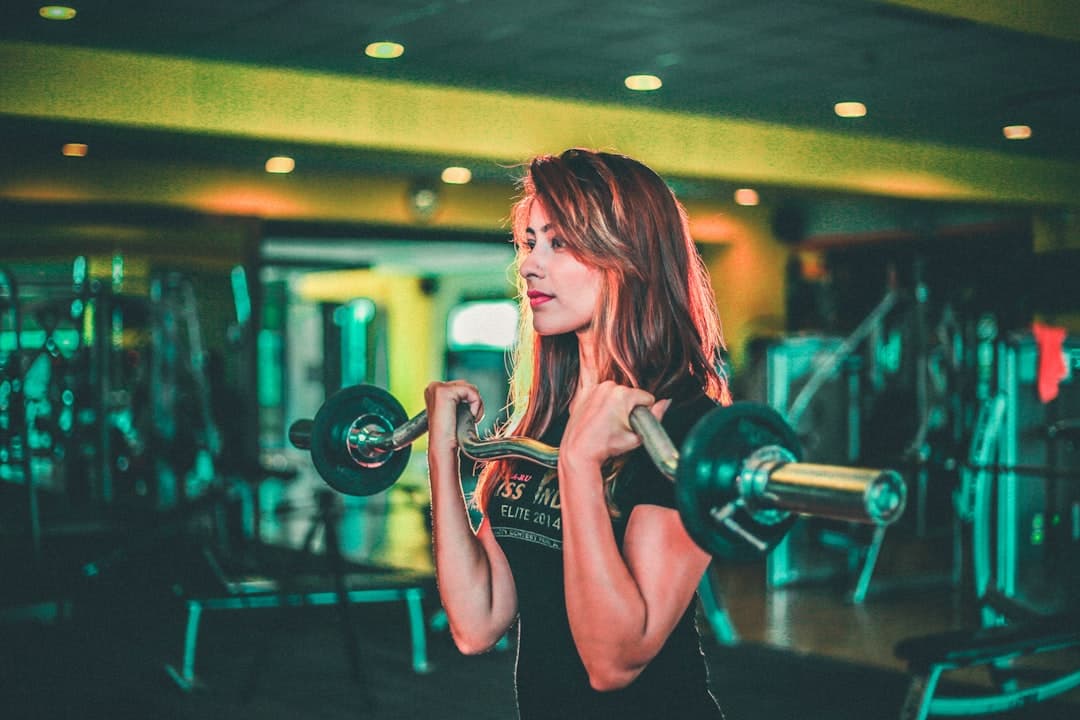
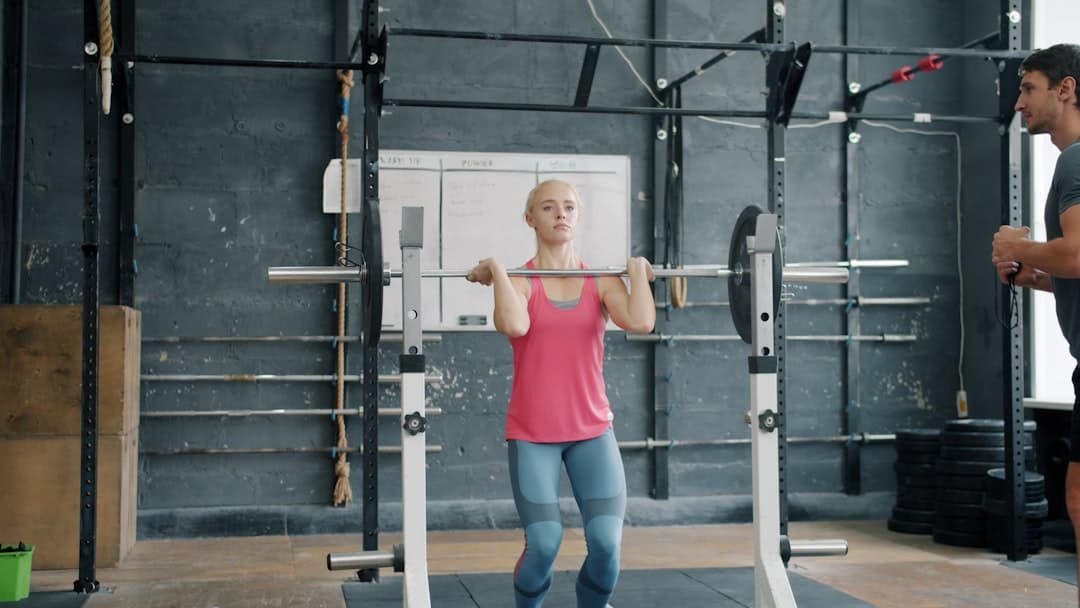
Muscle supports bones, metabolism, balance, and the ability to recover from illness or injury. Resistance training is widely recommended for overall health, and major guidelines encourage adults to do muscle-strengthening activities at least two days per week (CDC physical activity guidelinesTrusted Source).
What the research shows: Regular strength training can improve functional ability and bone-related outcomes over time, which matters for women as fracture risk rises with age (NIH Osteoporosis overviewTrusted Source).
This video’s unique angle is that strength is also a social defense. When the goal is “strong and independent,” the body becomes an instrument, not an ornament.
Q: Is focusing on strength just another kind of pressure?
A: It can be, if it turns into perfectionism or constant comparison. A healthier version is capability-based and flexible, aiming for what your body can do today and how it feels, rather than chasing an ideal body type.
Dr. Stacy Sims, PhD
Key Takeaways
Frequently Asked Questions
- How can I help my child resist “skinny” talk at school?
- Name the influence directly, then pivot to function: what can the body do, like lifting, running, or playing? Reinforce capability praise at home so it competes with appearance-based comments.
- Does strength training mean my daughter needs to lift heavy weights?
- Not necessarily. Age-appropriate strength can include bodyweight moves, light resistance, and sport drills focused on good form and confidence, ideally guided by a qualified coach or clinician if you are unsure.
Get Evidence-Based Health Tips
Join readers getting weekly insights on health, nutrition, and wellness. No spam, ever.
No spam. Unsubscribe anytime.