5 Daily Foods to Support Brain Health and Focus
Summary
The video’s core message is urgent but hopeful: over time, poor nutrition can be linked with smaller brain volume, including the hippocampus, yet you do not need a complicated plan to start protecting focus and memory. The approach is practical, pick one “brain protective” food and build consistency. The five daily anchors are blueberries (or other berries), avocados (or extra virgin olive oil), wild salmon (or chia, walnuts, flax), dark chocolate 70%+ (or matcha or green tea), and leafy greens (or broccoli, Brussels sprouts). Small, repeatable add-ons are the point.
🎯 Key Takeaways
- ✓The video frames nutrition as a long game for your “gray matter,” consistency matters more than a perfect plan.
- ✓Blueberries (and similar berries) are positioned as a daily, low-effort antioxidant habit for memory and focus support.
- ✓Healthy fats are a theme: avocados and omega-3 rich salmon are highlighted for blood flow, brain cell structure, and inflammation balance.
- ✓Dark chocolate 70%+ cacao is treated as a strategic “brain snack,” with matcha as a calm-focus alternative, especially if you watch added sugar and caffeine timing.
- ✓Leafy greens are the everyday foundation, the video emphasizes that one daily serving is linked with slower cognitive aging in observational research.
Picture this: you are halfway through a work session, you reread the same paragraph three times, and your mind keeps wandering.
The video opens with a sharper, more personal framing than the usual “eat healthy” advice. The argument is that food choices are not only about today’s productivity, they may shape your brain’s physical resilience over time. The speaker even ties poor nutrition to smaller brain volumes, including the hippocampus (a key area for memory and learning), then pivots to the practical promise: you do not need a complicated diet plan to start.
A simple daily routine to protect your “gray matter”
This perspective emphasizes momentum over perfection. Pick one food, make it automatic, then stack the next.
The key insight is consistency: “a daily handful,” “half an avocado,” “a couple squares,” “a serving of greens.” These are small behaviors, repeated often enough that your future self benefits.
Did you know? In observational research, adults who ate about 1 serving of leafy greens per day had slower cognitive decline, with performance resembling people about 11 years younger in some analyses, compared with those who ate less. Read the original report in Neurology via the American Academy of NeurologyTrusted Source.
Before vs After: how this plan is meant to feel
This video’s “unique” angle is not a strict meal plan, it is a repeatable upgrade.
Important: If you take blood thinners (like warfarin), do not suddenly increase leafy greens without checking with your clinician. Vitamin K can affect how some anticoagulants work, and consistency is often the goal. The NIH explains vitamin K interactions in its Vitamin K fact sheetTrusted Source.
Food 1: Blueberries (and the “brainberry” habit)
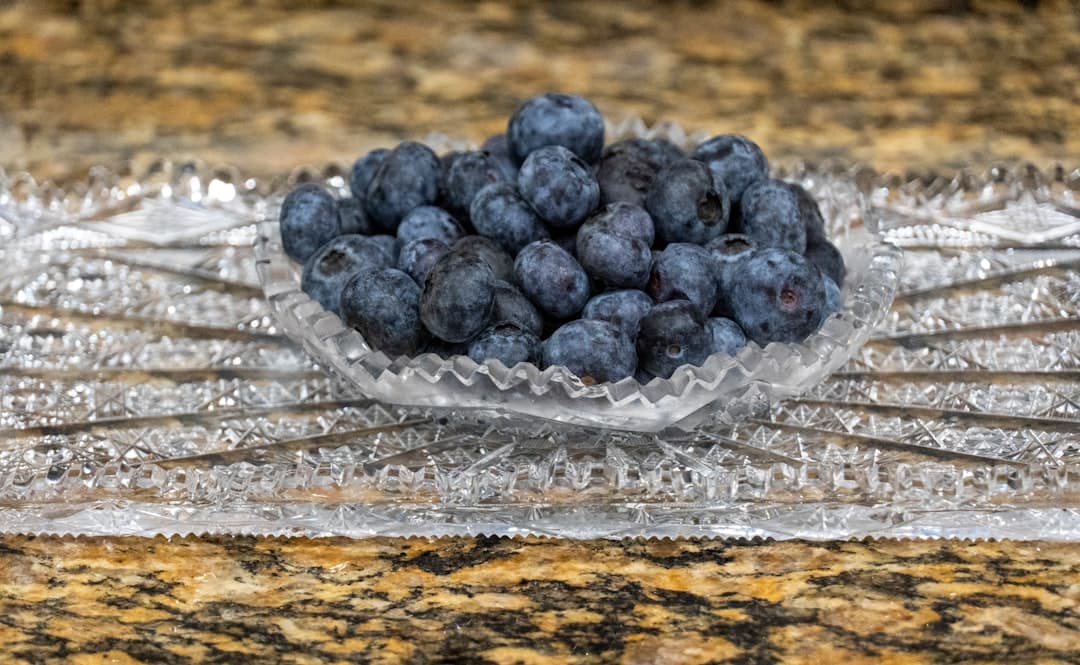
Blueberries are introduced as the easiest win. The speaker calls them “brainberries,” and the reason is straightforward: they are packed with antioxidants that may help reduce oxidative stress and inflammation, two processes often discussed in aging and cognitive decline.
What’s interesting about this approach is the timing message. You do not wait for memory to slip. You start early so your brain becomes more resilient over time.
What the research shows: A review in Nutrients discusses how berry polyphenols, including anthocyanins, are associated with benefits in cognition and brain signaling, especially in aging populations. See: Berries and cognitive health (review)Trusted Source.
Easy ways to do it (exactly like the video suggests):
Not a blueberry person? Swap within the same family. Blackberries and raspberries are positioned as “similar benefits,” and for many people, the best berry is the one you will actually eat daily.
Pro Tip: Keep a bag of frozen berries visible at eye level in your freezer. Friction is the enemy of consistency.
Food 2: Avocados for steady energy and blood flow
The second food is avocados, chosen for monounsaturated fats. The video connects these fats to improved blood flow and reduced inflammation, which in turn supports oxygen and nutrient delivery to the brain.
That chain matters. Better circulation is not just a heart topic. The brain is metabolically demanding, and a steady supply line can support clearer thinking and sustained energy through the day.
If avocados are not in season, or you simply do not like them, the alternative given is extra virgin olive oil. This is a very “doable” swap because it can replace other fats you already use.
Try it in a low-effort, high-repeat way:
To ground this in broader health outcomes, olive oil and Mediterranean-style patterns are repeatedly associated with cardiovascular benefits, and cardiovascular health is closely tied to brain aging. For an overview of olive oil’s fats and polyphenols, see Harvard’s summary of olive oil and healthTrusted Source.
Food 3: Wild salmon and omega-3s for brain structure
“Your brain is mostly fat and water” is one of the video’s memorable lines, and it sets up why omega-3s matter.
Wild salmon is highlighted as a rich source of omega-3 fatty acids, especially DHA and EPA. The video links these fats to brain cell structure, neuron communication, and inflammation balance that may relate to mood and memory changes.
This is also where the speaker makes a bolder-sounding claim: people who regularly eat omega-3s have been shown to have better cognitive function and even larger brain volumes. While individual results vary and studies differ in design, omega-3 intake is widely studied for brain and heart roles. The NIH overview of omega-3s is a helpful starting point: Omega-3 fatty acids fact sheetTrusted Source.
If you do not eat fish
The video offers practical plant-based alternatives: chia seeds, walnuts, flax seeds. These contain ALA (a plant omega-3) and can support a “brain friendly fats” pattern, even though conversion to DHA and EPA is limited in many people.
Two simple routines from the video:
Q: If I only add one omega-3 habit, what is the simplest?
A: Many people find it easiest to pick either a weekly anchor (salmon once or twice a week) or a daily sprinkle (chia or ground flax in yogurt or oatmeal). The best choice is the one you can repeat without willpower.
Jordan Lee, RD (Registered Dietitian)
A quick note on supplements: the video includes a promotional segment for a nootropic product. Supplements can be helpful for some people, but they can also interact with medications or be inappropriate in pregnancy or certain health conditions. If you are considering a new supplement regimen, it is reasonable to run it by your clinician, especially if you have cardiovascular risk factors, mood symptoms, or take anticoagulants.
Food 4: Dark chocolate (70%+ cacao) or matcha for focus
Yes, chocolate makes the list, but with a rule: dark chocolate at least 70% cacao.
The video’s “why” is twofold. First, cacao flavonoids may increase blood flow to the brain, which could support sharper focus and reaction time. Second, it may support dopamine signaling, framed here as a motivation and “feel-good” pathway that can matter during long work or study sessions.
What the research shows: Cocoa flavanols have been studied for vascular function and cognition, with mixed but promising findings depending on dose, population, and study design. For a broader overview of flavonoids and cardiovascular links that can indirectly support brain health, see the NIH summary on flavonoidsTrusted Source.
Not into dark chocolate? The suggested alternative is green tea, or preferably matcha, described as a more concentrated source of antioxidants plus L-theanine (an amino acid often discussed for calm focus).
But there is a catch, and it is very practical: many cafe matcha drinks are loaded with added sugar, and some store-bought powders include sweeteners or additives. The action step is simple, check labels and look for pure matcha powder.
How to use it without sabotaging sleep:
Pro Tip: If you want the matcha ritual without extra sugar, whisk plain matcha with hot water, then add a splash of milk you tolerate. Sweeten lightly only if needed.
Food 5: Leafy greens as your daily brain “multivitamin”
The fifth food is not flashy, it is foundational: leafy greens.
Spinach, kale, Swiss chard, and arugula are highlighted for folate, vitamin K, and lutein, nutrients linked in research to brain health and slower cognitive aging. The video makes a striking claim that daily leafy green eaters can have brains that function like they are more than a decade younger, which aligns with the observational finding noted earlier.
If leafy greens are not your favorite, you still have a “green” path forward: broccoli or Brussels sprouts. The point is to keep the habit alive, not to force a specific vegetable you dread.
Easy add-ins the video recommends:
Q: Do I need to eat these five foods every single day to benefit?
A: The video’s emphasis is daily consistency, but real life is messy. Many people do best aiming for “most days,” then using simple swaps (olive oil for avocado, matcha for chocolate, broccoli for greens) to stay consistent over weeks and months.
Jordan Lee, RD (Registered Dietitian)
»MORE: Create a one-page “Brain Food Checklist” for your fridge with five lines: berries, healthy fat, omega-3 source, cacao or tea, greens. Check off what you got today, then move on.
Key Takeaways
Frequently Asked Questions
- How much dark chocolate counts as a brain snack?
- The video suggests a couple squares of dark chocolate that is at least 70% cacao. Portion size can vary by brand, so consider it a small, repeatable snack rather than a large dessert.
- What if I hate blueberries or they are too expensive?
- The video recommends swapping to blackberries or raspberries, which are in the same general family and offer similar antioxidant compounds. Frozen berries can also be a budget-friendly option.
- Can I get omega-3 benefits without eating fish?
- The video suggests chia seeds, walnuts, and flax seeds as fish-free options. If you are considering omega-3 supplements, it is reasonable to check with your clinician, especially if you take blood thinners or have medical conditions.
- Is matcha always healthier than coffee?
- Matcha can provide antioxidants and *L-theanine*, and some people find it supports calm focus. The video warns that many cafe matcha drinks contain lots of added sugar, so checking labels and choosing pure matcha matters.
Get Evidence-Based Health Tips
Join readers getting weekly insights on health, nutrition, and wellness. No spam, ever.
No spam. Unsubscribe anytime.