Can You Take CBD Oil While on Antidepressants?
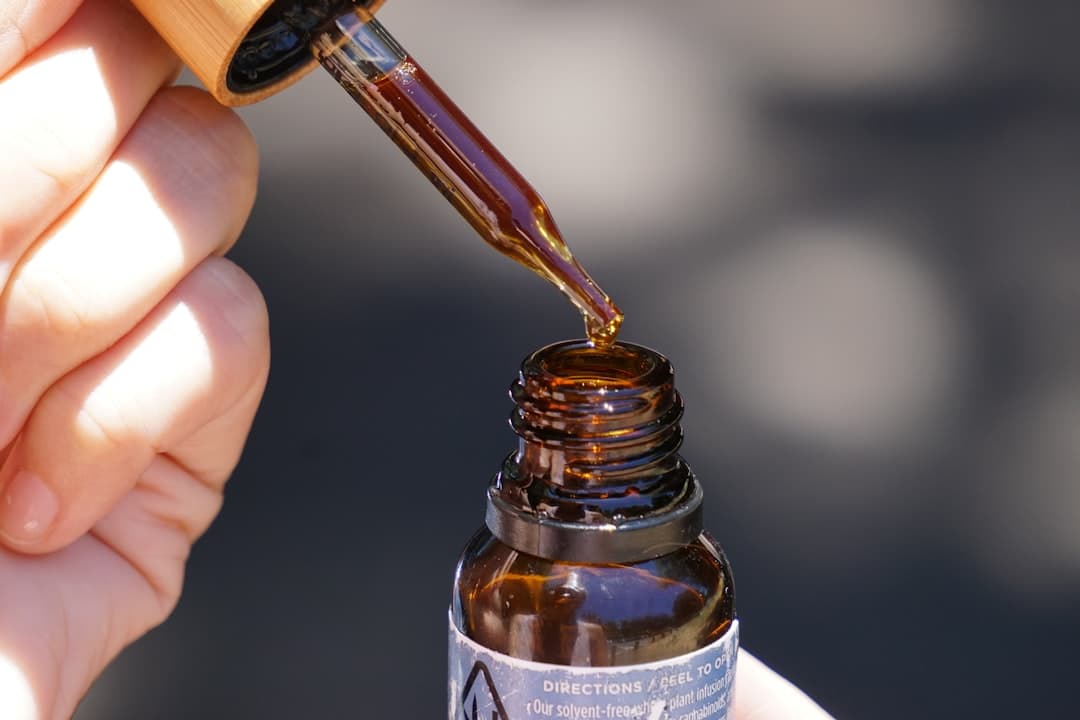
Summary
CBD oil and antidepressants can sometimes be used together, but the combination is not automatically “safe” because CBD may change how your body metabolizes certain medications. The biggest concerns are increased side effects (like sedation, dizziness, or nausea) and, more rarely, more serious reactions. If you want to try CBD, it is generally recommended to speak with the clinician who prescribes your antidepressant first.
Why combining CBD with antidepressants can be risky
CBD is not “just a supplement” in the way many people think of vitamins. It can affect drug metabolism in the liver, which means it may change the blood levels of certain prescription medications, including some antidepressants.
A higher medication level can translate into stronger effects and stronger side effects. A lower level can mean your antidepressant is less effective. Either direction can be a problem, especially if your depression symptoms are only partly controlled.
The other issue is overlap. CBD and some antidepressants can share side effects such as sleepiness, lightheadedness, dry mouth, or stomach upset. When you stack those effects, everyday tasks like driving or working around machinery can become less safe.
Important: Do not stop, taper, or “swap” your antidepressant for CBD on your own. Sudden antidepressant changes can cause withdrawal symptoms and a return or worsening of depression. Call your prescriber for a plan.
Antidepressants where extra caution is usually advised
Not every antidepressant interacts with CBD in the same way. The risk depends on the specific medication, your dose, and how your body processes drugs.
Clinicians are often most cautious when someone is taking antidepressants that are more likely to cause sedation, have a narrower margin between a typical dose and a problematic dose, or rely heavily on liver enzymes that CBD may affect.
Examples of situations where your prescriber may advise extra caution include:
If you are not sure what class your medication is, check your prescription label and ask your pharmacist. They can often flag interaction concerns quickly.
Side effects and warning signs to watch for
Some reactions are mild and simply mean the combination is not a good fit for you. Others are reasons to stop CBD and get medical advice promptly.
Common, usually non emergency side effects that may increase when CBD is added include sleepiness, slowed thinking, diarrhea, nausea, reduced appetite, and feeling “foggy.” If you notice these, it is generally recommended to pause CBD and contact your prescriber or pharmacist for guidance.
More concerning symptoms should be taken seriously, especially if they are new or rapidly worsening:
One more practical point: CBD can also lower blood pressure in some people. If your antidepressant already makes you lightheaded, the combination can increase fall risk.
What affects safety (dose, product type, and your health)
How you use CBD matters as much as whether you use it.
Dose and timing: Higher doses are more likely to cause sedation and stomach side effects, and they are more likely to meaningfully affect drug metabolism. Taking CBD at the same time as your antidepressant can also make it harder to tell which product is causing what.
Product quality and labeling: Over the counter CBD products vary widely. Some contain more CBD than the label states, while others contain measurable THC. THC can worsen anxiety in some people, impair driving, and complicate mood symptoms.
Other substances: Alcohol, sleep aids, antihistamines, opioids, and benzodiazepines can compound sedation when combined with CBD and an antidepressant. Cannabis products can also add cognitive and mood effects that muddy the picture.
Medical history: Liver disease, older age, a history of fainting, bipolar disorder, and seizure disorders can all change the risk profile. If you have bipolar disorder or a history of mania, any product that affects sleep and mood deserves extra caution.
Pro Tip: If your prescriber agrees to a trial, keep it simple. Use one CBD product at a time, avoid mixing with alcohol or sedating medications, and track sleep, mood, and side effects daily for at least 1 to 2 weeks.
How to talk to your prescriber (and what to ask)
Many people avoid bringing up CBD because they worry they will be judged. It is still worth the conversation, because your prescriber can only help manage interaction risk if they know what you are taking.
Consider asking:
If you are taking CBD for nausea, your clinician may suggest a more established Anti-Nausea Remedy that does not complicate antidepressant metabolism.
Key takeaways for safer decision making
Frequently Asked Questions
- Does CBD make antidepressants work better?
- Some people report feeling calmer or sleeping better with CBD, but that does not necessarily mean their antidepressant is working better. Because CBD can affect medication levels and cause sedation, it can also create a misleading sense of improvement or, in some cases, worsen fatigue or mood. A clinician can help you judge whether changes are true symptom improvement or a side effect.
- Is it safer to use topical CBD instead of CBD oil?
- Topical CBD is less likely to cause whole body side effects because it is typically absorbed in smaller amounts than oral products. However, product quality still varies, and some topicals include other ingredients that can irritate skin. If you are using CBD for localized pain, ask a pharmacist whether a topical option is reasonable for your situation.
- What if my CBD product contains THC?
- THC can impair attention and coordination and may worsen anxiety or trigger paranoia in some people. For depression, THC can complicate mood tracking and may increase the risk of problematic use in vulnerable individuals. If you are on antidepressants, it is generally recommended to avoid products with meaningful THC unless your clinician specifically advises otherwise.
- Can I take CBD if I am switching antidepressants or changing my dose?
- That is a higher risk window because side effects and mood changes are already more likely during transitions. Adding CBD at the same time can make it difficult to tell what is causing new symptoms and may increase interaction risk. Most clinicians prefer keeping variables stable and introducing only one change at a time.
Get Evidence-Based Health Tips
Join readers getting weekly insights on health, nutrition, and wellness. No spam, ever.
No spam. Unsubscribe anytime.