Morning Light, Cortisol, and Mood: What Matters

Summary
Most people start the day with a phone screen or dim indoor lighting, but this video argues that is not enough light to meaningfully shift morning cortisol and daytime alertness. The key idea is simple but specific: get bright light early, ideally outdoors, or use a 10,000 lux light box, to support a healthier cortisol rise that may translate into better energy, focus, and mood. This perspective also highlights practical edge cases, like seasonal changes, inconsistent schedules, and when bright light could be a poor fit.
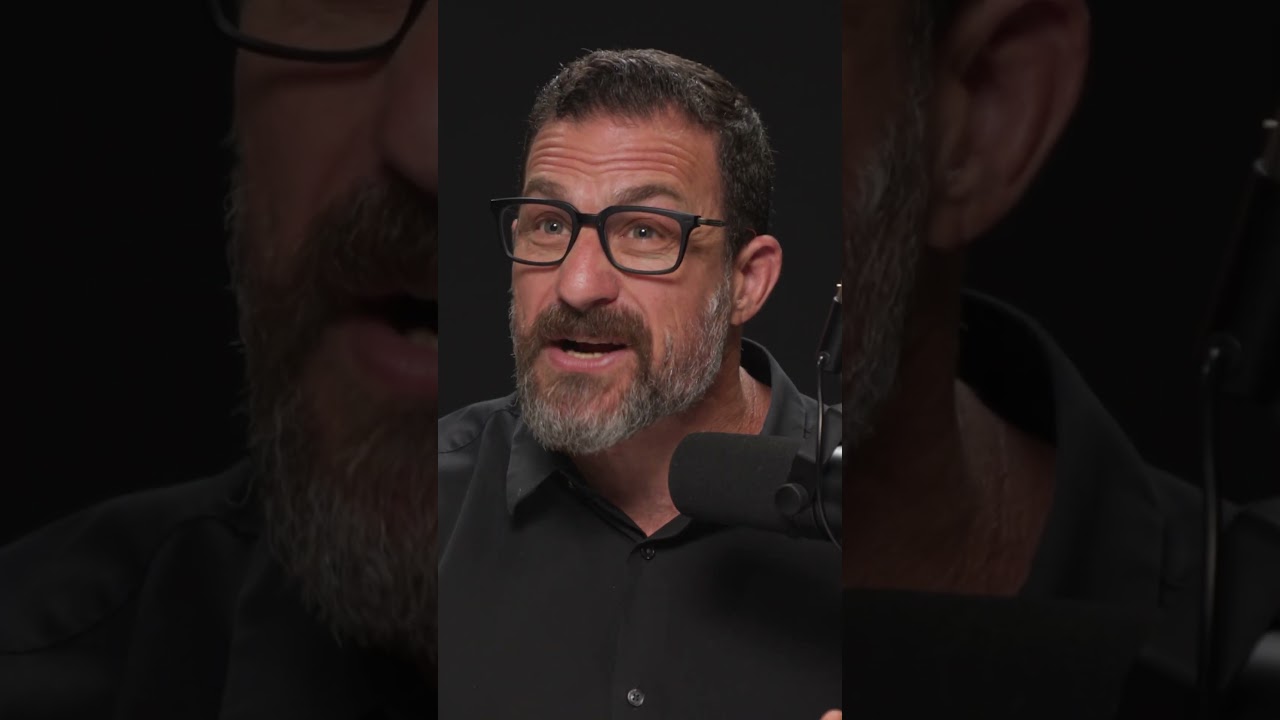
Most people are leaving a powerful mood lever on the table: bright light early in the morning.
That is the investigative thread in this video, the claim that modern mornings (phones, dim lamps, indoor life) fail to provide enough brightness to meaningfully shift cortisol and, downstream, alertness and mood.
Did you know? Many consumer light therapy boxes are labeled 10,000 lux, a brightness commonly used in clinical light therapy protocols for seasonal mood changes, but indoor home lighting is often far dimmer. Light intensity and distance from the light source both matter. (Background on light therapy use: NIMH overview of seasonal affective disorder)
Why your phone is not “morning light”
The key insight here is blunt: scrolling your phone or turning on a few indoor lights is usually not sufficient to create the kind of biological “daytime” signal your brain expects.
This framing emphasizes a mismatch between how humans evolved to start the day (bright outdoor light) and how many people actually start it now (low light, close-up screens). The speaker’s argument is that this mismatch can show up as low daytime energy, malaise, reduced focus, and mood that never quite lifts.
What “bright” means in the video
The video points to two practical options.
The mechanism: light, circadian timing, and cortisol
Light is not just for vision, it is a biological signal that helps set circadian rhythms (your internal 24 hour timing system). Morning light exposure helps anchor the timing of daily physiology, including the normal morning rise in cortisol. Cortisol is often discussed as a “stress hormone,” but it also plays a role in wakefulness and energy regulation.
The discussion highlights that the timing of light matters, not only the presence of light. Bright light early is positioned as a lever that supports a more robust “daytime mode,” which may translate into better mood, focus, and alertness.
What the research shows: Bright light therapy is a recognized treatment approach for seasonal affective disorder and has evidence for improving depressive symptoms in some contexts. Details vary by protocol and individual factors, so it is worth reviewing clinical guidance such as the American Psychiatric Association overview of light therapyTrusted Source.
How to try bright morning light (with nuance)
A simple routine can still be precise.
Aim for early morning exposure. The video’s emphasis is that early hours are underused, and that is where the cortisol and alertness signal is strongest.
Choose your source: outdoor light or 10,000 lux. Outdoors is the straightforward path. If you use a light box, follow the device instructions closely and consider discussing it with a clinician if you have eye disease or take photosensitizing medications.
Avoid the “dim plus phone” trap. If your morning is mostly a screen and a lamp, consider stepping outside first, then checking your phone after you have gotten bright light.
Pro Tip: If you are testing whether this helps your mood, keep a simple 7 day log of wake time, light exposure, energy, and mood. Patterns are easier to spot when you write them down.
When this strategy may backfire or need supervision
Bright light is not universally benign.
People with bipolar disorder can be vulnerable to mood switching with interventions that affect circadian timing, including light therapy, so medical guidance is important. Migraine or light sensitivity, certain eye conditions, and medications that increase photosensitivity can also change the risk benefit equation. If you are dealing with significant depression, suicidal thoughts, or rapid mood changes, professional support matters, and light exposure should be part of a broader plan.
Q: If I feel depressed, is morning light enough on its own?
A: Morning bright light may help some people feel more alert and improve mood, especially when low energy and seasonal patterns are part of the picture. But depression has many drivers, so it is reasonable to treat light as one tool and to involve a clinician for persistent or worsening symptoms.
Jordan Lee, PhD (Health Education)
Key Takeaways
Frequently Asked Questions
- How soon after waking should I get bright light?
- The video emphasizes the early hours of the day as the most underused and most impactful window. Many people try to get bright light as part of their first morning routine, but the best timing can vary with sleep schedule and health conditions.
- Is a 10,000 lux light box the same as sunlight?
- A 10,000 lux light box can deliver high intensity light in a controlled way, which is why it is used in some light therapy protocols. Sunlight varies by season, weather, and location, and it can be much brighter than indoor lighting.
- Can morning light help with seasonal depression?
- Bright light therapy is commonly used for seasonal affective disorder and may reduce symptoms for some people, according to major mental health organizations like the [NIMH](https://www.nimh.nih.gov/health/publications/seasonal-affective-disorder). If symptoms are significant or persistent, it is best to involve a clinician.
Get Evidence-Based Health Tips
Join readers getting weekly insights on health, nutrition, and wellness. No spam, ever.
No spam. Unsubscribe anytime.