Unlocking the Science of Sleep: How Much Do We Truly Need?
Summary
Most adults have heard “get eight hours,” but the clinicians in this discussion push a more evidence-based range: about seven to nine hours for most adults, with consistent short sleep being the clearest red flag. They highlight that regularly getting under six hours is linked with higher risks of metabolic and cardiovascular problems, while routinely sleeping more than nine hours can also correlate with health issues and sometimes signals something else is going on. The conversation digs into why sleep matters beyond feeling rested, including memory consolidation, toxin clearance in the brain, immune effects, metabolism, and tissue regeneration. They also explain sleep stages in roughly 90-minute cycles, why waking during deep sleep can cause sleep inertia, and why “sleeping in” to repay weekday sleep debt often falls short. Practical sleep hygiene steps, like avoiding caffeine 8–12 hours before bed and keeping the room cool and dark, round out their approach.
🎯 Key Takeaways
- ✓For most adults, the practical target is a consistent 7–9 hours, not a perfect single number.
- ✓Regularly sleeping under six hours is linked with higher risks like diabetes, obesity, heart disease, and earlier death.
- ✓Sleeping more than nine hours in adults can correlate with health risks and may signal poor sleep quality or other conditions.
- ✓Sleep runs in about 90-minute cycles, so timing wake-ups can reduce grogginess from deep-sleep awakenings.
- ✓Weekend catch-up sleep can repay some sleep debt, but it is often incomplete and not instant.
The 7–9 Hour Range, and Why Extremes Raise Flags
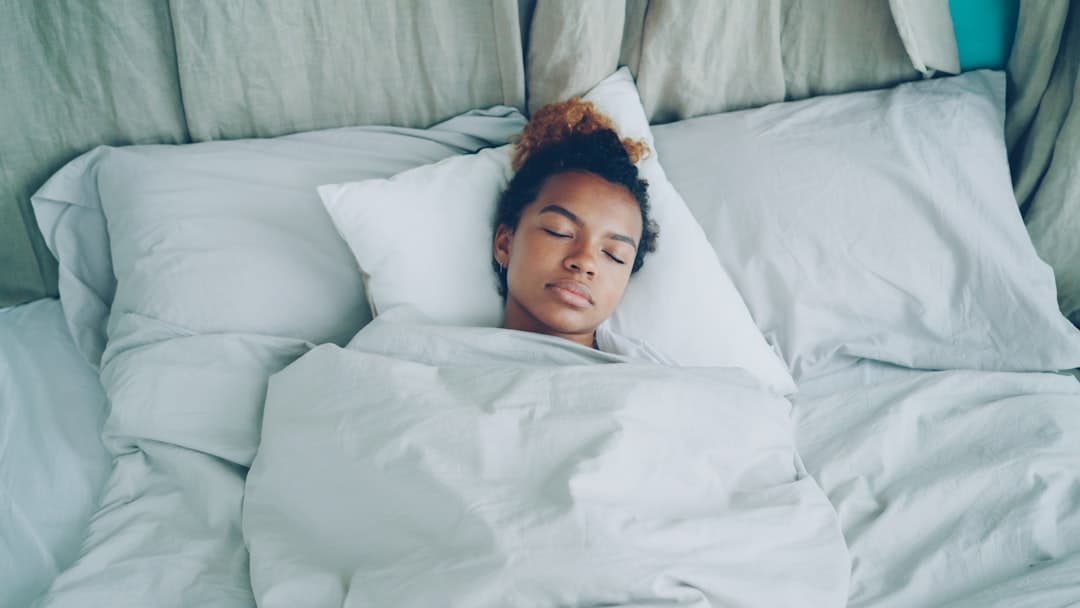
How much sleep do you actually need, and is “more” always better. The clinicians in this conversation start with a simple, practical answer for adults: most people land in a seven to nine hour window. They frame that range as coming from a broad body of evidence, including hundreds of studies, while still emphasizing individual variation. That nuance matters, because many people confidently say they “don’t need much sleep,” until consequences accumulate quietly. The core message is not perfection, it is consistency within a healthy range.
The discussion draws a sharp line around very short sleep, especially less than six hours for long stretches. They point out associations between chronic short sleep and higher risks of diabetes, obesity, heart disease, and even premature death. This is not presented as a moral failing, it is a biological stressor that can stack up over time. They also acknowledge the irony that medical training often normalizes sleep deprivation, even among health professionals. That personal note makes their warning feel less preachy and more lived-in.
On the other end, they caution that more than nine hours of sleep in adults is not automatically a badge of health. In their view, long sleep can correlate with similar health risks seen with short sleep, and it can also hint at something else interfering with sleep quality. Sometimes people stay in bed longer because their sleep is fragmented, unrefreshing, or poorly timed. In other cases, underlying medical or mental health issues can increase fatigue, prompting longer time in bed. If you regularly need very long sleep and still feel unwell, it is a reason to discuss patterns with a clinician.
The presenters also raise an investigative point about what sleep studies can and cannot prove. Much of the data linking sleep duration to health comes from observational research, which can be vulnerable to reverse causation. People may sleep less because they are unwell, rather than becoming unwell because they sleep less. Randomized sleep restriction trials are difficult and sometimes ethically complicated, especially when deprivation is severe. Their takeaway is practical, not absolutist: aim for the range that tends to align with better outcomes, and pay attention to how you feel.
What the research shows: Large population research often finds that around seven hours is a “sweet spot” for many adults, especially in midlife and older age, as highlighted by research coverage from the University of Cambridge.
Why Sleep Matters, beyond Feeling Rested
It is tempting to treat sleep as optional downtime, but the clinicians frame it as active biological maintenance. They emphasize that sleep helps restore brain function, not just energy. During sleep, the brain has a chance to clear waste products and consolidate memories from the day. That is one reason the common phrase “sleep on it” can feel true in real life. Your brain is not simply off, it is reorganizing and recovering.
Memory consolidation is one of the most practical benefits people can notice. If you study late into the night and cut sleep short, you may retain less than you expect. The presenters specifically mention advising students that sleep after learning helps lock in new information. This aligns with the everyday experience of waking up with clearer recall, even if you did not reread notes overnight. In their view, sleep is part of learning, not the enemy of it.
They also broaden the lens beyond the brain to whole-body effects. Sleep influences immune function, metabolism, and hormonal rhythms, which means it can touch nearly every aspect of health. They compare sleep’s reach to the way the gut microbiome seems connected to many systems. When sleep is consistently disrupted, appetite signals, stress hormones, and glucose regulation can shift in unhelpful directions. Over time, those small shifts may contribute to larger chronic disease risks.
Tissue regeneration comes up as another key theme. The presenters describe sleep as a time when the body supports repair, which can matter for recovery from exercise, illness, or simply day-to-day wear. People often notice this as better resilience when they sleep well, and more aches or sluggishness when they do not. While the exact mechanisms are complex, their practical point is simple: if you want your body to function well, sleep is a foundational input. It is not a luxury add-on that only matters when you have spare time.
To keep expectations realistic, they avoid claiming that sleep alone prevents disease. Instead, they place it alongside other basics like nutrition, movement, and stress management. That framing is useful because it reduces all-or-nothing thinking, such as “I slept badly, so the day is ruined.” It also supports a more investigative mindset: if you are struggling with mood, focus, cravings, or frequent illness, sleep is one variable worth examining. In many cases, improving sleep quality can make other healthy habits easier to sustain.
A Tour of Sleep Stages and the 90-Minute Cycle
The presenters walk through sleep architecture in a way that helps explain why “hours in bed” does not always equal “restorative sleep.” They describe non-REM sleep as stages one, two, and three, with REM sleep as its own category. A typical sleep cycle lasts about 90 minutes, and most people move through multiple cycles each night. The order is not always perfectly linear, and the brain can shift between stages. Still, the cycle idea helps explain why timing matters.
Stage 1 and Stage 2, the slide into deeper sleep
Stage one is portrayed as very light sleep, the transition from wakefulness. Muscles relax, and people can experience a sensation of falling, which can cause a sudden jerk. The presenters connect this to the phrase “falling asleep,” which makes the concept memorable. Stage two is described as a bit deeper and more restorative, with more memory processing and recovery than stage one. Many people spend a substantial portion of the night in stage two, even if they do not realize it.
Stage 3 and REM, and why waking feels awful sometimes
Stage three is highlighted as the deepest sleep, and the clinicians stress that being awakened here can feel miserable. They describe sleep inertia, a groggy, disoriented feeling that can include confusion and sluggish thinking. One presenter shares a relatable on-call story about being jolted awake by a loud phone alert and feeling profoundly out of it. That anecdote illustrates how the same number of sleep hours can feel different depending on when you wake within a cycle. It also explains why some people hate alarms, even when they technically slept “enough.”
REM sleep is described as a time when more complex brain functions occur, and it is commonly associated with vivid dreaming. The presenters note that the body is effectively paralyzed during REM, which helps prevent acting out dreams. This detail can help people understand why certain sleep disorders are taken seriously, especially when the usual REM paralysis is disrupted. While they do not diagnose conditions, the implication is that unusual behaviors during sleep deserve medical attention. It is another reminder that sleep is active neurobiology, not passive rest.
They also mention older, ethically questionable deprivation experiments that repeatedly woke people from deep sleep and REM. Those studies, while not acceptable today, suggested that persistent deprivation can cause severe mental disturbances, including symptoms resembling psychosis. The point is not to frighten, but to underscore that deep sleep and REM are not optional extras. When life repeatedly cuts into sleep, the brain tries to compensate by dropping faster into deeper stages. That compensation can make you feel even more disoriented when awakened abruptly.
Circadian Rhythm, Light, and Why You Wake Up When You Do
A big part of the conversation is about why waking up is not just a matter of willpower. The presenters emphasize the role of the circadian rhythm, your internal clock that keeps time even in modern indoor life. They note that technology has reduced our reliance on the sun and moon for scheduling. However, biology has not caught up with our screens and late-night lighting. Your body still expects patterns of darkness and light.
As morning approaches, the presenters explain that the body increases cortisol, which helps promote wakefulness. Then, exposure to natural light suppresses melatonin, shifting the body toward alertness. This pairing helps explain why bright light in the morning can feel energizing, while darkness cues sleepiness. It also explains why inconsistent light exposure, such as sleeping until noon in a dark room, can make it harder to feel awake. In their framing, light is a powerful signal that can either stabilize or scramble your sleep timing.
They offer an “ideal world” scenario where natural light helps you wake without an alarm. In that scenario, you would not use blackout blinds, and you would wake as your body completes a sleep cycle. They quickly acknowledge that real life complicates this, especially in places with heavy artificial light at night. Streetlights, early sunrise in summer, or shift work can all justify blackout curtains. The practical point is to be intentional about light, not rigid.
The presenters also mention newer devices that attempt a gentler wake-up, like phones that brighten gradually. They even float the idea of wearables detecting deep sleep and timing alarms to avoid waking you during stage three. While consumer technology is not perfect, the concept supports their larger message: waking quality is partly about timing. If you must use an alarm, a less jarring one can reduce the abruptness of the transition. Over time, aligning wake time with your biology can improve how mornings feel.
Quick tip: If you can, get outdoor light soon after waking, even on cloudy days.
This section fits well with public guidance that sleep needs vary by age and individual. The National Sleep Foundation provides consensus ranges that generally place most adults around seven to nine hours, which supports the clinicians’ framing in this talk, as summarized in a peer-reviewed update on PubMed. That does not mean every person must hit the same number nightly. It does suggest that consistently falling far outside the range is worth investigating.
Sleep Debt: Why Weekend Catch-Up Often Disappoints
Many people run a weekday deficit and hope to “pay it back” on the weekend. The presenters describe this as sleep debt, and they challenge the idea that two long weekend sleeps erase five short nights. In their view, longer sleep can repay some debt, but it is typically incomplete and not instant. This matters because people often interpret a Saturday sleep-in as proof they have fixed the problem. Then Monday arrives, and fatigue returns, sometimes worse.
They also point out that there are measurable health consequences during the days you are sleep deprived. In other words, even if you could repay the debt later, your body still experienced five days of strain. That strain can show up as more cravings, poorer concentration, irritability, and slower reaction times. Over longer periods, the concerns expand to cardiometabolic risks. Their message is not to shame busy people, it is to clarify that the math is not as forgiving as we wish.
Comparison: “Weekday short sleep + weekend catch-up” vs “steady 7–9 hours”
Option A: Weekday restriction with weekend catch-up often leads to irregular wake times, fragmented routines, and more accidental deep-sleep awakenings. People may feel temporarily better after sleeping late, but they can still carry lingering sleepiness into the week. The shifting schedule can also make Sunday night sleep harder, creating a mini jet lag effect. Over time, this pattern can feel like you are always recovering, never fully reset.
Option B: A steadier routine, even if not perfect, tends to support more predictable sleep cycles and easier mornings. The presenters emphasize consistency in both bedtime and wake time, including weekends when possible. That regularity can reduce the need for alarms and lower the chance of waking in deep sleep. It also makes it easier to notice when something else is disrupting sleep, because the schedule is not constantly changing.
The clinicians use a memorable analogy: do not rely too heavily on the “sleep credit card.” It is easy to borrow sleep during a hectic week, and it feels like you can repay it later. But the interest shows up as poorer performance, mood changes, and health strain. For many people, the realistic goal is not perfection but reducing the frequency of very short nights. Even adding 30 to 60 minutes on several weeknights can be more helpful than a single marathon sleep.
This is also where the observational nature of sleep research becomes practically important. People who sleep long on weekends may have more stress, more demanding jobs, or underlying sleep disorders driving fatigue. So the pattern itself can be a clue, not just a choice. If you are repeatedly sleeping far more on weekends and still feel unrefreshed, it can be worth discussing screening for issues like sleep apnea with a professional. The presenters do not diagnose, but they encourage paying attention to what your sleep behavior might be signaling.
If You Wake Up Rested Early, Should You Get Up?
A surprisingly specific question comes up in the conversation: what if you wake up earlier than planned, but you feel great. Many people face this on weekends, when there is no urgent reason to rise. The presenter’s answer is counterintuitive for anyone who loves sleeping in. If you wake up and genuinely feel rested, the science-informed suggestion is often to get up.
The logic is that your body may be telling you the sleep cycle has completed and your internal clock is ready for wakefulness. If you force yourself back to sleep, you might drift into a deeper stage and then wake again feeling worse. That worse feeling is often explained by sleep inertia, especially if you wake during stage three. The presenters treat this as a practical experiment you can run on yourself, not a rigid rule. If you repeatedly feel worse after going back to sleep, your pattern is giving you useful data.
They also propose an alternative that many people find more workable: if you end up short on sleep, consider an early afternoon nap instead of trying to squeeze extra morning sleep. The idea is to reduce the risk of waking from deep sleep at the wrong time. A nap can also be easier to fit into some schedules than a later wake time that disrupts the next night. Of course, napping is not possible for everyone, and late naps can interfere with nighttime sleep.
Did you know? The presenters note that waking during deep sleep can leave you groggy, even after adding an extra hour.
This section also underscores a theme running through the entire talk: sleep quality and timing can matter as much as sleep quantity. Two people can both sleep eight hours, but one wakes refreshed while the other feels foggy. The difference may be the stage of sleep at awakening, recent sleep deprivation, or inconsistent schedules. When you notice these patterns, you gain leverage to adjust routines. If sleep problems persist, it is reasonable to talk with a healthcare professional about next steps.
Sleep Hygiene You Can Try Tonight (and What to Avoid)
The presenters use the term sleep hygiene to describe the habits that set you up for sleep. They frame it as preparation, not a miracle cure, especially for people with insomnia or demanding schedules. The first part of their approach is identifying what to avoid because it is often easier than adding new routines. They highlight caffeine timing, late heavy meals, and late stimulation as common culprits. The goal is to reduce physiological arousal when you want your nervous system to downshift.
The “avoid” list that surprises people most
Caffeine gets a very specific warning: try to avoid it 8 to 12 hours before bedtime. That sounds extreme to many people, but it reflects caffeine’s long half-life and individual sensitivity. If you drink coffee at 3 p.m. and go to bed at 10 p.m., caffeine may still be active. Heavy meals close to bedtime are also discouraged because digestion can disrupt sleep and trigger reflux in some people. Exercise right before bed is mentioned as another possible disruptor, since it can raise body temperature and alertness.
The presenters also talk about screens and light exposure with a balanced tone. They note there is mixed data about blue light right before bed, but they still lean toward reducing screen time as a sensible default. Many people scroll in bed, which can delay sleep and keep the brain engaged. Even if blue light is not the only factor, content stimulation and time displacement are real. A practical compromise is to set a consistent “screens down” window and see if sleep improves.
The “set the stage” habits that support deeper sleep
They emphasize a cold, dark room as a simple but often overlooked lever. A room that is too warm or muggy can fragment sleep and reduce comfort, especially in deeper stages. Darkness matters for melatonin signaling, but they acknowledge that blackout blinds can be necessary in bright urban environments. Comfort also matters, including a supportive mattress and a quiet space when possible. None of these are glamorous, but they can meaningfully change sleep quality.
To keep the advice actionable, here is a short step sequence aligned with their discussion, focused on what you can adjust quickly. It is not a medical prescription, it is a practical experiment you can run for one week. If you have a medical condition, take medications, or suspect a sleep disorder, involve a clinician in decisions.
They end with a message that feels empowering rather than strict. Sleep is “way more important than we ever knew,” and building a routine improves the odds of restorative sleep. They also recognize that many jobs and life stages make sleep feel like a premium resource. The point is not to be perfect, it is to treat sleep as a health behavior you can influence. For many people, small changes repeated consistently are what move the needle.
Key Takeaways
Sources & References
Frequently Asked Questions
- How much sleep do most adults actually need?
- The clinicians describe a practical target of about seven to nine hours for most adults. Consistency matters, and regularly falling far below that range can be a warning sign.
- Is sleeping less than six hours really that harmful?
- They highlight that consistent short sleep, especially under six hours, is associated with higher risks like diabetes, obesity, heart disease, and earlier death. Individual circumstances vary, so persistent short sleep is worth discussing with a clinician.
- Why can sleeping more than nine hours be a problem for adults?
- They explain that long sleep in adults can correlate with health risks and sometimes indicates poor sleep quality or another health issue. If you often need very long sleep and still feel tired, consider medical guidance.
- What is sleep inertia and why do alarms make it worse?
- Sleep inertia is the groggy, disoriented feeling that can happen when you wake from deep sleep. An alarm can trigger it if it wakes you during stage three or sometimes REM.
- Can I repay sleep debt by sleeping in on weekends?
- The presenters say you can repay some debt, but it is often incomplete and not instant. They also stress that weekday deprivation can have real effects even if you sleep longer later.
- If I wake up early on a weekend feeling great, should I go back to sleep?
- Their take is that if you feel truly rested and awake, getting up may be better than forcing more sleep. Going back to sleep can increase the chance of waking in deep sleep and feeling worse.
Get Evidence-Based Health Tips
Join readers getting weekly insights on health, nutrition, and wellness. No spam, ever.
No spam. Unsubscribe anytime.