Sleep Health
The Sleep Health niche explores the intricate relationship between sleep patterns and mental wellbeing, addressing conditions like insomnia, sleep apnea, and circadian rhythm disorders. It covers a range of topics from the impact of melatonin and other sleep aids to sleep hygiene practices and lifestyle adjustments that promote restorative rest. Emphasis is placed on understanding sleep cycles, diagnosing sleep disorders, and exploring both traditional and alternative therapies to improve sleep quality.
Explore Topics
In-depth topics to explore in Sleep Health.
Sleep Apnea: Complete Guide
Sleep apnea is a common sleep disorder where breathing repeatedly stops and starts, fragmenting sleep and lowering oxygen levels. Left untreated, it can raise risks for high blood pressure, heart disease, stroke, diabetes, accidents, and mood and memory problems. This guide explains how sleep apnea works, how it is diagnosed, what treatments help most, and how to choose a practical plan.
Complete Guide to Sleep
Sleep is a fundamental aspect of human health, influencing our physical and mental well-being. This comprehensive guide explores the science behind sleep, its benefits, potential risks, and practical tips for improving sleep quality.
Insomnia: Complete Guide
Insomnia is more than “bad sleep.” It is a treatable sleep disorder driven by hyperarousal, circadian timing issues, learned sleep anxiety, and medical or lifestyle triggers. This guide explains how insomnia works, what it can signal, the real risks of chronic sleep loss, and the most effective evidence-based ways to fix it, including CBT-I, circadian tools, and carefully chosen medications or supplements.
Bedtime: Complete Guide
Bedtime is the consistent time you commit to going to sleep each night, and it is one of the strongest levers for sleep quality, mood, metabolic health, and long-term brain function. This guide explains the biology behind bedtime, the benefits and risks of getting it wrong, and the most practical ways to set a bedtime you can actually keep.
Sleep Deprivation: Complete Guide
Sleep deprivation is more than “feeling tired.” It is a measurable shortfall of sleep that disrupts brain function, hormones, immunity, metabolism, mood, and safety. This guide explains how sleep deprivation works, what benefits (if any) are real, the risks that matter most, and practical, evidence-aligned ways to prevent and recover from it.
Sleep Quality: Complete Guide
Sleep quality is not just how long you sleep. It is how restorative, continuous, and well-timed your sleep is across the night and across your week. This guide explains the biology behind sleep quality, the benefits and risks of common approaches, and practical, evidence-based steps to improve your sleep starting tonight.
Sleep Timing: Complete Guide
Sleep timing is the schedule of when you sleep and wake, and it can matter nearly as much as how long you sleep. Aligning sleep timing with your circadian rhythm can improve sleep quality, daytime focus, mood stability, and metabolic health. This guide explains the biology, practical implementation, common pitfalls, and what research suggests for different lifestyles.
All Articles

Perfecting Sleep: Tools From Huberman and Walker
In this Huberman Lab Essentials conversation, Dr. Matt Walker frames sleep as the most effective way to reset brain and body health, and he treats sleep stages as non-negotiable biology. The discussion walks through a typical night of non-REM and REM cycles, why early-night deep sleep and late-night REM matter differently, and why sleep quality is as important as quantity. It also offers actionable levers that do not require pills, especially morning daylight, caffeine timing, and avoiding alcohol or THC near bedtime. Melatonin is positioned as a timing signal, not a strong sleep generator for most healthy adults.

Mindset, Mindfulness, and Sleep, Dr. Ellen Langer
Dr. Ellen Langer’s perspective flips a common sleep message on its head: your body is not a machine that responds only to inputs like hours slept, exercise minutes, or perfect routines. It also responds to meaning, expectations, labels, and what you notice. In this Huberman Lab conversation, Langer argues that “mindfulness” is not meditation, it is active noticing, and it can alter health outcomes, including sleep, healing, and aging markers. The practical takeaway is not magical thinking, it is learning to treat health “facts” as probabilities, reducing sleep anxiety, and training yourself to notice variability so you regain agency.
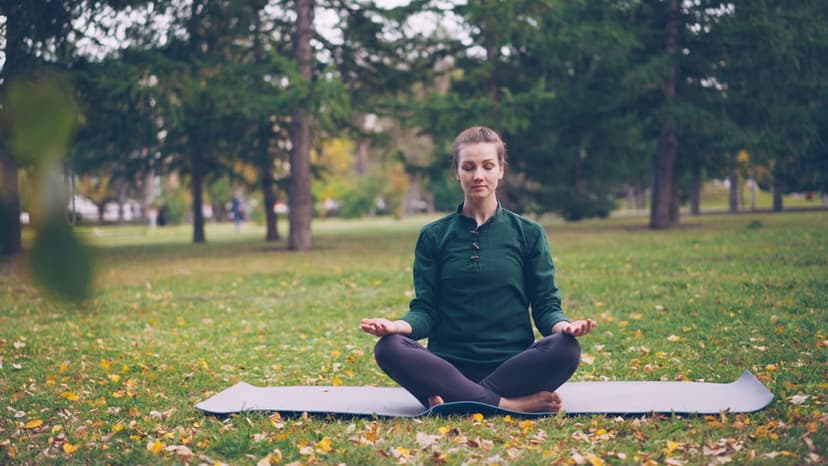
Sleep, Stress, Hormones: Midlife Fat Loss X-Factors
If you are eating “right” and exercising but midlife fat loss still feels stuck, this episode’s lens is different, look at what happens between workouts and meals. The core idea is that recovery drives metabolism. Sleep (deep sleep and REM), stress physiology (cortisol patterns), and perimenopause and menopause hormone shifts can quietly steer cravings, insulin sensitivity, and belly fat storage. The video also flags less obvious resistance points, thyroid changes, gut-driven inflammation, and chemical “obesogens,” plus a mindset shift toward self-care as a strategy, not a luxury.
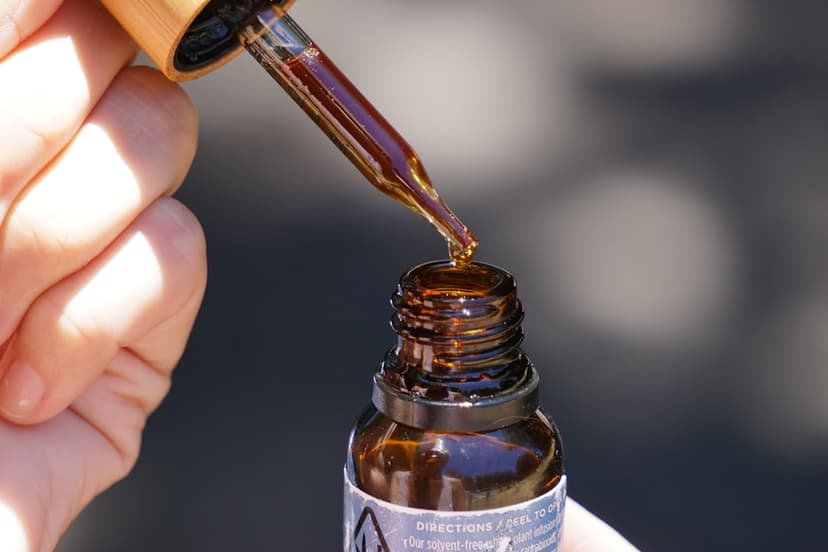
CBD Oil vs Melatonin for Sleep: Key Differences
Melatonin is a hormone-like supplement that can be helpful for circadian rhythm issues like jet lag or delayed sleep timing, while CBD oil is more often used when sleep problems overlap with stress or discomfort. Both can cause side effects and interact with medicines, so it is best to discuss options with a healthcare provider, especially if you are pregnant, older, or taking other drugs.

Make Bedtime Your Most Important Daily Appointment
Bedtime is not the leftover slot after everything else, it is a daily appointment that protects your brain. This video’s core claim is blunt: sleep deprivation can act like “brain damage,” citing a study where one night of poor sleep raised the protein S100B by about 20%, similar to levels seen after traumatic brain injury. The practical takeaway is equally direct: treat yourself like a “professional sleeper.” Set a bedtime you can keep, show up on time, and build a routine that supports high-quality sleep, not just more time in bed.

Science-Based Tools for Learning, Creativity, Sleep
This article follows a specific, practical viewpoint: you do not chase neuroplasticity as a goal, you learn how to access it, then aim it at what you want to change. The core idea is a two-phase cycle, you trigger learning during high focus and alertness, then you cement the brain changes during non-sleep deep rest and deep sleep. The daily tools here are simple but timed, morning and evening light, delaying caffeine about 2 hours, strategic exercise timing, a midday meal approach, an afternoon NSDR reset, and an evening routine that protects sleep.
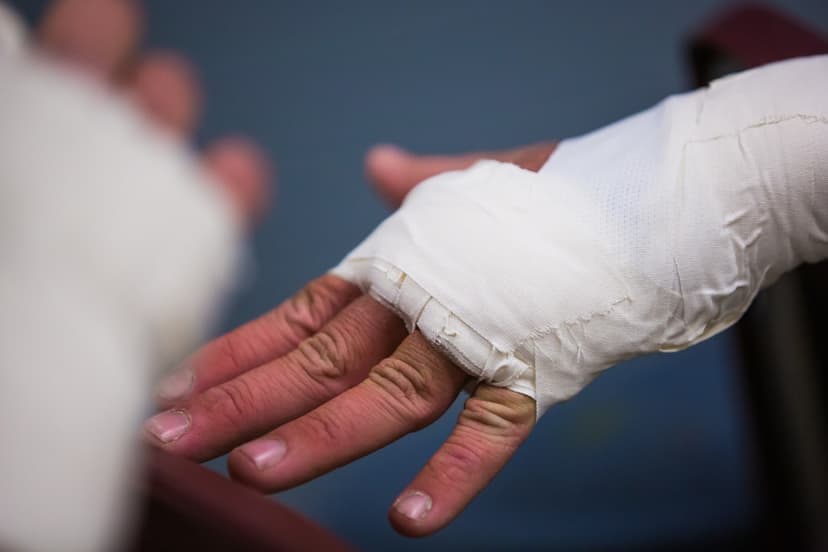
Should You Wear a Cast, Brace, or Sling at Night?
Trying to sleep with a sling, boot, or knee immobilizer can feel impossible, until you realize why nighttime is often the riskiest time to go without it. This article follows the video’s practical, injury-by-injury approach: do what your clinician instructed, and if you are unsure, lean toward wearing it at night until you confirm. You will learn which injuries most often need nighttime immobilization (like shoulder injuries, Achilles rupture, and certain knee fractures), when it may become optional, and simple comfort hacks like cleaning and covering removable braces.

Late Nights Sabotage Your Body, Fix Sleep Tonight
Dragging through the day, relying on caffeine, and pushing bedtime later can feel normal, until it quietly chips away at your health. This video’s core message is blunt: consistent sleep is a necessity, not a luxury. Aim for 7 to 9 hours every night, because both too little (under 6) and too much (over 9) are linked with higher health risks. Sleep is when your brain consolidates memories and your body repairs tissue. Staying awake 17 to 24 hours can impair you like alcohol intoxication. The good news, small sleep hygiene upgrades can make tonight better.

Lower Resting Heart Rate for Better Sleep Quality
A striking claim in the video is that the strongest predictor of nighttime sleep quality is resting heart rate, and that “everything” is aimed at lowering beats per minute. The speaker links a lower resting heart rate with falling asleep in 1 to 3 minutes, averaging over 2 hours of REM and 2 hours of deep sleep, and being awake less than 30 minutes per night. This article investigates that viewpoint, explains why heart signals like resting heart rate and *heart rate variability* may track recovery, and offers practical, non-prescriptive ways to experiment safely. If you have heart symptoms or take heart-related medications, involve a clinician.

Mastering Sleep: How Entrepreneurs Can Boost Health and Mood
The video emphasizes the critical link between poor sleep and mood disorders, particularly in entrepreneurs. It offers practical steps to improve sleep, such as maintaining consistent sleep schedules, reducing blue light exposure, and managing caffeine intake. These adjustments could lead to better mood and overall health, backed by scientific research.

Enhancing Lymphatic Health for Better Sleep and Appearance
In a recent Huberman Lab podcast, Andrew Huberman delves into the role of the lymphatic system in overall health, particularly its impact on sleep and appearance. The lymphatic system, though often overlooked, is crucial for clearing waste from the body, which can affect how you look and feel. Huberman emphasizes the importance of movement and specific practices to support lymphatic function, providing insights into how these can improve both immediate and long-term health. This article explores these concepts, supported by research on lymphatic health and its implications.

Exercising After Poor Sleep: Insights and Precautions
If you slept poorly for one night, exercising can still make sense, as long as you treat it like a “safe, scaled” session. The key idea is that movement may help offset some brain-related downsides of short-term sleep loss, but it should not become your go-to strategy for chronic sleep deprivation. Keep intensity moderate, simplify coordination-heavy moves, and watch for injury and illness risk. If poor sleep is frequent, the priority shifts back to fixing sleep and adjusting training volume rather than trying to out-train fatigue.

Unlocking the Science of Sleep: How Much Do We Truly Need?
Most adults have heard “get eight hours,” but the clinicians in this discussion push a more evidence-based range: about seven to nine hours for most adults, with consistent short sleep being the clearest red flag. They highlight that regularly getting under six hours is linked with higher risks of metabolic and cardiovascular problems, while routinely sleeping more than nine hours can also correlate with health issues and sometimes signals something else is going on. The conversation digs into why sleep matters beyond feeling rested, including memory consolidation, toxin clearance in the brain, immune effects, metabolism, and tissue regeneration. They also explain sleep stages in roughly 90-minute cycles, why waking during deep sleep can cause sleep inertia, and why “sleeping in” to repay weekday sleep debt often falls short. Practical sleep hygiene steps, like avoiding caffeine 8–12 hours before bed and keeping the room cool and dark, round out their approach.