Ellie Carter

Editorial DeskEvidence-Based Content

This content is produced by the Healthy Flux Public & Environmental Health Editorial Desk. Articles are curated from peer-reviewed research, clinical guidelines, and expert medical sources, then reviewed under our editorial standards. Content is educational and not a substitute for professional medical advice.

4articles produced
2health topics
Pandemics & DiseasesClimate & Health

Articles Produced by This Editorial Desk

Trade Wars and Health: 5 Hidden Ways Tariffs Hit
Pandemics & Diseases

Trade Wars and Health: 5 Hidden Ways Tariffs Hit

A trade war can feel abstract until it shows up at the pharmacy, the clinic, or your grocery bill. In this video, two Canadian physicians frame tariffs as a kind of warfare with real health “casualties”, not from bullets, but from higher prices, shortages, and delayed care. Their top five pathways are practical and specific: medication costs, medical supply costs, equipment costs, supply chain disruption, and reduced access to healthy food. This article explains the “why” behind each pathway and gives realistic steps you can take to protect your health and household resilience.

What “I Did My Own Research” Misses on Vaccines
Pandemics & Diseases

What “I Did My Own Research” Misses on Vaccines

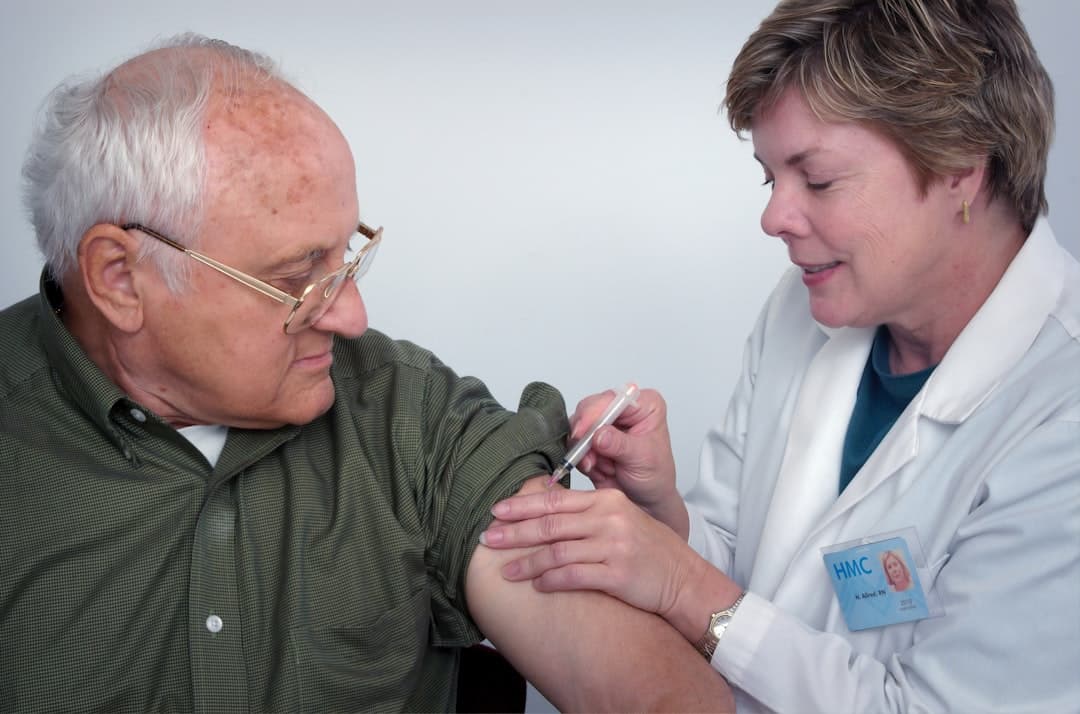
Many people say “I did my own research” about vaccines, but often mean they read online opinions. The key point in this video is that real research is hard, time-consuming, and technical, often requiring immunology, virology, statistics, and epidemiology to interpret hundreds of papers. Instead of pretending we can replicate expert review overnight, a more practical approach is to understand how evidence is evaluated and why advisory committees exist. This article turns that perspective into everyday steps you can use to check claims, compare sources, and ask better questions at your next appointment.

Understanding the Unique Challenges of the 2024/2025 Flu Season
Pandemics & Diseases

Understanding the Unique Challenges of the 2024/2025 Flu Season

Most people treat a bad flu season as a simple story: a nasty virus is going around, so get through it and move on. The perspective in this video is more investigative. The presenter points to unusually high influenza-like illness hospitalizations and argues we should ask harder questions about why so many people seem not just sick, but very sick. He lays out five scenarios, ranging from better testing and a more virulent strain, to population health changes after lockdowns, to low flu vaccine uptake, to a more controversial possibility: immune “burnout” after repeated spike-protein-based immunizations. He connects that last scenario to a Yale preprint describing post-vaccination syndrome in a subset of participants, including fatigue, brain fog, exercise intolerance, and evidence of immune exhaustion and Epstein-Barr virus reactivation. The article below keeps that investigative framing, while adding practical, non-prescriptive steps to support recovery and reduce risk.

Harnessing Long Wavelength Light: How Leaves Boost Mitochondrial Health
Climate & Health

Harnessing Long Wavelength Light: How Leaves Boost Mitochondrial Health

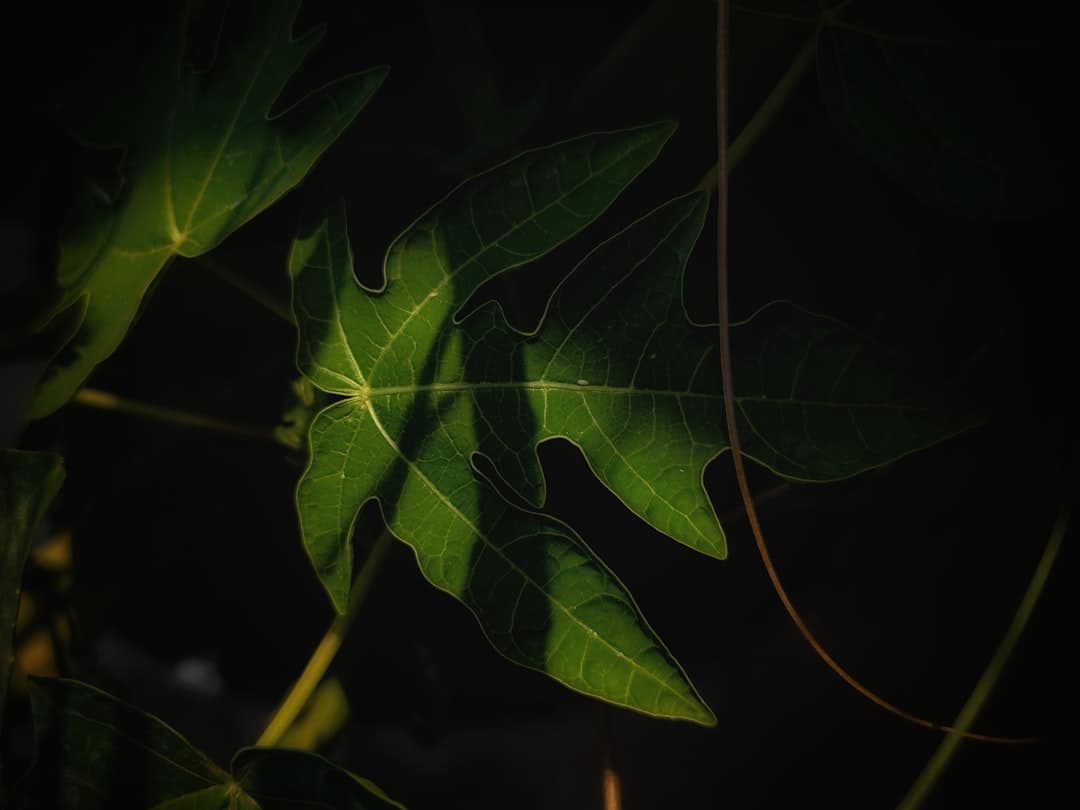
Green leaves do something counterintuitive, they can boost your exposure to infrared light while also making an area feel cooler. The video’s core idea is that chlorophyll rich plants reflect long-wavelength (infrared) light, so a sunny park or tree-lined street may deliver two to four times more infrared than a sunlit area with little greenery. That framing offers a fresh, testable way to think about why green spaces are linked with better health outcomes. Research on long-wavelength light suggests potential mitochondrial effects, but real-world benefits likely come from multiple factors working together.

Have a health question?

Ask Clara, our AI health assistant, for personalized guidance.

Ask Clara

We use cookies to provide the best experience and analyze site usage. By continuing, you agree to our Privacy Policy.