5 Form Fixes to Get More From Leg Day at Home
Summary
Most leg-day mistakes are not about effort, they are about where the tension goes. This video’s perspective is simple: small setup changes can shift stress toward the muscle you want (quads, glutes, hamstrings) and away from “leak points” like the low back or hips lifting off the pad. You will learn why knees traveling forward can be safe on hack squats, why RDL balance should stay mid-foot, how longer lunges plus a forward lean bias glutes, and how to lock your hips down on leg extensions and leg curls for better tension.
What most people get wrong about leg growth
Most people train legs like effort is the main variable.
The video’s core idea is more technical: leg growth often improves when you reduce “tension leaks” and deliberately bias the joint angles that load the target muscle. That means letting the knee bend more when you want quads, keeping the bar path clean when you want hamstrings, and physically anchoring your hips so the pad or seat does not steal tension.
This framing also pushes back on a common misconception, that certain positions are automatically unsafe. For example, knees traveling forward is often treated as a red flag, but controlled knee-over-toe positions can be normal in sport and daily life. Research on knee biomechanics suggests that deeper knee flexion can increase quadriceps demand, while joint loading depends heavily on technique and load management rather than a single “forbidden” position (NSCA squat biomechanics overviewTrusted Source).
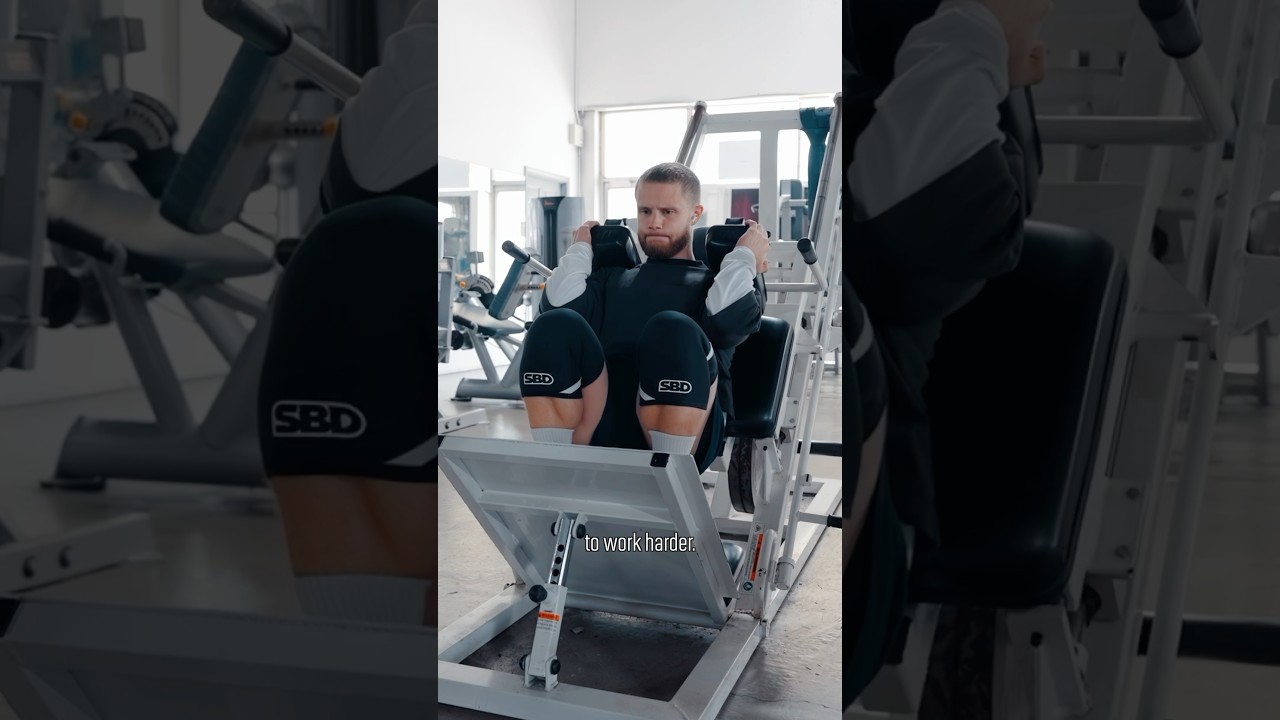
Hack squats: feet slightly back, knees forward on purpose
The key insight here is counterintuitive for many lifters: keep your feet slightly back and allow your knees to travel forward.
Why this can hit quads harder
This increases knee flexion range of motion, which tends to increase quadriceps contribution. The speaker also emphasizes not being afraid of knees over toes, as long as you are controlling the load and staying in a range you can own. That “control” piece matters because faster reps, bouncing, or letting the sled pull you into the bottom can change forces quickly.
Important: If you have current knee pain, swelling, or a recent injury, consider getting individualized guidance from a licensed clinician before pushing deep knee flexion under load.
RDLs: stop over-cueing “weight in the heels”
A common cue is “sit back and load the heels.” This video argues that for Romanian deadlifts, that cue can backfire.
Instead, keep your weight centered over the middle of your foot and keep the bar moving straight up and straight down. Practically, this can keep tension on the hamstrings and reduce the tendency to turn the rep into a low-back dominant hinge.
Pro Tip: Film one set from the side. If the bar path draws a curve, reduce load and rebuild the “straight line” pattern.
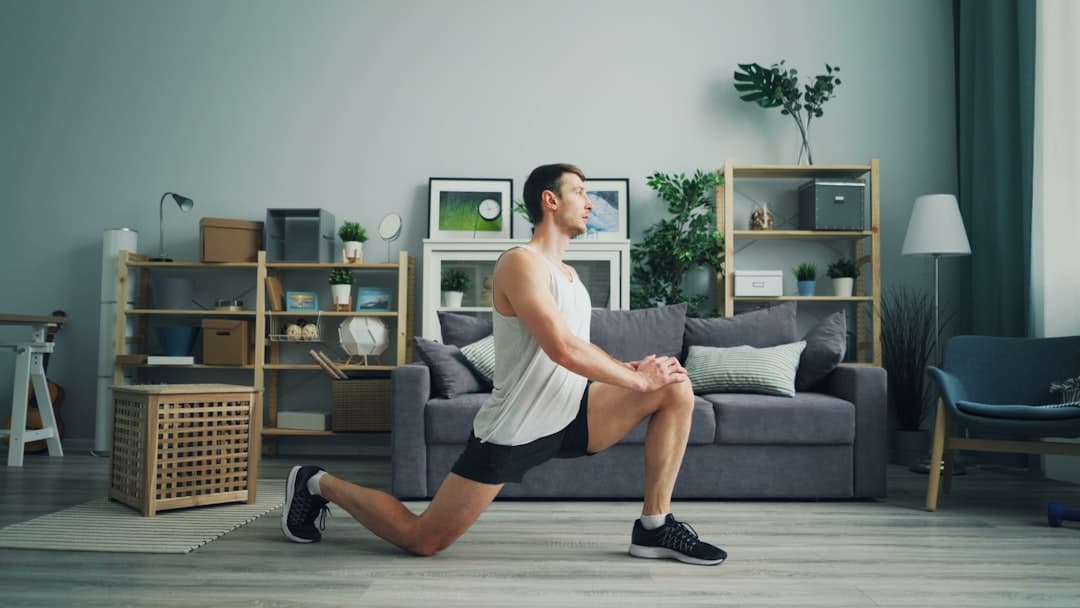
Lunges: longer stride plus forward lean for glutes
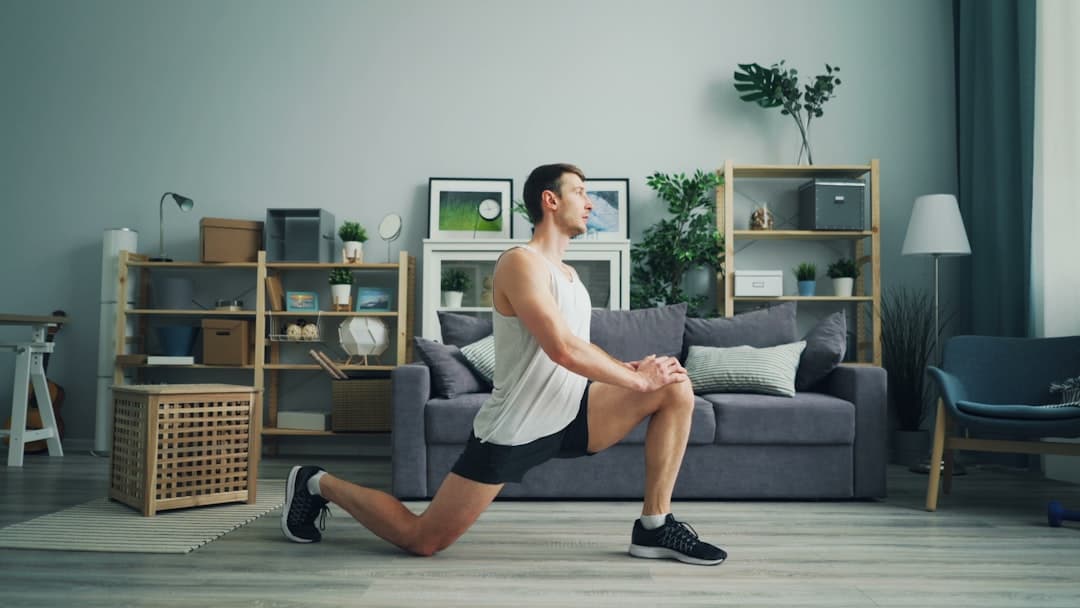
For lunges, the emphasis is on longer strides and a deliberate forward lean.
This combination increases the stretch on the glutes and asks them to work harder as you extend your hips to stand. It is a nuance many people miss when they keep short steps and a very upright torso, which can shift more work toward the knee and quads.
Machines and attachments: lock your hips to keep tension
On leg extensions, pull up hard on the handles to keep your glutes locked into the seat. If your hips are popping up and down, you are losing “precious quad tension,” as the video puts it.
On lying leg curls, the cue is the same concept, different tool: press your hips into the pad as you curl. Then, on the last set, add length and partials, meaning you chase controlled reps in the stretched portion and finish with shorter-range partial reps to squeeze out additional hamstring work.
What the research shows: Muscle growth is strongly linked to training with sufficient effort and range, and working at longer muscle lengths may be a useful hypertrophy strategy for some exercises (Schoenfeld, hypertrophy mechanismsTrusted Source).
Q: Are knees over toes actually safe on squats and hack squats?
A: For many healthy people, knees traveling over toes can be a normal, controlled position, especially in deeper squats. The bigger safety factors are load, speed, and whether you can control the range without pain or instability.
If you have a history of knee injury, swelling, or sharp pain with deep flexion, it is reasonable to scale range and get individualized advice.
Dr. Maya Patel, MD, Sports Medicine
Q: Why do I feel RDLs mostly in my lower back instead of hamstrings?
A: Common reasons include letting the bar drift forward, losing mid-foot balance, or going too heavy and turning the hinge into a back extension. Reducing load, keeping the bar close, and stopping the descent when your pelvis starts to tuck can help keep the hamstrings as the limiter.
If back pain persists or radiates, consider evaluation by a licensed clinician.
Dr. Jordan Lee, DPT, Physical Therapist
Key Takeaways
Frequently Asked Questions
- How do I know if my hack squat stance is “slightly back” enough?
- A practical check is whether your knees can travel forward while your heels stay down and you can control the bottom position. If your heels lift or you feel unstable, adjust foot position or reduce depth until the rep feels controlled.
- What are “length and partials” on lying leg curls?
- It means doing controlled reps emphasizing the stretched portion of the curl, then finishing with shorter-range partial reps when full reps slow down. The goal is to keep tension on the hamstrings without losing hip contact with the pad.
- Should I always lean forward on lunges?
- A slight forward lean can increase glute involvement, but the best torso angle depends on comfort, balance, and your goal for that set. If leaning causes back discomfort or you cannot control your trunk, use a smaller lean and focus on stable hip movement.
Get Evidence-Based Health Tips
Join readers getting weekly insights on health, nutrition, and wellness. No spam, ever.
No spam. Unsubscribe anytime.