Top 3 Quad Exercises for Tree Trunk Legs at Home
Summary
If you want bigger quads, the most useful question is not “what burns,” it is “what can I progressively overload and repeat consistently?” This video’s hierarchy is clear: squats win for real-world progression, leg extensions may target the rectus femoris better than squats because the hips are fixed, and Bulgarian split squats are brutally effective but so fatiguing that the speaker limits them to two sets. Below is a practical, science-informed look at why each exercise lands where it does, plus setup cues and safety notes for home training.
The big takeaway: growth favors what you can progress
The core claim is simple: the best quad exercise is often the one you can overload the longest.
This framing emphasizes a practical reality of muscle building. Quads respond to training volume and effort, but your results also depend on whether you can add reps, load, or quality range of motion over time. Research broadly supports that progressive overload and sufficient weekly work are key drivers of hypertrophy, with higher training volumes generally linked to more growth up to a point (ACSM resistance training position standTrusted Source).
Did you know? The rectus femoris is a two-joint quad muscle, it crosses both the hip and knee. That anatomy is why hip position can change how it feels and potentially how it is trained.
A quick way to think about the ranking
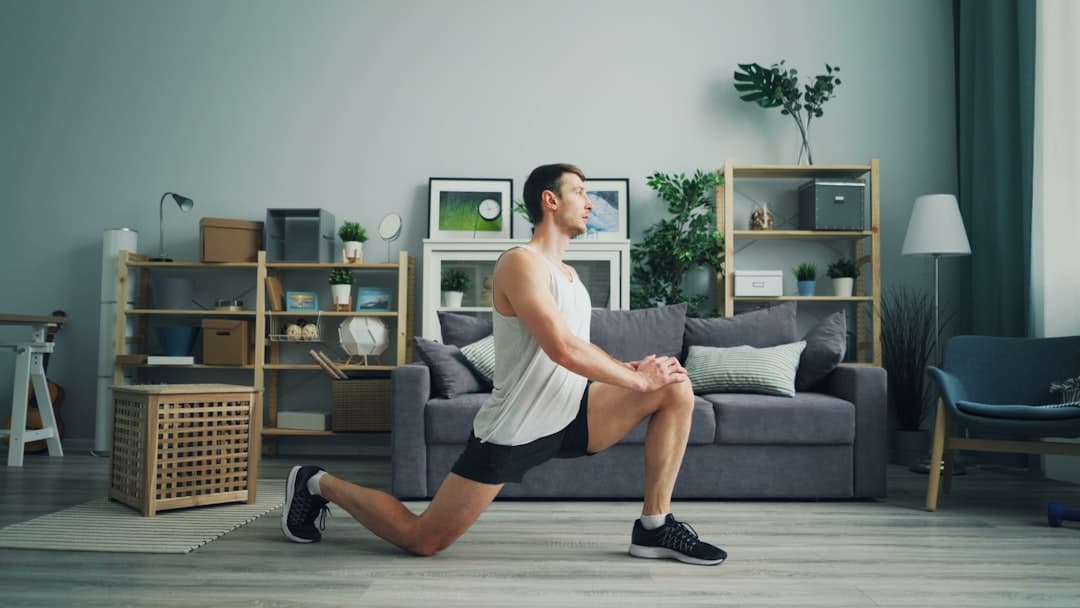
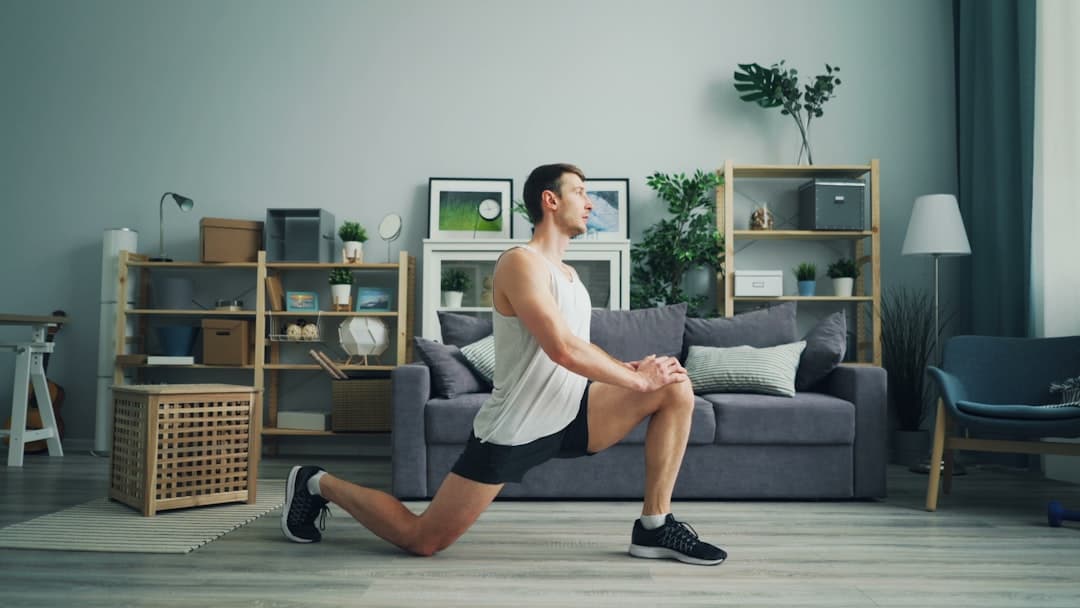
No. 3: Bulgarian split squat, massive stimulus, massive fatigue
Bulgarian split squats are placed third, not because they fail to grow quads, but because they can be “brutally fatiguing.”
That detail matters. Single-leg work demands balance, trunk stiffness, and high effort per leg, which can make the set feel harder than the load suggests. The speaker limits this movement to two sets per workout, which is a built-in fatigue management strategy.
How to make it more quad-biased at home
Important: If you have knee, hip, or balance issues, consider getting guidance from a physical therapist or qualified trainer before heavy split squats, especially if pain is sharp, worsening, or one-sided.
No. 2: Leg extension, why fixed hips may matter
The interesting claim here is that leg extensions may be better than squats for growing the rectus femoris because the hips are fixed, allowing that two-joint muscle to “stretch and squeeze.”
Mechanistically, this is plausible. The rectus femoris contributes to knee extension, but because it also crosses the hip, hip angle can change its length and contribution. Some EMG research suggests quad activation patterns differ across exercises and setups, although EMG does not directly equal hypertrophy (overview of EMG limits in exercise scienceTrusted Source). Still, the practical point stands: a leg extension isolates knee extension in a way squats do not.
Pro Tip: If your machine stops you short, prioritize the deepest pain-free range you can control, then progress load slowly.
Why it is not ranked first
No. 1: Squats, the overload advantage in the real world
Squats take the top spot because of their “enormous capacity for progressive overload,” and because they tend to produce the best results in practice.
This is less about one perfect squat style and more about the menu of options. Barbell squats, Smith machine squats, and hack squats can all be progressed with small load jumps, rep targets, and consistent depth standards. That scalability is a major advantage when your goal is long-term quad growth.
What the research shows: Hypertrophy is strongly influenced by training volume and effort, and programs that progressively increase demands tend to outperform static routines over time (ACSM guidanceTrusted Source).
Q: Do I have to back squat to build big quads?
A: No. The key insight in this ranking is that many squat variations can “blow up your quads” as long as you can train hard, repeat it weekly, and progressively overload. If back squats irritate your joints or you cannot load them safely at home, a Smith-style pattern, goblet squat, or heel-elevated squat can be a reasonable alternative.
Jordan Lee, CPT
Key Takeaways
Frequently Asked Questions
- How many sets of Bulgarian split squats should I do if they wipe me out?
- This video’s approach is to keep them very low volume, about two sets per workout, because fatigue is so high. If you are consistently sore for days or your form degrades, reducing sets and focusing on quality reps may be a safer way to stay consistent.
- Are leg extensions bad for your knees?
- They are not automatically “bad,” but they can increase stress at the knee in certain ranges and loads. Using a controlled, pain-free range of motion and progressing gradually is a common conservative approach, and persistent knee pain is worth discussing with a clinician.
- What squat variation is best for quads at home?
- The most useful choice is often the one you can load and repeat safely, such as goblet squats, heel-elevated squats, or a Smith or hack squat if available. Consistent depth, steady progression, and good technique tend to matter more than the exact implement.
Get Evidence-Based Health Tips
Join readers getting weekly insights on health, nutrition, and wellness. No spam, ever.
No spam. Unsubscribe anytime.