Home Workouts

3 Glute Moves for a Shelf Look, at Home
3 Glute Moves for a Shelf Look, at Home
ByHealthy Flux Editorial Team
Reviewed under our editorial standards
Published 1/12/2026

Summary

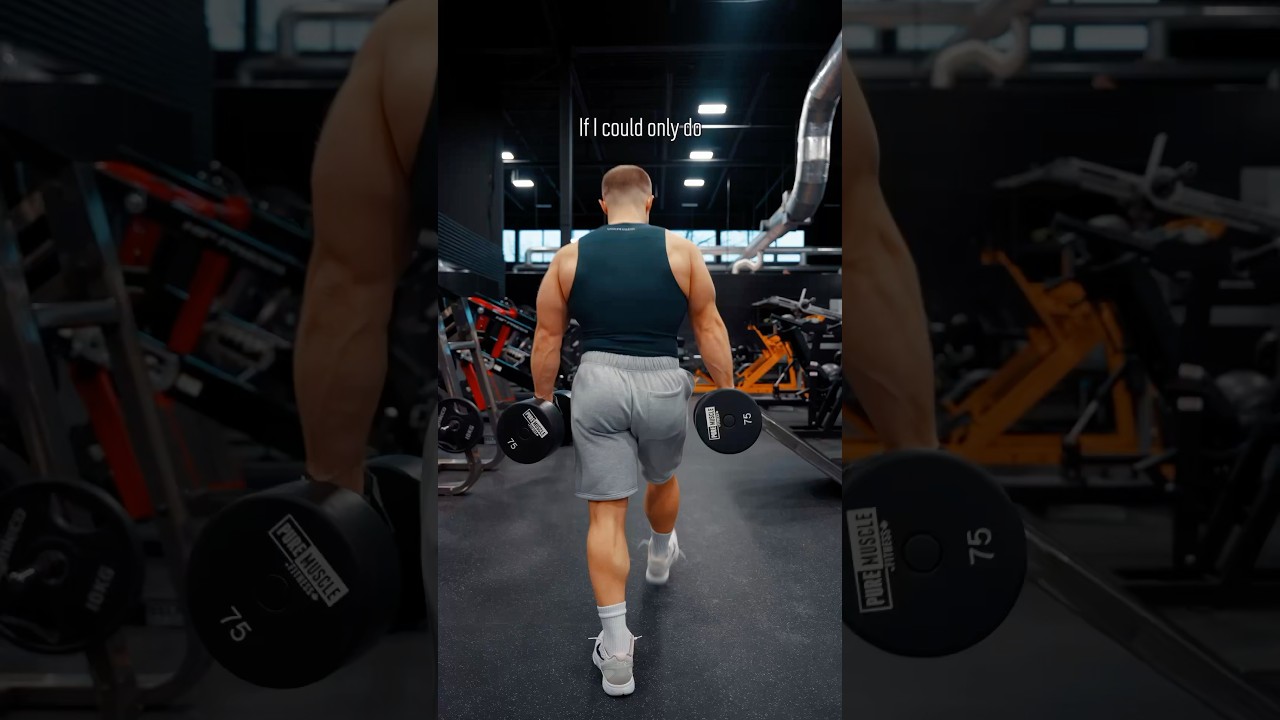
If you had to pick only three glute exercises, this video’s viewpoint is refreshingly simple: walk your lunges, load your hip thrusts, and “top off” volume with hip abductions. The journey starts with walking lunges for a deep stretch and full-glute hit, moves into hip thrusts to target the glute maximus hard while sparing your quads, and finishes with hip abductions for the glute medius and upper glute shape. You will also learn the specific cues used in the video, plus practical ways to progress at home with minimal fatigue.
3 Glute Moves for a Shelf Look, at Home
▶️
▶️ Watch Video
⏱️1 min read

A three-move “forever plan” for glutes

The expert opens with a bold thought experiment: if only three glute exercises could stay in your life, these would be the picks.

That framing matters because it is not about novelty. It is about a repeatable, motivating loop that hits the glutes from different angles: moving through space (lunges), loading the hips (thrusts), then adding targeted volume (abductions).

Pro Tip: If motivation is your bottleneck, “a literal finish line” can help. Walking lunges give you a destination, not just a rep count.

Why these three can complement each other

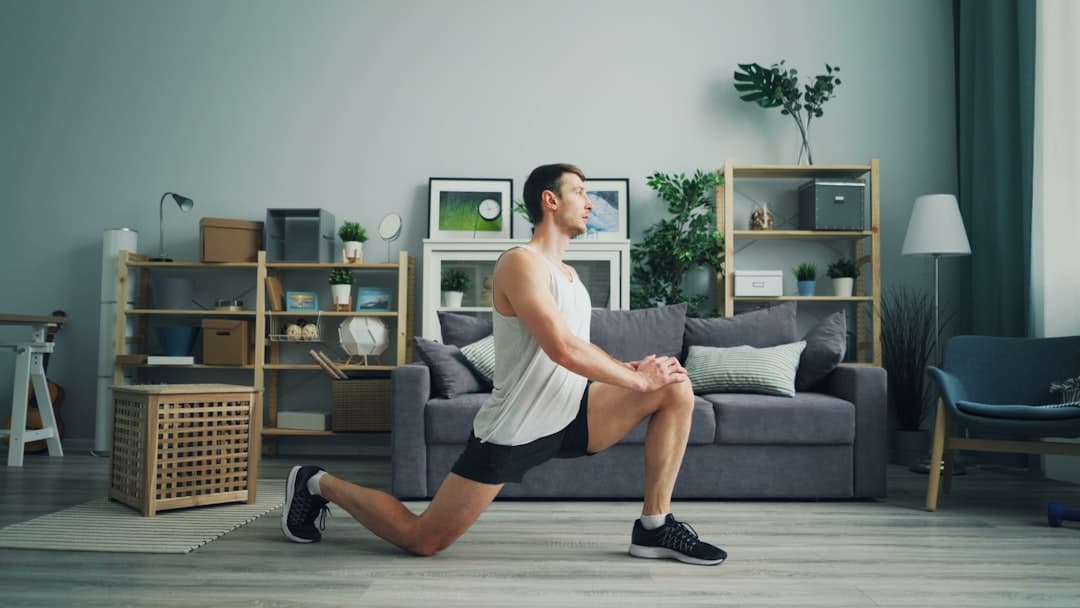
Walking lunges emphasize a long range of motion and stretch under load, especially when you take longer strides and lean slightly forward.
Hip thrusts bias the hips and glutes so you can push effort and load without feeling like your quads are doing everything.
Hip abductions focus on the side glute, the gluteus medius (glute medius), and can add work without the same fatigue cost as heavy compounds.

What the research shows: The gluteus maximus is strongly involved in hip extension movements, while the gluteus medius contributes to hip abduction and pelvic stability, which helps explain why pairing thrusts with abductions can feel “shape changing” over time (StatPearls, Gluteus MaximusTrusted Source, StatPearls, Gluteus MediusTrusted Source).

Exercise 1: Walking lunges for full-glute tension

This plan starts with walking lunges done weekly: 12 steps down, 12 steps back.

The key insight here is that technique is the lever. Take longer strides to increase the glute stretch, then lean slightly forward to make that stretch feel even deeper. Many people naturally stay very upright, which can shift more work toward the quads.

How to make the video’s cues work at home:

Set your lane first. Pick a hallway or clear strip of floor so you can walk 12 steps out and 12 steps back without turning every rep.
Own the stride. A longer step usually places more demand on the hips, but only go as long as you can control without wobbling.
Keep the torso “slightly forward.” Think ribs stacked, then hinge just a bit at the hips so you feel the glute lengthen.

Important: If lunges aggravate knee pain, balance issues, or prior hip injuries, consider checking form with a qualified trainer or clinician before pushing depth or stride length.

Exercise 2: Hip thrusts to overload the glute maximus

Next is the hip thrust, described as hitting the glute maximus hard without taxing the quads too much.

The speaker treats this as the main progressive lift: add a little weight each week and work mostly in the 6 to 10 rep range. The preference is a machine setup, but at home a single-leg hip thrust with a dumbbell is presented as a strong alternative.

A simple “journey” progression (detailed)

Start with a setup you can repeat. Use a bench or couch edge that does not slide. Your upper back should feel supported so the hips can move freely through hip extension (hip extension).
Pick one overload method. Either add a small amount of weight week to week, or keep weight the same and slowly add reps until you are solidly in the 6 to 10 range.
Choose machine or single-leg based on access. A machine can feel stable and easier to load. Single-leg with a dumbbell increases challenge without needing heavy equipment, but it demands more balance.

Did you know? The American College of Sports Medicine notes that resistance training is commonly performed in a range that includes roughly 8 to 12 reps for many goals, with heavier loads often using fewer reps (ACSM resistance training guidanceTrusted Source). The video’s 6 to 10 rep focus fits that “heavier, strength-leaning” neighborhood.

Exercise 3: Hip abductions for upper-glute shape

Finally, hip abductions are the “volume without wrecking you” move.

This targets the glute medius and upper glutes, which the expert links to overall glute shape. Mechanistically, abduction work trains the side glute to help control the thigh moving away from midline, and it can support steadier hips during lunges and thrusts.

Use abductions as a finisher. Because fatigue demand is lower, they can fit after heavier work without derailing recovery.
Chase the burn, not the ego. Lighter resistance with cleaner control often keeps tension where you want it.

Q: Should I feel hip abductions in my lower back?

A: Ideally, you feel them mostly on the outer hip and upper glute. If your low back takes over, reduce resistance, slow down, and focus on keeping the pelvis steady.

Jordan Ellis, CPT (Certified Personal Trainer)

Key Takeaways

Walking lunges are framed as the weekly anchor: 12 steps down and 12 back, with longer strides and a slight forward lean to deepen glute stretch.
Hip thrusts are the primary overload tool: aim for 6 to 10 reps and add a little weight each week when form stays solid.
Hip abductions emphasize the glute medius and upper glutes, supporting shape and letting you add volume with less fatigue.
The “shelf” journey in this video is about pairing movement (lunges), load (thrusts), and targeted volume (abductions), then repeating consistently.

Frequently Asked Questions

How often should I do these three glute exercises?
The video explicitly mentions doing walking lunges every week, and the overall approach implies repeating all three regularly. Many people start with 2 to 3 lower-body sessions weekly, adjusting based on soreness, recovery, and any medical limitations.
Do I need a hip thrust machine to follow this plan?
No. The expert prefers the machine but notes that a single-leg hip thrust with a dumbbell works well if you train at home. The key is a stable setup and a progression method you can repeat week to week.
Why add hip abductions if I already do lunges and thrusts?
This video’s perspective is that abductions target the glute medius and upper glutes, which can influence overall shape. They also let you add extra training volume with relatively low fatigue demand.

Get Evidence-Based Health Tips

Join readers getting weekly insights on health, nutrition, and wellness. No spam, ever.

No spam. Unsubscribe anytime.
More in Home Workouts

View all
Top 3 Quad Exercises for Tree Trunk Legs at Home

Top 3 Quad Exercises for Tree Trunk Legs at Home

If you want bigger quads, the most useful question is not “what burns,” it is “what can I progressively overload and repeat consistently?” This video’s hierarchy is clear: squats win for real-world progression, leg extensions may target the rectus femoris better than squats because the hips are fixed, and Bulgarian split squats are brutally effective but so fatiguing that the speaker limits them to two sets. Below is a practical, science-informed look at why each exercise lands where it does, plus setup cues and safety notes for home training.

5 Form Fixes to Get More From Leg Day at Home

5 Form Fixes to Get More From Leg Day at Home

Most leg-day mistakes are not about effort, they are about where the tension goes. This video’s perspective is simple: small setup changes can shift stress toward the muscle you want (quads, glutes, hamstrings) and away from “leak points” like the low back or hips lifting off the pad. You will learn why knees traveling forward can be safe on hack squats, why RDL balance should stay mid-foot, how longer lunges plus a forward lean bias glutes, and how to lock your hips down on leg extensions and leg curls for better tension.

Overtraining Is Rare, Here’s What It Actually Looks Like

Overtraining Is Rare, Here’s What It Actually Looks Like

True overtraining is far harder to reach than most people think. This video frames training on a spectrum, from undertraining (no growth) to a sweet spot for gains, to functional overreaching (a short performance dip that can rebound higher), and finally to true overtraining (weeks or months of stalled performance with no extra gains after recovery). The key insight is that most home exercisers are not doing the extreme volume and intensity seen in studies that can trigger real overtraining. The practical goal is to push hard enough to grow, then recover hard enough to adapt.

What a Science-Based Lifter Packs for Better Workouts

What a Science-Based Lifter Packs for Better Workouts

What should actually go in a gym bag if your goal is better training, not just more stuff? This video’s “science-based lifter” approach treats the bag like a performance toolkit: protect grip so back work is not limited, support big lifts with a belt and knee sleeves, stay hydrated, and keep quick carbs for longer sessions. It also includes practical extras that reduce friction, bands for warm-ups, a gym pin to micro-load machines, flat slippers for deadlifts, and hygiene basics. A small pain reliever is there “just in case,” with a reminder to use it thoughtfully.

We use cookies to provide the best experience and analyze site usage. By continuing, you agree to our Privacy Policy.