Overtraining Is Rare, Here’s What It Actually Looks Like

Summary
True overtraining is far harder to reach than most people think. This video frames training on a spectrum, from undertraining (no growth) to a sweet spot for gains, to functional overreaching (a short performance dip that can rebound higher), and finally to true overtraining (weeks or months of stalled performance with no extra gains after recovery). The key insight is that most home exercisers are not doing the extreme volume and intensity seen in studies that can trigger real overtraining. The practical goal is to push hard enough to grow, then recover hard enough to adapt.
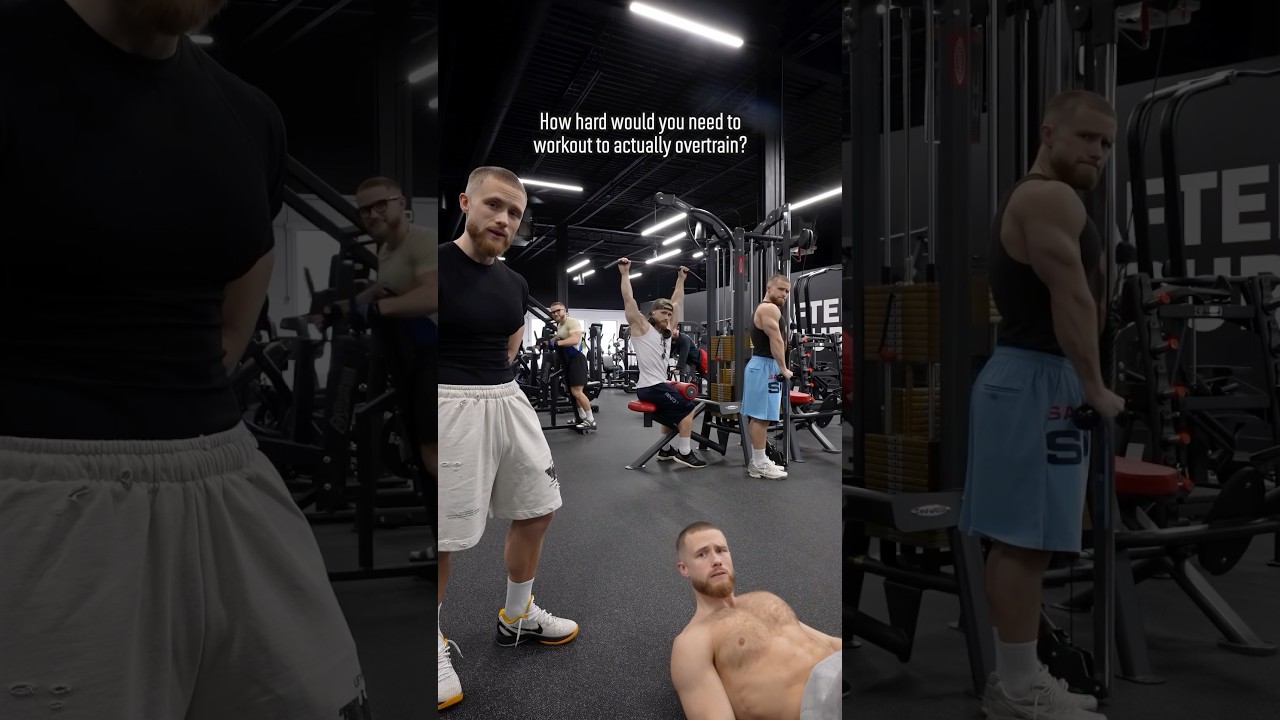
True overtraining can take weeks or months to climb out of.
That is the surprising anchor of this perspective, the kind of training that reliably causes it is so extreme that most people are nowhere close.
True overtraining is “insanely hard” to hit
The key insight here is that many people label any tired week as “overtraining,” but the video draws a sharper line between short-term fatigue and a true, long-lasting training crash.
One example highlighted is a study setup that sounds brutal on paper: 25 sets every workout on heavy compound lifts, 4 days per week, using 3 to 5 rep maxes, for 2 weeks. You might expect a meltdown. Instead, strength went up.
Then comes the protocol that actually pushed people into a genuine hole: 10 sets of 1-rep max squats, six days a week, for 2 weeks. That level of intensity and frequency “wrecked” participants, and many needed a month or two just to get back to baseline.
What the research shows: Overtraining syndrome is typically marked by a longer-lasting performance decline along with broader symptoms, and recovery can take weeks or longer in more severe cases, not just a couple of bad workouts (practical guide overviewTrusted Source).
The training spectrum: where are you right now?
This framing emphasizes a spectrum, not a switch.
At one end is undertraining, too little stimulus, so you do not grow. Do a bit more and you maintain. Add a bit more and you hit the sweet spot where your body has a reason to adapt.
The “good tired” zone versus the “stuck” zone
Functional overreaching sits past the gains sweet spot. Performance drops for a few days, then rebounds above baseline once you recover.
True overtraining is different: performance tanks for weeks or months, and even after you recover, the video argues there are no extra gains as a payoff.
Did you know? Overtraining is not just “sore muscles.” It can include mood changes, sleep disruption, and persistent fatigue, especially when recovery is mismatched to training load (HSS overviewTrusted Source).
What “functional overreaching” looks like in real life
The speaker even notes they sometimes purposefully aim for functional overreaching.
That is a big mindset shift: a short performance dip is not automatically a failure, it can be part of a plan if recovery is built in.
Signals you might be in functional overreaching (not necessarily danger):
Pro Tip: Track one “benchmark” move (push-ups, split squats, pull-ups, a timed run). If it drops for a few days and then rebounds after recovery, that supports the functional overreaching pattern.
How to push hard and recover harder at home
You do not need Geneva-Convention-level squat weeks to make progress.
You do need a recovery plan that matches your effort.
Push with intention, not panic. Choose a clear target for the week, like adding reps, sets, or load, rather than turning every session into a max-out.
Build in a rebound window. If you deliberately increase volume or intensity, schedule easier days afterward so your performance can come back above baseline.
Watch for “too long” performance drops. If performance is down for weeks, or you feel persistently unwell, it may be time to scale back and consider checking in with a clinician, especially if sleep, mood, or appetite also shift. Research notes overtraining can involve multiple body systems, not just muscles (complex systems viewTrusted Source).
Q: If I feel wiped out after workouts, does that mean I am overtraining?
A: Not necessarily. This view separates normal fatigue and short-term performance dips from true overtraining, which lasts weeks or months and does not “pay off” with extra gains.
If fatigue is persistent, worsening, or paired with sleep problems, mood changes, or repeated performance declines, it can be worth reducing training load and discussing symptoms with a healthcare professional.
Jordan Lee, MS, CSCS
Key Takeaways
Sources & References
Frequently Asked Questions
- What is the difference between overreaching and overtraining?
- Overreaching is a short-term dip in performance that can rebound above baseline after adequate recovery. Overtraining is a longer-lasting decline, often weeks or months, and may come with broader symptoms like sleep or mood changes.
- Can you overtrain with home workouts?
- It is possible, but true overtraining usually requires unusually high volume and intensity for a sustained period. Many home exercisers are more likely to run into recovery issues, like too little sleep or too many hard days in a row, than true overtraining syndrome.
- How long does it take to recover from true overtraining?
- Recovery time varies, but true overtraining is described as lasting weeks to months, not just a few days. If you have a prolonged performance drop plus symptoms like persistent fatigue or sleep disruption, consider talking with a healthcare professional.
Get Evidence-Based Health Tips
Join readers getting weekly insights on health, nutrition, and wellness. No spam, ever.
No spam. Unsubscribe anytime.