What a Science-Based Lifter Packs for Better Workouts
Summary
What should actually go in a gym bag if your goal is better training, not just more stuff? This video’s “science-based lifter” approach treats the bag like a performance toolkit: protect grip so back work is not limited, support big lifts with a belt and knee sleeves, stay hydrated, and keep quick carbs for longer sessions. It also includes practical extras that reduce friction, bands for warm-ups, a gym pin to micro-load machines, flat slippers for deadlifts, and hygiene basics. A small pain reliever is there “just in case,” with a reminder to use it thoughtfully.
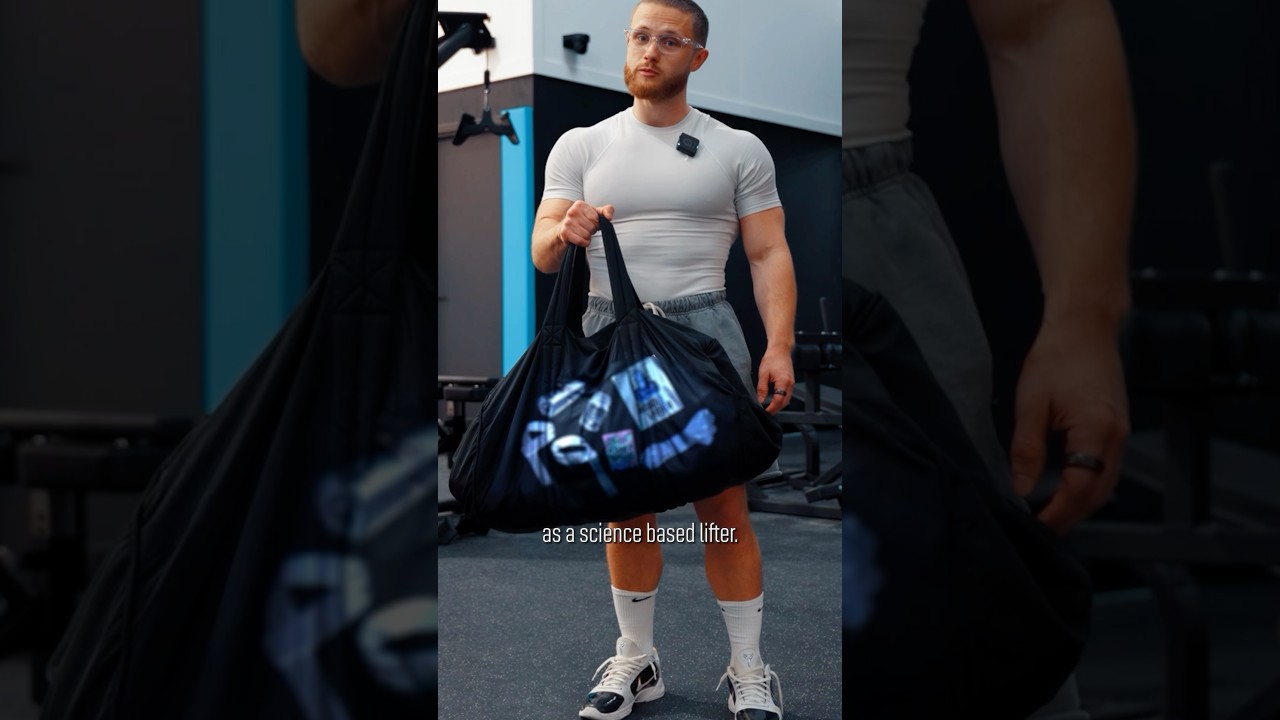
The gym bag question: what actually earns a spot?
What do you really need in your gym bag to train hard, feel good, and keep showing up?
This video’s unique angle is simple and motivating: pack like a science-based lifter, meaning each item solves a specific training problem. Not aesthetics. Not hype. Just tools that protect performance and make workouts easier to execute on real days.
Pro Tip: If you are building a home workout corner, this same list works. Keep a small “training bin” stocked so you do not waste willpower hunting for gear mid-session.
Grip first: keeping back training about your back
The key insight here is blunt: your back will always be stronger than your grip, and you do not want grip to cap your back gains.
That is why straps show up first. The logic is that straps can let your larger back muscles keep working even when your hands are the weak link.
Sweaty palms can also steal performance. Liquid chalk is included for the same reason, better grip can help you maintain tension and control during pulls.
Did you know? Hand hygiene matters in gyms because shared equipment can spread germs. The CDC handwashing guidanceTrusted Source explains when and how to clean hands effectively, soap and water when available, or sanitizer when not.
A quick “grip setup” checklist
Support for heavy days: belt and knee sleeves
A belt is packed for squats, deadlifts, and even weighted pull-ups. This framing emphasizes bracing and consistency on big lifts, especially when loads get challenging.
Knee sleeves are described as making the knees feel more comfy, plus giving a small strength boost. Comfort is not a trivial benefit, if your joints feel better, you are more likely to hit your planned work.
Important: If you have knee pain, numbness, or swelling, consider checking in with a clinician or physical therapist before relying on sleeves to “push through.” Gear can support training, but it should not mask a problem that needs attention.
Energy, hydration, and hygiene for real-life workouts
Water is in the bag for hydration, “pumps,” and performance. Dehydration can reduce exercise capacity, and the American College of Sports MedicineTrusted Source notes that fluid needs vary by person, environment, and sweat rate.
When workouts drag on, the bag includes Gushers for quick, fast-digesting carbs. The practical takeaway is not that candy is “required,” but that easily tolerated carbs can be a useful option when energy dips mid-session.
Hand sanitizer is there because gyms are full of germs. It is a tiny item that removes a big barrier, you can finish training and then eat, drive, or work without feeling gross.
Small tools that make training feel easier to repeat
These items are about removing friction so consistency feels automatic.
»MORE: Want a printable version of this “science-based gym bag” checklist? Create a one-page list with three columns, “Performance,” “Comfort,” and “Hygiene,” then keep it in your bag so restocks take 2 minutes.
Key Takeaways
Frequently Asked Questions
- Are lifting straps “cheating” if I want back growth?
- This video’s perspective is that straps are a tool to prevent grip from limiting back training. If your goal is to challenge the back muscles with enough tension and volume, straps may help you get there, while you can still train grip separately.
- Is liquid chalk better than gloves for sweaty hands?
- Liquid chalk can improve friction without adding padding that changes how the bar feels. Gloves can work for some people, but they may reduce bar feedback and can still slip if sweat builds up.
- Is it okay to use Tylenol for workout-related discomfort?
- The bag includes Tylenol for an occasional headache, not as a routine performance strategy. If you find yourself needing pain relievers often to train, it is worth discussing with a clinician to understand what is driving the pain and how to train safely.
Get Evidence-Based Health Tips
Join readers getting weekly insights on health, nutrition, and wellness. No spam, ever.
No spam. Unsubscribe anytime.