3g Glycine for Nocturia: Sleep 8 Hours Straight

Summary
If you fall asleep easily but keep waking at 1 or 2 a.m. to pee, the video frames this as a “false alarm” problem, not always a full-bladder problem. The core idea is simple: 3 g of glycine about 60 minutes before bed may quiet bladder-to-brain signaling so sleep stays intact. The routine also emphasizes fluid timing, alcohol and caffeine cutoffs, pelvic floor and glute strengthening, and optional add-ons like 1 g taurine, split-dose magnesium glycinate, morning creatine, and evening carb timing. Track your nights and check with a clinician if you use diuretics or have prostate, kidney, or pregnancy considerations.
🎯 Key Takeaways
- ✓The video’s main lever is **3 g glycine** taken about **60 minutes before bed** to reduce “false alarm” bladder signaling that can trigger nocturia.
- ✓Avoiding fluids for **2 to 3 hours before bed**, plus a pre-lights-out bathroom trip, is positioned as non-negotiable if you want fewer wakeups.
- ✓Weak **pelvic floor and glutes** are presented as an overlooked contributor, with Kegels, hip bridges, and squats used to improve support and control over time.
- ✓Optional trade-offs include **1 g taurine** for a calmer mind, **magnesium glycinate split dosing** to avoid nighttime urination, and **morning creatine** to shift water into muscle.
- ✓Alcohol, caffeine, late sweets, and stress are framed as common “sleep saboteurs” that increase nighttime urine production or urgency.
You can do everything “right” for sleep, a dark room, a cool temperature, a consistent bedtime, and still find yourself shuffling to the bathroom at 1 or 2 a.m.
The most important takeaway from this video is that nighttime urination is not always a “too much pee” problem. Sometimes it is a “too loud signal” problem. And the proposed lever is surprisingly specific: 3 g of glycine about 60 minutes before bed.
The puzzle: why waking to pee breaks more than your sleep
Picture the night in two halves.
The first half is where deeper sleep tends to cluster, the phase many people associate with physical restoration. The second half is where longer REM (rapid eye movement) cycles become more prominent, the part tied to emotional processing and memory integration.
The video’s framing is that a bathroom wakeup is not a small interruption. It can cut across the very windows when the body does important “maintenance” work, including brain waste clearance (often discussed as the glymphatic system), cellular recycling (commonly referred to as autophagy), and normal overnight hormone rhythms.
“Waking up to pee” is also common.
Research and clinical resources often describe nocturia as increasing with age. The video highlights a striking number: over 50 percent of people over 50 experience it. For many, the frustration is not falling asleep, it is staying asleep.
Did you know? Nocturia is widely recognized as more common as we get older, and it is linked with fragmented sleep and lower quality of life. You can see an overview of nocturia and its evaluation in clinical references like StatPearlsTrusted Source.
The video’s centerpiece: 3 g glycine to quiet the “false alarm” reflex
The key insight here is counterintuitive: your bladder might not be truly “full” when it wakes you.
This approach suggests there is a neurological component, an overactive signaling loop where the bladder sends an urgent message too early. The video calls this a “false alarm” or an overexcited reflex, essentially a bladder-to-brain wake-up call that arrives before it needs to.
Why glycine is framed as different from a typical sleep supplement
Glycine is an amino acid, and many people associate amino acids with muscle repair or joint support. The video leans into a different angle: glycine also acts as a calming neurotransmitter, interacting with glycine receptors in the spinal cord.
In plain language, the argument is that glycine may help “turn down the volume” on the nerve traffic traveling upward from bladder to brain. Instead of a loud alarm that pops you awake, the signal may be quieter, letting you remain asleep longer until the urge is genuinely strong.
What the research shows: The video points to a placebo-controlled trial in adults with nocturia where 3 g glycine nightly for 4 weeks was associated with improvements such as fewer nighttime bathroom trips and less urgency. While supplement studies vary in quality, glycine has also been studied for sleep-related outcomes in other contexts, including subjective sleep quality and next-day performance in some trials. For background on glycine’s roles in the body, see the NIH Office of Dietary Supplements discussion of amino acidsTrusted Source.
A notable detail from the video is the downstream effect: fewer wakeups can mean a better chance to re-enter deeper sleep and longer REM cycles that otherwise get cut short.
And there is a second-order claim: better sleep can support cardiovascular regulation, and the trial mentioned in the video observed blood pressure improvements. That is plausible in the broad sense because sleep quality and blood pressure are linked in population research, even if any single supplement should not be treated as a blood pressure treatment. For broader context on sleep and cardiovascular health, the American Heart Association summarizes connections between sleep and heart outcomes hereTrusted Source.
A practical night routine (and the trade-offs that matter)
This is where the video becomes less about a “magic supplement” and more about a system.
It also gets honest about a common mistake: taking something helpful, but accidentally worsening nocturia by drinking extra water with it.
Short and punchy truth: supplements cannot outwork a full bladder.
Fluid timing, without turning bedtime into dehydration anxiety
The video’s rule is straightforward: avoid fluids for 2 to 3 hours before bed.
That can feel intimidating if you are used to sipping water at night. The trade-off is real. Hydration supports training performance and recovery, but nighttime fluids can sabotage the very sleep you are trying to protect.
So the routine shifts hydration earlier:
Pro Tip: If you keep water by the bed “just in case,” pre-measure a small cup (not a full bottle). That way you can take a tiny sip if needed without accidentally drinking enough to trigger a 2 a.m. bathroom trip.
Optional stacks and timing tricks: taurine, magnesium, creatine, carbs
The video’s tone here is exploratory: glycine is the anchor, but some people may do better with a carefully chosen stack.
At the same time, every add-on has trade-offs, especially for people prone to nighttime urination.
Option 1: Add 1 g taurine for a quieter mind
One add-on is 1 g taurine alongside glycine.
The proposed division of labor is clear: glycine is aimed at bladder signaling, taurine is aimed at mental overactivity. The video references early evidence in animal models suggesting taurine may increase sleep and calm brain activity. Animal data does not always translate to humans, but it can be a starting point for hypotheses.
If you are considering taurine, it is worth reviewing supplement-medication interactions with a clinician, especially if you have blood pressure concerns or take cardiovascular medications.
For general information on taurine, see an overview such as Examine’s taurine pageTrusted Source, which summarizes human and animal research and typical dosing ranges.
Option 2: Magnesium glycinate, but split the dose
Magnesium is often used for muscle relaxation and sleep, and magnesium glycinate is a popular form.
The video adds a nuance many people miss: too much magnesium glycinate at bedtime may trigger fluid shifts that make you urinate. So instead of taking it all at night, the suggestion is to split it:
This is a trade-off approach, aiming to get relaxation benefits without increasing nighttime urine production.
For magnesium safety and upper limits from supplements, the NIH Office of Dietary Supplements provides a clear overview hereTrusted Source.
Option 3 (muscle-building angle): Morning creatine to shift water into muscle
This is where the muscle-building niche shows up.
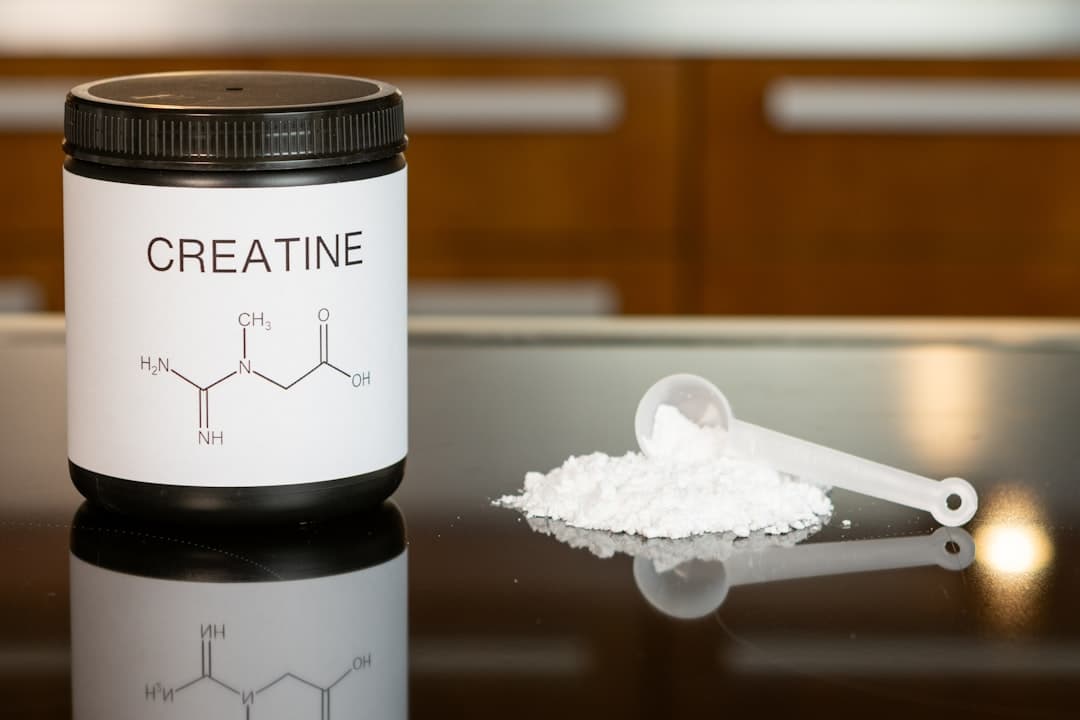
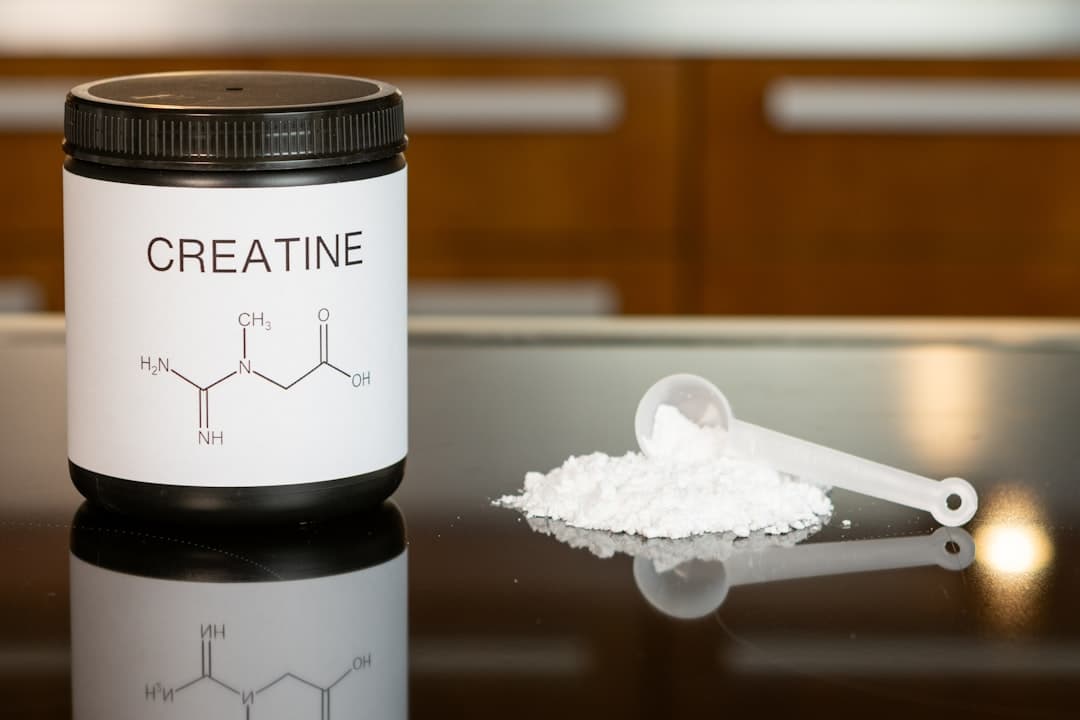
The video suggests 3 to 5 g creatine in the morning, describing it as a way to pull more water into muscle cells and potentially reduce evening fluid that ends up in the bladder.
Creatine is one of the most studied sports supplements for performance and lean mass gains. Its fluid-shifting effects are often discussed as increased intracellular water. Whether that reliably reduces nocturia for a given person is less established, but the timing idea is coherent: take it in the morning, not at night.
For a research-backed overview of creatine, see the International Society of Sports Nutrition position standTrusted Source.
Option 4: Put carbs at dinner, but finish dinner 4 hours before bed
Another timing tweak is carbohydrate placement.
The video suggests eating carbohydrates with the evening meal rather than earlier in the day, with the aim of shifting urination patterns closer to morning. But it pairs that with a firm boundary: finish dinner at least 4 hours before bed so digestion does not disrupt sleep.
This is a classic trade-off. A later dinner might feel relaxing, but it can collide with sleep quality. An earlier dinner can support sleep, but you may need to plan protein and carbs so you do not end up hungry at midnight.
Don’t skip the “hardware”: pelvic floor and glute strength for bladder control
Most nocturia conversations focus on fluids, prostate size, or bladder conditions.
This video adds a different angle: weak pelvic floor and glute muscles may contribute to bladder “false alarms,” especially in people who sit all day or skip lower-body training.
The idea is mechanical support plus nervous system control. The pelvic floor acts like a supportive hammock under the bladder. Strong glutes help pelvic positioning, potentially reducing pressure that could irritate bladder signaling.
Here is the simple exercise trio presented, with practical details.
Kegels (pelvic floor contractions). Tighten the muscles you would use to stop urine midstream, hold for 5 seconds, then release for 5 seconds. Practice periodically through the day rather than only at night.
Hip bridges. Lie on your back with feet flat, lift hips, and perform 10 to 15 slow reps, twice daily. The emphasis is controlled movement, not speed.
Bodyweight squats. The suggestion is 50 to 100 per day, depending on fitness. If that is too much, start with a smaller number and build gradually, focusing on good form.
One important trade-off: if you have pelvic pain, recent surgery, or symptoms like pressure or bulging, it is smart to ask a pelvic floor physical therapist for guidance before ramping up exercises.
Important: If nighttime urination is new, worsening, painful, associated with fever, blood in urine, or unintended weight loss, it is worth prompt medical evaluation. No supplement routine should delay checking for infections, diabetes, prostate issues, medication side effects, or sleep apnea.
Common hidden drivers: alcohol, caffeine, sugar spikes, and stress
Sometimes the “mystery” is not the bladder at all.
It is what happened at 6 p.m.
This perspective highlights several common drivers that can increase urine production or irritate the nervous system.
Alcohol in the evening. Alcohol can suppress antidiuretic hormone (ADH), which normally helps the body retain water. Less ADH can mean more urine production overnight. If you drink, the video suggests doing so at least 5 hours before sleep. For more on alcohol’s impact on sleep, see the National Institute on Alcohol Abuse and Alcoholism overview hereTrusted Source.
Caffeine too late. The routine is blunt: keep coffee to the morning. Caffeine can also affect ADH and sleep depth, and its effects can linger for hours. For caffeine and sleep guidance, the Sleep Foundation summarizes timing and half-life considerations hereTrusted Source.
Late sweets or refined carbs. The video argues that a nighttime blood sugar spike can lead the body to flush glucose and fluid, increasing nighttime urination. If you want carbs, the suggestion is to place them with dinner and avoid late-night sweets.
Stress and an overactive nervous system. Stress is framed as a bladder amplifier, increasing urgency signals. The video mentions magnesium, glycine, and vitamin B1 rich foods (sunflower seeds, pork, nutritional yeast) as supportive tools.
»MORE: Consider keeping a simple “nocturia log” for two weeks, bedtime, last drink time, alcohol or caffeine, supplement timing, and number of wakeups. Patterns often appear faster than you expect.
Putting it together: a simple morning and evening template
The video ultimately compresses everything into a routine you can test.
Evening: Finish dinner 4 hours before bed, include a small portion of carbs, avoid alcohol and caffeine. Stop fluids 2 to 3 hours before bed, then urinate right before lights out. Take 3 g glycine 60 minutes before sleep, optionally add 1 g taurine and 200 mg magnesium (with magnesium split earlier in the day if using 400 mg total).
Morning: Drink 500 ml water on waking plus one quarter teaspoon of sea salt. Do a light walk, then a few sets of squats or hip bridges and Kegels. If using creatine, take 3 to 5 g in the morning.
The speaker also flags who should slow down and get personalized advice first: people using diuretics, those on medications for blood pressure or diabetes, men with prostate enlargement, anyone with kidney disease, and pregnant or breastfeeding women.
Key Takeaways
Frequently Asked Questions
- How long before bed should I take 3 g glycine for nighttime urination?
- The video’s routine uses **3 g glycine about 60 minutes before sleep**, ideally as a capsule with only a tiny sip of water. That same hour is treated as a wind-down period, plus a final bathroom trip before lights out.
- Will drinking less water at night dehydrate me?
- The approach in the video is to shift hydration earlier in the day, especially the morning (for example, 500 ml on waking), and then avoid fluids for 2 to 3 hours before bed. If you have medical conditions that affect fluid balance, it is safest to confirm a plan with a clinician.
- Is magnesium glycinate always helpful for sleep if I wake up to pee?
- Not always. The video notes that taking too much magnesium glycinate right at bedtime may worsen nighttime urination for some people, so it suggests splitting the dose, such as 200 mg earlier in the day and 200 mg near bedtime if you use it.
- Can pelvic floor exercises really affect nocturia?
- They may help in some cases, especially if weak pelvic floor or glute muscles contribute to urgency or poor bladder support. The video suggests Kegels (5 seconds on, 5 seconds off), hip bridges (10 to 15 slow reps twice daily), and daily squats, building gradually.
Get Evidence-Based Health Tips
Join readers getting weekly insights on health, nutrition, and wellness. No spam, ever.
No spam. Unsubscribe anytime.