Animal Protein, Cancer Risk, and What NHANES Found

Summary
Is a steak really a cancer risk, or is that story oversimplified? This article breaks down a video’s core claim, a 20-year NHANES analysis found no adverse association between animal or plant protein intake and all-cause, cardiovascular, or cancer mortality. Notably, higher animal protein intake showed a small inverse association with cancer mortality, while IGF-1 levels were not linked to mortality outcomes. You will also get practical, muscle-building oriented guidance on interpreting nutrition epidemiology, choosing protein sources, and understanding where creatine fits, without turning one study into a blanket rule.
🎯 Key Takeaways
- ✓The video highlights an NHANES-linked analysis (about 15,000 people, about 20 years) reporting no increased all-cause, cardiovascular, or cancer mortality with animal protein intake.
- ✓A notable finding discussed is a small inverse association between animal protein intake and cancer mortality (about a 20% lower risk in that analysis), which challenges common media narratives.
- ✓The video argues that IGF-1 is often blamed as a mechanism linking animal protein to cancer, yet this analysis found no association between IGF-1 levels and mortality outcomes.
- ✓This perspective emphasizes that epidemiology shows associations, not causality, so single-study headlines should not be used to “prove” meat is harmful or protective.
- ✓For muscle-building audiences, the video connects animal foods to creatine intake and suggests considering supplement purity and sourcing if you do not eat much red meat.
Is meat really a cancer risk, or is that a myth?
“Can I eat steak without increasing my cancer risk?”
That question sits underneath a lot of modern nutrition anxiety, especially for people who lift weights and are trying to hit higher protein targets. The video’s core message is blunt: an analysis of NHANES data found no increased risk of dying (from any cause, heart disease, or cancer) associated with animal protein intake.
Just as important, the video frames this as a pushback against a familiar storyline, that animal foods are “the evil stuff” that raises insulin-like growth factor 1 (IGF-1) and drives cancer growth. Instead of accepting that mechanism as settled, the discussion treats it as a hypothesis that should match real-world outcome data.
Important: One study rarely “settles” a debate. What it can do is challenge how confident we should be in a popular narrative, especially when that narrative is largely built from observational research.
Option A vs Option B, how the video reframes the debate
The video contrasts two ways people tend to interpret nutrition claims.
The practical takeaway is not “eat unlimited meat.” It is that the fear-based certainty around animal protein and cancer risk may be overstated.
What the NHANES analysis actually reported
The study discussed in the video is titled: “Animal and plant protein usual intakes are not adversely associated with all cause cardiovascular disease or cancer related mortality risk.” It used the National Health and Nutrition Examination Survey (NHANES) dataset, described as one of the largest and longest-running nutrition epidemiology efforts in the United States.
The video highlights several concrete details:
That is a lot of time for outcomes like heart disease and cancer to show up, which is why the speaker treats the findings as meaningful even while acknowledging limitations.
What the research shows: NHANES is a major U.S. program that combines interviews, physical exams, and lab measures to understand health and nutrition patterns over time (CDC NHANES overviewTrusted Source).
The headline results, in plain language
The video’s summary of the paper is consistent across multiple parts of the transcript:
Then comes the surprising part.
The discussion points to an inverse association between cancer mortality and animal protein intake, described as about a 20% lower risk and noted as statistically significant in the paper’s table (the video cites a p-value of 0.029).
One sentence captures the speaker’s tone: this “flies in the face” of what many people think they know.
A crucial nuance is also included: the video mentions that plant protein showed an association in the opposite direction in one table, but it immediately cautions against interpreting that as “plant protein causes cancer.”
That restraint matters, because it is easy to turn one association into a moral judgment about foods.
IGF-1 and the proposed “animal protein causes cancer” mechanism
The video spends real time on mechanism, not just outcomes.
The common claim being challenged is that animal foods raise IGF-1, and that higher IGF-1 encourages cancer cells to proliferate. The speaker acknowledges a reasonable-sounding premise: chronically elevated IGF-1 could be problematic from a cancer-risk standpoint.
But then the video returns to the NHANES-linked findings: IGF-1 concentrations were not associated with all-cause, cardiovascular, or cancer mortality.
That is the key “mechanism check.” If IGF-1 is the main pathway people cite, you would expect to see some consistent relationship between IGF-1 levels and mortality outcomes in this analysis.
This does not prove IGF-1 is irrelevant. It suggests the simplistic chain, animal protein raises IGF-1, IGF-1 causes cancer, therefore animal protein increases cancer deaths, is not supported by this dataset in the way many headlines imply.
Did you know? IGF-1 is a hormone involved in growth and metabolism, and it is influenced by many factors, including genetics, overall energy balance, and protein intake patterns, not just whether protein is animal or plant.
For readers who want to understand IGF-1 in context, major cancer organizations discuss cancer risk as multi-factorial, involving body weight, alcohol, physical activity, and dietary patterns overall, not single nutrients in isolation (National Cancer Institute, diet and cancer riskTrusted Source).
Epidemiology reality check, associations, confounding, and headlines
Epidemiology is powerful, and messy.
The video is careful on this point. It says nutrition epidemiology is “really hard to suss out” because there are many confounders, and even when investigators adjust for them, causality is still uncertain.
Here is what that means in practical terms.
If people who eat more red meat also smoke more, sleep less, exercise less, or eat fewer fruits and vegetables, it can look like meat is the cause when it is really a marker for a broader lifestyle pattern. The reverse can also happen: people who avoid meat might do so because of existing health concerns, which can skew results.
This is why the video treats the NHANES analysis as a corrective to overconfident claims, not as a license to ignore everything else about diet quality.
Pro Tip: When you see “X food increases cancer risk,” look for whether the claim comes from observational studies, randomized trials, or a mix. Observational findings are useful, but they are not the same as proving cause and effect.
Before vs After, how this study changes the “meat narrative” (without ending it)
Before (common public message):
After (the video’s interpretation of this NHANES analysis):
That is a meaningful shift in how confident someone should be when they hear, “meat causes cancer,” stated as a certainty.
Muscle-building angle, protein choices and the creatine detour
The video sits in a muscle-building niche, so it naturally connects the mortality discussion to performance nutrition.
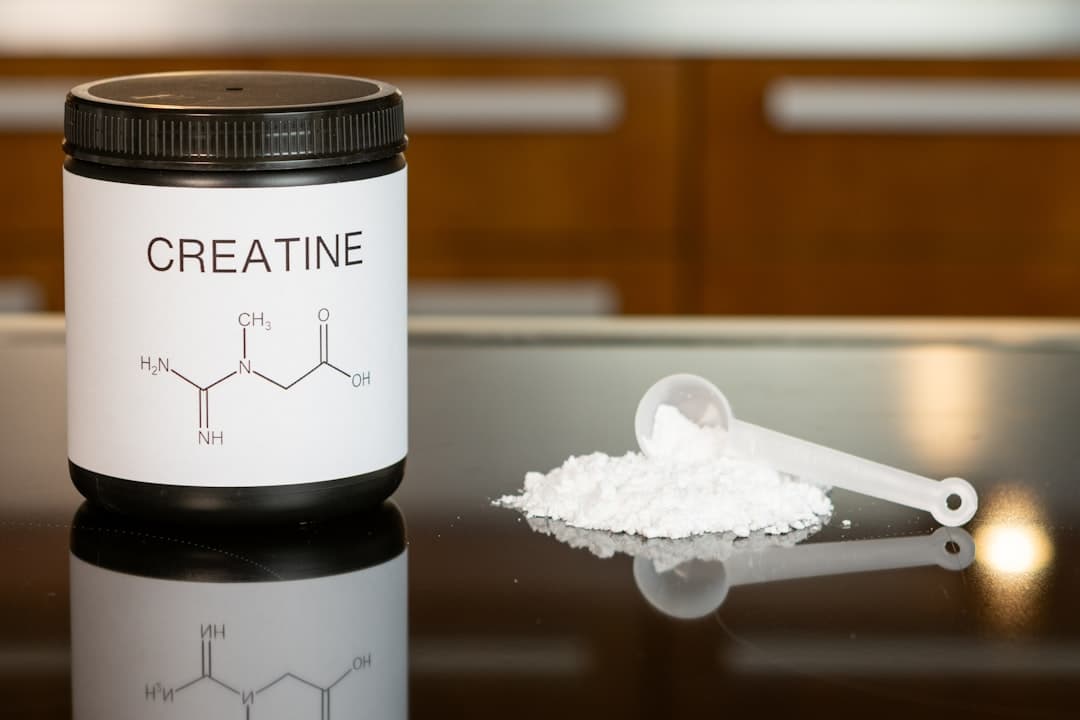
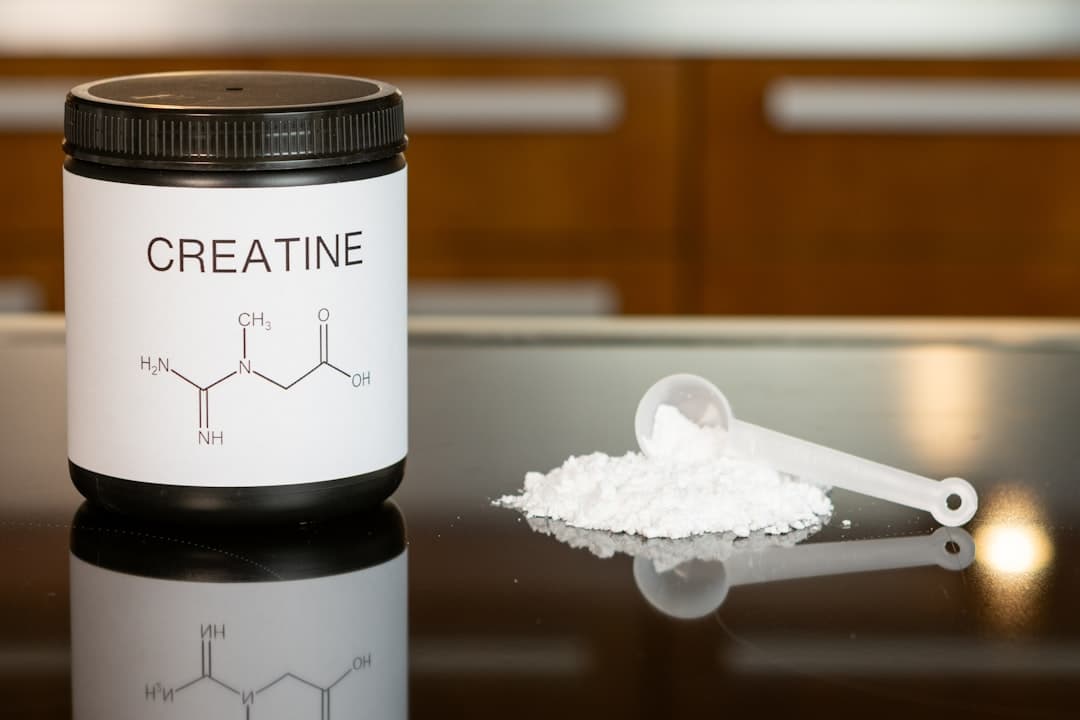
One nutrient highlighted is creatine, described as supporting cellular energy production and being relevant for energetically demanding tissues like muscle, brain, heart, and eyes. The speaker notes that creatine is found in an omnivorous diet, and that red meat is a primary dietary source. Chicken, tilapia, and tuna are mentioned as not being great sources in comparison.
The video then pivots into supplement quality, emphasizing that creatine is synthesized and that sourcing and purity matter. It promotes European-made creatine options and warns about unknown residual solvents or caustic agents in lower-grade material.
From a neutral health-writing standpoint, two practical points can be separated from the marketing:
For readers who want an evidence-based overview of creatine, the International Society of Sports Nutrition has published a position stand summarizing safety and performance findings (ISSN position stand on creatineTrusted Source).
Important: If you have kidney disease, are pregnant, or take medications that affect kidney function, it is worth discussing creatine or high-protein diets with a clinician before starting, since individual risk can differ.
How to think about protein sources if your goal is muscle
You do not need a “team meat” or “team plants” identity to build muscle.
A practical approach is to choose protein sources you tolerate well, can afford, and can eat consistently, while keeping overall diet quality high.
The video’s concluding vibe is that most people can be comfortable eating an omnivorous diet and do just fine.
How to use this information without swinging to extremes
One study should not make you panic, and it should not make you reckless.
The video’s strongest contribution is not “meat is magic.” It is the insistence that claims about meat and cancer should match the quality and consistency of the evidence, especially when those claims are used to scare people away from high-protein diets.
A simple step-by-step way to apply the video’s message
Separate “protein” from “diet pattern.” A high-animal-protein diet can still be low in fiber and high in ultra-processed foods, and a plant-forward diet can still be high in refined carbs and low in micronutrients. The protein source is only one piece.
Aim for consistency, not perfection. If eating some red meat helps you reliably hit protein targets for training, this NHANES analysis suggests you do not need to assume it automatically increases your risk of dying from cancer or heart disease.
Use labs and personal risk factors to personalize. If you have elevated LDL cholesterol, a strong family history of heart disease, or a prior cancer diagnosis, discuss diet choices with a clinician or registered dietitian. Population averages do not replace individual care.
If you supplement, prioritize quality control. Look for third-party testing where possible, and avoid treating supplements as substitutes for a solid diet and training plan.
»MORE: If you want a practical checklist, create a one-week “protein audit.” Write down your protein sources at each meal, then decide whether you want to adjust quantity, variety, or processing level.
Expert Q&A box
Q: Does this mean animal protein is “protective” against cancer?
A: The video highlights a small inverse association between animal protein intake and cancer mortality in one NHANES-linked analysis. An association like this can be influenced by many factors, including who eats more protein, what else they eat, and their baseline health.
A more cautious interpretation is that the data discussed do not support the claim that animal protein increases cancer deaths, and they raise questions about overly confident anti-meat messaging. For personal guidance, especially if you have risk factors, a clinician or dietitian can help interpret diet choices in context.
Jordan Mills, MPH (Health Education)
Q: If IGF-1 was not linked to mortality here, should I ignore IGF-1 entirely?
A: Not necessarily. IGF-1 is a real hormone with real biological effects, but it is also influenced by many variables beyond protein source. The key point is that a proposed mechanism should align with real-world outcomes, and in this dataset, IGF-1 did not show a consistent relationship with mortality.
If you are concerned about cancer risk, focusing on established levers like maintaining a healthy weight, limiting alcohol, staying active, and following screening guidelines is often more actionable than trying to micromanage a single biomarker.
Jordan Mills, MPH (Health Education)
Key Takeaways
Frequently Asked Questions
- Does eating animal protein increase cancer risk?
- In the video, an NHANES-linked analysis is described as finding no increased cancer mortality with animal protein intake, and even a small inverse association. Because this is observational research, it cannot prove cause and effect, so it is best used to calibrate fear-based claims rather than make absolute rules.
- What does “inverse association” mean in this context?
- It means that, in the dataset discussed, higher animal protein intake was associated with a lower risk of cancer mortality. An association does not prove that animal protein caused the lower risk, because other lifestyle and health factors could influence the relationship.
- Is IGF-1 the main reason people say meat causes cancer?
- The video describes IGF-1 as a commonly cited mechanism, where higher IGF-1 might promote cell growth in ways that could matter for cancer. In the analysis discussed, IGF-1 levels were not associated with mortality outcomes, which challenges a simplified version of that argument.
- If I do not eat much red meat, should I take creatine?
- The video notes that red meat is a key dietary source of creatine and suggests some people may consider supplementation if intake is low. Whether creatine is appropriate depends on your goals, health history, and supplement quality, so it can be helpful to discuss with a clinician if you have medical conditions or take medications.
- Can plant-based diets still be healthy for muscle building?
- Yes. Many people build muscle on plant-forward diets by ensuring total protein intake is adequate and using a variety of protein sources. The video’s main point is not that plant protein is bad, but that animal protein is not automatically harmful based on the NHANES analysis discussed.
Get Evidence-Based Health Tips
Join readers getting weekly insights on health, nutrition, and wellness. No spam, ever.
No spam. Unsubscribe anytime.