Cheat Reps vs Strict Form: What Builds Muscle Safely?
Summary
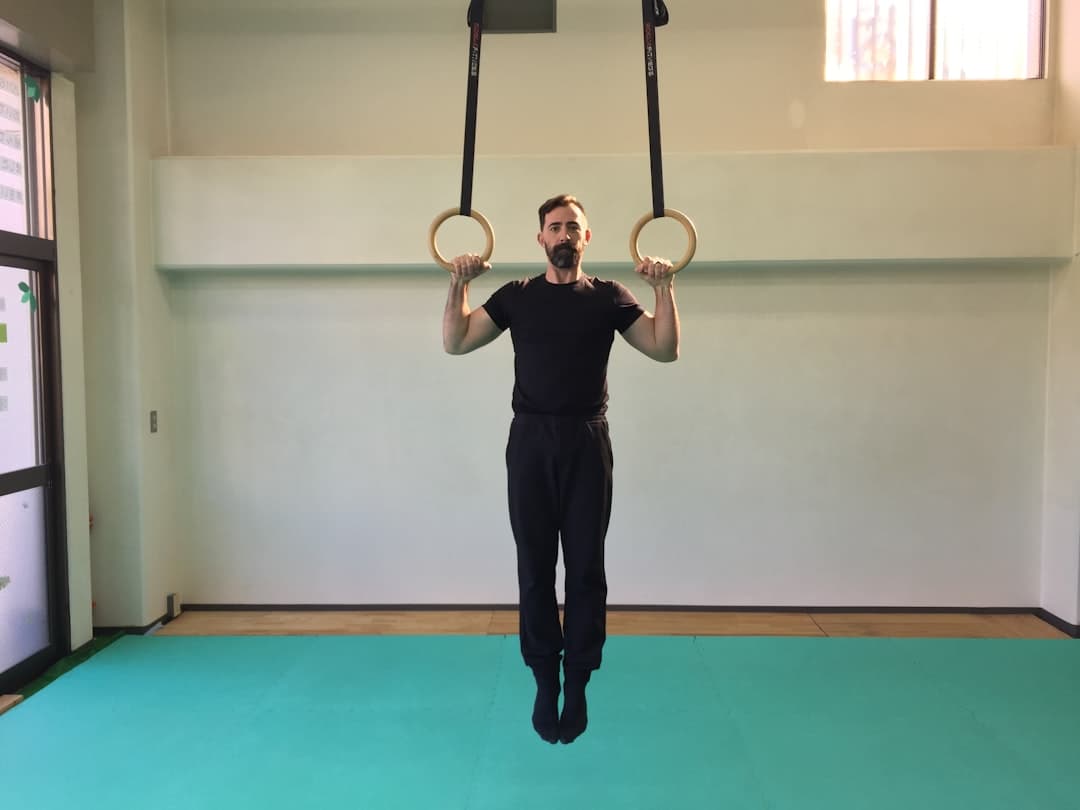
You are curling, the last reps feel impossible, and you instinctively swing a little to finish the set. This video explores that exact moment with a simple but surprising experiment: beginners trained one arm with strict reps and the other with cheat reps for 8 weeks. Both arms grew about the same. The catch is that strict form achieved similar growth with lighter weights, which may reduce joint and tendon stress over time. The practical takeaway is not that cheating is “bad”, but that load, control, and long-term safety should guide your choice.

The question most lifters face mid-set
You start a set of dumbbell curls with perfect form, then rep 9 arrives and your torso wants to help.
That split-second decision matters for more than aesthetics. Technique influences which tissues get loaded (muscle vs joints and connective tissue) and how much total weight you end up using. This framing connects muscle building to overall wellbeing: progress is great, but not if elbows, shoulders, or wrists become the limiting factor.
Did you know? Research on externally supplied momentum during resistance exercise suggests momentum can change how work is distributed across the movement, potentially altering which muscles and joints take the stress (Effect of Externally Supplied MomentumTrusted Source).
What the 8-week strict vs cheat experiment found
This video describes what is presented as the first study to directly test cheat reps versus strict reps for muscle growth.
The setup (simple, but clever)
The researcher recruited 30 beginners and used a within-person design.
The speaker expected strict form to win because it keeps tension directed at the target muscle.
The catch: same growth, different loading demands
The surprising result was that both arms grew about the same.
But the key insight is not “cheating is equal, so do whatever.” The catch was that the strict-form arm got the same growth with lighter weight. The expert’s interpretation is practical: if you need heavier loads to get the same effect with cheat reps, that may increase stress on joints and tendons over time. For many people, that tradeoff affects training longevity, comfort, and consistency, all of which influence health and wellbeing beyond the mirror.
What the research shows: When momentum is added to a lift, it can reduce the demand on certain phases of the movement while shifting forces elsewhere, which may change how hard specific muscles must work (externally supplied momentum paperTrusted Source).
Important: If you have a history of elbow, shoulder, or wrist pain, consider discussing technique and loading with a qualified clinician or physical therapist before intentionally using heavier, more momentum-driven reps.
How to apply this without turning workouts into chaos
The journey-of-discovery takeaway is to treat “strict vs cheat” as a spectrum you can control.
Pro Tip: If you want to experiment with cheat reps, keep the “cheat” in the first half of the lift only, then slow the lowering phase for 2 to 3 seconds. This often preserves muscle tension while limiting reckless swinging.
Q: Are cheat reps “bad” for muscle growth?
A: This video’s results suggest cheat reps can build muscle similarly to strict reps over 8 weeks in beginners. The bigger issue is that cheating may require heavier loads to match the stimulus, which could matter for comfort and long-term joint tolerance.
Jordan Lee, PhD, Exercise Science
Key Takeaways
Sources & References
Frequently Asked Questions
- If both methods grow muscle, should I always cheat on the last reps?
- Not necessarily. The video suggests similar growth, but strict form achieved it with lighter loads, which may be easier on joints and tendons. A reasonable approach is to prioritize strict reps, then use limited, controlled momentum only when you can maintain safety and intent.
- Does strict form mean I have to lift light weights forever?
- No. Strict form can still be progressed over time by adding load gradually or increasing reps, while keeping control. The point is that strict reps may let you create a strong stimulus without needing as much weight.
- Who should be extra cautious with cheat reps?
- People with current or past elbow, shoulder, or wrist pain, or anyone returning from injury, may want to be cautious because heavier, momentum-driven reps can increase joint stress. Consider getting individualized guidance from a qualified trainer or clinician.
Get Evidence-Based Health Tips
Join readers getting weekly insights on health, nutrition, and wellness. No spam, ever.
No spam. Unsubscribe anytime.