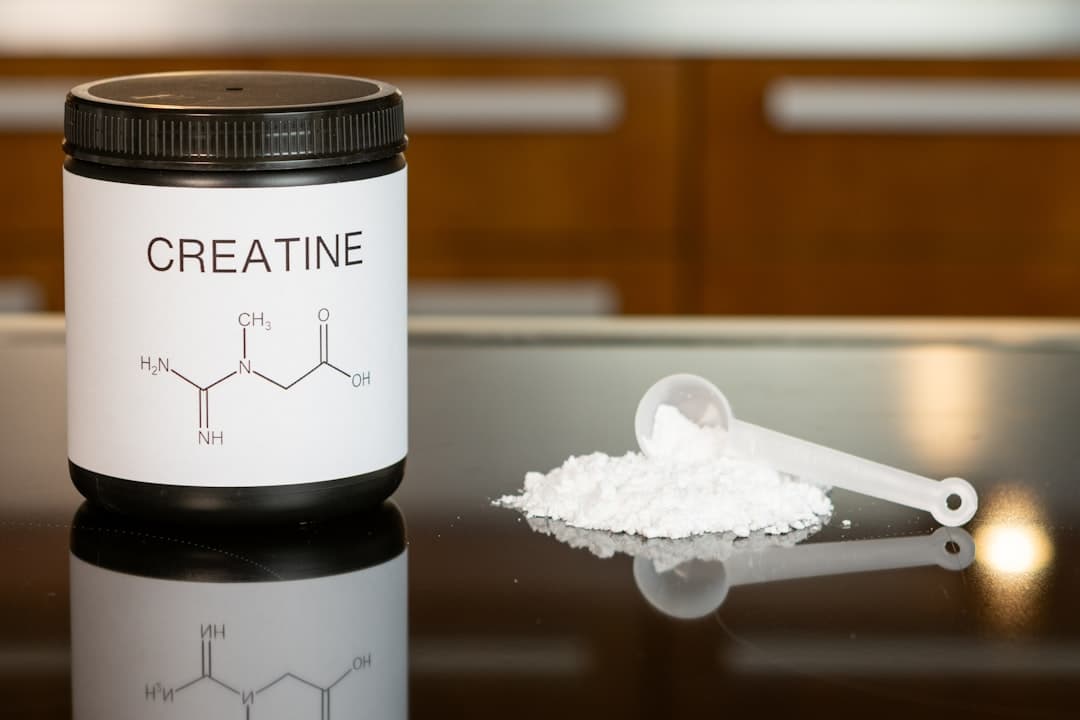
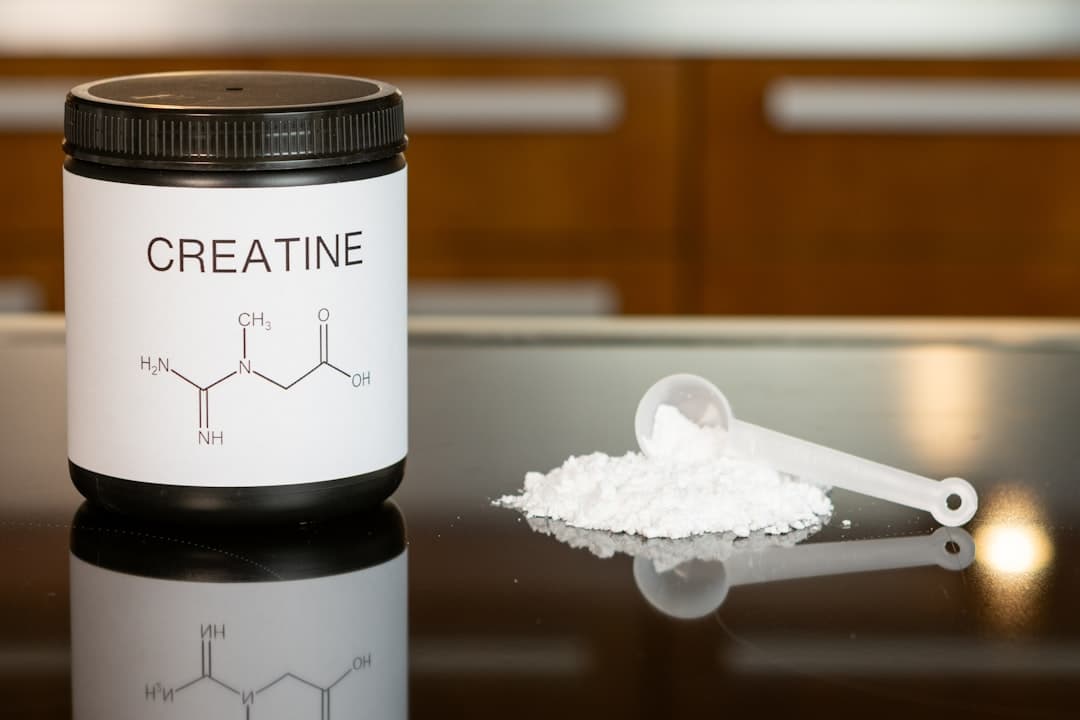
Creatine for Brain Energy, Muscle, and Healthy Aging
Summary
Creatine is usually marketed for muscle, but this video frames it as a foundational “energy buffer” for high-demand tissues, including skeletal muscle, brain, eyes, inner ear cells, and even the placenta. The key idea is simple: your body stores limited ATP, and creatine helps rapidly recycle ATP when energy demand spikes, during hard training, intense focus, sleep loss, or aging. The discussion also highlights creatine’s indirect antioxidant role through more efficient mitochondrial respiration. You will also learn practical dosing, why electrolytes may matter for uptake, and common misconceptions about hair and kidneys.
🎯 Key Takeaways
- ✓Creatine is positioned here as an energy-buffer nutrient, not just a muscle supplement, because it helps recycle ATP in high-demand tissues like brain, retina, and skeletal muscle.
- ✓Higher, short-term doses (10 to 20 g/day) are framed as situational tools for sleep deprivation or jet lag, while 3 to 5 g/day is presented as a practical maintenance range for most people.
- ✓Electrolytes (sodium, magnesium, calcium) are emphasized as potentially helpful partners because creatine entry into cells depends on transport and hydration dynamics.
- ✓The video argues creatine can act as an indirect antioxidant by improving mitochondrial respiration efficiency, rather than functioning like classic direct antioxidants such as vitamin C or E.
- ✓Creatine is discussed as relevant across the lifespan, including older adults (frailty risk) and women from menstruation through pregnancy to menopause, with special attention to energy needs.
- ✓Common fears (hair loss, kidney harm) are presented as overblown in typical healthy users, with an emphasis on product purity and context when interpreting creatinine labs.
Why this “gym supplement” may be a missing piece for energy
Most people file creatine under “muscle building.”
This video argues that framing is too small.
The central perspective is that creatine is one of the most overlooked nutrients for cellular energy production, not only in skeletal muscle, but also in the brain, eyes (retina), the cilia of the inner ear, and even the placenta during pregnancy. That is a wide list, and it is the point. Instead of treating creatine as a niche sports supplement, the discussion treats it as an energy support tool for tissues that burn through ATP fast.
What makes this approach useful is how practical it is. If you ever feel like you are doing “all the right things” for energy, sleep, diet, coffee timing, training plan, and still hit a wall, this is a different lens. The “wall” is often an energy bottleneck, not a motivation problem.
Did you know? Your body can only store a limited amount of ATP at any moment, roughly 80 to 100 grams, as described in the video. That is why rapid ATP recycling systems matter when energy demand spikes.
This article walks through that viewpoint and turns it into action steps you can use today, especially if your goals include muscle building, performance, focus, and healthy aging.
Creatine’s core job: buffering ATP when demand spikes
The key insight is simple: ATP is the usable energy currency of your cells, and your “wallet” is small.
The video uses a money analogy. ATP is like cash you keep on hand. You cannot carry enough cash for every big purchase, so you need a way to draw from the bank quickly. Creatine is framed as that rapid-access system, an energetic reservoir that helps regenerate ATP when you are burning through it.
Here is what that means in plain language. When you contract muscle during intense sets, sprint intervals, or high-volume training, ATP gets used immediately. Your cells need a fast way to turn ADP back into ATP. Creatine, stored largely as phosphocreatine, can donate a phosphate group to ADP to remake ATP quickly. This is tightly connected to the creatine kinase system, which is the “recycling enzyme” that helps this happen.
This is also why the discussion rejects the simplistic idea that “creatine builds muscle” directly. The more precise framing is that creatine may help you train harder or maintain output longer by supporting ATP availability, and better training can support muscle gain over time.
What “energy buffer” looks like day to day
This is not only about a PR attempt.
The video repeatedly connects creatine to any situation where energy demand rises rapidly, including:
Pro Tip: If you only think about creatine as a “pre-workout muscle thing,” you may miss its most practical use case, supporting energy when life is demanding (training, travel, sleep loss, intense cognitive work).
Beyond muscle: brain, eyes, ears, heart, and placenta
This video’s unique angle is the tissue list.
Skeletal muscle is the obvious one, and it is why creatine became popular in bodybuilding and strength sports decades ago. But the discussion keeps returning to other tissues that are rarely mentioned in gym conversations.
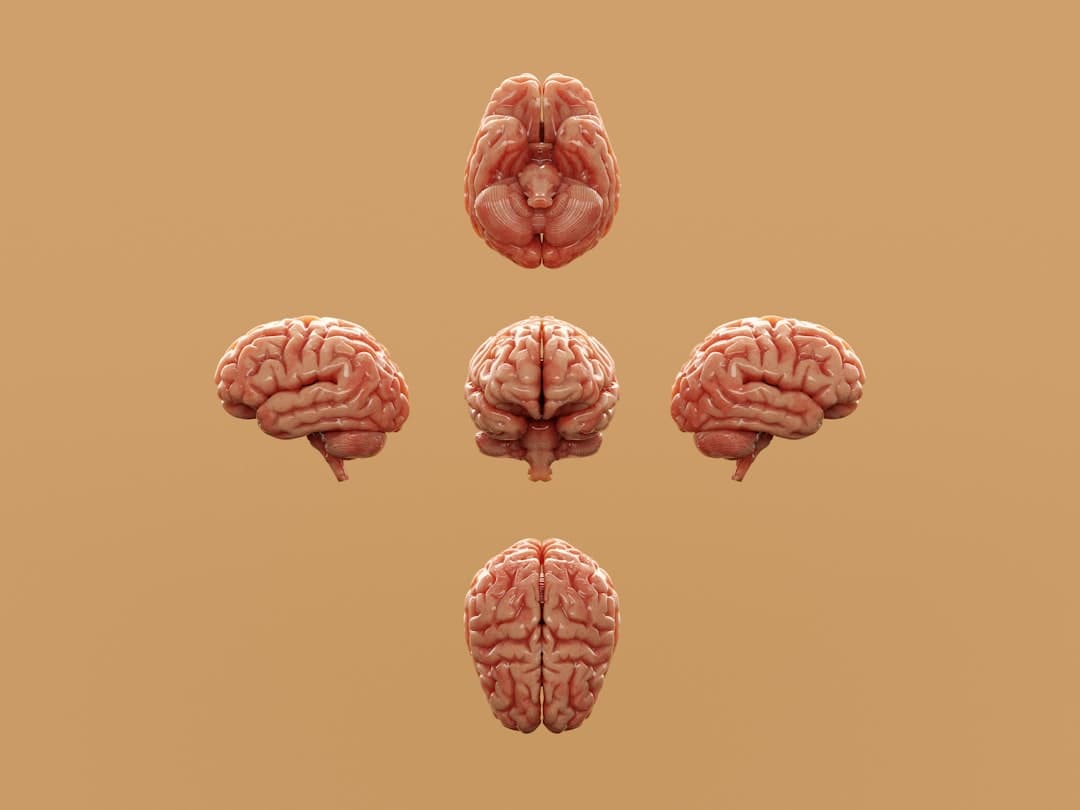
Brain: The argument is that cognition, mood, and neurodegenerative conditions often involve bioenergetic strain, including mitochondrial inefficiency. Creatine is presented as a tool that may support energy availability in the brain, especially when demand is high or sleep is low.
Eyes (retina): Photoreceptors are described as energetically demanding. While most people think about eye health through the lens of lutein, zeaxanthin, or omega-3s, the video makes the case that cellular energy support belongs in the conversation too.
Ears (inner ear cilia): Hearing depends on tiny cellular structures that require energy to function. This is a less common point in mainstream supplement talk, and it is part of what makes the video’s framing distinctive.
Heart muscle: The heart is always working, and it is packed with mitochondria. The discussion includes heart muscle in the “high energy demand” category where creatine’s buffering role may matter.
Placenta: The placenta is highlighted as a tissue where energy production is critical for growth and function. This is not a typical creatine talking point, but it is central to the video’s “creatine is for everyone” message.
Important: Pregnancy, breastfeeding, kidney disease, and any complex medical condition are situations where you should discuss supplements with a clinician who knows your history. Even when a supplement is generally considered safe, your individual context matters.
Creatine and mitochondria: “stimulated respiration” and indirect antioxidant effects
A major theme is that creatine is not just a “muscle pump” supplement.
It is framed as a mitochondrial nutrient, meaning it supports the cellular machinery that turns oxygen and food into energy.
The discussion references a scientific concept called creatine-stimulated respiration, described as dependent on mitochondrial creatine kinase. In practical terms, this view suggests that creatine availability can make mitochondrial energy production more efficient in certain contexts.
This is where the “indirect antioxidant” claim comes in.
Instead of acting like a classic antioxidant that directly neutralizes free radicals (like vitamin C or vitamin E), the video’s argument is that creatine may reduce oxidative stress indirectly by improving mitochondrial efficiency. When mitochondria run poorly, they can produce more reactive byproducts. Supporting energy flow can, in theory, reduce that strain.
For readers who want a broader safety and efficacy overview, the International Society of Sports Nutrition position stand on creatine monohydrate summarizes decades of research on performance benefits and safety in healthy individuals, including long-term use, in a highly cited consensus document: ISSN position stand: creatine supplementation and exerciseTrusted Source.
That position stand is not identical to the video’s “brain, eyes, ears, placenta” emphasis, but it supports the baseline idea that creatine monohydrate is well-studied and widely used.
Option A vs Option B: creatine for workouts vs creatine for cognition
Creatine has two overlapping identities.
And confusing them leads to dosing confusion.
Option A: The classic “gym” use
Option A is performance support for resistance training, sprint work, and repeated high-intensity efforts. This is the most established area, and it is why creatine is often called one of the most evidence-backed sports supplements. The primary outcome is not “more muscle overnight,” it is often more training capacity, which can support strength and hypertrophy over time.
What the research shows: Creatine monohydrate supplementation is consistently associated with improved high-intensity exercise performance and gains in strength and lean mass when paired with resistance training in many populations, as summarized in the ISSN creatine position standTrusted Source.
Option B: The “life performance” use
Option B is the video’s signature emphasis. It connects creatine to brain energy, sleep deprivation, jet lag, mood, and aging.
The speaker describes using 20 grams before a high-stakes presentation after a red-eye flight, and feeling like his brain was “on.” That is not presented as a daily requirement. It is presented as a situational tool when sleep loss is unavoidable.
This is also where the video mentions small studies and pilot data in areas like depression and Alzheimer’s disease, with higher doses like 10 grams per day for 8 weeks in one context, and 20 grams per day for 12 weeks in another. These are not do-it-yourself treatment protocols, and they are not substitutes for medical care. But they illustrate the video’s broader point: the brain is an energy organ, and creatine is an energy nutrient.
If you want a research-grounded overview of creatine’s potential cognitive effects, a systematic review and meta-analysis suggests creatine supplementation may improve aspects of memory, especially under stressors like sleep deprivation, although results vary by population and outcome: Effects of creatine supplementation on cognitive functionTrusted Source.
How to use creatine in real life: dosing, timing, and the electrolyte angle
This is where most people want clear instructions.
The video offers a practical framework that separates loading, maintenance, and situational higher dosing.
A simple dosing framework from the video
Loading phase (optional)
Maintenance phase (common)
Supraphysiologic, short-term dosing (situational)
A mainstream approach consistent with many sports nutrition guidelines is 3 to 5 g/day for maintenance, with an optional loading phase of about 20 g/day split into doses for 5 to 7 days. The ISSN position standTrusted Source discusses these protocols and practical considerations.
Why electrolytes are emphasized here
One of the most distinctive practical claims in the video is that electrolytes may matter more than sugar for creatine uptake.
Back in the late 1990s, the speaker describes taking creatine paired with dextrose, using a ratio of roughly 4 parts dextrose to 1 part creatine, which could mean large daily sugar intake during loading. The updated framing is that creatine needs a transporter (often discussed as the creatine transporter, sometimes abbreviated CRT), and that sodium, magnesium, and calcium may support transport and cellular hydration.
This is not presented as “electrolytes replace creatine.” It is presented as synergy. Creatine is also described as osmologically active (on first use, osmologically active), meaning it can draw water into muscle tissue, which is part of why some people notice scale weight changes.
Practical ways to apply the electrolyte angle
Pro Tip: If creatine upsets your stomach, try splitting your daily dose (for example, 2.5 g twice daily) and using a micronized powder mixed thoroughly in enough liquid.
Creatine across life stages: kids, women, and adults over 65
The video pushes back on the idea that creatine is only for young men.
It highlights three groups that are often left out of the conversation: children and adolescents, women, and older adults.
Kids and adolescents
The argument here is energetic demand. Growth, neurodevelopment, and activity all require energy. The discussion also mentions rare genetic conditions called cerebral creatine deficiency syndromes, which involve problems with creatine transport or synthesis and are associated with significant neurological issues. The point is not that typical kids have these syndromes, but that these conditions demonstrate how important creatine is for the brain when it is missing.
If you are considering creatine for a child or teen athlete, it is wise to involve a pediatric clinician and a sports dietitian, especially to confirm that basics like calories, protein, sleep, and overall training load are appropriate.
Women: from menstruation to pregnancy to menopause
A key message is that women may benefit from creatine for more than gym performance, including cellular energy, hydration, mood, and potentially bone-related outcomes.
The video suggests women can use the same basic protocol: an optional 20 g/day for 1 week loading phase, then 3 to 5 g/day maintenance.
Research interest in creatine and women’s health has grown, and reviews discuss potential applications across the lifespan, while also emphasizing that more female-specific research is needed for certain outcomes: Creatine supplementation in women’s healthTrusted Source.
Adults over 65 and healthy aging
Strength is framed as a vital sign.
The discussion highlights that aging is often associated with reduced mitochondrial efficiency and increased insulin resistance. In that context, creatine plus resistance training is presented as a practical combination to support physical function and possibly cognitive health.
A review focused on aging discusses how creatine supplementation with resistance training can improve strength and functional outcomes in older adults: Creatine supplementation and agingTrusted Source.
Sleep loss, jet lag, and high-stakes days: a practical playbook
Sleep deprivation can impair working memory, processing speed, and word retrieval.
That is not a character flaw. It is biology.
The video highlights a study design where participants were sleep-deprived and given 20 grams of creatine, with findings suggesting creatine helped offset some cognitive performance declines during sleep loss. The key takeaway is not “use creatine instead of sleep.” It is that creatine may be a useful support when sleep loss is unavoidable.
How to build a “sleep loss buffer” routine
This is a practical, action-oriented way to apply the video’s ideas without turning them into medical claims.
Keep a baseline maintenance dose
Use higher dosing strategically, not constantly
Pair with hydration and electrolytes
Still protect sleep when you can
»MORE: If you want a simple tracking sheet, create a one-page “travel performance checklist” that includes creatine dose, electrolyte plan, flight hydration, caffeine cutoff time, and a post-flight daylight walk.
Expert Q&A
Q: Should I take 20 grams of creatine every day for brain benefits?
A: For most healthy adults, daily maintenance dosing is commonly in the 3 to 5 grams per day range, and higher doses are often used short-term or in research settings. The video frames 10 to 20 grams as a situational tool for sleep deprivation or jet lag, not a default routine.
If you are considering higher dosing for mood or cognition, it is smart to discuss it with a clinician, especially if you have kidney disease, take nephrotoxic medications, are pregnant, or have complex health conditions.
Jordan Glenn, MS, RD (Sports Dietitian)
Common concerns: hair loss, kidneys, water retention, and product quality
Creatine has a reputation problem.
The video spends time addressing three fears: hair loss, kidney damage, and “bad water weight.”
Does creatine cause hair loss?
The discussion points to a newer randomized controlled trial described as finding no objective harm to hair follicle health over 12 weeks, and even hints at potential improvement in some measures.
Historically, the hair loss concern largely came from a small study in rugby players that found increased DHT after creatine loading, and DHT is associated with androgen-sensitive hair loss in genetically susceptible individuals. The video’s interpretation is that the DHT change may have been driven by training intensity and other factors, not creatine itself.
If hair loss is a major concern for you, the practical approach is to monitor your shedding, consider family history, and talk with a dermatologist. It may also help to avoid mega-dosing unless you have a specific reason.
Does creatine harm the kidneys?
This is where nuance matters.
The video argues that creatine itself is unlikely to harm kidney function in healthy people, and it points out that fear partly stems from a case report and from confusion about serum creatinine. Creatinine is a breakdown product related to creatine metabolism, and it is used as a kidney marker. Supplementing creatine can sometimes raise serum creatinine slightly without indicating true kidney damage, but interpretation depends on the full clinical picture.
A large body of research in healthy populations has not found evidence that creatine monohydrate causes kidney damage when used at recommended doses, as summarized in the ISSN position standTrusted Source.
Important: If you have known kidney disease, unexplained elevated creatinine, diabetes-related kidney complications, or you take medications that affect kidney function, get medical guidance before using creatine.
Water retention, bloating, and GI issues
Some water gain can happen.
The video frames this as part of creatine’s osmotic behavior, pulling water into muscle cells. For athletes, that may be a feature, not a bug, because cellular hydration can support training. For others, it may feel uncomfortable.
To reduce side effects:
Product quality: the overlooked variable
Not all creatine is equal in purity.
The video strongly emphasizes sourcing and third-party testing, arguing that low-quality manufacturing and contamination risk are real issues in the supplement market. It also raises the concern that some products may contain higher creatinine contamination, which could complicate lab markers and potentially stress the kidneys.
Even if you do not buy from the speaker’s company, the practical takeaway is to look for:
Expert Q&A
Q: If my blood test shows higher creatinine while taking creatine, does that mean my kidneys are failing?
A: Not necessarily. Creatinine is influenced by muscle mass, hydration, diet, and creatine intake, and a mild increase can occur without true kidney damage. A clinician usually interprets creatinine alongside eGFR, urine studies, medications, and your overall health.
If you see a change after starting creatine, bring your supplement label to your appointment and ask whether you should pause before repeat labs.
Alyssa Patel, MD (Internal Medicine)
Key Takeaways
Frequently Asked Questions
- Is creatine only useful for muscle building?
- This video’s perspective is that creatine supports cellular energy in multiple high-demand tissues, including brain, retina, and inner ear cells, not just skeletal muscle. Muscle benefits may be one outcome of better ATP buffering during training.
- How much creatine should I take per day?
- The video suggests an optional loading phase of 20 g/day for about 1 week, followed by a maintenance dose of 2.5 to 5 g/day for most people. Some people use 10 to 20 g/day short-term for jet lag or sleep deprivation, ideally with clinician input.
- Do I need sugar to absorb creatine?
- The video argues that electrolytes like sodium, magnesium, and calcium may be more important than large sugar doses for creatine transport and utilization. Many people do fine taking creatine with a normal meal and adequate fluids.
- Does creatine cause hair loss?
- The video highlights a recent randomized trial described as finding no objective harm to hair follicle health over 12 weeks. If you are concerned due to family history or shedding changes, consider discussing it with a dermatologist.
- Is creatine safe for older adults?
- The discussion emphasizes creatine plus resistance training for healthy aging, strength, and possibly cognitive support. Many reviews and consensus statements consider creatine monohydrate well-studied in healthy adults, but older adults should still check with a clinician if they have kidney disease or take multiple medications.
Get Evidence-Based Health Tips
Join readers getting weekly insights on health, nutrition, and wellness. No spam, ever.
No spam. Unsubscribe anytime.