Low Muscle Mass and Early Death Risk, What to Do

Summary
Most people think “health” means doing more cardio and getting leaner. This video flips the focus, low muscle mass may be one of the strongest predictors of earlier death, including cardiovascular related mortality. Using large US (NHANES) and South Korean (K-NHANES) datasets, the discussed study links low muscle mass with higher major adverse cardiovascular event mortality, and even higher risk when paired with insulin resistance. The practical takeaway is action-oriented, train all major muscle groups with enough weekly sets, use mostly compound lifts, aim for challenging rep ranges, and support training with adequate protein and sensible supplementation.
🎯 Key Takeaways
- ✓Low muscle mass (sarcopenia) is framed here as an overlooked “vitality marker,” not just a fitness goal.
- ✓In the discussed multi-national analysis, low muscle mass was associated with higher cardiovascular related mortality risk, even in adults under 65.
- ✓The combination of low muscle mass plus insulin resistance was highlighted as the highest risk category for all-cause and cardiovascular related mortality.
- ✓This perspective emphasizes that endurance-only routines and low-protein eating patterns can unintentionally neglect muscle, especially with aging.
- ✓A practical minimum target presented is about 4 weekly sets per muscle group, prioritizing compound movements and progressive overload.
Most people chase “health” by doing more cardio and trying to shrink their body.
This video argues that approach can miss a major predictor of early death: low skeletal muscle mass.
The unique angle is not “cardio is bad.” It is that a cardio-only identity, plus low protein intake and no structured resistance training, can quietly push people toward sarcopenia (low muscle mass), and that may matter for longevity as much as, or more than, the things we talk about every day.
What most people get wrong, cardio-only “health”
A common misconception is that if you run, sweat, and keep your weight down, you have “checked the health box.”
This framing challenges that. The discussion highlights a pattern the speaker sees in real life: people who run “all the time,” do not eat enough protein, and do not prioritize muscle. Over time, that can look like being active while still drifting toward lower muscle reserves.
Another cultural blind spot is being “monomaniacally” focused on body fat alone. Yes, excess body fat can be harmful, but the argument here is that muscle is an objective marker of vitality, and it is routinely under-measured and under-trained.
To make it concrete, the video shares a client story: a woman with a sedentary job who gained about 70 pounds of fat over 15 years and had a very high C-reactive protein (CRP) level (the speaker cites 11). The practical plan was not extreme. It was a steady target of about 1 pound of fat loss per week, paired with strength training, daily steps, and cutting back on processed sugars and refined carbs.
The bigger point is behavioral, not just physiological. The speaker emphasizes identity change, shifting from “I grab candy at 3 pm” to “I go to the gym,” and attaching the goal to something bigger, like being healthy enough to support family.
Pro Tip: If the snack room gets you between 3 pm and 5 pm, decide in advance what you do instead. A 10 minute walk, a protein snack you brought, or a planned gym session can turn a daily temptation into a repeatable routine.
The video’s core claim, muscle predicts survival
The central message is straightforward: skeletal muscle is not just for performance or aesthetics. It may be strongly linked to the risk of major cardiovascular events and death.
The video discusses a new analysis using large population datasets from the United States and South Korea, including NHANES and K-NHANES, totaling more than 22,000 people. It is presented as the first multi-nationwide population-based study of its kind to associate low muscle mass with all-cause mortality and cardiovascular specific mortality.
A key visual described is a survival curve over time, where the group with low muscle mass had the lowest survival.
What the research shows: In the analysis discussed, low muscle mass was described as an independent risk factor for all-cause mortality and major adverse cardiovascular event related mortality.
One of the most attention-grabbing details is that the elevated risk was not limited to older adults. Even in adults under 65, low muscle mass was linked with substantially higher cardiovascular related mortality risk, described as 4.6 times higher in the US cohort and 3.1 times higher in the Korean cohort, compared with normal muscle mass.
That does not mean muscle mass “causes” longer life by itself, because observational research cannot fully prove causality. But it does support the video’s practical stance: if you want to play the long game, you do not treat muscle as optional.
For background context, cardiovascular disease remains a leading cause of death globally. You can review general cardiovascular mortality context from the World Health OrganizationTrusted Source.
Sarcopenia, why aging changes the stakes
The video repeatedly returns to one word: sarcopenia.
Sarcopenia means low muscle mass (often paired with reduced strength and function). The speaker emphasizes that people over 65 are especially susceptible, and that early detection and intervention matter both before and after that age threshold.
This perspective also pushes back on a common “health optimization” narrative that centers almost exclusively on heart rate zones, Zone 2, and VO2 max. Aerobic fitness is valuable, and the speaker even notes a personal goal of improving VO2 max yearly, but the argument is “and,” not “or.” Maintain or build muscle at the same time.
Why does aging change the stakes?
Because muscle is not just tissue you flex. It is metabolically active, it supports balance and mobility, and it can be a buffer against frailty. Age-related muscle loss is widely recognized in geriatric and sports medicine literature. For an overview of sarcopenia concepts, diagnostic approaches, and why it matters, see the National Institute on AgingTrusted Source (strength training guidance) and broader clinical summaries such as Cleveland Clinic’s sarcopenia overviewTrusted Source.
A subtle but important point in the video is that the “danger zone” is not only late life. If you are 40, 50, or early 60s and you are losing muscle while staying scale-stable, the scale may hide the trend.
Did you know? In large surveys like NHANESTrusted Source, researchers can relate body composition patterns to long-term health outcomes, which is one reason these datasets are often used to study aging, metabolic health, and mortality.
Why low muscle may track with hypertension and heart risk
The video highlights a relationship many people do not think about: low muscle mass and higher blood pressure.
In the discussed analysis, the prevalence of hypertension was described as significantly higher in people with low muscle mass, roughly 40% higher. The speaker notes we cannot be sure about direction of causality. People with low muscle may exercise less, and less exercise can contribute to higher blood pressure. Or other factors might be involved.
Still, the practical implication is hard to ignore. High blood pressure is a major independent risk factor for future cardiovascular events. The American Heart AssociationTrusted Source explains why hypertension matters and how it is typically evaluated.
A practical monitoring idea from the video
A very “action” oriented part of the discussion is home measurement. The speaker mentions using a home blood pressure cuff and tracking morning readings for better data.
You do not need a specific brand to apply the principle. What matters is proper technique and consistency.
If you measure at home, consider these basics, aligned with common clinical advice:
Short version: muscle building is not a substitute for medical care, but better muscle health may travel with better cardiovascular risk profiles.
Muscle and insulin resistance, the “compounded risk” idea
One of the video’s most distinctive concepts is the “compounded risk” category.
The analysis discussed found that the group with both low muscle mass and insulin resistance had the highest risk of all-cause mortality and major adverse cardiovascular event related mortality in both the US and Korea.
This matters because it encourages a more complete view of metabolic health. It is not only about body weight. It is also about what your body is made of, and how your tissues handle glucose.
Mechanistically, the video mentions several factors that may be more common in sarcopenic muscle and could contribute to insulin resistance, including:
The speaker also cites specific relative risk figures: muscle mass was described as positively associated with insulin resistance, increasing risk by about 1.9 times in the US cohort and 1.7 times in the Korean cohort, and the association remained significant even when body weight was included in multivariate analysis.
For readers wanting a trusted primer on insulin resistance and why it matters, see the National Institute of Diabetes and Digestive and Kidney Diseases (NIDDK)Trusted Source.
Important: If you have known diabetes, prediabetes, hypertension, kidney disease, heart disease, or you take medications that affect blood pressure or blood sugar, it is wise to discuss major diet and exercise changes with your clinician. Exercise is generally beneficial, but individualized guidance can improve safety.
Q: If I am “skinny,” do I still need to worry about low muscle and insulin resistance?
A: Yes, it can still be relevant. Some people have normal weight but relatively low muscle mass and higher visceral or ectopic fat, and that pattern may be associated with metabolic risk. A clinician can help interpret labs and, if needed, consider body composition assessment.
Health Educator, MS (Medically cautious health writer)
A simple training blueprint, minimum effective dose
The most actionable part of the video is the training framework.
It is not presented as a complicated bodybuilding split. It is closer to a minimum effective dose for maintaining and building muscle across the whole body.
The “4 weekly sets per muscle group” minimum
A core recommendation shown on the speaker’s slide is a minimum of four weekly sets per muscle group.
That is a useful anchor because it helps people who are inconsistent, or who only do “a little bit of weights,” understand what “enough to matter” might look like.
Here is how the video breaks it down using big movement patterns, focusing on compound lifts (multi-joint exercises):
The argument is also about efficiency. If time is tight, compound movements can cover more muscle with fewer exercises than doing many isolation movements.
»MORE: If you want a simple “4 sets per muscle group” tracker, create a weekly checklist with five lines: press, pull, squat, hinge, carry. Each time you do a hard set, mark it. The goal is consistency, not perfection.
Sets, reps, and effort, what “hard enough” means
The rep guidance in the video centers on 6 to 15 reps for most sets.
The speaker also gives an effort cue: the set should not be so easy that you could do 20 reps. You should start to really struggle around rep 8 to 12, depending on the exercise and where you are in your progressive overload cycle.
Higher reps (for example 15 to 40) can still build muscle if you take sets close to failure, and the video mentions blood flow restriction training as one context where higher reps may be used. But the overall preference expressed is that lower to moderate rep ranges are generally a solid, “healthy” default.
A practical way to apply this without overthinking is:
For general resistance training guidance consistent with public health recommendations, see the Physical Activity Guidelines for AmericansTrusted Source.
CrossFit, a nuanced take
The video gives a balanced view of CrossFit. The appeal is clear: you can combine cardio and resistance training with minimal rest. But there is a caution, do not jump into high-skill Olympic lifts (clean, snatch) without learning technique.
That nuance is part of what makes this perspective feel practical. The goal is not to pick a fitness “tribe,” it is to build muscle safely and consistently.
Q: Do I need to lift 3 to 4 days per week to benefit, or is less still worthwhile?
A: Less can still help, especially if you are currently doing none. The video’s framework suggests a minimum weekly set target per muscle group, and you can distribute those sets across 2, 3, or 4 days depending on your schedule and recovery. If you have pain, injuries, or medical conditions, a physical therapist or qualified coach can help you modify exercises.
Health Educator, MS (Medically cautious health writer)
Creatine, electrolytes, and realistic supplement expectations
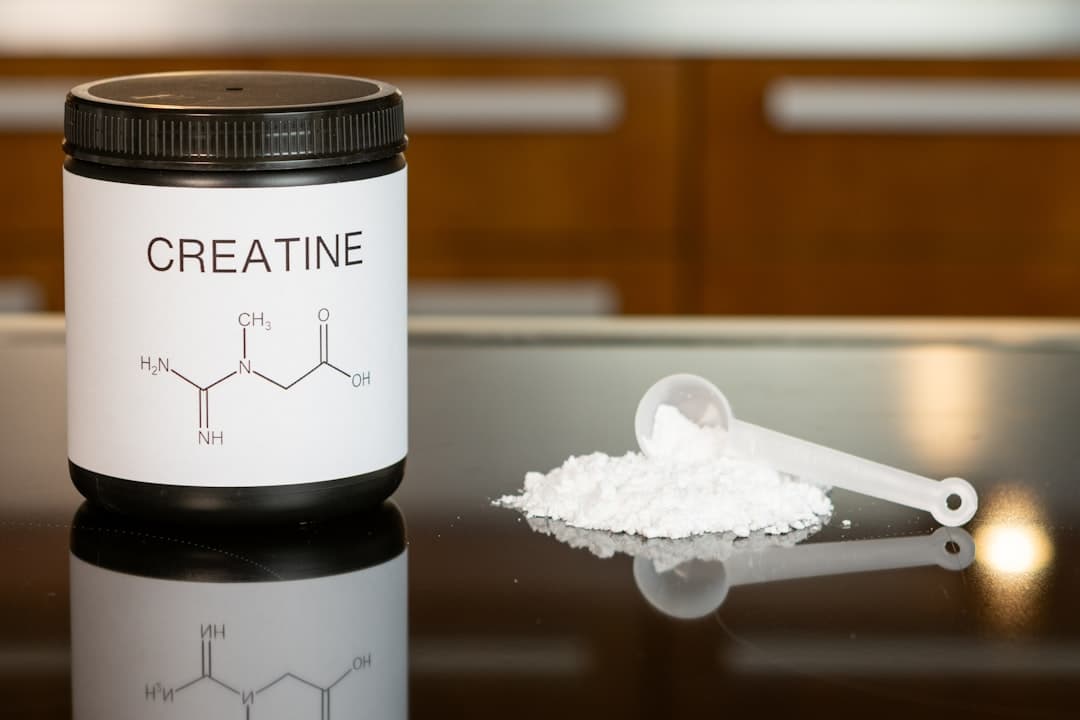
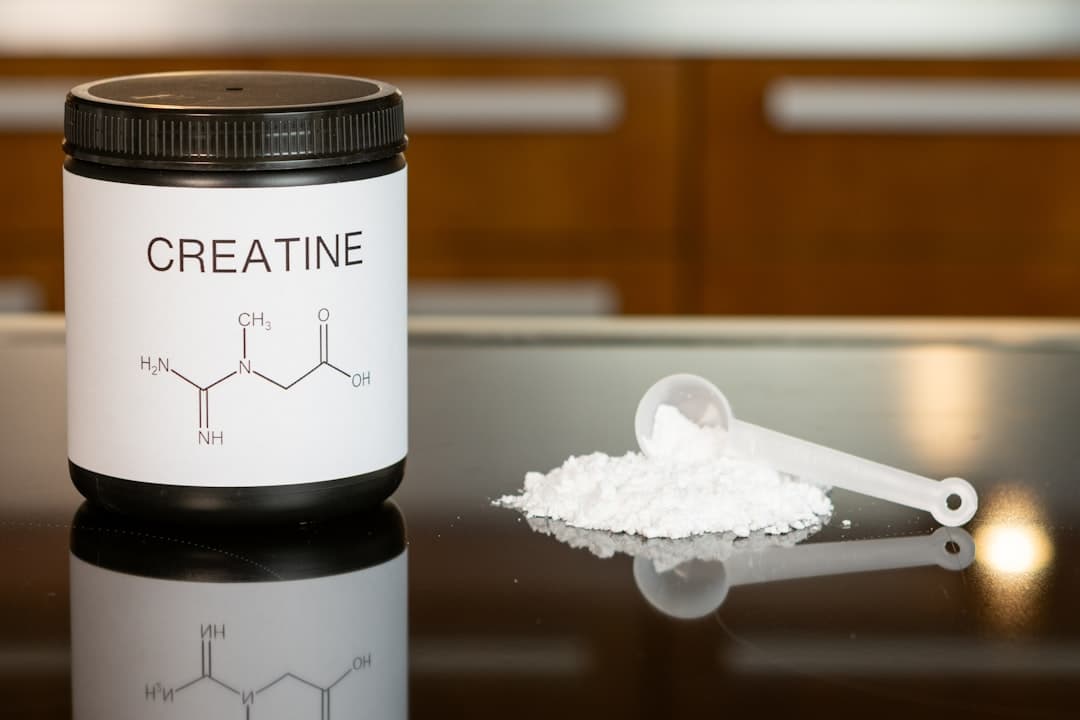
The video includes a supplement segment focused on creatine, with a specific claim: creatine uptake into muscle depends on electrolytes, and pairing creatine with electrolytes around training may support absorption. It also states that when you move your muscles you absorb about 25% more creatine into muscle.
Creatine is one of the most studied performance supplements. Research generally suggests creatine monohydrate can improve strength and high-intensity exercise capacity, and it may help support gains in lean mass when combined with resistance training. For an evidence-based overview, see the International Society of Sports Nutrition position stand on creatineTrusted Source.
A few practical, medically cautious points to keep expectations realistic:
If you have kidney disease, are pregnant, or take medications that affect fluid balance or kidney function, it is especially important to check with your clinician before starting creatine or high-electrolyte products.
Key Takeaways
Frequently Asked Questions
- Is low muscle mass really more important than body fat for health?
- Both can matter. This video’s unique emphasis is that muscle is often neglected while people focus only on fat loss, and low muscle mass may be strongly linked with cardiovascular and all-cause mortality risk in large population data.
- How many days per week should I lift to prevent age-related muscle loss?
- The video highlights a minimum target of about four weekly sets per muscle group, which can be spread across 2 to 4 days. The best schedule is the one you can do consistently with good form and recovery.
- Do I have to train to failure to build muscle?
- Not necessarily. The video suggests your sets should feel challenging, with struggle around roughly rep 8 to 12 for many movements, but most people can build muscle without hitting absolute failure on every set.
- Can creatine help if I am older or new to lifting?
- Creatine is well-studied and may support strength and lean mass gains when paired with resistance training. If you have medical conditions, especially kidney disease or fluid balance issues, discuss supplement use with a clinician first.
Get Evidence-Based Health Tips
Join readers getting weekly insights on health, nutrition, and wellness. No spam, ever.
No spam. Unsubscribe anytime.