Beat Weight Loss Resistance After 40: A Simple Plan

Summary
If fat loss feels harder after 40, this video’s core message is to stop chasing smaller numbers and start building a muscle-first metabolism. The blueprint is simple but not easy: eat by the plate (protein first, then non-starchy veggies, then smart fats and slow carbs) and by the clock (eat earlier, stop 2 to 4 hours before bed, avoid snacking). Pair that with daily steps, consistent resistance training, and true HIIT only twice weekly. Finally, protect sleep and manage stress, because cortisol and poor recovery can undermine everything. Track your food, steps, sleep, and body composition, then change one big rock at a time.
🎯 Key Takeaways
- ✓Prioritize a muscle-first metabolism: protein first at meals, then vegetables, then fats and slow carbs.
- ✓Use the plate and the clock together: eat 1 to 3 hours after waking, stop 2 to 4 hours before bed, and aim for an 8 to 12 hour eating window.
- ✓NEAT (daily movement and steps) is the first movement priority, then resistance training, then HIIT twice weekly.
- ✓If HIIT is truly high intensity, you cannot do it every day, recovery is part of the method.
- ✓Sleep, stress, hormones, gut health, and toxin exposure can quietly drive weight loss resistance, address them without trying to fix everything at once.
- ✓Measure what you are doing (macros, steps, sleep, body composition) so you can adjust based on data, not guesses.
If you feel like you are doing “all the right things” but fat loss after 40 still will not budge, the most important takeaway from this finale episode is refreshingly practical: stop treating weight loss like a willpower problem and start treating it like a system problem.
This blueprint centers on a muscle-first metabolism, a simple way to eat (by the plate and the clock), a weekly movement hierarchy that starts with steps, and recovery work that protects hormones and stress biology. It is designed to be implemented today, without turning your life into a full-time job.
Pro Tip: If you only do one thing this week, track protein accurately for 7 days using a food scale. “Eyeballing” is where most plans quietly fail.
Start here: the “muscle-first metabolism” fix for after 40
This perspective highlights a common frustration: after 40, fat loss can feel like pushing a snowball up a hill. The proposed solution is not more restriction, it is a stronger metabolic foundation built around muscle.
Muscle matters because it is metabolically active tissue, it supports functional strength, and it is closely tied to insulin sensitivity. If you have been relying mostly on cardio and dieting, this plan flips the priority: build and protect lean mass first, then fat loss tends to follow.
Another key framing is psychological and practical. The speaker emphasizes that trying to overhaul everything at once can backfire by raising stress and cortisol. Instead, the goal is to create a repeatable system, then make it slightly better over time.
Did you know? Many adults in the US do not meet the federal aerobic and muscle-strengthening activity guidelines. CDC surveillance suggests only about 1 in 4 adults meet both types of guidelines in a typical week (CDC data briefTrusted Source). That gap matters because resistance training is a core lever in this after-40 blueprint.
Eat by the plate: protein first, then build the rest
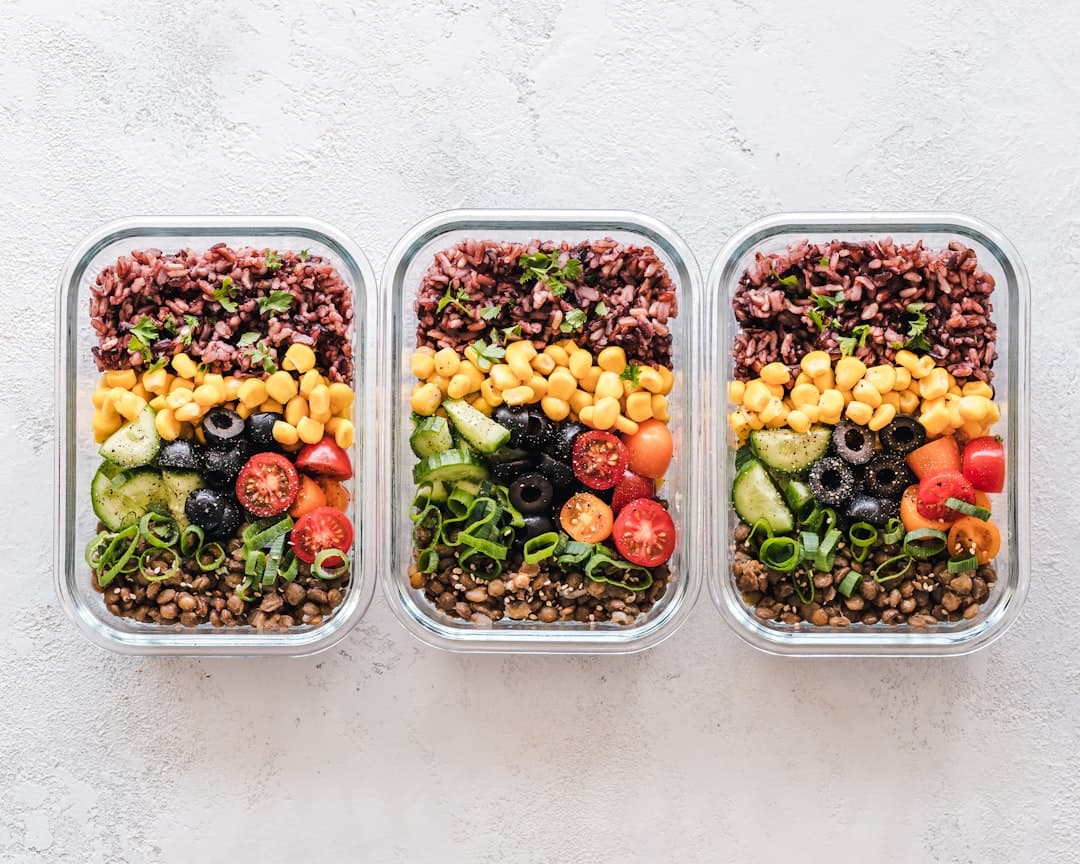
The “plate” approach is not a trendy food list. It is an order of operations designed to make meals more filling, more blood-sugar friendly, and easier to repeat.
Eat protein first.
Then add non-starchy vegetables, followed by healthy fats and slow, low carbs. The exact amounts of fats and carbs can flex based on how you feel and how hard you train, but the order stays consistent.
Protein targets the way the video teaches them
The protein prescription is specific: aim for 0.7 to 1.0 grams of protein per pound of target body weight, which often lands around 30 to 50 grams per meal for many people. The stated bare minimum is 100 grams per day.
That is a meaningful target, and it is also one of the easiest places to be unintentionally off. Portions can look “high protein” but come up short when measured.
What the research shows: Higher-protein eating patterns can support fat loss and satiety, especially when paired with resistance training. Reviews note protein’s role in preserving lean mass during weight loss and helping people feel fuller (American Journal of Clinical Nutrition reviewTrusted Source).
Vegetables, fats, and the “no high-carb plus high-fat” rule
After protein, the plan prioritizes non-starchy vegetables in many colors, leafy greens, broccoli, cauliflower, peppers, onions, and more. This is where fiber, micronutrients, and volume come in.
Then come fats, but with a warning that feels very lived-in: fat adds up fast when you track it. Whole-food fats like avocado, nuts, and seeds are emphasized, along with cooking fats like extra virgin olive oil and ghee.
Carbs are treated as a tool, not a moral issue. A practical rule is repeated: fuel carbs for what your muscles need.
The plan also calls out a common trap: high carb plus high fat tends to mirror ultra-processed eating patterns, which can make it easier to overshoot calories without feeling satisfied.
Important: If you have diabetes, prediabetes, a history of disordered eating, or you take medications that affect blood sugar, talk with a clinician before making major changes to meal timing or carbohydrate intake.
Eat by the clock: timing rules that support blood sugar and sleep
The “clock” part is meant to reduce grazing and support appetite regulation. It is also framed as a way to align eating with sleep and insulin rhythms.
Eat about 1 to 3 hours after waking.
Stop eating 2 to 4 hours before bed.
Between those bookends, aim to eat every 3 to 5 hours, often closer to 4 to 5, and try not to snack.
A simple day template you can copy
This is the kind of structure the speaker lays out because it removes decision fatigue.
This approach often lands you in an 8 to 12 hour eating window, with 12 hours as the absolute max in this plan.
Resource callout: »MORE: Create a one-page “plate and clock” checklist for your fridge. Include your protein target, your eating window, and your planned training days so you do not have to rethink it daily.
The bedtime caveat: a small protein-only option
The video makes a nuanced point. While the preference is not to eat close to bedtime, there is a caveat: if you are truly hungry and you did not get your protein in, a small protein-only snack before bed is presented as unlikely to “hijack” progress for most people.
This is especially positioned as a travel workaround.
If you find that late-night hunger is frequent, it can also be a signal to audit your earlier meals. Often, the fix is not more willpower, it is more protein and fiber at breakfast and lunch.
Sleep timing matters too. Research suggests that shorter sleep is linked with higher obesity risk and can influence hunger hormones and food choices (NHLBI sleep deprivation overviewTrusted Source).
Weekly movement blueprint: NEAT, strength, HIIT, and zone 2
This plan’s movement hierarchy is clear and action-oriented. It is not “do everything, every day.” It is priorities.
Priority 1: NEAT. Priority 2: resistance training. Priority 3: HIIT. Then add yoga and zone 2 as bonuses.
NEAT refers to non-exercise activity thermogenesis, basically the calories you burn from daily movement like walking, standing, and fidgeting. The point is that NEAT can quietly add up.
Daily baseline: steps first
The daily target is at least 8,000 steps. More is better.
There is also an optional tactic: using a weight vest to increase the challenge and energy cost of walking, if it is comfortable and safe for you.
Quick Tip: If 8,000 steps feels impossible, start with your current average and add 500 steps per day for one week. Small increases are easier to sustain.
Resistance training: 2 to 3 times per week per body part
The resistance training prescription is specific: hit each major pattern at least twice weekly, up to three times weekly.
The patterns named are:
Rep ranges are suggested at roughly 6 to 15 reps, for multiple sets. Lower reps skew toward strength, higher reps can still build muscle and may feel safer if heavy lifting is intimidating.
What matters most is consistency and progressive challenge, within good form.
Research supports resistance training for improving strength and physical function with age, and it can support body composition changes when paired with adequate protein (ACSM position standTrusted Source).
HIIT twice per week, and “if it’s real HIIT, you can’t do it daily”
The speaker is blunt here: if you are doing HIIT correctly, you cannot do it every day because it is too taxing.
That is an important reframe for people who pride themselves on grinding harder and harder. In this blueprint, recovery is part of the program, not a reward.
A few HIIT formats are offered:
Important: If you have heart disease, uncontrolled high blood pressure, chest pain with exertion, or you are new to exercise, get medical clearance before HIIT. High-intensity training can be safe for many people, but it should be individualized.
A sample week, exactly in the spirit of the video
This is one way the episode suggests putting it all together.
Zone 2 is described in plain language: you can talk, but it is mildly challenging.
Recovery is not optional: sleep, stress, and hormones
This pillar is where many people lose progress without realizing it. You can train hard and eat well, but if recovery is broken, fat loss can stall.
Sleep: protect 7 to 9 hours
The sleep target is 7 to 9 hours per night.
Screens off, evening routine dialed, and consistent habits even when traveling. Caffeine timing is individualized, with the point that some people metabolize caffeine slowly and may need to cut it earlier.
Sleep supports appetite regulation, workout recovery, and stress resilience. The CDC notes that adults generally need at least 7 hours of sleep per night for health (CDC sleep recommendationsTrusted Source).
Q: If I can only fix one thing, should it be sleep or exercise?
A: If sleep is consistently short, improving it often makes everything else easier, including cravings, training quality, and stress tolerance. A practical approach is to keep movement simple (daily steps and 2 to 3 strength sessions weekly) while you work toward a reliable 7 to 9 hours.
If you have loud snoring, gasping, or extreme daytime sleepiness, ask a clinician about screening for obstructive sleep apnea, since untreated sleep disorders can sabotage energy and weight management.
Health Educator, MS
Stress and cortisol: the “hidden fat loss tax”
Chronic stress is framed as metabolically costly. The discussion emphasizes that chronically elevated cortisol can contribute to muscle breakdown, more central fat storage, and inflammatory gut issues.
The strategy is not complicated, but it is deeply personal: build routines that bring your nervous system down.
This is also where the “progress over perfection” theme becomes practical. Consistency beats intensity.
Hormones: get tested if symptoms suggest a problem
The plan encourages people in perimenopause or menopause transitions, or those with possible thyroid issues, to seek a clinician who can evaluate hormones appropriately.
That is not a promise that hormones are the only issue. It is a reminder that if you have persistent symptoms, fatigue, cold intolerance, hair changes, menstrual changes, or unexplained weight shifts, it is reasonable to ask for a medical evaluation.
Q: How do I know if hormones are affecting my weight loss after 40?
A: Hormones may be part of the picture if weight changes come with other noticeable shifts, like new sleep disruption, hot flashes, mood changes, irregular cycles, or persistent fatigue. A clinician can help you decide which labs and assessments make sense, and whether thyroid function, menopause transition, or medications might be contributing.
Health Educator, MS
The behind-the-scenes “blockers”: gut issues, toxins, and troubleshooting
This section is about factors that can “mess everything up” even when you are doing the basics.
Gut health is raised as a potential contributor, including food intolerances and microbiome imbalances. The episode mentions approaches like an elimination-style reset (the “Virgin Diet” is referenced) and testing options.
Toxin exposure is treated as a modern reality. The practical emphasis is on supporting the body’s natural elimination routes rather than chasing perfection.
Research suggests sauna bathing may be associated with cardiovascular benefits in observational studies, although it is not a substitute for medical care and does not “detox” in a magical way (Mayo Clinic on sauna benefits and safetyTrusted Source).
Important: Sauna and hot baths can cause lightheadedness and dehydration. If you are pregnant, have low blood pressure, heart conditions, or take medications that affect blood pressure, ask a clinician what is safe for you.
Measure, then simplify: pick one change and stack wins
This blueprint is not meant to be performed perfectly. It is meant to be monitored.
What gets measured can improve, but only if you keep the data simple and useful.
The episode recommends a few tracking tools:
Then there is the most human metric of all: “How do I feel?” Energy, focus, mood, and workout performance are meaningful feedback.
How to implement this without getting overwhelmed
The speaker’s closing advice is the real glue: pick one big rock.
It is also a reminder to not do it alone. Community and coaching can reduce friction and improve follow-through.
A final mindset shift anchors the whole plan: you have to get healthy to lose weight, not lose weight to get healthy. When health behaviors become consistent, fat loss becomes more likely, and more sustainable.
Key Takeaways
Frequently Asked Questions
- What does “eat protein first” mean in practical terms?
- It means building your meal around a measured protein portion first, then adding vegetables, then fats and slow carbs. In the video’s framework, many people aim for roughly 30 to 50 grams of protein per meal, tracked with an app and food scale.
- Is it okay to do HIIT every day if I feel fine?
- This blueprint argues no, because true high-intensity intervals are too taxing to repeat daily. If you can do it every day, you may not be going hard enough to get the intended HIIT stimulus, or you may be under-recovering.
- What if I get hungry before bed?
- The video’s caveat is that a small protein-only option may be reasonable if you missed your protein earlier, especially during travel. If bedtime hunger is frequent, consider adjusting earlier meals to include more protein and fiber.
- How many steps should I aim for if I am trying to lose fat after 40?
- The daily baseline in the video is at least 8,000 steps, with more as a bonus. If that is far from your current level, gradually increasing your average steps can be a more sustainable starting point.
- Should I get my hormones checked if weight loss feels impossible?
- If weight changes come with symptoms like fatigue, sleep disruption, hot flashes, or menstrual changes, it can be reasonable to discuss hormone and thyroid evaluation with a qualified clinician. Testing and interpretation should be individualized.
Get Evidence-Based Health Tips
Join readers getting weekly insights on health, nutrition, and wellness. No spam, ever.
No spam. Unsubscribe anytime.