Fat Loss Diet for Women, Yes You Can Keep Chocolate
Summary
If fat loss usually feels like a long list of “no,” this video’s perspective flips it into a smarter “yes, but with structure.” The core idea is body recomposition: lose fat while holding on to, or even building, muscle. Dark chocolate (70% or higher, ideally no added sugar) can fit daily, but portion control matters. The foundation is protein first (about 0.7 to 1.0 g per pound of target body weight), then supportive fats and fiber-rich carbs, plus attention to alcohol, sleep, stress, and movement. Tracking intake and body composition can break plateaus without extreme dieting.
🎯 Key Takeaways
- ✓Dark chocolate can fit into fat loss when it is truly dark (70% or higher) and portioned (often around 1 ounce).
- ✓The “satiety trifecta” is protein, fat, and fiber, it helps you stay full in a calorie deficit and may reduce cravings.
- ✓For many women, especially around perimenopause, protecting muscle is central to metabolism and easier fat loss.
- ✓Alcohol is treated as a “fourth macronutrient” because the body prioritizes metabolizing it, potentially sidelining fat burning.
- ✓Plateaus often need an audit: track food, protein, leucine, fiber, calories, and daily movement before making big changes.
- ✓Resistant starch foods (like cooled rice or potatoes) may support gut health and post-meal fat oxidation, when they work for your body.
Fat loss can start to feel like a negotiation you never agreed to.
You try to “be good,” you cut the foods you enjoy, you push through workouts, and the scale still acts like it did not get the memo. Even worse, the plan that worked in your 20s or 30s might stop working in your 40s and 50s.
This video’s perspective is a relief because it is not built on deprivation. It is built on body composition, the idea that what matters most is not just weight, but what your weight is made of.
And yes, it includes chocolate.
When fat loss feels like punishment (and why this approach is different)
This framing emphasizes a simple shift: stop chasing “weight loss” as the main goal, and start chasing fat loss with muscle protection.
That matters because losing weight fast can sometimes mean losing muscle along with fat. Muscle is not just for aesthetics. It is metabolically active tissue that supports resting energy expenditure (how many calories you burn at rest), glucose handling, and healthy aging.
The discussion also highlights something many women notice but do not always get coached on: metabolism is not “broken,” it is often adapting. As intake drops, the body can subtly reduce non-exercise movement, and energy needs can change as body size changes.
One more key theme is personalization. The best diet for fat loss is not a single universal template. It is “the best diet for you,” built by testing what helps you feel strong, satisfied, and consistent.
Important: If you are pregnant, breastfeeding, managing diabetes, have a history of eating disorders, or take medications affected by diet changes, it is worth talking with a clinician or registered dietitian before making major shifts in carbs, calories, or supplements.
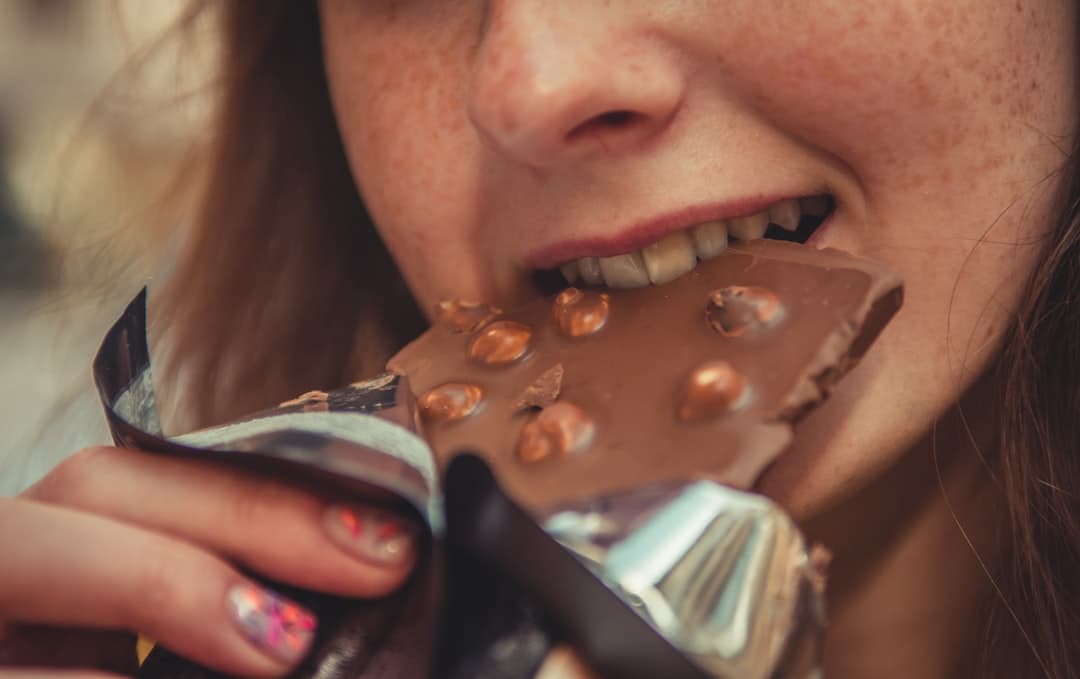
Dark chocolate, the “chocolate prescription” that can still fit
Chocolate is not the enemy, but the dose matters.
The approach here is specific: include dark chocolate daily, often about 1 ounce, sometimes a half ounce, sometimes two, and keep it earlier in the day.
What “counts” as the right kind of chocolate
Not all chocolate behaves the same in a fat loss plan. The video’s rule of thumb is 70% cacao or higher, and ideally no added sugar, sweetened with allulose, monk fruit, or stevia. When traveling and those options are not available, the fallback is 85% or higher.
That higher cacao percentage generally means less sugar and a more bitter profile. And the “bitter” part is not just a taste preference. This perspective argues that bitter flavors can satisfy sweet cravings, and may reduce appetite signaling.
Did you know? Dark chocolate contains stimulant-like compounds such as caffeine and theobromine, which is one reason this approach prefers chocolate earlier in the day, not as a nightly dessert.
Why timing matters, metabolism and sleep are both on the line
The video points out two reasons to keep chocolate in the morning or earlier afternoon.
First, dark chocolate contains a little caffeine and theobromine, both of which may feel like a gentle pre-workout boost for some people.
Second, stimulants late in the day can disrupt sleep, and sleep disruption can backfire on appetite and cravings. Caffeine’s effects can last for hours, and sensitivity varies widely. For general guidance, the FDA notes that up to 400 mg of caffeine per day is considered an amount that is not generally associated with negative effects for most healthy adults, but individual tolerance differs (FDA guidance on caffeineTrusted Source).
How to use dark chocolate without “accidentally” overeating it
The practical strategies in the video are simple, and very “real life.”
The bigger point is psychological as much as nutritional: when a plan includes a food you love, adherence tends to improve.
Body recomposition, why muscle changes the whole fat loss game
The story here is not “eat less, move more.”
It is “build, or at least protect, muscle while you lose fat.”
This matters for women because body composition and hormones create different constraints. Women naturally carry more essential fat than men, and men typically have more muscle mass. That difference alone can change how easy fat loss feels.
The video uses a concrete, motivating number: each added pound of muscle may burn roughly 10 extra calories per day. That is not dramatic in isolation, but it adds up over months and years, especially when muscle also supports better insulin sensitivity.
Perimenopause changes the terrain
The video frames perimenopause as a time when the “old rules” often stop working. As estrogen declines, the body may become more prone to fat storage and less efficient at building muscle.
At the same time, cortisol, insulin, and inflammation can trend upward for some women. This combination can make visceral fat gain more likely, which is frustrating and also relevant to long-term metabolic health.
This is one reason the approach keeps returning to strength training and protein, they are tools that support muscle retention.
What the research shows: Resistance training is strongly associated with improvements in strength and lean mass, and it can support metabolic health across the lifespan. For a broad overview, see the American College of Sports Medicine position stand on resistance training (ACSM Resistance TrainingTrusted Source).
Macros, but make it practical (including alcohol as macro #4)
Most macro discussions forget alcohol.
This video does not.
The argument is that alcohol is a “fourth macronutrient” because it provides 7 calories per gram, and because the body prioritizes metabolizing it. In plain language, when alcohol is present, the body tends to deal with it first, which can temporarily crowd out fat burning.
That does not mean you can never drink. It means alcohol is not metabolically neutral, and it can slow progress for some people.
Carbs, fats, and the “end of one” approach
Carbohydrates get a nuanced treatment. The video notes you can survive without carbs, including via a ketogenic diet, but that does not automatically make it the best option for everyone.
Keto is described as a tool. In some contexts, it can be useful for improving blood sugar control and insulin sensitivity, and it has been used therapeutically in certain neurological conditions. For background on medical ketogenic diets, the Cleveland Clinic provides a patient-friendly overview (Cleveland Clinic: Ketogenic DietTrusted Source).
But the video also raises a practical concern: if you are dealing with fatigue, high stress, or adrenal strain, very low carb approaches may feel harder to sustain. Some people simply do better with some carbs, especially if they train hard.
Fats are positioned as essential, not optional. The video suggests a baseline minimum of about 30 grams per day, and often more depending on body size and needs. Essential fats support cell membranes and brain function.
Protein is positioned as the anchor.
Protein first, the non-negotiable for fullness and metabolism
You can change a lot about your diet, but this approach asks you to change one thing first.
Eat protein first.
Protein is framed as a “function and structure” macronutrient. It supports muscle building and repair, and it is also the most satiating macronutrient for many people.
The video also emphasizes the thermic effect of food, the energy cost of digesting and processing nutrients. Protein has a higher thermic effect than fats or many ultra-processed foods. That means some of the calories from protein are “spent” during digestion and assimilation.
A key target is 0.7 to 1.0 grams of protein per pound of target body weight per day. That is a range, not a commandment, and it is best personalized with a clinician if you have kidney disease or other medical considerations.
Leucine, the small detail that can change results
The video adds a more advanced but practical checkpoint: leucine.
Leucine is an essential amino acid associated with muscle protein synthesis signaling. The suggestion is to check whether your breakfast and dinner are providing around 3 grams or more of leucine, which often correlates with a protein serving size that is substantial enough to support muscle.
In practice, many women find that means 40 to 50 grams of protein per meal, especially if the meal is more plant-forward.
Pro Tip: If you are increasing protein, increase water and fiber gradually too. A sudden jump in protein without enough fluids and fiber can cause constipation for some people.
The satiety trifecta: protein, fat, and fiber (plus resistant starch)
Fullness is a strategy, not a personality trait.
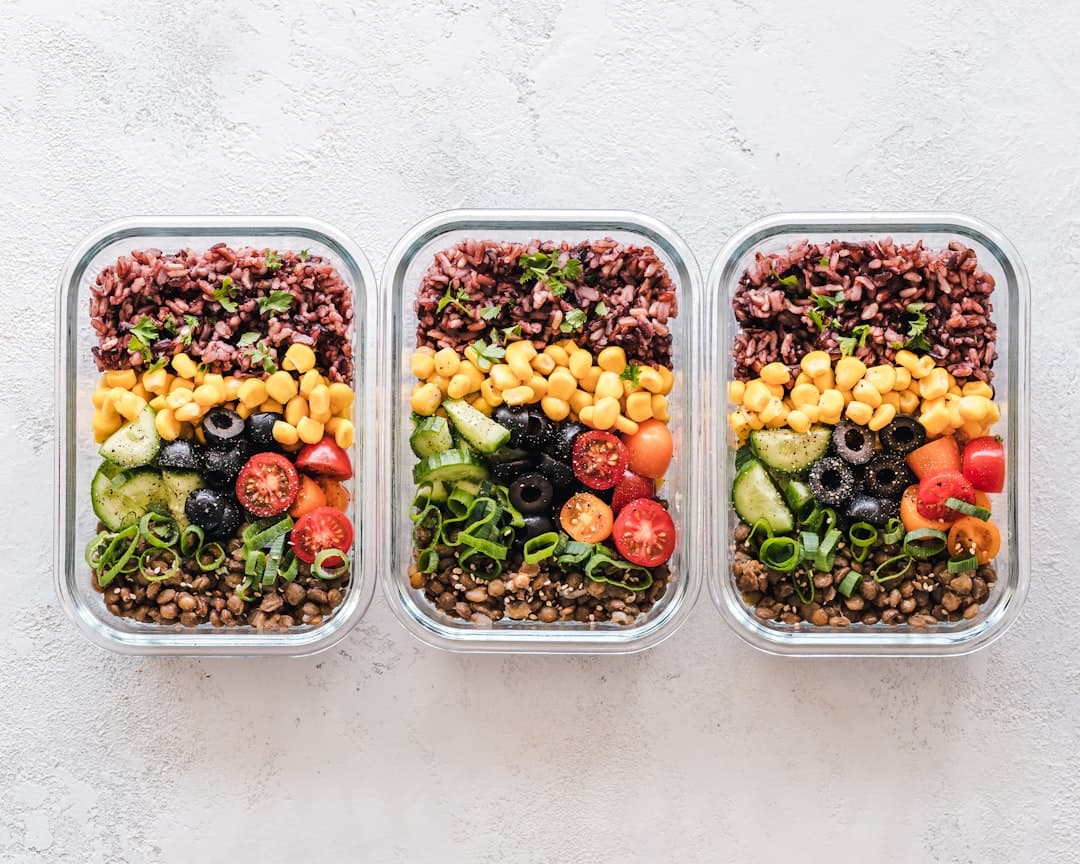
This section is where the video becomes very actionable. The “satiety trifecta” is:
The key insight is that you are not just trying to “eat less.” You are trying to eat in a way that makes eating less feel natural.
Resistant starch, the fiber subtype with a twist
The video gives special attention to resistant starch, a type of carbohydrate that “resists” digestion and is fermented in the colon, producing short-chain fatty acids such as butyrate.
The claim in the video is that resistant starch may support a shift toward greater post-meal fat oxidation, and it may support metabolic rate and lean mass preservation during weight loss. Research on resistant starch suggests it can influence gut microbiota and metabolic markers, although effects vary by person and by study design. For a research overview, see a review in the journal Nutrients discussing resistant starch and metabolic health (Nutrients: Resistant Starch reviewTrusted Source).
The practical “how” matters as much as the science: for several foods, resistant starch increases when you cook, then cool them.
Here are the food examples highlighted:
Not everyone tolerates higher resistant starch well, especially if they have IBS or are new to high-fiber eating. Start small.
Resource callout: »MORE: If you keep hitting “I do great until 3 pm” hunger, create a simple checklist for lunch: protein target, fiber source, and a planned treat. That one-page template is often more useful than a perfect meal plan.
Cravings: stop fighting them, start preventing them
Cravings are not always about willpower.
This approach treats cravings like feedback. If you can identify the “why,” you can choose the right tool.
Two food-based craving hacks from the video
The first is dark chocolate, used strategically. The bitter taste may help satisfy sweet cravings, and a small portion can feel like a planned indulgence rather than a slip.
The second is a more unusual trick: sour can blunt a sweet tooth.
The example given is a “spicy lemonade” made from lemon juice, water, a little stevia (or allulose), plus a pinch of cayenne. The point is not to make it sweet. The point is to make it sour enough that sweet cravings feel less urgent.
Cayenne is included as a small thermogenic add-on. The overall metabolic effect is likely modest, but the craving interruption can be meaningful.
Did you know? Sleep loss can shift hunger hormones and appetite regulation. The NIH notes that sleep deficiency is linked with increased risk of obesity and metabolic issues over time (NIH: Sleep and healthTrusted Source).
The non-food craving drivers, sleep and stress
The video is blunt about this: one poor night of sleep can elevate hunger signals and increase cravings the next day.
Stress adds another layer. Stress can change appetite, food preferences, and the desire for quick-reward foods. It also tends to push cravings toward sweet, salty, and starchy options, the very foods that are easiest to overeat.
This is where the bigger health outcomes show up. Better sleep and stress management are not just “self-care,” they can be body composition tools.
Q: If I crave sweets at night, does that mean I need more carbs?
A: Not necessarily. Nighttime sweet cravings can come from several places, including inadequate protein earlier in the day, stress, habit, or sleep debt. A practical first step is to check whether dinner included enough protein, fiber, and some fat, then experiment with a planned portion of dark chocolate earlier in the day.
If cravings are intense or paired with mood changes, it can also help to discuss patterns with a registered dietitian or clinician, especially if you have blood sugar concerns.
Health Writer, Sports Nutrition Focus
Plateaus: the “audit week” and a sustainable calorie strategy
Plateaus are common.
They are also data problems more often than motivation problems.
The video’s suggestion is to step out of frustration and into measurement for 1 to 2 weeks. That means weighing and tracking food (using a scale), and logging in an app.
What to track during an “audit week”
This is not meant to be forever. It is meant to reveal what is actually happening.
The video also suggests tracking body composition, not just scale weight, using a BIA device. These devices have limitations and can fluctuate with hydration, but they can still be useful for trends when used consistently.
A calorie approach designed for adherence
After the audit, if fat loss is still the goal, the video offers a structured strategy attributed to research in physique coaching:
The idea is that this pattern can feel more sustainable than chronic restriction, and it may help some people avoid the “I am dieting forever” trap.
What the research shows: Ultra-processed food intake has been linked with higher calorie intake in controlled settings. A well-known NIH inpatient trial found participants ate about 500 more calories per day when given an ultra-processed diet compared to an unprocessed diet, despite meals being matched for presented macros (NIH study in Cell MetabolismTrusted Source).
Portion control without obsession: ultra-processed foods and trigger foods
Too much healthy food can still be too much.
That includes dark chocolate.
The video’s stance is not anti-calorie. It is pro-awareness. If you consistently eat more energy than you need, the excess has to go somewhere.
Ultra-processed foods get special attention because they can be uniquely easy to overeat. They also tend to be less filling per calorie and can drive more cravings.
The trigger-food rule that saves people years
A surprisingly compassionate part of this approach is the permission to be honest about “trigger foods.”
Some people can have a little dark chocolate and stop. Others cannot.
If a food reliably turns into “more, more, more,” the strategy is not to keep testing your willpower. The strategy is to change the environment, portion it strictly, or choose a different treat.
This is also why the video likes chocolate as mini chips on top of a meal. It is physically harder to mindlessly eat half a bag when it is sprinkled on yogurt that you already portioned.
A simple portion framework that still feels like freedom
Here is a practical structure consistent with the video’s themes, without turning eating into math all day:
Q: Is dark chocolate actually good for insulin sensitivity?
A: Some research suggests cocoa flavanols may support vascular function and insulin sensitivity markers in certain populations, but effects depend on the product, dose, and overall diet pattern. If you choose chocolate, prioritize high-cacao options with minimal added sugar, because sugar-heavy chocolate can undermine blood sugar goals.
If you have diabetes or take glucose-lowering medications, it is wise to monitor how different chocolates affect you and review changes with your clinician.
Health Writer, Sports Nutrition Focus
Key Takeaways
Frequently Asked Questions
- How much dark chocolate can fit into a fat loss diet?
- In this approach, a common daily portion is about 1 ounce of dark chocolate, sometimes a half ounce or up to two ounces, depending on your overall calories and cravings. Choosing 70% cacao or higher, ideally with no added sugar, helps keep sugar lower and makes portion control easier.
- What does “eat protein first” mean in real life?
- It means building meals around a clear protein serving before adding carbs or fats. A practical target discussed is about 0.7 to 1.0 grams of protein per pound of target body weight per day, then rounding out meals with fiber-rich plants and healthy fats.
- Why does alcohol slow fat loss in this framework?
- Alcohol provides 7 calories per gram, and the body tends to prioritize metabolizing it first because it is treated like a toxin. That can temporarily shift the body away from burning stored fat, especially if drinking is frequent or paired with high-calorie foods.
- What foods help you stay full in a calorie deficit?
- The video emphasizes the “satiety trifecta” of protein, fat, and fiber. Together they tend to slow stomach emptying, improve satisfaction, and support steadier blood sugar, which can make a calorie deficit feel more manageable.
- What should I do if I hit a weight loss plateau?
- A first step is a 1 to 2 week “audit” where you weigh and track food, check protein and fiber, and watch daily movement, because needs can change as body weight changes. After that, a structured approach discussed is dropping calories by about 25% for 5 days per week and returning to maintenance for 2 days.
Get Evidence-Based Health Tips
Join readers getting weekly insights on health, nutrition, and wellness. No spam, ever.
No spam. Unsubscribe anytime.